

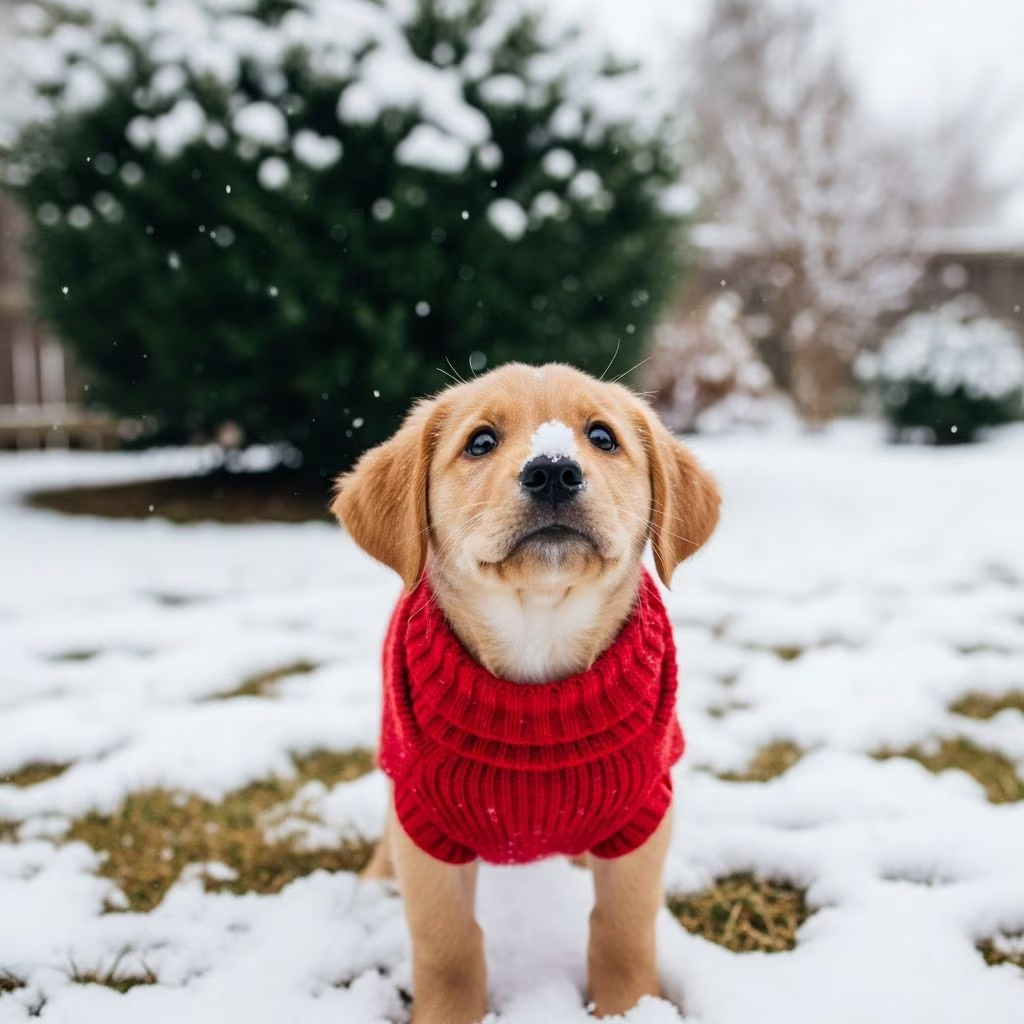
House-Training a Puppy in Winter: Complete Guide
House-training a puppy presents unique challenges under any circumstances, but the addition of winter weather can make the process significantly more difficult. When temperatures drop and snow blankets the ground, many puppies develop an aversion to going outside, which can derail your training progress. However, with the right strategies and preparation, successful winter house-training is entirely achievable. Understanding the specific challenges that cold weather presents and having practical solutions at hand will help you maintain consistency in your puppy’s training regimen throughout the colder months.
According to dog training experts, winter house-training difficulties are particularly common among certain breeds and living situations. Dogs that live in condos, apartments, or high-rise buildings are more likely to struggle with cold weather aversion, as are smaller dog breeds. These dogs often become accustomed to the warmth and comfort of indoor living and lack exposure to outdoor environments where they can gradually acclimate to temperature changes. Understanding your puppy’s specific situation will help you tailor your training approach appropriately.
Why Winter House-Training Becomes Challenging
The primary reason puppies struggle with winter house-training is their sensitivity to cold temperatures and unfamiliar weather conditions. When taken outside during winter, puppies often become preoccupied with the weather itself rather than focusing on eliminating waste. Cold air, snow, ice, and wind create sensory experiences that are overwhelming for young dogs, especially those not accustomed to outdoor exposure. Additionally, the physical discomfort associated with freezing temperatures can deter puppies from spending adequate time outside to complete their bathroom needs.
Temperature thresholds play an important role in your puppy’s willingness to go outside. When outdoor temperatures drop significantly, dogs experience discomfort that naturally causes them to resist venturing out. Small breeds and short-haired dogs are particularly susceptible to cold, but even larger breeds can experience difficulty when temperatures become excessively cold. Understanding these temperature limits helps you adjust your expectations and training timeline accordingly.
Tip 1: Take Your Dog Out, Don’t Just Put Him Out
One of the most critical mistakes pet parents make during winter house-training is simply opening the door and letting their puppy outside unsupervised. This passive approach rarely works, particularly for cold-sensitive dogs. Instead, you need to actively participate in the potty-training process by accompanying your puppy outside and guiding them to designated bathroom areas.
When you actively take your puppy outside, you accomplish several important objectives. First, you control where your puppy goes, allowing you to direct them to a specific area that you’ve prepared for bathroom use. By consistently using the same spot, that location begins to smell like a restroom, which naturally stimulates your puppy’s urge to eliminate. This scent marking creates an environmental cue that encourages your puppy to complete their business quickly.
Additionally, active supervision allows you to provide verbal commands that reinforce the desired behavior. Using consistent phrases like “go potty” or “do your business” paired with the designated bathroom area strengthens the association between the location, the command, and the action. This combination of environmental cues and verbal reinforcement significantly increases the likelihood that your puppy will eliminate on schedule.
For maximum effectiveness, clear a path to the potty area and keep the space easily accessible. Avoid expecting your tiny puppy to wade through deep snow to reach their bathroom spot. The easier you make the process, the more willing your puppy will be to cooperate, even in cold conditions.
Tip 2: Be Prepared at All Times
Winter house-training requires exceptional preparedness and quick response times. Having all necessary supplies immediately accessible near your door is essential for maintaining training momentum. Prepare a basket or designated holder containing your leash, waste bags, and any other outdoor accessories you might need. This setup allows you to respond instantly when your puppy signals that they need to go outside, without wasting time gathering supplies.
Beyond having supplies ready, ensure that your personal winter gear is also accessible. Keep a coat, boots, and other warm clothing near the door so you can dress quickly and step outside with minimal delay. The faster you can get outside when your puppy indicates readiness, the more successful your training outcomes will be. Puppies have limited bladder capacity and can only hold their urine for a short period, so quick response times are critical for accident prevention.
Being prepared also means understanding the balance between accommodation and setting boundaries. While it’s important to facilitate outdoor bathroom breaks, you must avoid allowing your puppy to manipulate you through excessive demands. Establish a reasonable schedule for outdoor breaks based on your puppy’s age and training progress, and stick to that schedule consistently. This structured approach helps your puppy develop predictable elimination patterns while preventing them from learning that excessive whining or signaling results in immediate gratification.
Tip 3: Protect Your Puppy’s Paws and Monitor Health
Winter weather poses specific health risks to puppies’ feet and overall wellbeing. When outdoor temperatures drop below approximately 20 degrees Fahrenheit, the cold can directly affect the sensitive paw pads on your puppy’s feet, potentially causing discomfort, frostbite, or other injuries. Additionally, salt and chemical de-icers used on sidewalks and roadways create additional hazards for unprotected paws.
Investing in protective gear for your puppy is an essential winter house-training strategy. Waterproof dog booties provide insulation and protection against cold, snow, salt, and de-icing chemicals. These booties keep paw pads warm and dry while preventing the accumulation of ice between toes. When your puppy’s feet are comfortable and protected, they’re more willing to spend the time outside necessary for successful elimination.
Beyond paw protection, monitor your puppy’s overall health during winter training. Puppies expend significant energy maintaining body heat in cold conditions, so their nutritional needs may increase slightly during winter months. Consider discussing dietary adjustments with your veterinarian to ensure your puppy receives adequate calories for both growth and temperature regulation. Additionally, ensure your puppy has access to unfrozen water, as dehydration can occur even in cold weather.
Tip 4: Consider Indoor Alternatives
For puppies that demonstrate extreme aversion to cold weather or for families facing particularly harsh winter conditions, temporary indoor alternatives may provide effective solutions. Indoor dog litter boxes designed specifically for canines offer a practical middle-ground option that maintains training momentum while accommodating weather-related challenges.
Quality dog litter products are highly absorbent, non-toxic, and feature odor-controlling properties that make them suitable for long-term indoor use. These litters simulate the feel and smell of outdoor bathroom areas, which naturally attracts dogs to use them. Using indoor litter during the most severe winter weather doesn’t undermine your outdoor training goals; rather, it maintains the habit of designated bathroom use while you wait for more favorable weather conditions.
Alternatively, puppy pads or artificial grass patches designed for indoor use can serve similar functions. These products mimic the appearance and texture of real grass, which many dogs find naturally attractive for elimination. Once weather improves, you can transition back to outdoor training without losing the progress you’ve made. The key is maintaining consistency in your puppy’s understanding that designated areas—whether indoor or outdoor—are appropriate for bathroom use.
Tip 5: Keep the Process Fun and Positive
Maintaining a positive, enjoyable attitude toward winter potty training prevents your puppy from developing negative associations with cold weather and outdoor bathroom breaks. Start by keeping outdoor sessions short, particularly in the beginning stages of winter training. If your puppy successfully eliminates and returns inside quickly, that represents a successful training moment. Celebrate these successes with praise, treats, or playtime to reinforce the positive experience.
As your puppy becomes more comfortable with winter outdoor time and demonstrates reliable elimination habits, gradually extend the duration of outdoor sessions. This incremental approach allows your puppy to acclimate to cold weather gradually while building confidence and comfort in outdoor environments. Eventually, your puppy may begin to explore and enjoy the winter landscape, transforming outdoor bathroom breaks from a dreaded chore into an anticipated part of their daily routine.
The psychological component of winter house-training cannot be overstated. Puppies are sensitive to their owners’ attitudes and stress levels. If you approach winter training sessions with frustration or negativity, your puppy will sense that tension and develop anxiety around outdoor bathroom breaks. Conversely, maintaining calm, positive energy during these sessions helps your puppy view winter outdoor time as normal and acceptable.
Temperature Guidelines and Safety Considerations
Understanding appropriate temperature thresholds helps you make informed decisions about outdoor bathroom breaks. While dogs can tolerate temperatures below freezing, extended outdoor exposure when temperatures drop significantly can pose health risks. Most veterinary professionals recommend limiting outdoor bathroom breaks when temperatures fall below 20 degrees Fahrenheit, and some suggest bringing puppies inside when temperatures reach 35 degrees Fahrenheit or lower for extended periods.
These guidelines are particularly important for small breeds, puppies with thin coats, and young dogs still developing their temperature regulation abilities. Monitor your puppy for signs of cold discomfort, including shivering, reluctance to move, or seeking shelter. These behaviors indicate that your puppy needs to come inside for warmth.
Creating an Ideal Winter Setup
| Component | Purpose | Examples |
|---|---|---|
| Protective Gear | Keep paws and body warm | Waterproof booties, insulated coats |
| Supplies Station | Quick access to leash and waste bags | Basket by door with organized items |
| Designated Area | Consistent bathroom location with familiar scent | Cleared snow path to designated spot |
| Indoor Backup | Alternative for extreme weather | Dog litter box or puppy pads |
| Verbal Cues | Reinforce desired behavior | Consistent command phrases |
Common Winter House-Training Mistakes to Avoid
Many pet parents inadvertently sabotage their winter house-training efforts by making preventable mistakes. Allowing your puppy to set the schedule rather than maintaining consistency is one common error. While flexibility is sometimes necessary, constantly changing bathroom break times confuses puppies and undermines training progress. Establish a schedule based on your puppy’s age and stick to it as closely as possible.
Another frequent mistake is failing to supervise outdoor bathroom breaks adequately. Without active supervision, you cannot reinforce the desired behavior or reward successful elimination immediately. This delayed feedback weakens the learning association and slows training progress.
Additionally, many pet parents make the error of punishing accidents indoors rather than focusing on prevention and positive reinforcement. Punishment creates fear and anxiety around elimination, which often worsens house-training challenges rather than improving them. Instead, focus your energy on preventing accidents through consistent outdoor breaks and immediately rewarding successful outdoor elimination.
Frequently Asked Questions About Winter House-Training
Q: How often should I take my puppy outside in winter?
A: Frequency depends on your puppy’s age. Young puppies (8-12 weeks) typically need outdoor breaks every 2-3 hours, while older puppies (3-6 months) can typically wait 4-6 hours. During winter, you may need more frequent breaks to ensure successful elimination before your puppy becomes too cold.
Q: What temperature is too cold for puppies to be outside?
A: Most veterinary professionals recommend limiting outdoor exposure when temperatures drop below 20 degrees Fahrenheit. For small breeds or puppies with thin coats, consider bringing them inside when temperatures reach 35 degrees Fahrenheit or lower for extended periods.
Q: Will using indoor alternatives like puppy pads delay outdoor house-training?
A: Not necessarily. Temporary use of indoor alternatives during extreme winter weather maintains training consistency and prevents regression. Once weather improves, you can transition back to outdoor training without significant setbacks.
Q: Should I let my puppy’s coat grow during winter?
A: Yes, a longer coat provides natural insulation. If your puppy has a double coat, allowing it to grow fully during winter months provides superior protection against cold. However, longer coats require more frequent brushing to prevent matting.
Q: How can I tell if my puppy is too cold?
A: Signs of cold discomfort include shivering, reluctance to move, seeking shelter, or whining. If you observe these behaviors, bring your puppy inside immediately to warm up.
Q: Is it normal for house-training to take longer in winter?
A: Yes, winter house-training often takes longer due to temperature-related aversion and weather complications. This is completely normal, and with patience and consistency, your puppy will eventually develop reliable outdoor elimination habits.
Maintaining Success Long-Term
Successfully house-training your puppy during winter requires sustained commitment and flexibility. While the process may initially seem more challenging than spring or summer training, the consistency you develop during winter often results in exceptionally reliable habits. Once your puppy establishes solid winter elimination routines, warmer weather transitions typically go smoothly.
Remember that every puppy is unique. Some puppies adapt quickly to winter conditions while others struggle significantly. Tailor your approach to your individual puppy’s needs, temperament, and comfort level. What works for one puppy may not work for another, so be prepared to adjust your strategies as needed.
The investment you make in winter house-training pays dividends throughout your puppy’s life. Puppies that successfully complete potty training during challenging winter conditions develop resilience and reliability that often exceeds the training achievements of puppies trained only during favorable weather. By maintaining patience, consistency, and a positive attitude throughout the winter months, you’ll establish a foundation for a lifetime of good bathroom habits and a well-trained dog.
References
- House-Training a Puppy in the Winter — Chewy. 2024. https://www.chewy.com/education/dog/new-dog/house-training-puppy-winter
- 4 Ways To Make Winter Dog Walks So Much Better — Chewy. 2024. https://www.chewy.com/education/dog/training-and-behavior/tips-for-walking-dogs-in-winter
- How To Keep Dogs Warm Outside in the Winter — Chewy. 2024. https://www.chewy.com/education/dog/health-and-wellness/how-to-keep-dogs-warm-outside-in-winter
- 8 Winter Pet-Safety Tips for Dogs and Cats — Chewy. 2024. https://www.chewy.com/education/dog/general/winter-pet-safety
- The Importance of Winter Care for Dogs — American Veterinary Medical Association. 2024. https://www.avma.org



