

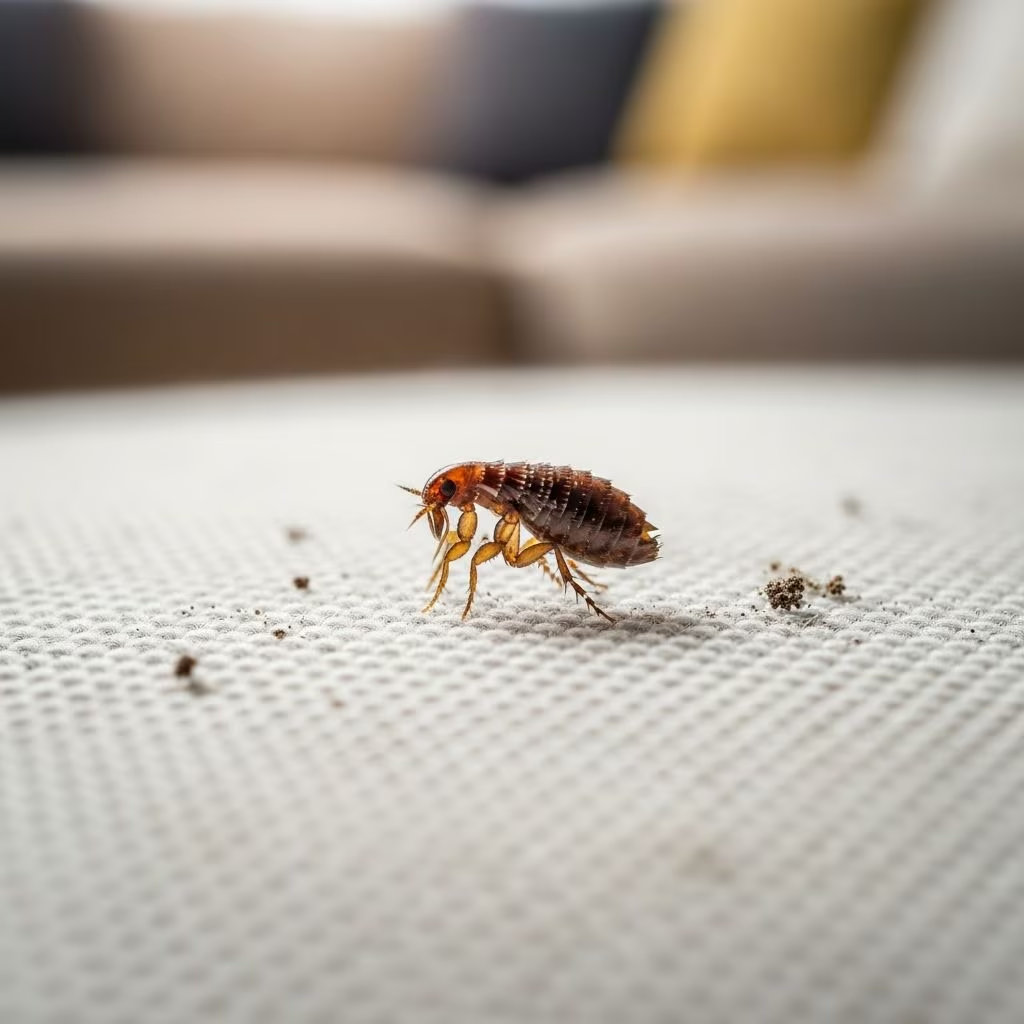
House Flea Treatment: A Complete Guide to Eliminating Fleas From Your Home
Fleas are one of the most common pest problems pet owners face, and they can quickly infest your entire home if not treated properly. Unlike a simple pest that stays in one area, fleas affect your pets, your carpets, your furniture, and your yard. The key to successful flea elimination is understanding that you must treat multiple areas simultaneously rather than relying on a single solution.
A comprehensive house flea treatment strategy requires addressing three critical components: treating your pet, treating your home’s interior, and treating outdoor areas where fleas thrive. This multi-pronged approach disrupts the flea lifecycle at every stage, preventing reinfestation and ensuring long-term success.
Understanding the Flea Lifecycle and Why It Matters
Before you can effectively treat your house for fleas, it’s crucial to understand how fleas develop. Adult fleas represent only about 5% of a flea infestation—the remaining 95% exists as eggs, larvae, and pupae in your carpets, furniture, and pet bedding. This is why treating only adult fleas on your pet isn’t enough; you must also address immature flea stages throughout your home.
Fleas complete their lifecycle in as little as two weeks under ideal conditions. This rapid reproduction cycle means that without proper treatment of your home, your pet will become reinfested almost immediately after you eliminate the fleas on their body. Understanding this lifecycle is essential for choosing the right house flea treatment products and maintaining a treatment schedule that actually works.
Step 1: Fast-Acting Pet Treatments to Kill Adult Fleas
The first step in house flea treatment is eliminating adult fleas on your pet. A fast-acting oral medication like Capstar (nitenpyram) kills adult fleas within 30 minutes of administration, providing immediate relief during heavy infestations. This gives you a quick win while you implement longer-term solutions.
For sustained protection, follow up with long-term prevention products that continue working for weeks or months. Options include:
- Seresto Collar: Provides up to 8 months of protection and is waterproof and odorless
- Advantage II or Frontline Plus: Monthly topical treatments that kill fleas at every life stage
- Injectable treatments: Prescription options that provide 6-8 months of protection
The combination of a fast-acting product with a long-term preventative ensures that your pet doesn’t reinfect your home while you’re treating it.
Step 2: Preparing Your Home for Treatment
Before applying any flea treatment products to your carpets and furniture, thorough preparation is essential. Begin by removing clutter from your home to ensure that flea treatment products reach all infested areas. Wash all pet bedding in hot water at 140°F for at least 10 minutes to kill fleas at all life stages.
Next, vacuum your entire home thoroughly, paying special attention to:
- Under furniture and cushions
- Along baseboards and edges where walls meet floors
- Closets and storage areas
- Areas where your pet spends the most time
Vacuuming serves multiple purposes: it removes flea debris, stimulates eggs and pupae, and opens up carpet fibers for better penetration of treatment products. If you have access to steam cleaning equipment, steam clean your carpets at temperatures above 120°F, which instantly kills all flea life stages. Studies show that a single 200°F steam treatment can achieve 95% flea population reduction.
Step 3: Treating Carpets and Upholstered Furniture
Carpets and upholstered furniture are the primary reservoirs for immature fleas. An effective house flea treatment targets these areas with products containing both an adulticide (to kill adult fleas) and an insect growth regulator (IGR) like methoprene or nylar (pyriproxyfen). IGRs work by disrupting flea development, preventing immature fleas from reaching adulthood and sterilizing eggs.
When selecting carpet treatment products, look for combinations that include:
- Adulticides: Kill adult fleas on contact through pyrethroids or other active ingredients
- IGRs: Prevent eggs and larvae from developing, providing 4-7 months of protection
- Botanical options: Plant-based products like Vet’s Best that use peppermint and clove oils for pet-safe treatment
Carpet Spray Application
Apply directed sprays of adulticide plus IGR products to carpeted areas, focusing on cracks, crevices, under furniture, along edges, and around pet bedding areas. Do not fan spray or broadcast spray unless the product label specifically permits it. Allow the treatment to dry completely before allowing pets back into the area.
Carpet Powder Application
For deep-pile carpets where liquid sprays don’t penetrate well, carpet powders work effectively. Brush the powder deep into carpet fibers, especially along baseboards and under furniture, and leave it for at least 24 hours before vacuuming. Powders must be reapplied every 1-3 weeks if they don’t contain IGR components.
Step 4: Natural and Alternative House Flea Treatment Options
If you prefer natural alternatives, several options can effectively reduce flea populations when used as part of an integrated approach:
Diatomaceous Earth
Food-grade diatomaceous earth kills fleas by desiccating their protective outer layer. It’s most effective against adult fleas in dry areas but has limited impact on eggs and pupae. Always use food-grade only—never pool-grade diatomaceous earth indoors. Work it into carpet fibers and leave for several days before vacuuming.
Essential Oil Treatments
Botanical oils like limonene, linalool, cedar, and eugenol provide quick adult flea knockdown but evaporate within 24 hours, requiring frequent reapplication. Popular blends include peppermint and rosemary oil spray and citrus-based treatments. While pleasant-smelling and providing immediate satisfaction, essential oil approaches work best as part of integrated treatment rather than standalone solutions.
Steam Cleaning
Steam cleaning at temperatures above 120°F kills all flea life stages instantly. The heat opens carpet fibers for better chemical penetration if you follow up with sprays or powders. This method is particularly effective when combined with other treatments.
Understanding Treatment Product Categories
| Product Type | How It Works | Effectiveness Timeline | Best Use |
|---|---|---|---|
| Adulticides (Pyrethroids) | Kill adult fleas on contact | 2-4 weeks residual | Combined with IGR for complete control |
| IGRs (Methoprene, Nylar) | Prevent larval development and egg viability | 4-7 months in carpet | Long-term prevention when combined with adulticide |
| Essential Oils | Desiccate and repel fleas | 24 hours, requires reapplication | Natural option with frequent reapplication |
| Diatomaceous Earth | Desiccates flea cuticles | Weeks (adult fleas) | Natural option for dry areas |
Step 5: Outdoor Flea Treatment and Yard Control
Fleas thrive in outdoor environments where your pet spends time. Treating your yard prevents reinfestation and breaks the complete flea lifecycle. Apply outdoor flea treatments to areas where your pet rests, including lawns, landscape beds, porches, and patios.
Outdoor treatment options include:
- Broadcast sprays: Permethrin-based products applied with hose-end sprayers
- Granular treatments: Products like bifenthrin that are watered in after application
- Targeted applications: Spraying areas where your pet spends the most time
Maintain outdoor flea control by regularly treating high-traffic pet areas and managing vegetation where fleas can hide.
House Flea Treatment Timeline and Maintenance Schedule
Successful house flea treatment requires a strategic timeline that disrupts the flea lifecycle:
- Week 1: Treat pet with fast-acting product, begin long-term prevention, wash bedding, vacuum thoroughly, apply carpet and furniture treatments
- Week 2: Continue daily vacuuming—vibrations stimulate pupae to emerge and be exposed to IGR
- Day 14: Repeat carpet and furniture treatment to catch newly emerged fleas
- Day 28: Third treatment if fleas persist, though two applications usually resolve infestations
- Ongoing: Weekly cleaning of pet bedding areas and regular pet flea prevention
Critical Success Factors for House Flea Treatment
Several key principles ensure your house flea treatment succeeds:
- Treat simultaneously: Address pets and home at the same time to break the reinfection cycle
- Maintain humidity control: Keep indoor humidity below 50% to desiccate developing larvae
- Combine methods: Use adulticides with IGRs for complete lifecycle coverage rather than relying on single products
- Continue vacuuming: Daily vacuuming for two weeks after treatment stimulates pupae emergence and removes dead fleas
- Don’t panic at reemergence: Seeing fleas 7-14 days after treatment indicates the treatment is working—newly emerged fleas from pupae are being killed
Common House Flea Treatment Mistakes to Avoid
Pet owners often make critical errors that reduce treatment effectiveness. Treating only your pet without addressing the home environment is the most common mistake—95% of the flea population lives in your home, not on your pet. Underdosing products, missing areas during application, or applying treatments incorrectly also reduces success rates.
Additionally, many pet owners stop treatment too early. Because of the flea lifecycle, you may see some fleas 7-14 days after treatment; this is normal and expected. Stopping treatment at this point allows reinfestation. Continuing your prevention schedule and completing the full treatment timeline ensures lasting success.
Choosing Between Chemical and Natural House Flea Treatment
Chemical treatments with adulticides and IGRs offer faster, more reliable results for serious infestations. They provide extended protection and kill fleas at all lifecycle stages when properly selected. Natural methods like diatomaceous earth and essential oils work more slowly and require frequent reapplication every 1-3 days.
For the most effective approach, combine methods: use chemical products for initial control and long-term prevention while incorporating natural options as supplementary treatments. This integrated pest management approach provides the best results with the flexibility to choose pet-safe options.
Frequently Asked Questions About House Flea Treatment
Q: How long does house flea treatment take to work?
A: Fast-acting treatments like Capstar kill adult fleas within 30 minutes, but complete house treatment requires 2-4 weeks to address all flea lifecycle stages. Most infestations are controlled within this timeframe with proper treatment application and schedule adherence.
Q: Can I treat my house and pet at the same time?
A: Yes, and you should. Treating simultaneously breaks the reinfection cycle and is essential for successful flea elimination. Treating only your pet allows fleas in your home to reinfest within days.
Q: What temperature kills fleas in carpet?
A: Steam at 120°F or higher instantly kills all flea life stages. Sustained heat above 95°F kills fleas over time, while temperatures below 46°F are also lethal. Steam cleaning at 200°F achieves 95% population reduction in a single treatment.
Q: Are natural flea treatments as effective as chemicals?
A: Natural methods work slower and require more frequent application than chemical treatments. They’re most effective when combined with mechanical removal and consistent reapplication every 1-3 days. For serious infestations, chemical treatments with IGRs are more reliable.
Q: How often should I vacuum during flea treatment?
A: Vacuum daily for at least two weeks after treatment. Vacuuming vibrations stimulate pupae to emerge, exposing them to IGR products and helping remove dead fleas.
Q: What if I still see fleas after treatment?
A: Seeing fleas 7-14 days after treatment is normal—these are newly emerged fleas from pupae being killed by your treatment. Continue your treatment schedule and don’t stop early. A second treatment at day 14 usually eliminates any remaining fleas.
Q: Is it safe to use flea treatment products around my family?
A: Modern flea treatments are formulated to be safe for pets and families when used according to label directions. Always follow product instructions carefully, keep treated areas properly ventilated, and keep children away during application.
References
- What Is the Most Effective Flea Treatment? — Tomahawk Power. 2024. https://tomahawk-power.com/blogs/articles/what-is-the-most-effective-flea-treatment
- How to Kill Fleas in Carpet: Chemical vs Natural Solutions — Better Termite. 2024. https://bettertermite.com/how-to-kill-fleas-in-carpet/
- Control Fleas on Your Pet, in Your House, and in Your Yard — Mississippi State University Extension Service. 2024. https://extension.msstate.edu/publications/control-fleas-your-pet-your-house-and-your-yard
- How To Get Rid of a Flea Infestation — PetMD. 2024. https://www.petmd.com/general-health/flea-infestation
- Controlling Fleas and Ticks Around Your Home — U.S. Environmental Protection Agency. 2024. https://www.epa.gov/pets/controlling-fleas-and-ticks-around-your-home



