

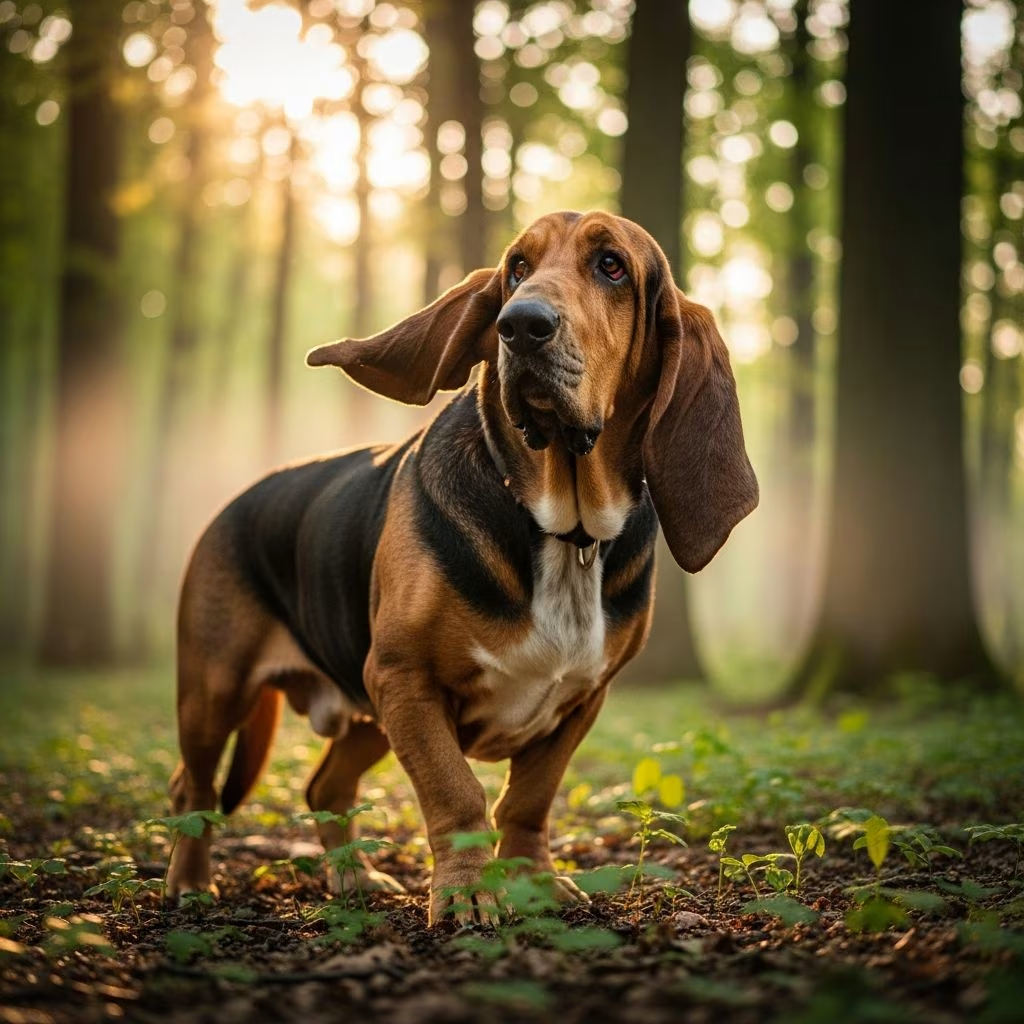
Hound dogs represent one of the most ancient and versatile groups in the canine world, prized for their extraordinary sensory abilities and enduring partnerships with humans. Originating as specialized hunters, these breeds excel either through unparalleled scent detection or breathtaking speed in pursuit. Today, they transition seamlessly into loyal family pets, offering affectionate natures alongside their distinctive traits.
Origins and Evolution of the Hound Family
The lineage of hound dogs stretches back millennia, with roots embedded in the hunting traditions of nobility and common folk alike. Early Europeans and Egyptians developed these dogs for tracking prey across vast terrains, blending strains from the Middle East and continental Europe. For instance, medieval monks like St. Hubert refined scent-focused hounds in France, laying groundwork for breeds that would dominate trails for centuries.
In America, immigrants introduced hardy European stock, adapting them to new frontiers. German settlers in North Carolina brought boar-hunting dogs that evolved into rugged mountain trackers, showcasing the breed’s adaptability to diverse environments. Over time, selective breeding emphasized traits like endurance, nose power, and independence, transforming wild pursuers into refined companions.
Scent Hounds: Masters of the Trail
Scent hounds prioritize olfactory prowess, with noses containing up to 300 million receptors—far surpassing human capabilities. These dogs process scents layer by layer, distinguishing individuals even after days.
- Bloodhound: Renowned for loose, wrinkled skin that traps scents and long, droopy ears that funnel aromas, this giant stands powerful with a deep chest for stamina.
- Basset Hound: Compact yet tenacious, originating in 6th-century France for flushing small game from thickets, their short legs belie impressive persistence.
- Plott Hound: America’s own, bred from German forebears for bear and boar, blending cur tenacity with a brindle coat and fearless spirit.
These breeds bay melodiously when on track, a vocal trait echoing their pack-hunting heritage.
Sight Hounds: Speed Demons of the Chase
Contrasting scent hounds, sight hounds rely on acute vision and explosive velocity, capable of 40+ mph sprints. Lean builds with deep chests maximize oxygen intake for prolonged pursuits.
| Breed | Origin | Key Trait | Top Speed |
|---|---|---|---|
| Greyhound | Ancient Egypt | Muscular frame, pharaoh’s companion | 45 mph |
| Irish Wolfhound | Ireland | Giant stature for wolf hunts | 30+ mph |
| Afghan Hound | Afghanistan region | Long silky coat, gazelle chaser | 40 mph |
Pharaohs revered Greyhounds for racing and hunting, while Irish Wolfhounds culled wolves, nearly facing extinction post-15th century before revival efforts.
Physical Characteristics Across Hound Breeds
Hounds share hallmark features tailored to their roles. Scent varieties boast elongated heads, pendulous ears, and dewlaps—folds of skin aiding scent retention. Sight hounds feature aerodynamic bodies: narrow skulls, tucked waists, and arched loins for flexibility.
Common traits include:
- Deep, sprung ribs for lung capacity.
- Strong, knuckled feet for traction.
- Long tails (sterns) carried high during motion.
Coat varieties range from short and sleek (Greyhound) to luxurious waves (Afghan), with colors like black/tan, brindle, or solid shades.
Temperament and Behavioral Traits
Generally mellow and affectionate, hounds exhibit independence from their solo-hunting pasts, often appearing aloof yet deeply loyal. They bond strongly with families, gentle with children, but retain strong prey drives.
Scent hounds vocalize with distinctive howls, while sight hounds conserve energy, preferring couch time post-exertion. Intelligence shines in problem-solving trails, though stubbornness demands patient training. Socialization curbs wanderlust, as their noses or eyes pull them toward intriguing pursuits.
Care Essentials for Thriving Hounds
Exercise Regimens
Match activity to type: scent hounds need scent games or long walks (1-2 hours daily); sight hounds crave sprint sessions in secure areas. Avoid off-leash in unfenced spaces due to distraction proneness.
Nutrition and Health Watch
High-protein diets support lean muscles; monitor bloat risk in deep-chested breeds. Common issues include ear infections (from floppy ears), hip dysplasia, and gastric torsion. Regular vet checks, dental care, and joint supplements promote longevity (10-14 years average).
Grooming Routines
Short coats require weekly brushing; long-haired types like Afghans need daily detangling. Clean ears weekly to prevent buildup, and trim nails monthly.
Training Strategies for Success
Hounds respond to positive reinforcement, leveraging food or toy motivators over harsh corrections. Scent work games harness natural talents, building focus. Consistency counters independence; short, fun sessions yield best results. Crate training aids house manners, respecting their den instincts.
Hounds in Modern Roles
Beyond homes, hounds serve in search-and-rescue, therapy, and detection. Bloodhounds track missing persons with court-admissible accuracy. Plott Hounds guard farms and hunt big game, while Greyhounds excel in racing and coursing sports.
Adoption and Ethical Ownership
Rescue groups abound for retired racers and surrendered hounds. Assess lifestyle fit: active homes suit high-energy types; apartments favor calmer ones like Basenjis (barkless hounds). Commit to spaying/neutering, microchipping, and lifelong training.
Frequently Asked Questions
Are hound dogs good for first-time owners?
Many are, thanks to docile temperaments, but their independence requires commitment to training and exercise.
Do hounds shed a lot?
Varies by coat; short-haired minimally, long-haired more noticeably seasonally.
Can hounds live in apartments?
Yes, especially low-energy adults, with ample daily outings.
How do I stop my hound from howling?
Provide mental stimulation like puzzle toys; training redirects vocal urges.
What’s the best food for hounds?
Breed-specific formulas emphasizing protein for muscle maintenance and joint health.
References
- Breed History & Standard — American Bloodhound Club. Accessed 2026. https://www.americanbloodhoundclub.org/breed-history-standard/
- Plott Hound History: Behind The Breed — American Kennel Club. 2023-05-15. https://www.akc.org/expert-advice/dog-breeds/plott-hound-history-behind-breed/
- 7 Hound Dog Breeds & Their Unique Characteristics — Sundays for Dogs. 2024-10-01. https://sundaysfordogs.com/blog/7-hound-dog-breeds-their-unique-characteristics
- 10 Hound Dog Breeds & Their Origins — Nylabone. 2025-02-20. https://www.nylabone.com/dog101/hound-dog-breeds
- Unleashing the Fun: Exploring Fascinating Facts About Different Hound Dog Breeds — Ridgeside K9. 2024-09-10. https://ridgesidek9.com/unleashing-the-fun-exploring-fascinating-facts-about-different-hound-dog-breeds-on-national-hug-your-hound-day/



