

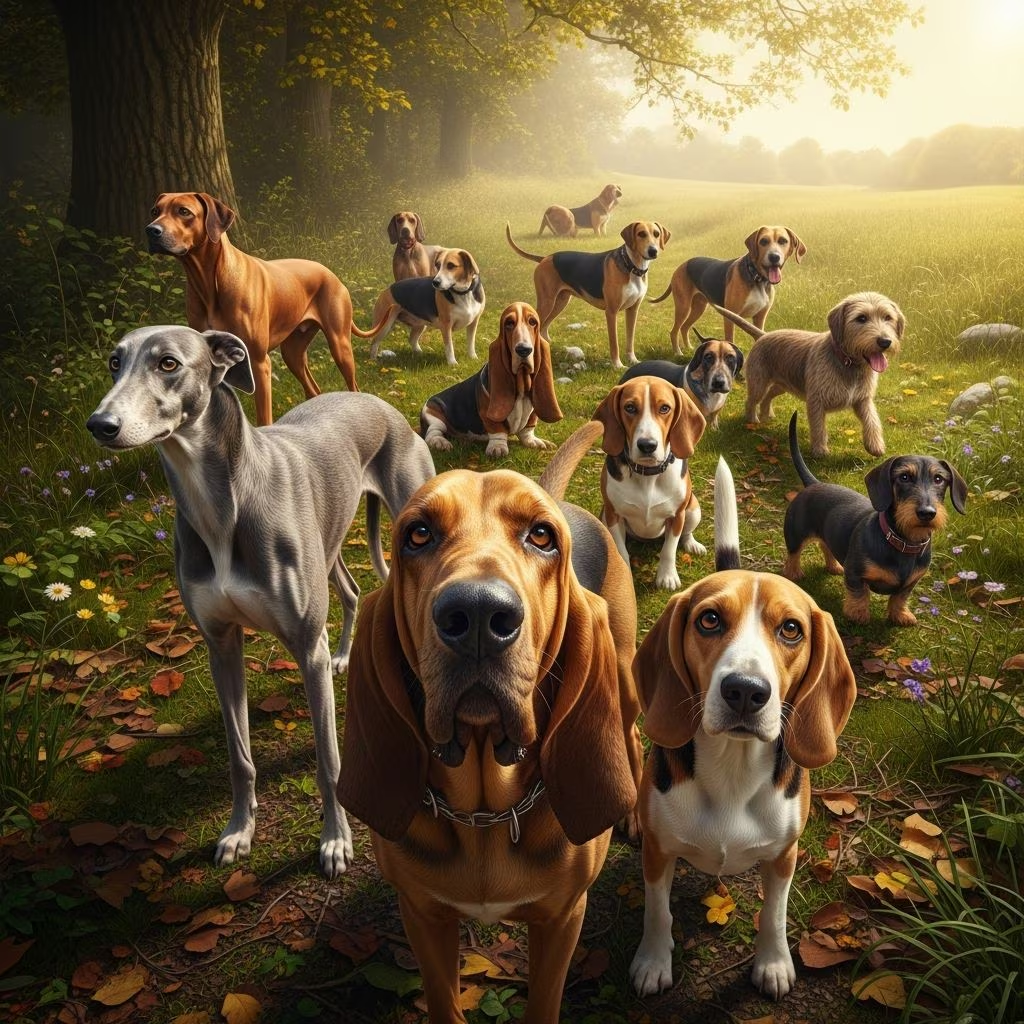
Understanding Hound Dog Breeds
Hound dogs represent one of the most diverse and captivating groups in the canine world, with a rich heritage spanning thousands of years. These remarkable breeds were developed primarily for hunting, utilizing either their exceptional sense of smell, impressive speed, or a combination of both. The hound group encompasses a wide variety of sizes, temperaments, and energy levels, making it essential for prospective owners to understand the unique characteristics of each breed before bringing one home.
The hound dog group is traditionally divided into two main categories: scent hounds and sighthounds. Scent hounds rely on their powerful olfactory abilities to track prey over long distances, often displaying remarkable persistence and determination. Sighthounds, conversely, depend on their keen vision and exceptional speed to pursue and capture fast-moving game. Understanding these fundamental distinctions is crucial for selecting a hound breed that aligns with your lifestyle and expectations.
The Two Main Types of Hound Dogs
Scent Hounds: Masters of Tracking
Scent hounds possess an extraordinary sense of smell that is unparalleled in the canine kingdom. These breeds were historically employed to track animals across vast distances, sometimes following a scent trail for miles without losing the track. Scent hounds are typically characterized by their independent nature, strong prey drive, and vocal tendencies. Many scent hounds are known for their distinctive baying and howling, which they use to communicate their discoveries to hunters.
Popular scent hound breeds include Bloodhounds, Basset Hounds, Beagles, and Coonhounds. These dogs require experienced handlers who understand their instinctive drives and can provide appropriate outlets for their tracking abilities. Training scent hounds demands patience and consistency, as their focused nature on scent trails can sometimes override other commands.
Sighthounds: Speed and Elegance
Sighthounds are the sprinters of the hound world, bred to chase down prey using their remarkable speed and agility. These breeds possess long, lean bodies perfectly adapted for running at impressive velocities. Sighthounds rely primarily on their keen eyesight to detect and pursue moving targets across open terrain. Unlike scent hounds, many sighthounds are more reserved and independent in nature, often displaying a quiet elegance and dignified demeanor.
Notable sighthound breeds include Greyhounds, Afghan Hounds, Irish Wolfhounds, Whippets, and Pharaoh Hounds. These breeds typically have lower grooming requirements and often adapt well to apartment living, provided they receive adequate exercise. However, they possess strong prey drives and may chase small animals or cats if not properly socialized.
Popular Hound Dog Breeds
Greyhound
Greyhounds are legendary for being the fastest dog breed in the world, capable of reaching speeds up to 45 miles per hour. These sleek, athletic dogs possess long, slender bodies that are perfectly engineered for running. Despite their racing heritage, Greyhounds are surprisingly gentle and affectionate companions. They are excellent family dogs that get along well with children and can adapt to apartment living due to their relatively low exercise needs when provided with adequate daily activity.
Greyhounds are sighthounds with low to moderate energy levels. Their gentle, even-tempered nature makes them ideal for families seeking a calm, loving companion. However, they can suffer from separation anxiety and possess a strong prey drive that may be problematic around smaller pets. Greyhounds typically live 10-13 years and require minimal grooming due to their short coats.
Afghan Hound
The Afghan Hound is renowned for its stunning appearance, featuring long, silky hair that flows elegantly as the dog moves. This breed is perhaps more famous for its majestic beauty than its hunting abilities. Afghan Hounds are large sighthounds that are highly independent and possess a sweet disposition. They are best suited for families with children and other dogs, particularly those with active lifestyles and dog ownership experience.
Afghan Hounds are high-energy dogs that require significant exercise and mental stimulation. Their independent nature combined with a hunting instinct means they can be stubborn and challenging to train. These dogs typically live 12-18 years and require extensive grooming to maintain their beautiful coats in pristine condition.
Bloodhound
Bloodhounds possess the most powerful sense of smell among all dog breeds, capable of following a scent trail for up to 130 miles. These large scent hounds are characterized by their distinctive droopy ears, wrinkled skin, and deep-set eyes. Bloodhounds are independent, friendly, and naturally inquisitive dogs that excel in search and rescue operations. They require patient, consistent training from experienced dog owners who understand their strong hunting instincts.
Bloodhounds are energetic dogs that need regular exercise and mental stimulation. They are known for their excessive drooling, strong prey drive, and tendency to bark vocally. These dogs typically live 10-12 years and can weigh between 80-110 pounds, making them substantial companions requiring adequate space.
Irish Wolfhound
Irish Wolfhounds are the gentle giants of the hound world, standing over 32 inches tall and weighing up to 120 pounds. Despite their imposing size and powerful appearance, these dogs are remarkably calm and dignified. They are sighthounds that were historically used to hunt large game, including wolves and elk. Irish Wolfhounds possess a courageous, loyal nature and are best suited for experienced dog owners who can manage their substantial size.
Irish Wolfhounds are extra-large dogs with calm, low-energy temperaments. They make excellent companions for families seeking a gentle, protective presence. However, they can suffer from separation anxiety and various health issues associated with their large size. Tragically, Irish Wolfhounds have relatively short lifespans of only 6-8 years, which is an important consideration for potential owners.
Whippet
Whippets are lightning-quick dogs that were bred to hunt rabbits using a technique called coursing. These sighthounds are descendants of Greyhounds and possess similar speed and agility, capable of running at very high velocities. Whippets are medium-sized dogs with playful, affectionate, and calm temperaments. They are excellent for families, active individuals, and even apartment living situations.
Whippets have high energy levels and require regular exercise to stay healthy and happy. Despite their strong prey drive, they are generally good with children and other dogs when properly socialized. Whippets have minimal grooming needs as they do not shed excessively. They can be sensitive to cold weather, often requiring protective clothing during winter months.
Basenji
Basenjis are unique among hound breeds for their distinctly different vocalizations. Instead of barking, these dogs produce a distinctive yodeling sound, earning them the nickname “Africa’s barkless dogs.” Basenjis were bred to hunt using both sight and scent, making them versatile hunters. These small- to medium-sized dogs are independent, smart, and poised, though they can be aloof and challenging to train due to their stubborn nature.
Basenjis are high-energy dogs well-suited for apartment living and families with children, provided the owners have dog experience. Their independent streak and aloofness mean they may not always get along with other dogs. Basenjis require experienced handlers who can manage their training difficulties and natural instincts with patience and consistency.
Rhodesian Ridgeback
Rhodesian Ridgebacks are distinguished by the unique crest of hair running along their backs in the opposite direction of the remaining coat, earning them their distinctive name. These large dogs were developed to aid in hunting big game, including lions and other large African animals. Rhodesian Ridgebacks possess dignified, affectionate, and even-tempered personalities, making them excellent family companions.
Rhodesian Ridgebacks come in only one copper or wheaten color and more closely resemble retrievers in appearance than typical hound dogs. They are high-energy dogs with strong prey drives and require active owners who prioritize training and exercise. These powerful dogs need experienced handlers to manage their aloofness, excess barking, and hyperactivity tendencies.
Additional Remarkable Hound Breeds
Beyond these popular breeds, the hound group includes many other fascinating dogs. The Bluetick Coonhound is a large, high-energy scent hound known for its devoted, smart, and tenacious nature. American Foxhounds are medium- to large-sized scenthounds with independent, easy-going temperaments, though they can be stubborn and prone to loud bawling. Otterhounds are old British breeds dating back to the 12th century, known for their even-tempered, boisterous nature and love of water activities. The Pharaoh Hound, originally bred in Malta but considered an Egyptian breed, is a medium-sized sighthound known for its smart, friendly, and noble disposition. Scottish Deerhounds, also called Deerhounds or Greyhounds, are large sighthounds with gentle, dignified, and polite temperaments.
Key Characteristics of Hound Dogs
Hunting Heritage and Instincts
All hound dog breeds share a common heritage rooted in hunting. This ancestral background has shaped their temperament, physical capabilities, and behavioral tendencies. Hound dogs possess strong prey drives and natural instincts for pursuit, tracking, and capture. Understanding and respecting these instinctive behaviors is essential for successful hound dog ownership and management.
Independence and Intelligence
Hound dogs are typically independent thinkers with considerable intelligence. This independence, while admirable, can make them challenging to train compared to more obedient breeds. Hound dogs were bred to make decisions independently while hunting, so they often possess strong wills and are not always eager to comply with commands. Training hound dogs requires patience, consistency, and an understanding of their unique learning styles.
Exercise Requirements
Most hound dogs require significant daily exercise and mental stimulation. Scent hounds need opportunities to follow their noses and engage in tracking activities, while sighthounds require spaces to run safely. Without adequate exercise outlets, hound dogs can develop destructive behaviors, excessive barking, and other behavioral problems.
Choosing the Right Hound for Your Family
| Breed | Type | Size | Energy Level | Best For | Key Considerations |
|---|---|---|---|---|---|
| Greyhound | Sighthound | Large | Low-Moderate | Families, Apartments | Separation anxiety, Prey drive |
| Afghan Hound | Sighthound | Large | High | Active Families | Stubborn, High grooming needs |
| Bloodhound | Scent Hound | Large | Energetic | Experienced Owners | Barking, Drooling, Prey drive |
| Irish Wolfhound | Sighthound | Extra Large | Low | Experienced Owners | Short lifespan, Health issues |
| Whippet | Sighthound | Medium | High | Active Families | Prey drive, Cold sensitivity |
| Basenji | Scent/Sight | Small-Medium | High | Experienced Owners | Training difficulties, Aloofness |
| Rhodesian Ridgeback | Scent/Sight | Large | High | Active Families | Prey drive, Independent |
Training and Socialization Tips
Training hound dogs requires understanding their unique motivations and behavioral drivers. Since many hound breeds were bred to work independently, traditional obedience training methods may not be as effective as with other dog groups. Here are essential tips for successfully training and socializing hound dogs:
Use High-Value Rewards: Hound dogs are often more motivated by food rewards than praise alone. Using high-value treats and toys can significantly improve training outcomes. Many hound dogs respond well to scent-based games and tracking exercises that tap into their natural instincts.
Early Socialization is Critical: Exposing hound dogs to various people, animals, and environments during puppyhood helps prevent behavioral problems later in life. Early socialization can help manage prey drive issues and reduce reactivity to other animals.
Provide Mental Stimulation: Hound dogs require mental challenges and activities that engage their natural tracking and hunting instincts. Puzzle toys, scent games, and tracking exercises can provide the mental stimulation these intelligent dogs need.
Secure Fencing and Leash Management: Due to their strong prey drive and independent nature, hound dogs require secure fencing and reliable leash control. Many hound breeds will chase small animals and may not respond reliably to recall commands when distracted.
Health Considerations for Hound Dogs
Different hound breeds are prone to specific health issues that potential owners should understand. Irish Wolfhounds have notably short lifespans and may suffer from heart conditions and bone problems. Bloodhounds can develop hip dysplasia and ear infections due to their long, floppy ears. Greyhounds may experience separation anxiety and sensitivity to cold weather. Consulting with breed-specific veterinarians and responsible breeders can help ensure you understand the health challenges associated with your chosen breed.
Grooming and Coat Care
Hound dog grooming needs vary significantly depending on the breed. Greyhounds and Whippets have short coats requiring minimal grooming. Afghan Hounds, conversely, require extensive daily brushing and regular professional grooming to maintain their long, silky coats. Basset Hounds and Bloodhounds need regular ear cleaning due to their long, floppy ears that trap moisture and can harbor infections.
Frequently Asked Questions
Q: Are hound dogs good family pets?
A: Yes, many hound breeds make excellent family pets, particularly when properly trained and socialized. Greyhounds, Whippets, and Rhodesian Ridgebacks are known for their affectionate nature with families and children. However, potential owners should research specific breeds to ensure compatibility with their lifestyle and experience level.
Q: Why do hound dogs howl and bay?
A: Hound dogs, particularly scent hounds, howl and bay as part of their natural hunting behavior. These vocalizations were historically used to communicate their discoveries to hunters. This instinctive behavior can be challenging to eliminate but can be managed through training and appropriate outlets.
Q: Do hound dogs get along with other pets?
A: This depends on the specific breed and individual dog. Many hound breeds have strong prey drives and may chase smaller animals. Early socialization and careful introduction to other pets is essential. Some breeds like Greyhounds and Whippets can coexist peacefully with cats if raised together, while others may not be suitable for multi-pet households.
Q: How much exercise do hound dogs need?
A: Exercise requirements vary by breed. Sighthounds like Greyhounds need moderate daily exercise, while scent hounds like Bloodhounds and high-energy sighthounds like Afghan Hounds require more vigorous activity. Most hound breeds benefit from daily walks, runs, and mental stimulation activities related to their tracking or hunting instincts.
Q: Are hound dogs easy to train?
A: Hound dogs can be challenging to train due to their independent nature and strong focus on tracking or chasing. However, with patience, consistency, high-value rewards, and understanding of their motivations, they can become well-behaved companions. Professional training may be beneficial for first-time hound dog owners.
Q: What is the lifespan of hound dogs?
A: Lifespan varies significantly by breed. Smaller hound breeds like Beagles can live 12-15 years, while larger breeds like Bloodhounds typically live 10-12 years. Irish Wolfhounds have notably short lifespans of only 6-8 years. Afghan Hounds and Basset Hounds often live 12-18 years.
References
- Hound Group — American Kennel Club. 2024. https://www.akc.org/dog-breeds/hound/
- Hound Dog Breeds: Sizes, Personality & Behaviour — Purina UK. 2024. https://www.purina.co.uk/find-a-pet/articles/dog-types/breed-groups/hound-dog-breeds
- 30 Hound Dog Breeds Every Dog-Lover Should Know — PetMD. 2024. https://www.petmd.com/dog/general-health/hound-dog-breeds
- Understanding Hound Dogs: Unique Charm and Characteristics — Pet Control HQ. 2024. https://petcontrolhq.com/pages/understanding-hound-dogs
- Hound Dog Breeds: Traits, Types, and Companionship — Basepaws. 2024. https://basepaws.com/blog/hound-dog-breeds-traits-types-and-companionship



