

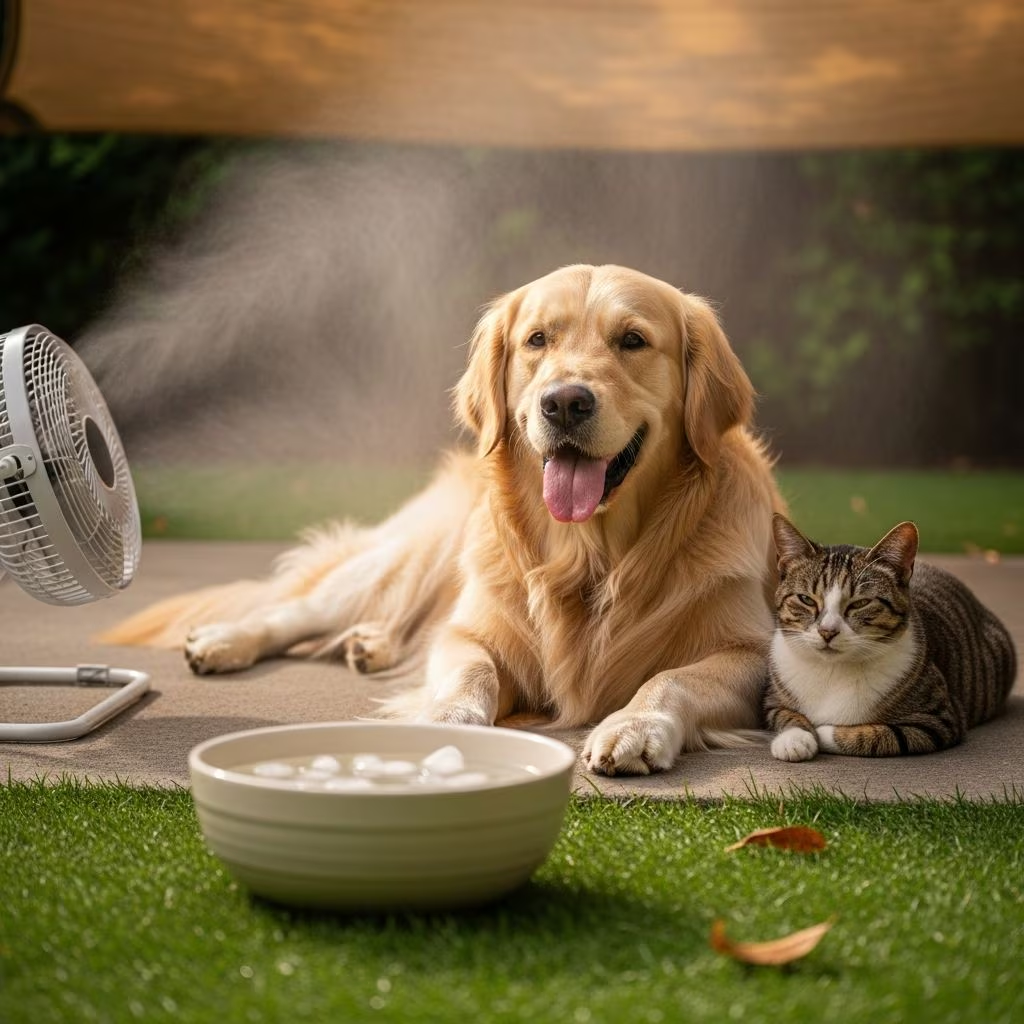
As temperatures rise during the summer months, pet owners must take special precautions to ensure their furry, feathered, and scaled companions remain safe and comfortable. The heat poses unique challenges for animals, who cannot regulate their body temperature as efficiently as humans. Whether you have dogs, cats, birds, or other pets, understanding how to protect them from excessive heat is crucial for their health and well-being.
Keep Your Pets Cool and Hydrated
One of the most critical aspects of summer pet care is maintaining proper hydration. Pets can become dehydrated surprisingly quickly when exposed to hot or humid conditions. Dehydration can lead to serious health complications, including organ damage and heat stroke.
Always ensure your pets have access to fresh, clean water at all times. Consider placing multiple water stations throughout your home and outdoor areas to encourage frequent drinking. Adding ice cubes to water bowls can make drinking more appealing and help keep the water cooler longer. During extremely hot weather, refresh water bowls regularly to maintain cool temperatures.
Beyond hydration, provide your pets with shaded areas where they can escape direct sunlight. If your pet spends time near sunny windows or on exposed porches, ensure cool, shady retreats are available. Limit outdoor time during peak heat hours—typically midday when temperatures are highest. If you must take your pet outside, schedule activities during early morning or late evening when temperatures are cooler.
Understand Heat Stroke Symptoms and Response
Recognizing the signs of heat stroke is essential for prompt emergency intervention. Heat stroke symptoms in pets include:
- Excessive panting or difficulty breathing
- Increased heart and respiratory rate
- Drooling
- Mild weakness, lethargy, or collapse
- Vomiting or diarrhea
- Glazed eyes or unresponsiveness
If your pet shows any of these symptoms, take immediate action. Move your pet to a cooler location, preferably an air-conditioned room or shaded area. Use fans to increase air circulation and apply cool (not ice-cold) water to their body using damp towels. Offer cool water or ice cubes if your pet is alert, but avoid using ice water directly on their body, as extreme temperature changes can be harmful.
Certain pets are at higher risk for heat-related illness. Animals with flat faces, such as Pugs, Bulldogs, and Persian cats, are more susceptible to heat stroke because they cannot pant as effectively. Elderly pets, overweight animals, and those with heart or lung disease also require extra protection and should be kept in air-conditioned environments as much as possible.
If you are concerned about your pet’s safety or suspect heat stroke, contact your veterinarian or the ASPCA Animal Poison Control Center immediately at 888-426-4435.
Protect Paws on Hot Surfaces
The pavement, asphalt, and sand become dangerously hot during summer and can cause serious burns to pet paws. Since dogs walk so close to the ground, their bodies heat up rapidly on hot surfaces. Additionally, the sensitive pads on their paws can suffer severe burns from hot pavement.
Limit walks when temperatures are extremely high. Before taking your dog outside, test the temperature of the pavement with your hand—if it’s too hot for you to hold your hand on it comfortably, it’s too hot for your pet’s paws. Schedule walks during cooler times of day, such as early morning or evening.
Consider using pet-specific booties to protect your dog’s paws from hot surfaces. These protective shoes prevent direct contact with scorching pavement and are particularly useful during peak heat hours. After outdoor walks, rinse your pet’s paws with cool water to remove any heat absorbed and check for signs of burning or discomfort.
Adjust Exercise and Activity Levels
While regular exercise is important for pet health, excessive activity during hot weather can be dangerous. Avoid over-exercising your pets in the heat, as this increases their risk of overheating and dehydration. During extreme heat, it may be best to keep pets indoors completely. As the saying goes, if you don’t want to be outside, your pets probably don’t either.
Change up your pet’s activity level by shifting exercise routines to cooler parts of the day. Early morning walks before the sun heats the ground and evening walks after temperatures drop are ideal. Indoor activities such as games, training sessions, and puzzle toys can provide mental stimulation without the physical strain and heat exposure of outdoor exercise.
For pets that are kept outdoors, ensure they have access to shaded areas, shelter, and constant water supply. Many outdoor pets benefit from cooling mats or damp towels during the hottest parts of the day.
Swimming Safety and Water Activities
While swimming can seem like an ideal way to cool off, it requires proper supervision and care. Supervise your pets at all times when they are near or in water. Not all pets are natural swimmers, and some may panic in water. Introduce pets to water slowly and safely, allowing them to become comfortable gradually.
If your pet swims in a pool, note that they should never drink pool water. Pool chemicals such as chlorine can upset their stomachs and cause health problems. After swimming, rinse your pet thoroughly with fresh water to remove chlorine or salt. This prevents skin irritation and reduces the risk of your pet ingesting harmful chemicals while grooming.
For beach outings, freshwater rinsing is equally important. Salt water can irritate skin and eyes, and ingestion can cause gastrointestinal upset. Always provide fresh drinking water separate from swimming water to prevent accidental consumption of salt or chlorinated water.
Grooming and Coat Management
A pet’s coat serves as natural protection against heat and sunburn, so grooming decisions are important during summer. Never completely shave your pet, despite the common misconception that removing fur helps them cool down. The layers of animals’ coats actually protect them from overheating and sunburn.
Instead, consider a seasonal trim that removes excess fur while maintaining protective layers. Ask your groomer for recommendations on cuts that keep your pet’s coat looking good while allowing better air circulation. For cats and long-haired pets, regular brushing helps remove excess fur that can trap heat and prevents matting that restricts airflow.
For pets with short or light-colored coats, sun protection is especially important. Prolonged sun exposure can lead to sunburn, which may increase the risk of skin cancer. Apply pet-safe sunscreen to exposed areas like the tips of ears and nose. Always verify that any sunscreen product is labeled specifically for use on animals, as human sunscreen may contain harmful ingredients.
Vehicle and Indoor Safety
Never leave your pet alone in a parked vehicle, especially during hot weather. A closed car can reach temperatures exceeding 100 degrees Fahrenheit within just a few minutes in the sun, creating a potentially fatal environment for pets. Heat stroke and death can occur rapidly in these conditions. This practice is illegal in most states, and violators may face serious legal consequences.
Indoors, maintain a cool environment using ceiling fans, box fans, and air conditioning. Close doors and draw curtains during the day to block out direct sunlight and contain cool air. Offering damp towels or cooling mats provides additional relief from heat.
Keep unscreened windows and doors securely closed or properly screened. Open, unscreened windows pose a serious danger to pets, particularly cats, who may fall out while trying to escape heat or reach outdoor sounds and scents. Even if your pet has never shown interest in windows, the stress and disorientation caused by extreme heat may lead them to jump unexpectedly.
Pest Prevention and Parasite Control
Summer heat creates ideal conditions for parasites like fleas, ticks, and mosquitoes. Mosquitoes are particularly concerning because they carry heartworm disease. Ensure your pet is up-to-date on heartworm prevention medication, and consider year-round preventative coverage. If your pet is not on year-round preventatives, make sure they receive testing to rule out existing infections.
Maintain regular flea and tick prevention with products recommended by your veterinarian. The warm, humid summer climate creates peak conditions for these parasites, making consistent prevention essential.
Use only pet-safe sunscreen and insect repellent products. Human products may contain harmful chemicals, and some common pesticides and insecticides are toxic to pets. Keep lawn and garden products, rodenticides, and other chemical treatments stored securely away from pets.
Special Considerations for Different Pet Types
Different pets have varying heat tolerance levels and protection needs. Brachycephalic breeds (those with flat faces) such as Pugs, Bulldogs, Persian cats, and Exotic Shorthair cats are particularly vulnerable to heat stroke due to their compromised ability to pant effectively. These pets require extra vigilance and should be kept in cool, air-conditioned environments during hot weather.
Senior pets and those with pre-existing conditions such as heart disease, lung disease, or obesity are also at increased risk and require heightened protection. Keep these pets indoors during extreme heat and monitor them closely for any signs of distress.
Frequently Asked Questions (FAQs)
Q: At what temperature should I keep my pet indoors?
A: While there’s no specific temperature threshold that applies to all pets, it’s generally recommended to keep pets indoors when temperatures are extremely hot. Most veterinarians suggest bringing pets inside when it feels too uncomfortable for you to be outside—if you wouldn’t want to be out in the heat, your pet likely wouldn’t either.
Q: Can I use human sunscreen on my pet?
A: No, you should never use human sunscreen on pets. Always use products specifically labeled for animal use, as human sunscreen may contain ingredients that are toxic to pets if ingested during grooming. Check product labels carefully before application.
Q: How often should I refresh my pet’s water bowl?
A: Refresh water bowls regularly throughout the day, especially during hot weather. In extreme heat, you may need to change water every few hours to keep it cool and fresh. Adding ice cubes can help maintain optimal water temperature.
Q: Is it safe to leave my pet outside at night during hot weather?
A: While nighttime temperatures are cooler, outdoor pets still need access to shade, fresh water, and shelter. Ensure your outdoor pet has a well-ventilated shelter, constant access to water, and protection from elements. Consider bringing outdoor pets inside during the hottest parts of the year.
Q: What should I do if my pet shows signs of heat stroke?
A: Immediately move your pet to a cool location with shade or air conditioning. Use cool (not ice-cold) water to gradually lower their body temperature, offer cool water to drink if alert, and contact your veterinarian or the ASPCA Animal Poison Control Center at 888-426-4435 right away.
Q: Can I trim my pet’s nails more frequently in summer?
A: Yes, regular nail maintenance is important year-round. Shorter nails are less likely to break and help your pet maintain better traction on hot surfaces. Include nail care in your regular grooming routine.
References
- Tips from the ASPCA to keep your pets safe during extreme heat — ABC7NY. Accessed from ASPCA pet safety advisory. https://abc7ny.com/post/aspca-pets-extreme-heat-wave/13558725/
- Summer Fun in the Sun: Hot Weather Safety Tips for Your Pets — ASPCA. https://www.aspca.org/news/summer-fun-sun-hot-weather-safety-tips-your-pets
- 5 Expert Tips to Keep Your Pet Safe This Summer — ASPCA. https://www.aspca.org/news/5-expert-tips-keep-your-pet-safe-summer
- Keeping Cool: Caring for Pets in a Heatwave — ASPCA Pet Insurance. https://www.aspcapetinsurance.com/resources/caring-for-pets-heatwave/
- Hot Weather Safety Tips: Pet Preparedness Tips — ASPCApro. https://www.aspcapro.org/sites/default/files/2024-05/hot-weather-safety-tips_english-and-spanish.pdf



