

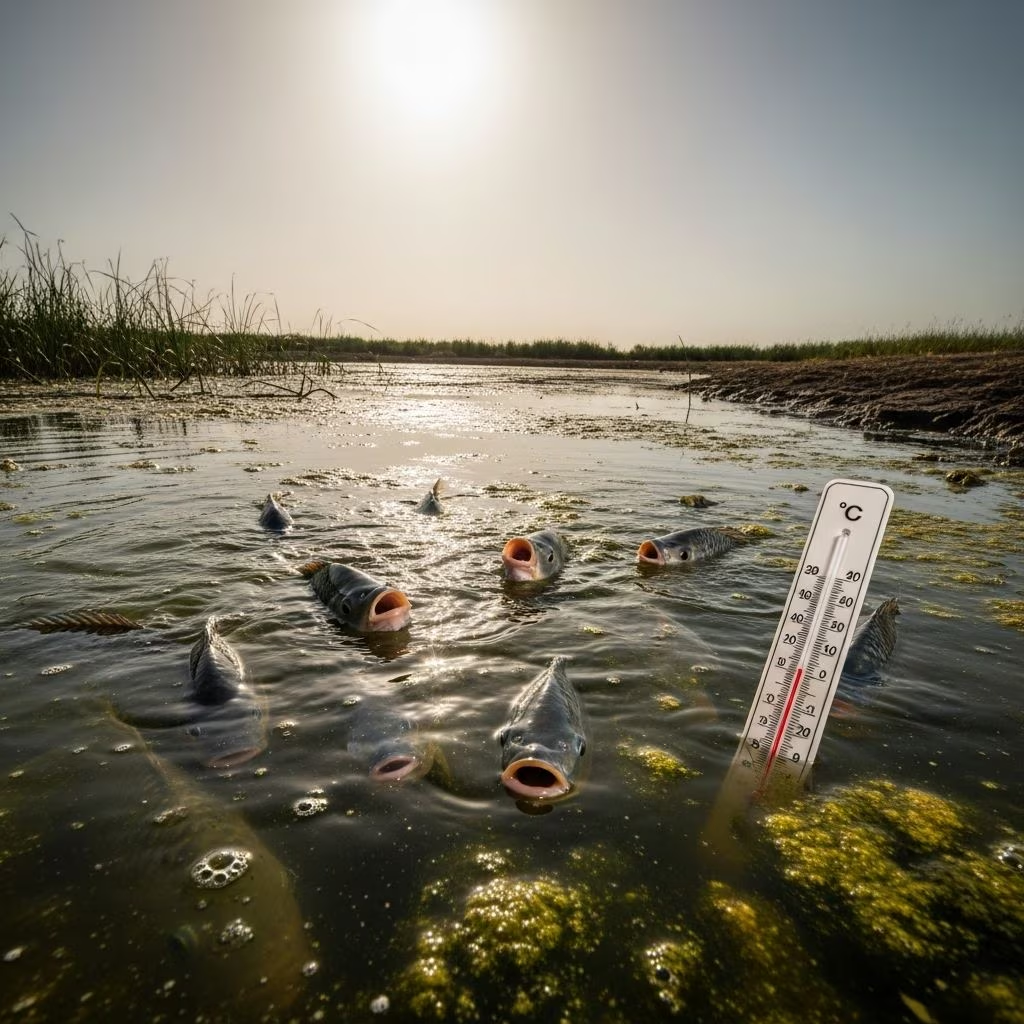
Hot Weather Issues in Fish Ponds: A Complete Management Guide
As summer temperatures rise, pond owners face unique challenges that can threaten the health and survival of their fish. Hot weather doesn’t just make water warm—it fundamentally changes the aquatic environment, creating a cascade of interconnected problems that require proactive management. Understanding these issues and implementing effective solutions is essential for maintaining a thriving pond ecosystem during the warmest months of the year.
The challenges of summer pond management are multifaceted and often compound one another. When water temperatures soar, the consequences extend far beyond simple discomfort for your fish. High temperatures reduce oxygen availability, stress fish metabolism, promote harmful algae growth, and accelerate water loss through evaporation. Each of these problems can independently threaten your pond’s ecosystem, but when they occur simultaneously, they create a perfect storm that demands careful attention and strategic intervention.
Understanding Water Temperature Fluctuations
Water temperature is perhaps the most critical factor in summer pond management. Fish are ectothermic creatures, meaning their body temperature directly reflects their environment. Unlike mammals, which maintain consistent internal temperatures, fish depend entirely on external water conditions to regulate their metabolism and bodily functions.
When water temperatures exceed the optimal range for your specific fish species, several detrimental effects occur almost immediately. Fish become lethargic, their feeding activity declines, and their growth rates slow dramatically. In extreme cases, sustained high temperatures can lead to fish death. Additionally, rapid temperature fluctuations—even more than consistently warm water—shock the fish’s system and compromise their immune function, making them vulnerable to disease and infection.
The Science Behind Heat Stress
Temperature stress fundamentally alters fish physiology. Their metabolic rate increases with heat, demanding more food and more oxygen than they would require in cooler conditions. Simultaneously, the water’s capacity to hold dissolved oxygen decreases as temperatures rise, creating a dangerous mismatch between demand and supply. This physiological stress weakens their immune system, making them more susceptible to parasites, fungal infections, and bacterial diseases that thrive in warm water conditions.
Oxygen Depletion: The Silent Killer
Oxygen depletion stands as one of the most dangerous consequences of hot weather in fish ponds. The relationship between water temperature and dissolved oxygen is inverse and dramatic: warm water simply cannot hold as much dissolved oxygen as cool water. This occurs during precisely the time when fish need oxygen most, as their increased metabolic activity demands greater oxygen consumption.
The problem intensifies during early morning hours before photosynthesis begins. Throughout the night, aquatic plants and algae respire rather than produce oxygen, consuming existing dissolved oxygen reserves. When dawn arrives and photosynthesis begins, it temporarily replenishes oxygen levels. However, in ponds with excessive algae or organic debris, nighttime oxygen depletion can become severe enough to cause fish kills before sunrise.
Signs of Inadequate Oxygen Levels
Watch for these telltale indicators that your fish aren’t receiving sufficient oxygen:
- Fish gasping at the water surface
- Fish congregating near water features like fountains or waterfalls
- Unusual lethargy or reduced activity among your fish
- Fish spending excessive time at the surface rather than throughout the water column
- Sudden fish deaths, particularly early in the morning
Algae Blooms and Their Impact
Hot weather creates ideal conditions for algae proliferation. Warm water, combined with increased sunlight and nutrients from fish waste, creates a perfect environment for algal growth. While some algae is normal and beneficial in pond ecosystems, excessive algae blooms create multiple problems.
Dense algae blooms block sunlight from reaching submerged plants, preventing them from producing oxygen. Additionally, when algae eventually dies and decomposes, the decomposition process consumes enormous quantities of dissolved oxygen, further depleting this critical resource. The cycle becomes self-perpetuating: as oxygen depletes, water quality deteriorates, conditions favor additional algae growth, and the problem intensifies.
Water Loss Through Evaporation
Evaporation is often overlooked but represents a significant summer challenge. Shallow ponds exposed to direct sunlight can lose an inch or more of water weekly during hot weather. This water loss concentrates any pollutants and excess nutrients remaining in the pond, degrading water quality and stressing fish populations.
Lower water levels create additional problems beyond simple concentration of pollutants. Reduced water volume means less thermal mass, causing temperatures to fluctuate more dramatically. Additionally, low water levels can expose pond liners and infrastructure, potentially allowing predator access to your fish and creating pathways for escape.
Thermal Stratification: Layered Problems
A phenomenon called thermal stratification frequently occurs in ponds during summer heat. The surface water heats rapidly and becomes less dense, creating a warm upper layer that remains separate from cooler, denser water below. This stratification prevents natural water circulation and oxygen distribution.
The consequence is severe: oxygen-depleted zones develop in lower layers where fish cannot access oxygenated surface water. Simultaneously, the warm upper layer encourages phytoplankton growth, creating the green tint visible in many summer ponds. These single-celled algae further compromise water clarity and quality.
Practical Solutions for Temperature Management
Provide Strategic Shade
Shade represents your first line of defense against excessive heat. Natural shading from established trees provides excellent protection, but not all ponds have mature vegetation. Consider these alternatives:
- Plant water lilies and other floating aquatic plants to shade the water surface
- Install shade cloths or shade sails specifically designed for ponds
- Use artificial covers made from permeable fabric that allows water interaction while blocking sunlight
- Plant shrubs and bushes around the pond perimeter to provide gradual shading
Install Aeration Systems
Proper aeration addresses multiple summer challenges simultaneously. Aeration systems enhance water circulation, preventing thermal stratification while simultaneously introducing oxygen into the water. Different aeration options include:
- Surface aerators that churn the water surface
- Diffused air systems that introduce fine bubbles from the pond bottom
- Fountains that combine aesthetic appeal with functional aeration
- Waterfalls that provide both oxygenation and visual circulation
Monitor Water Levels Carefully
Regular monitoring and maintenance of water levels prevents the concentration of pollutants and reduces temperature fluctuations. When topping off your pond:
- Add water gradually to avoid shocking fish with sudden temperature or chemistry changes
- Use rainwater harvesting systems when possible to avoid chemical additives
- If using tap water, treat it with dechlorination products to remove harmful chemicals
- Check water levels daily during peak heat
Oxygen Management Strategies
Install and Maintain Proper Aeration
Aeration is non-negotiable during hot weather. The investment in an aerator pays dividends by preventing fish kills and maintaining water quality. Aerators work by increasing water surface exposure to air and circulating oxygen-rich water throughout the pond. They also provide year-round benefits, helping maintain water quality during winter months as well.
Reduce Organic Waste
Excess organic matter consumes oxygen as it decomposes. Prevent organic waste accumulation by:
- Avoiding overfeeding your fish
- Removing uneaten food promptly after feeding
- Regularly removing fallen leaves and debris from the pond
- Cleaning biological filters regularly to prevent organic buildup
- Using pond skimmers to remove surface debris before it sinks
Fish Feeding During Hot Weather
Summer heat fundamentally changes fish metabolism and feeding requirements. While fish become more active and consume more food when temperatures rise, overfeeding creates severe water quality problems that actually harm your fish more than the extra nutrition helps them.
Proper Summer Feeding Practices
During hot weather, adjust your feeding strategy:
- Feed smaller portions more frequently rather than one large feeding
- Use high-quality, easily digestible food that minimizes waste
- Remove all uneaten food within 15-20 minutes of feeding
- Avoid automatic feeders that can lead to overfeeding
- Monitor fish response and adjust quantities based on appetite
Heavy feeding during summer creates excess nutrients that fuel algae blooms and organic waste that depletes oxygen. The temporary nutrition gain from overfeeding is far outweighed by the water quality degradation that follows.
Water Quality Testing and Monitoring
Proactive monitoring is essential during summer heat. Regular water quality testing allows you to identify problems before they become emergencies. Test for these critical parameters weekly during summer:
- Dissolved oxygen levels (should remain above 5 mg/L for most fish)
- Water temperature (track daily highs and lows)
- pH levels (sudden changes indicate problems)
- Ammonia and nitrite (should remain at zero)
- Nitrate levels (higher values indicate excess nutrients)
Algae Control and Prevention
Natural Algae Management
Rather than relying on chemical algaecides that can harm beneficial organisms and disrupt pond ecology, employ natural control methods:
- Increase shade to reduce sunlight reaching algae
- Use pond dyes to limit light penetration while maintaining water clarity
- Introduce beneficial bacteria that compete with algae for nutrients
- Add aquatic plants that outcompete algae for nutrients
- Maintain proper fish density to prevent excess nutrient buildup
Maintain Beneficial Bacteria Populations
Beneficial bacteria break down organic waste and help maintain water quality. Support these populations by:
- Regularly maintaining and cleaning biological filters
- Adding bacterial supplements during peak heat when populations are stressed
- Avoiding chemical treatments that kill beneficial organisms
- Maintaining adequate oxygen levels for bacterial function
Emergency Measures for Extreme Heat
When temperatures reach dangerous levels, emergency interventions become necessary. If your fish show signs of severe stress, implement these measures immediately:
- Increase aeration to maximum capacity
- Perform partial water changes with cooler water to lower overall temperature
- Maximize shade immediately using temporary covers if necessary
- Reduce feeding to minimum levels or cease feeding temporarily
- Increase monitoring frequency to hourly checks
Year-Round Maintenance Benefits
Proper year-round pond maintenance dramatically eases the burden of summer management. Ponds that receive consistent care throughout the year have stronger ecosystems better equipped to handle heat stress. Maintain your pond during spring and fall to establish a foundation of balanced water chemistry and healthy biological populations before summer arrives.
Pond Depth and Structural Considerations
Pond depth significantly affects summer management. Ponds that are at least 2 feet deep maintain more stable temperatures and prevent thermal stratification better than shallow ponds. When designing or modifying ponds, prioritize adequate depth to create thermal stability. Deeper ponds also provide cooler refuge zones where fish can escape surface heat when necessary.
Predator Management During Summer
As water levels drop through evaporation and water loss accelerates, predators gain easier access to your pond. Maintain adequate water levels and consider protective netting to prevent losses during hot weather when fish are already stressed. Herons, raccoons, and other predators are particularly active during summer months when natural food sources are abundant but your pond offers easy hunting.
Planning and Preparation
The best time to address summer heat challenges is before summer arrives. Inspect and maintain your aeration systems in spring, repair any damage to pond liners or covers, and establish shade structures before temperatures peak. This proactive approach prevents emergencies and allows you to manage challenges strategically rather than reactively.
Frequently Asked Questions
Q: What is the ideal temperature range for most pond fish?
A: Most common pond fish thrive in temperatures between 65-72°F (18-22°C). Temperatures consistently above 75°F (24°C) begin causing stress, while temperatures above 85°F (29°C) become dangerous for most species.
Q: How often should I check my pond during hot weather?
A: During peak summer heat, daily monitoring is recommended. Check early morning and evening temperatures, observe fish behavior, and assess water level changes. Weekly water quality testing of oxygen, pH, and ammonia is essential.
Q: Can I use ice or cold water to cool my pond?
A: Large-scale cooling with ice is impractical. Instead, focus on shade, aeration, and water circulation. Adding small amounts of cooler water during early morning hours can provide gradual temperature relief without shocking fish.
Q: What should I do if I find dead fish in my pond?
A: Remove deceased fish immediately and test water quality thoroughly. Dead fish indicate serious problems like oxygen depletion or toxic water conditions. Implement emergency aeration and water testing to identify the cause.
Q: Is it safe to use chemical algaecides in my pond?
A: Chemical algaecides can harm fish and beneficial organisms while disrupting pond ecology. Natural alternatives like shade, beneficial bacteria, and aquatic plants are safer and more sustainable for maintaining water quality.
Q: How much water loss is normal during summer?
A: Losing up to 1 inch weekly is typical in hot weather, especially with fountains or waterfalls. Monitor weekly levels and top off gradually. If losses exceed 1.5 inches weekly, check for leaks and inspect the pond structure.
References
- Common Summer Pond Problems and How to Solve Them — Slade’s Fish Hatchery. 2025-05-15. https://sladesfishhatchery.net/common-summer-pond-problems-and-how-to-solve-them/
- Managing Large Landscape Ponds During the Summer: Key Maintenance Issues and Solutions — Midwest Ponds. 2025. https://midwestponds.com/blogs/midwestponds-blog/managing-large-landscape-ponds-during-the-summer
- Protect and Keep Your Pond Cool In Summer — Healthy Ponds. 2025. https://healthyponds.com/protecting-your-pond-from-heat/
- 10 Tips for Protecting Fish from Summer Heat — Splash Supply Co. 2025. https://splashsupplyco.com/how-do-i-keep-my-pond-healthy-in-high-temperatures/
- Warm Season Fish Pond Management — University of Florida IFAS Extension. 2013-06-28. https://nwdistrict.ifas.ufl.edu/phag/warm-season-fish-pond-management/
- 6 Tips to Prevent Summer Fish Kills & Improving Pond Water Quality — Solitude Lake Management. 2025. https://www.solitudelakemanagement.com/6-tips-prevent-summer-fish-kills-and-improving-pond-water-quality/
- High Heat and Dry Conditions Can Put Fish Ponds at Risk — University of Missouri Extension. 2025. https://extension.missouri.edu/news/high-heat-and-dry-conditions-can-put-fish-ponds-at-risk



