

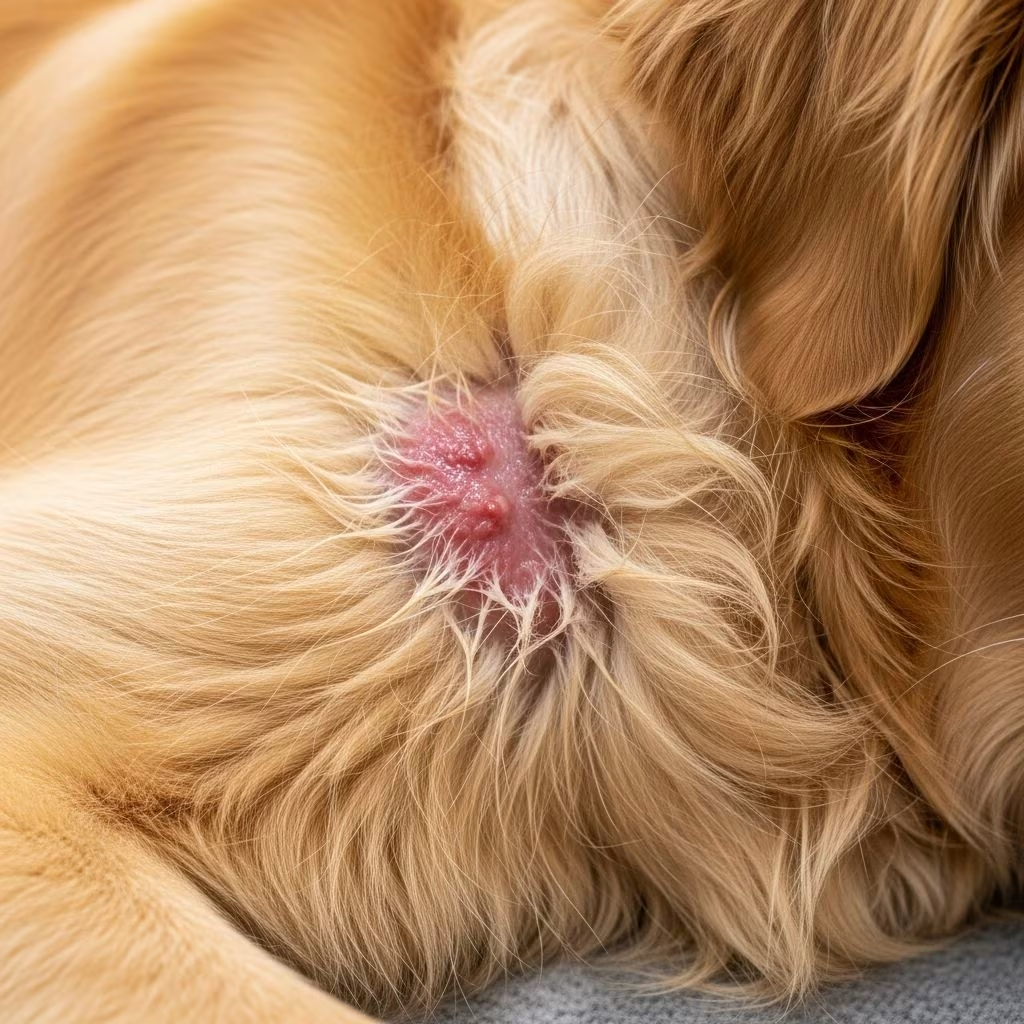
Hot spots, medically termed acute moist dermatitis or pyotraumatic dermatitis, represent sudden, painful skin conditions in dogs characterized by red, inflamed, oozing areas that can expand rapidly if untreated. These lesions arise from self-trauma where dogs excessively lick, chew, or scratch, exacerbating irritation into infection.
Understanding the Nature of Canine Hot Spots
These skin issues manifest as warm, moist patches often hidden under fur, emitting a foul odor due to bacterial overgrowth. They typically emerge in warm, humid conditions or after water exposure, thriving in environments where moisture lingers against the skin. The cycle begins with mild itchiness prompting compulsive behavior, leading to broken skin and secondary bacterial invasion, commonly by Staphylococcus species.
Primary Causes Behind Hot Spots
Several factors contribute to hot spot development, often interconnected. Key triggers include:
- Excessive moisture: Thick-coated breeds retain water post-swim or rain, fostering bacterial growth in matted fur.
- Allergies and sensitivities: Food, environmental allergens, or flea bites provoke intense itching, especially in breeds like Bulldogs or Retrievers.
- Parasite infestations: Fleas, mites, or ticks irritate skin, prompting licking that evolves into hot spots.
- Anal gland issues: Impacted glands lead to scooting and chewing near the tail base.
- Boredom or stress: Idle dogs may lick paws or flanks excessively, creating sores.
Breeds with dense fur such as Golden Retrievers, Labradors, and German Shepherds face higher risks due to poor drying and coat structure. Hot weather amplifies vulnerability by increasing humidity and grooming neglect.
Common Locations and Visible Signs
Hot spots favor areas accessible for self-mutilation and moisture-prone zones. Frequent sites include:
| Body Area | Why Common | Typical Signs |
|---|---|---|
| Head and ears | Ear infections or allergies | Red, weepy patches with hair loss |
| Neck and chest | Trapped saliva from licking | Oozing sores, foul smell |
| Hips and tail base | Anal gland problems | Raw, painful lesions |
| Legs and paws | Boredom licking | Swollen, infected areas |
Early indicators feature redness and warmth; progression brings pus, crusting, and rapid enlargement—sometimes doubling in 24 hours. Dogs exhibit distress: whining, aggression when touched, or lethargy if systemic infection sets in.
When to Seek Veterinary Intervention
Not all hot spots resolve at home; prompt vet evaluation prevents complications. Rush to a professional if:
- The lesion exceeds quarter-size or spreads quickly.
- Foul odor, colored discharge, or bleeding persists.
- Proximity to eyes, ears, or throat risks deeper issues.
- Your dog shows fever, appetite loss, or extreme pain.
Underlying allergies or hypothyroidism demand diagnostics like skin scrapes or bloodwork.
Step-by-Step Home Management
For mild cases, initial steps can halt progression while awaiting vet advice:
- Clip surrounding fur: Use blunt scissors to expose the area, promoting airflow.
- Gentle cleansing: Rinse with cool water and vet-approved antiseptic; avoid hydrogen peroxide.
- Apply topical relief: Hydrocortisone sprays or antibiotic ointments soothe and protect.
- Prevent access: Fit an E-collar to block licking.
- Monitor closely: Note changes hourly; escalate if worsening.
Never use human products without consultation, as they may irritate further.
Professional Treatment Protocols
Veterinarians employ a multi-faceted approach:
- Debridement: Shaving and cleaning to remove debris.
- Medications: Oral antibiotics for infection, anti-inflammatories or steroids for swelling.
- E-collar mandate: Essential for healing.
- Addressing roots: Flea control, hypoallergenic diets, or allergy testing.
Severe instances may require sedation or drains for deep infections. Recovery spans 7-14 days with compliance.
Proven Prevention Strategies
Proactive measures minimize recurrence:
- Regular grooming: Brush daily, especially thick coats, to prevent mats.
- Thorough drying: Towel off post-bath or swim, using fans for dense fur.
- Flea vigilance: Monthly preventives year-round.
- Allergy management: Omega-3 supplements, medicated shampoos.
- Enrichment: Toys and exercise curb boredom licking.
- Diet oversight: High-quality food avoids sensitivities.
Seasonal vigilance in summer proves crucial.
Potential Complications and Long-Term Care
Untreated hot spots risk chronic dermatitis, scarring, or sepsis. Recurrent cases signal deeper issues like atopy, warranting immunotherapy. Track patterns in a journal for vet discussions.
Frequently Asked Questions (FAQs)
What breeds are most prone to hot spots?
Thick-coated breeds like Golden Retrievers, Labradors, and Newfoundlands, plus allergy-prone ones such as Bulldogs.
Can I treat a hot spot without a vet?
Mild ones yes, with clipping and cleaning, but vet assessment ensures no underlying problems.
How long do hot spots take to heal?
Typically 10-14 days with proper care; faster intervention speeds recovery.
Do hot spots only occur in summer?
No, but heat and humidity heighten risks; indoor moisture or allergies trigger anytime.
Is over-the-counter cream safe?
Consult a vet first; inappropriate use worsens conditions.
Conclusion: Empowering Pet Owners
Armed with knowledge, owners can swiftly address hot spots, restoring comfort. Vigilance and routine care form the best defense against these vexing issues.
References
- Dog Skin Care: Hot Weather and Hot Spots — Cincinnati Family Vet. 2023. https://www.cincinnatifamilyvet.com/services/dogs/blog/dog-skin-care-hot-weather-and-hot-spots
- Hot Spots in Dogs: Recognizing a Veterinary Emergency — GSVS. 2023. https://gsvs.org/blog/hot-spots-in-dogs-emergency/
- Hot Spots on Dogs: Causes, Treatment, and Home Remedies — PetMD. 2024. https://www.petmd.com/dog/general-health/hot-spots-dogs
- Hot spots — Cornell University College of Veterinary Medicine. 2023. https://www.vet.cornell.edu/departments-centers-and-institutes/riney-canine-health-center/canine-health-topics/hot-spots
- Hot Spots in Dogs — VCA Animal Hospitals. 2024. https://vcahospitals.com/know-your-pet/hot-spots-in-dogs



