

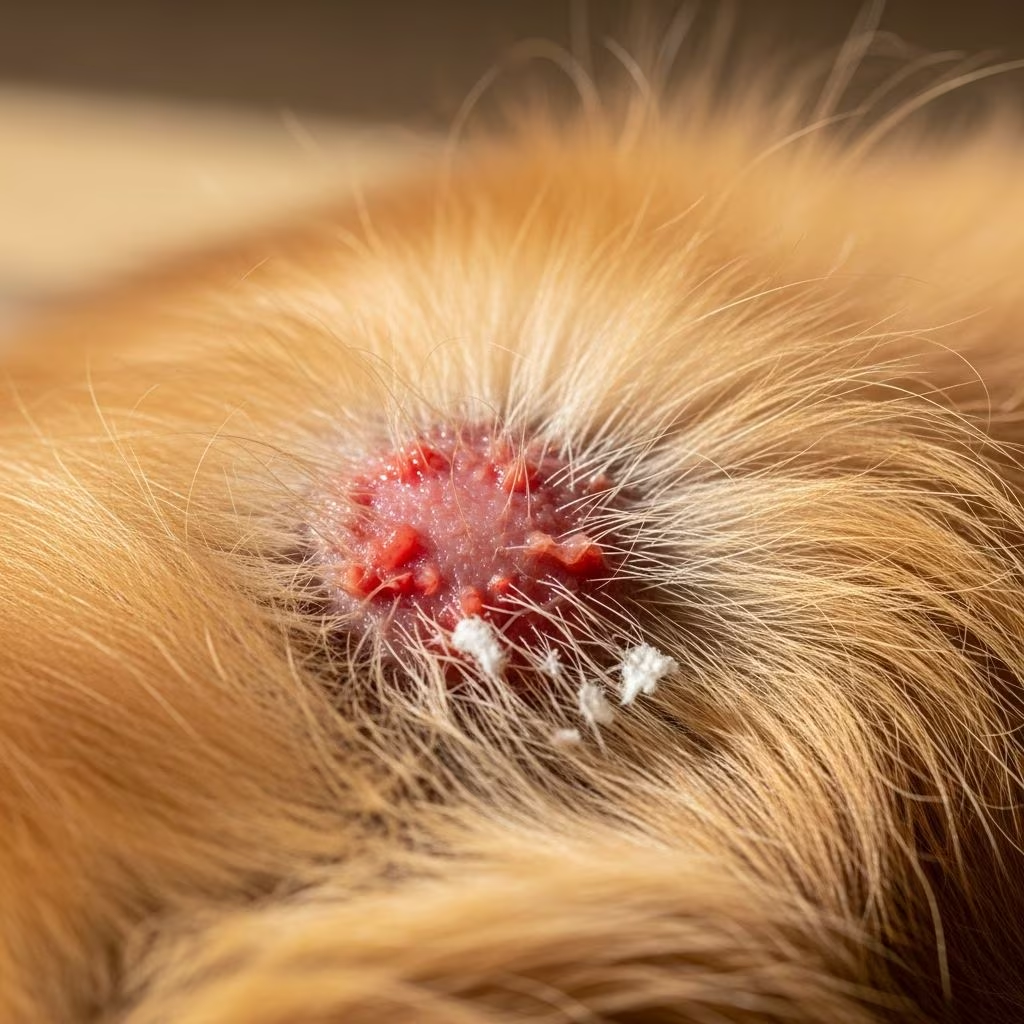
Understanding Hot Spots on Dogs
Hot spots, medically known as acute moist dermatitis, are painful areas of skin inflammation and infection that commonly affect dogs. These lesions appear as red, moist, and irritated patches that can cause significant discomfort to your pet. The condition gets its name from the warmth generated by the inflammatory process occurring in the affected skin area. Hot spots can develop suddenly and worsen rapidly if left untreated, as dogs tend to lick, scratch, and chew at the irritated area, creating a self-perpetuating cycle of itching and trauma.
Understanding hot spots is crucial for dog owners because early detection and intervention can prevent serious infections and reduce your dog’s suffering. These lesions can occur anywhere on the body but are most commonly found on the face, neck, limbs, and hip areas. Certain dog breeds, including Labrador Retrievers, Golden Retrievers, English Bulldogs, and German Shepherds, are predisposed to developing hot spots due to their genetic susceptibility to skin conditions.
Identifying Hot Spot Symptoms
Recognizing the symptoms of hot spots early is essential for prompt treatment. Hot spots are often easy to identify once you know what to look for. Common signs and symptoms include:
- Red, inflamed patches of skin that appear suddenly
- Moist or oozing lesions with discharge
- Excessive licking, scratching, or chewing in one localized area
- Scabbing or crusty skin around the affected region
- Hair loss or matted hair surrounding the hot spot
- Sensitivity or pain when the area is touched
- Foul odor emanating from the infected site
- Warm skin to the touch at the affected area
The foul odor is typically the last symptom to develop and indicates a secondary bacterial infection. If you notice any of these symptoms, it’s important to examine the area closely and contact your veterinarian promptly to prevent the condition from worsening.
Common Causes of Hot Spots in Dogs
Hot spots don’t develop spontaneously; they result from an underlying issue or trigger that causes your dog to scratch or lick excessively. Understanding the root cause is key to managing your pet’s discomfort and preventing future occurrences.
Allergies
Allergies are among the most common culprits behind hot spot development in dogs. Seasonal allergies triggered by environmental allergens such as pollen, mold, dust mites, and grass can make a dog’s skin incredibly itchy. Food allergies and sensitivities can also contribute to the itching cycle. When a dog’s skin becomes irritated from allergic reactions, the resulting urge to scratch can quickly lead to self-trauma and hot spot formation. Dogs with flea allergy dermatitis are particularly susceptible, as even a single flea bite can trigger intense scratching and licking behavior.
Insect Bites and Parasites
Fleas, ticks, mites, mosquitoes, and other insects can irritate a dog’s skin and trigger a strong urge to scratch. Parasitic infestations create an environment conducive to hot spot development, especially in dogs with sensitive skin or flea allergy dermatitis. The irritation from insect bites, combined with your dog’s natural response to scratch, can rapidly escalate into a full-blown hot spot.
Skin Irritations and Environmental Factors
Various irritants can trigger localized skin reactions that lead to hot spots. Grooming products, contact with rough surfaces, moisture trapped under collars or harnesses, and poor coat maintenance can all contribute to skin irritation. Excessive moisture from swimming or bathing, particularly when the coat isn’t properly dried, creates an environment where bacteria thrive. Once the irritation begins, your dog’s natural instinct to relieve the itch by scratching and licking worsens the condition.
Excessive Licking and Self-Trauma
Interestingly, excessive licking itself can be a primary cause of hot spots. Dogs may lick excessively due to anxiety, stress, boredom, or pain from other conditions. The repetitive licking damages the skin barrier, allowing bacteria to colonize the area and create an infection. This self-perpetuating cycle—where the bacterial infection causes more itching, leading to more licking—can rapidly develop into a serious hot spot.
Anal Sac Disease
Sometimes hot spots appear on areas seemingly unrelated to the actual problem. For example, a dog with anal sac disease or ear infections may scratch excessively at distant areas, creating hot spots. A dog experiencing discomfort from an ear infection might scratch their cheek or head area so vigorously that they create a hot spot on that secondary site.
Risk Factors and Breed Predisposition
Certain factors increase your dog’s susceptibility to developing hot spots. Double-coated breeds with dense fur are more prone to moisture retention and hot spot formation. Dogs with a history of allergies, particularly those with atopic dermatitis, face elevated risk. Additionally, dogs that spend significant time in humid environments or engage in frequent swimming without proper drying are more susceptible. Age can also play a role, with middle-aged and older dogs sometimes showing increased incidence.
Hot Spot Treatment Options
Treatment for hot spots typically involves a combination of home care and professional veterinary intervention. The most effective approach addresses both the hot spot itself and the underlying cause that triggered its development.
Veterinary Treatment
Professional veterinary care is essential for effectively treating hot spots, especially severe cases. Your veterinarian will likely employ several treatment strategies:
- Clipping hair away from the hot spot and surrounding area to allow proper air circulation and wound healing
- Gentle cleaning of the affected area using antiseptic solutions such as chlorhexidine
- Prescribing topical medications including antibiotic ointments or anti-itch sprays
- Administering oral antibiotics to treat secondary bacterial infections
- Prescribing oral steroids or antihistamines to control inflammation and decrease itching
- Sedating your dog during treatment if the area is too painful to touch
- Diagnosing and treating underlying conditions like allergies or parasites
The veterinarian will determine the most appropriate treatment based on the hot spot’s severity, location, and underlying cause. Many dogs benefit from a recovery cone (Elizabethan collar) to prevent further self-trauma during healing.
Home Care and Management
While professional veterinary care is essential, several home care strategies can support healing and prevent worsening:
- Keep the area clean and dry by gently cleaning with warm water
- Discourage your dog from licking or scratching the spot through distraction and supervision
- Apply veterinary-recommended hot spot sprays that are safe if ingested
- Use a recovery cone to limit self-trauma and provide physical protection
- Monitor the area daily for signs of improvement or deterioration
- Maintain proper hygiene around the affected area
- Ensure your dog’s bedding is clean and dry
Underlying Cause Management
Preventing recurrent hot spots requires addressing the underlying cause. If allergies are responsible, your veterinarian may recommend allergy testing, dietary changes, or antihistamines. For parasite-related hot spots, establishing a consistent flea and tick prevention protocol is crucial. Dogs with ear infections or anal sac disease need treatment for those conditions to prevent future hot spot formation.
When to Seek Immediate Veterinary Care
While minor hot spots might improve with home care, certain situations demand immediate professional attention. You should contact your veterinarian urgently if:
- The hot spot is increasing in size despite treatment efforts
- The area is consistently bleeding or showing colored discharge
- A foul odor is present, indicating bacterial infection
- Your dog is in significant pain or won’t allow you to touch the area
- The condition is not improving after three to five days of home treatment
- Your dog cannot stop licking or scratching the spot despite your efforts
- The hot spot covers a large area of the body
Prevention Strategies
Preventing hot spots is far easier than treating them. Implement these preventive measures to reduce your dog’s risk:
- Maintain a regular grooming schedule to keep your dog’s coat healthy and mat-free
- Establish consistent flea and tick prevention year-round
- Dry your dog thoroughly after swimming or bathing
- Manage allergies with your veterinarian’s guidance through diet or medication
- Keep your dog’s bedding clean and dry
- Ensure proper fit of collars and harnesses to prevent friction
- Provide adequate exercise and mental stimulation to reduce stress-related licking
- Have regular veterinary check-ups to catch potential issues early
Frequently Asked Questions
Q: How quickly can hot spots develop on dogs?
A: Hot spots can develop surprisingly quickly, sometimes appearing and worsening within hours to days if your dog is scratching intensely. This rapid progression is why early intervention is crucial.
Q: Can I treat a hot spot completely at home without veterinary care?
A: While minor cases might improve with home care, professional veterinary treatment is recommended to prevent infection and address underlying causes. Attempting to treat severe hot spots at home can lead to complications.
Q: How long does it take for a hot spot to heal?
A: With proper treatment, most hot spots begin improving within one to two weeks. However, complete healing can take several weeks depending on severity and whether the underlying cause is addressed.
Q: Are certain dog breeds more prone to hot spots?
A: Yes, breeds like Labrador Retrievers, Golden Retrievers, German Shepherds, and English Bulldogs are genetically predisposed to hot spots and other skin conditions.
Q: What should I use to clean a hot spot at home?
A: Use only veterinary-recommended antiseptic solutions or sprays specifically formulated for hot spots. Your veterinarian can recommend safe, effective products.
Q: Can stress cause hot spots in dogs?
A: Yes, stress and anxiety can trigger excessive licking behavior, which can lead to hot spot formation. Providing adequate exercise and mental stimulation helps reduce stress-related hot spots.
References
- Hot Spots on Dogs: Causes, Symptoms, & Effective Treatments — Maple Grove Pet Hospital. 2024. https://maplegrovepethospital.com/blog/hot-spots-on-dogs-causes-and-treatments/
- Hot Spots on Dogs: Signs, Treatment, and Prevention — American Kennel Club. 2024. https://www.akc.org/expert-advice/health/hot-spots-on-dogs/
- Hot Spots on Dogs: Causes, Treatment, and Home Remedies — PetMD. 2024. https://www.petmd.com/dog/general-health/hot-spots-dogs
- That Itches! A Guide to Canine Hot Spots — Virginia Tech Veterinary Teaching Hospital. 2024. https://vth.vetmed.vt.edu/animal-care-tips/vetmed-pet-canine-hot-spots.html
- Hot Spots in Dogs — VCA Animal Hospitals. 2024. https://vcahospitals.com/know-your-pet/hot-spots-in-dogs



