

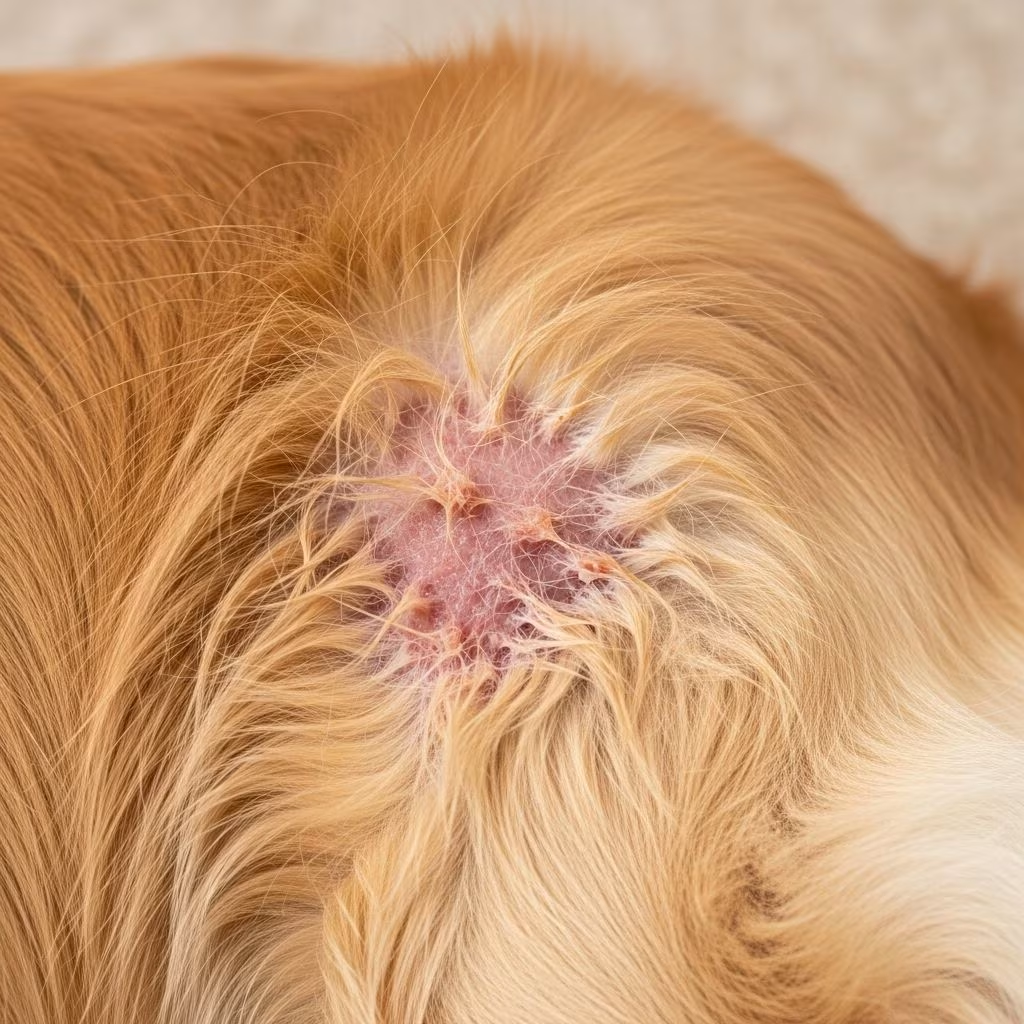
Hot spots, also known as acute moist dermatitis, represent a common yet distressing skin condition in dogs, characterized by rapidly developing, inflamed, and infected patches of skin. These lesions arise when a dog’s self-inflicted trauma from excessive licking, scratching, or chewing compromises the skin barrier, allowing normal skin bacteria to proliferate uncontrollably in the warm, moist environment created.
Understanding the Nature of Canine Hot Spots
At their core, hot spots form through a vicious cycle of irritation and infection. An initial trigger prompts the dog to traumatize the skin, breaking its natural defenses. Bacteria, primarily Staphylococcus intermedius, then invade, producing enzymes and toxins that exacerbate inflammation and tissue damage. The result is a red, oozing, painful area that can expand from a small spot to several inches in diameter within 24 hours if untreated.
These lesions feel warm to the touch—hence the name “hot spots”—and often emit a foul odor due to secondary bacterial overgrowth. They most frequently appear on areas accessible to the dog’s mouth or paws, such as the head, neck, limbs, hips, and tail base.
Primary Triggers Behind Hot Spot Development
Several factors initiate the self-trauma leading to hot spots. Recognizing these helps in prevention and targeted management.
Seasonal and Environmental Influences
Warm, humid weather promotes hot spots by trapping moisture in a dog’s coat, especially in breeds with thick or dense fur like Golden Retrievers or German Shepherds. Activities such as swimming or exposure to rain exacerbate this by keeping the skin damp, fostering bacterial growth.
Allergic Reactions
- Environmental allergens: Pollen, mold, dust mites, and grass provoke intense itching, particularly on paws, belly, and face, leading to compulsive licking.
- Food sensitivities: Reactions to proteins like chicken, beef, dairy, or grains cause widespread inflammation and scratching.
- Contact irritants: Fabrics, cleaning agents, lawn treatments, or plastic bowls trigger localized reactions.
Parasite Infestations
Flea bite hypersensitivity, where even one flea bite elicits an extreme allergic response to saliva, stands out as a leading cause. Other insects like mosquitoes, ants, or bees contribute similarly through painful bites that dogs obsessively groom.
Infections and Pain-Related Behaviors
Ear infections often lead to hot spots on the neck, cheeks, or behind the ears as dogs scratch vigorously. Bacterial or yeast overgrowth in ears produces discharge that contaminates nearby skin. Similarly, anal gland issues prompt scooting and chewing around the rear, while joint pain from arthritis causes licking on legs and paws.
Behavioral and Underlying Health Factors
Boredom, anxiety, or compulsive disorders manifest as excessive licking. Immune-mediated diseases like pemphigus weaken skin barriers, increasing susceptibility.
Recognizing Symptoms Early
Early detection prevents escalation. Watch for:
- Sudden red, moist patches on the skin.
- Hair loss and matted fur around the lesion.
- Intense licking, chewing, or scratching.
- Warmth, swelling, pain, and possible pus or foul smell.
- Behavioral changes like restlessness or whining.
If the area bleeds, discharges colored fluid, or grows despite home care, seek veterinary attention immediately.
Professional Treatment Strategies
Veterinarians address hot spots through a multi-step approach focusing on cleaning, infection control, and preventing further trauma.
| Step | Description | Purpose |
|---|---|---|
| Clipping and Cleaning | Shave surrounding fur; wash with antiseptic solution. | Removes moisture-trapping hair, exposes area to air for drying. |
| Medications | Oral antibiotics, anti-inflammatory steroids, topical sprays. | Fights bacteria, reduces swelling and itch. |
| Elizabethan Collar (Cone) | Prevents access to the site. | Breaks the lick-scratch cycle. |
| Underlying Cause Therapy | Flea preventives, allergy meds, ear treatments. | Prevents recurrence. |
Treatment duration varies; mild cases improve in days, severe ones may need 7-10 days with follow-up.
Home Care and Supportive Measures
While awaiting vet care or for mild cases:
- Gently clean with diluted antiseptic like chlorhexidine.
- Apply vet-recommended topical ointments.
- Use a cone or sock alternative to block access.
- Medicated baths with oatmeal shampoos soothe itch.
Avoid human products, as they can worsen irritation.
Preventing Future Hot Spots
Proactive steps reduce risk:
- Maintain year-round flea control.
- Regular grooming to remove mats and improve airflow.
- Dry thoroughly after baths or swims.
- Manage allergies via hypoallergenic diets or testing.
- Address ear and anal gland issues promptly.
- Provide mental stimulation to curb boredom licking.
Breeds at Higher Risk
Long-haired or thick-coated breeds like Retrievers, Shepherds, and Huskies face elevated risks due to moisture retention. Single-coated breeds with allergies, such as Bulldogs, also suffer frequently.
When to Escalate to Emergency Care
Hot spots can signal deeper issues. Rush to the vet if:
- The lesion spreads rapidly or exceeds 2 inches.
- There’s systemic lethargy, fever, or refusal to eat.
- Multiple spots appear simultaneously.
- Your dog shows neurological signs from ear involvement.
Frequently Asked Questions (FAQs)
Can hot spots heal on their own?
Rarely; without intervention, they worsen due to ongoing trauma and infection. Vet care accelerates healing.
How long do hot spots take to heal?
With treatment, 5-14 days. Prevention of licking is key.
Are hot spots contagious?
No, but poor hygiene can spread bacteria to other pets or humans indirectly.
What home remedies work best?
Antiseptic washes and cones; always consult a vet first.
Do all dogs get hot spots?
No, but allergy-prone or heavy-coated dogs are most susceptible.
Long-Term Management for Chronic Cases
Dogs with recurrent hot spots often have allergies or sensitivities. Diagnostic steps include skin scrapes, cytology, allergy testing, or elimination diets. Long-term plans may involve immunotherapy, prescription diets, or daily antihistamines.
Regular vet check-ups monitor progress and adjust preventives seasonally.
References
- What Causes Hot Spots on Dogs – Insight Veterinary Wellness Center — Insight Vet Wellness. 2023. https://insightvetwellness.com/skin-ears/what-causes-hot-spots-on-dogs-6-common-causes-to-watch-out-for/
- Hot Spots on Dogs: Causes, Symptoms & Treatments — Purina US. 2024. https://www.purina.com/articles/dog/health/skin-fur-ears/hot-spots-on-dogs
- Hot Spots in Dogs: Recognizing a Veterinary Emergency — GSVS. 2023. https://gsvs.org/blog/hot-spots-in-dogs-emergency/
- Hot Spots on Dogs: Causes, Treatment, and Home Remedies — PetMD. 2025. https://www.petmd.com/dog/general-health/hot-spots-dogs
- What To Do If Your Dog Has A Hot Spot: Causes & Treatments — VSH Roseville. 2024. https://www.vshroseville.com/blog/what-to-do-if-your-dog-has-a-hot-spot-causes-treatments
- That itches! A guide to canine hot spots — Virginia Tech Veterinary Teaching Hospital. 2023. https://vth.vetmed.vt.edu/animal-care-tips/vetmed-pet-canine-hot-spots.html
- Hot Spots in Dogs — VCA Animal Hospitals. 2024. https://vcahospitals.com/know-your-pet/hot-spots-in-dogs



