

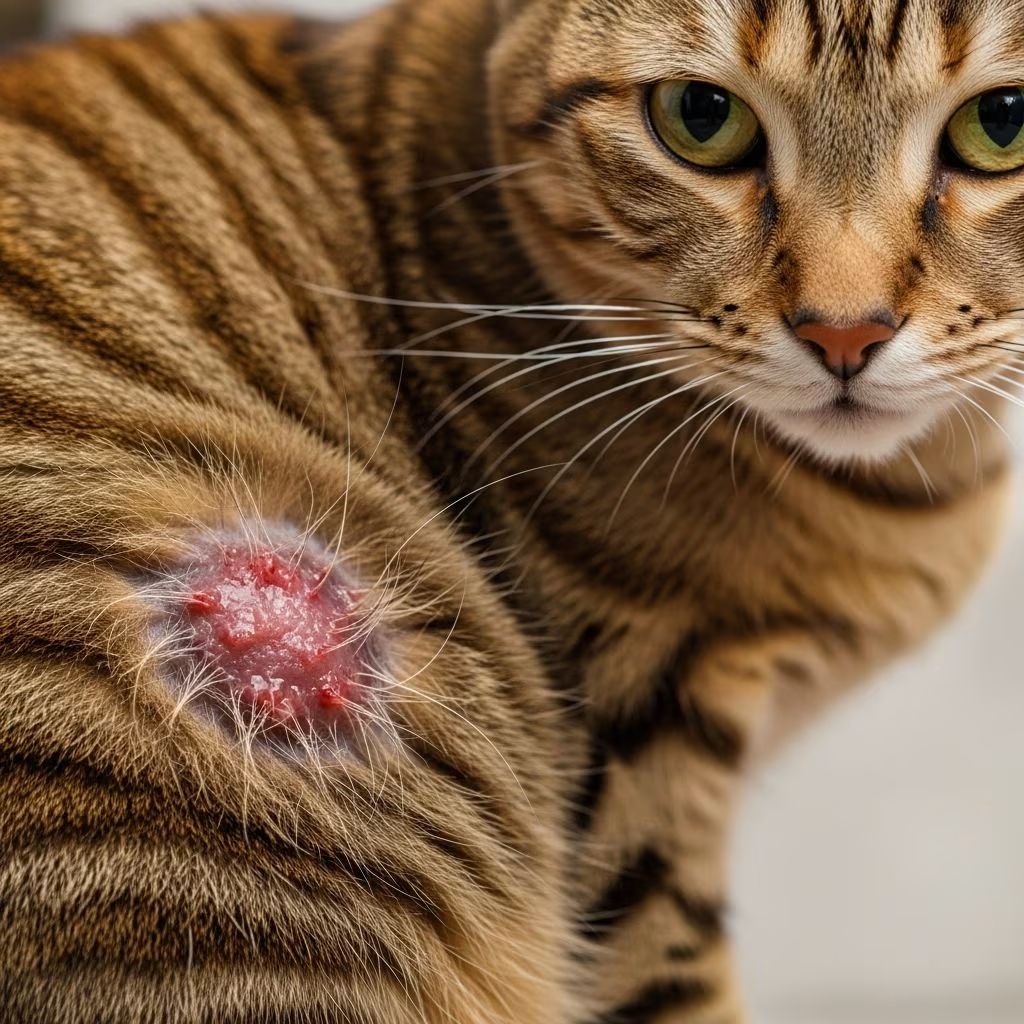
Hot spots on cats, also known as acute moist dermatitis, are sudden, painful skin lesions that develop rapidly from irritation, excessive licking or scratching, and secondary bacterial infection. These red, moist, inflamed areas can cause significant discomfort, leading to further self-trauma if not addressed promptly. Understanding hot spots is crucial for cat owners, as early intervention prevents worsening and recurrence.
What Are Hot Spots on Cats?
Hot spots form when a cat’s skin barrier is compromised, allowing bacteria normally present on the skin—such as Staphylococcus—to overgrow in a moist environment created by saliva from licking or scratching. The condition starts small, often from a trigger like a flea bite or minor scratch, but escalates quickly into a warm, oozing sore. Unlike chronic skin issues, hot spots appear abruptly and are characterized by their acute nature and rapid spread if untreated.
Cats with dense or long fur are particularly prone because saliva traps moisture under the coat, fostering bacterial growth. These lesions are superficial but intensely itchy, perpetuating a vicious cycle of irritation and infection.
Common Locations on the Body
Hot spots can emerge anywhere but favor accessible areas for self-grooming:
- Neck or chin: Often from flea allergies, collar chafing, or ear-related scratching.
- Base of the tail: Linked to flea infestations, anal gland issues, or stress-induced overgrooming.
- Sides, thighs, or belly: Common with food or environmental allergies causing generalized itchiness.
- Back or shoulders: Triggered by grooming habits, insect bites, or stress.
Recognizing these hotspots early allows for targeted care before they mat the fur or deepen.
What Causes Hot Spots on Cats?
The root of hot spots lies in underlying irritants that prompt excessive grooming, breaking the skin and inviting infection. Common culprits include allergies, parasites, and behavioral factors. Hot, humid weather exacerbates them by promoting moisture retention, though they occur year-round.
Allergies
Allergies top the list, with flea allergy dermatitis being prevalent—even one flea bite can ignite intense itching in sensitive cats. Environmental allergens like pollen, dust mites, or mold, and food sensitivities to proteins in kibble, provoke skin inflammation leading to hot spots. Atopic dermatitis, a genetic predisposition, amplifies reactions.
Parasites and Insects
Fleas, mites (ear or mange), mosquitoes, ants, or ticks irritate the skin directly. Flea dirt or bites at the tail base is classic, as cats chew vigorously there. Parasites disrupt the skin’s microbiome, facilitating bacterial overgrowth.
Wounds and Trauma
Minor injuries like scratches from fights, bug bites, or abrasions serve as bacterial entry points. Pain from these prompts licking, which moistens and infects the site.
Infections
Bacterial (Staph), fungal (ringworm), or yeast overgrowth can initiate or complicate hot spots. These are often secondary but mimic primary causes.
Stress and Behavioral Issues
Anxiety from changes in routine, new pets, or loud environments leads to psychogenic grooming, creating hot spots. Overgrooming due to boredom or stress is common in indoor cats.
Other Factors
Ear or anal gland problems cause referred scratching; joint pain or underlying diseases like hyperthyroidism may manifest as licking hot spots.
Symptoms of Hot Spots on Cats
Key signs include red, moist, inflamed skin that’s warm to the touch, often with pus, hair loss, and matting. Affected cats lick, scratch, or bite obsessively, vocalizing pain or becoming irritable. Odor from infection and rapid lesion growth (inches per day) are hallmarks. Without intervention, multiple spots can appear.
Observe for behavioral shifts: restlessness, hiding, or aggression when touched. Long-haired breeds may hide spots under fur until severe.
Diagnosis of Hot Spots on Cats
Veterinarians diagnose via physical exam, noting lesion characteristics and distribution. Skin cytology or scrapings detect bacteria, yeast, or parasites. Flea combing, allergy tests (intradermal or blood), or diet trials identify triggers. Ear swabs or anal gland expression rule out secondary issues. Bloodwork screens for systemic disease.
A thorough history—recent changes, flea prevention, diet—guides comprehensive assessment.
Treatment for Hot Spots on Cats
Treatment breaks the itch-lick-infection cycle through cleaning, medication, and prevention of self-trauma. Vets clip surrounding fur, clean with antiseptics, and apply topicals.
Immediate Care
- Clip and clean: Remove fur to expose and dry the area; antiseptic washes prevent reinfection.
- E-collar: Essential to stop licking; soft cone alternatives exist for comfort.
Medications
Topical antibiotics, antifungals, or steroid sprays reduce inflammation. Oral antibiotics for deep infections, antihistamines or apoquel for itch. Pain relief like NSAIDs if needed.
Addressing Underlying Causes
Flea preventives (topicals/orals), hypoallergenic diets, allergy shots (immunotherapy), or stress reducers (pheromones, playtime).
| Treatment Type | Purpose | Examples |
|---|---|---|
| Topical | Clean, soothe | Antiseptic sprays, medicated shampoos |
| Oral | Fight infection/itch | Antibiotics, steroids |
| Preventive | Stop triggers | Flea meds, allergy testing |
Prevention of Hot Spots on Cats
Proactive steps minimize risks:
- Year-round flea control: Use vet-recommended preventives.
- Allergy management: Novel protein diets, hypoallergenic shampoos, immunotherapy.
- Grooming: Regular brushing prevents mats; baths with soothing conditioners.
- Stress reduction: Enrichment toys, stable routines, Feliway diffusers.
- Annual vet checks: Early detection of ears, glands, or allergies.
Monitor for early itching and act fast to avert hot spots.
Frequently Asked Questions (FAQs)
Can hot spots on cats heal on their own?
No, they rarely resolve without intervention due to ongoing licking and infection. Vet care accelerates healing and prevents spread.
Are hot spots contagious to other cats or humans?
Typically not, as they’re from normal skin bacteria overgrowth. Underlying fleas or ringworm may spread, so treat causes.
How long do hot spots take to heal?
With treatment, 7-14 days; untreated, weeks with risk of chronic issues.
Why do long-haired cats get more hot spots?
Thick fur traps saliva, creating moist environments for bacteria.
Can diet prevent hot spots?
Yes, switching to hypoallergenic food resolves food allergy triggers in many cases.
References
- Hot Spots on Cats: Causes, Symptoms, and Treatments — BracPet. 2023. https://bracpet.com/blog/hot-spots-on-cats/
- Cat Hot Spots: Causes & Treatment — A Animal Clinic. 2024-06-15. https://www.a-animalclinic.com/site/blog/2024/06/15/cat-hot-spots
- Hot Spots on Cats: Causes, Symptoms & Treatments — Purina. N/A. https://www.purina.com/articles/cat/health/skin-fur-ears/hot-spots-on-cats
- Hot Spots on Cats: Causes & Treatment — Animal Friends Dermatology. 2024-02-15. https://www.animalfriendsdermatology.com/site/blog/2024/02/15/hot-spots-cats
- Hot Spots in Cats: Causes, Treatment & Prevention — VCA Hospitals. N/A. https://vcahospitals.com/shop/articles/identify-prevent-hot-spots
- Hot Spots on Cats — PetMD. N/A. https://www.petmd.com/cat/conditions/skin/hot-spots-cats



