

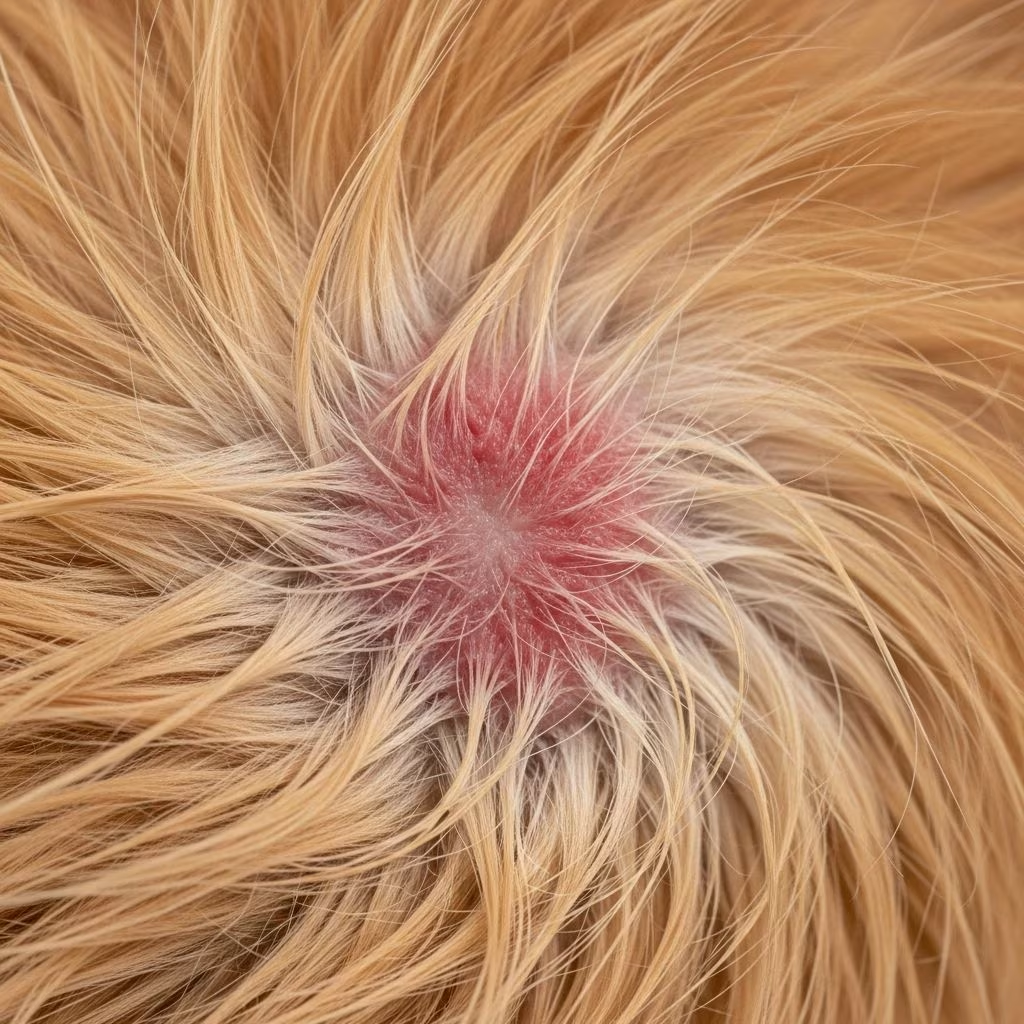
Hot spots represent a common yet distressing skin issue in dogs, characterized by rapidly developing, moist, inflamed lesions that cause significant discomfort. These areas arise from self-inflicted trauma through licking, chewing, or scratching, often exacerbating an initial irritation into a full-blown infection.
Recognizing the Signs of Hot Spots
Early detection plays a crucial role in managing hot spots effectively. Owners frequently notice these patches during routine grooming or petting sessions. The skin becomes noticeably warm to the touch, hence the name “hot spots,” and exhibits a moist texture due to serum leakage or pus accumulation.
- Redness and inflammation: The affected area appears bright red and swollen, often expanding quickly if untouched.
- Moisture and discharge: Lesions ooze clear fluid or pus, leading to matted fur and a sticky feel.
- Hair loss: Surrounding fur thins or falls out, exposing the raw skin beneath.
- Intense itching or pain: Dogs obsessively lick, bite, or scratch the spot, showing signs of distress like whining or restlessness.
- Foul odor: Advanced cases develop a unpleasant smell from bacterial overgrowth.
- Sensitivity: Touching the area provokes yelps or attempts to evade contact.
These symptoms commonly appear on the head, ears, hips, legs, or tail base, though any body part can be affected, particularly in long-coated breeds.
Primary Triggers Behind Hot Spots
Hot spots do not emerge in isolation; they stem from an underlying trigger that prompts the dog to traumatize its skin. Breaking this cycle requires addressing the root cause alongside surface treatment.
Allergic Reactions
Allergies rank among the top instigators. Environmental factors like pollen, dust mites, or mold provoke atopic dermatitis, urging dogs to scratch relentlessly. Food sensitivities similarly irritate the skin internally, manifesting as hot spots.
Parasite Infestations
Fleas, ticks, and mosquitoes deliver bites that spark intense itching, especially in flea-allergic dogs where even minimal exposure suffices. A single flea can initiate the licking frenzy leading to dermatitis.
Moisture and Grooming Issues
Prolonged wetness from swimming, baths, or rainy weather traps moisture in dense coats, fostering bacterial growth. Poor grooming allows mats to form, irritating skin and inviting self-trauma.
Infections and Injuries
Ear infections, anal gland problems, or wounds prompt localized licking. Boredom or anxiety in understimulated dogs can also drive compulsive behaviors mimicking these issues.
| Trigger Category | Examples | Breeds at Higher Risk |
|---|---|---|
| Allergies | Pollen, food, dust | Retrievers, Bulldogs |
| Parasites | Fleas, ticks | All breeds, esp. outdoor dogs |
| Moisture | Swimming, rain | Long-haired like Shepherds |
| Injuries | Cuts, ear issues | Active or floppy-eared breeds |
Immediate Steps for Management
Upon spotting a hot spot, act swiftly to halt progression. While home care offers temporary relief, professional evaluation ensures comprehensive resolution.
Home Care Essentials
Gently trim fur around the lesion to expose and dry the area, reducing moisture retention. Clean with a mild antiseptic like chlorhexidine solution, avoiding harsh soaps that worsen irritation. Prevent access using an Elizabethan collar (cone) to curb licking.
- Apply vet-approved antimicrobial sprays safe for incidental ingestion.
- Monitor daily for size reduction, decreased redness, and odor fade.
- Bathe the dog with medicated shampoo if multiple spots appear.
When to Seek Veterinary Help
Consult a vet immediately if the spot enlarges, bleeds profusely, emits colored discharge, or resists home treatment after 24-48 hours. Deep infections risk cellulitis or systemic spread, demanding urgent intervention.
Professional Treatment Protocols
Veterinarians employ a multi-faceted approach targeting infection, inflammation, and the inciting factor. Expect clipping, thorough cleaning, and prescription therapies.
- Topical therapies: Antibiotic ointments or sprays combat bacteria; anti-inflammatory creams soothe itch.
- Oral medications: Antibiotics for infection, steroids or NSAIDs for swelling, antihistamines for allergies.
- Diagnostic workup: Skin scrapes, allergy tests, or flea checks uncover causes.
- Preventive measures: Flea preventives, hypoallergenic diets, or behavioral enrichment.
Severe cases may require sedation for debridement or drainage, ensuring rapid healing within days to weeks.
Preventing Recurrence in Your Dog
Proactive strategies minimize future episodes, enhancing your dog’s quality of life. Consistency proves key.
Grooming and Hygiene Routines
Regular brushing prevents mats, especially in thick-coated breeds. Dry thoroughly post-bath or swim, using towels or low-heat blow dryers. Maintain clean bedding to reduce allergen buildup.
Parasite and Allergy Control
Administer monthly flea/tick preventives year-round. For allergy-prone dogs, consider hypoallergenic foods, omega-3 supplements, or immunotherapy after vet testing.
Environmental and Lifestyle Adjustments
Limit exposure to grasses or chemicals during high-pollen seasons. Provide ample exercise and toys to combat boredom-induced licking. Routine vet checkups catch issues early.
Common Myths About Hot Spots Debunked
Misconceptions can delay proper care. Hot spots are not merely “rashes” but infected wounds needing intervention—not all heal with ointments alone.
- Myth: They resolve on their own. Fact: Self-trauma perpetuates them without barriers like cones.
- Myth: Human creams suffice. Fact: These may contain toxic ingredients for dogs.
- Myth: Short-haired dogs are immune. Fact: Any itchy dog risks them.
Frequently Asked Questions (FAQs)
What breeds are most prone to hot spots?
Thick-coated or allergy-susceptible breeds like Golden Retrievers, Labrador Retrievers, German Shepherds, and Bulldogs face higher risks due to fur trapping moisture and common sensitivities.
How long do hot spots take to heal?
With prompt treatment, improvement occurs in 3-7 days; full resolution may take 2-4 weeks, depending on severity and cause management.
Can I treat a hot spot without a vet?
Mild cases may respond to cleaning and coning, but vet visits are essential for antibiotics if infected and to identify underlying issues.
Do hot spots spread to other dogs?
No, they result from individual triggers, not contagion, though shared environments can promote similar allergies or fleas.
Is diet linked to hot spots?
Yes, food allergies contribute; switching to novel protein diets under vet guidance helps many dogs.
Long-Term Skin Health for Dogs
Beyond acute management, fostering resilient skin involves holistic care. Incorporate fatty acid supplements for barrier support and monitor for seasonal patterns. Annual dermatology screens benefit chronic cases, preventing escalation.
By integrating these practices, owners transform hot spot challenges into manageable routines, ensuring happier, itch-free companionship.
References
- Hot Spots on Dogs: Causes, Symptoms & Treatments — Purina. Accessed 2026. https://www.purina.com/articles/dog/health/skin-fur-ears/hot-spots-on-dogs
- Hot Spots on Dogs: Causes and Treatments — Maple Grove Pet Hospital. Accessed 2026. https://maplegrovepethospital.com/blog/hot-spots-on-dogs-causes-and-treatments/
- Hot Spots on Dogs: Signs, Treatment, and Prevention — American Kennel Club. 2023-10-15. https://www.akc.org/expert-advice/health/hot-spots-on-dogs/
- Hot Spots in Dogs: Recognizing a Veterinary Emergency — GSVS. Accessed 2026. https://gsvs.org/blog/hot-spots-in-dogs-emergency/
- Hot Spots on Dogs: Causes, Treatment, and Home Remedies — PetMD. Accessed 2026. https://www.petmd.com/dog/general-health/hot-spots-dogs
- Hot spots — Cornell University College of Veterinary Medicine. Accessed 2026. https://www.vet.cornell.edu/departments-centers-and-institutes/riney-canine-health-center/canine-health-topics/hot-spots



