

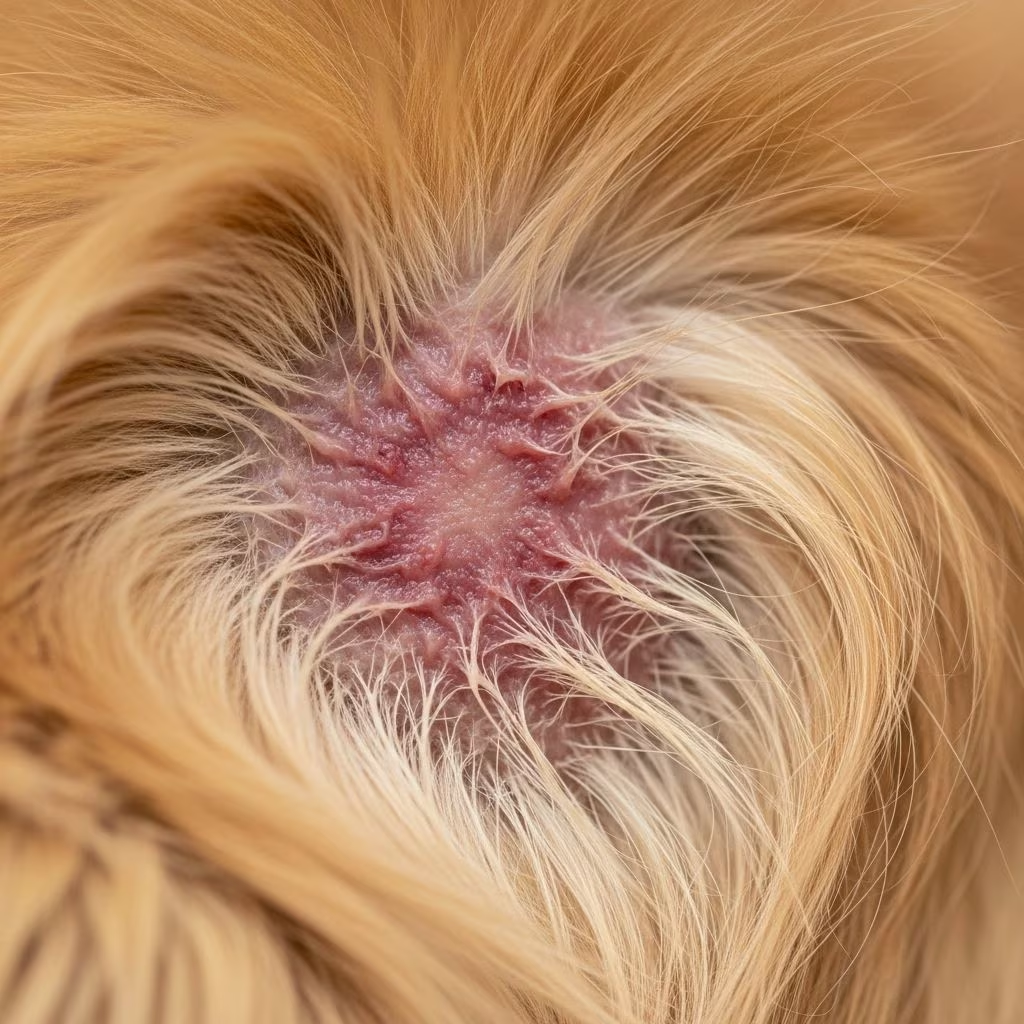
What Are Hot Spots in Dogs?
Hot spots, also known as acute moist dermatitis or pyotraumatic dermatitis, are localized areas of inflamed, infected skin that develop rapidly on dogs. These painful lesions are characterized by their warm, moist appearance and the intense itching and discomfort they cause. The condition gets its name from the inflammation involved, which causes the skin to become warm to the touch. Hot spots are one of the most common skin conditions veterinarians treat in dogs, and they can develop seemingly overnight, progressing from a small irritated area to a large, infected wound within hours or days.
The primary characteristic of a hot spot is the self-perpetuating cycle it creates. When a dog begins scratching, licking, or chewing at an irritated area of skin, this trauma damages the skin barrier and creates an environment where bacteria can flourish. This leads to secondary bacterial infections, further inflammation, and increased itching, which prompts the dog to scratch more intensely. Understanding this cycle is crucial for effective treatment and prevention.
Symptoms and Signs of Hot Spots
Recognizing the early signs of hot spots is essential for prompt treatment and preventing the condition from worsening. Dog owners should be vigilant in monitoring their pets’ skin and behavior for the following indicators:
- Redness and swelling: The affected area will appear noticeably red and inflamed, often with visible swelling.
- Hair loss: The hair surrounding the hot spot may be missing or matted down, revealing the underlying skin.
- Excessive licking or biting: Dogs with hot spots will obsessively lick, bite, or scratch at the affected area.
- Itching: Intense itching is a hallmark symptom that drives the self-traumatic behavior.
- Moist or oozing skin: The spot will be moist and may discharge pus or fluid that causes hair matting.
- Scabbing or crusting: As the area begins to heal or infection progresses, crusting and scabbing may develop.
- Foul odor: A distinctive unpleasant smell, produced by bacterial infection, typically develops as the hot spot progresses.
These spots typically appear on a dog’s hips, limbs, head, neck, and areas under the ears, though they can develop anywhere on the body. In severe cases, dogs may also display signs of systemic illness, including fever, lethargy, or severe pain. Pet owners should seek immediate veterinary attention if they notice rapid spreading of the lesion, foul-smelling discharge, consistent bleeding, or signs that their dog is in significant distress.
Common Causes of Hot Spots in Dogs
Hot spots can develop from various underlying causes, and understanding these triggers is essential for both treatment and prevention. In most cases, hot spots result from a combination of factors rather than a single cause. The most common causes include:
Allergic Conditions
Allergies are among the leading causes of hot spots in dogs. These include flea allergy dermatitis, food allergies, and environmental or atopic allergies. Dogs with allergies experience chronic itching that prompts excessive scratching and licking, eventually damaging the skin barrier and creating an environment for hot spot development.
Parasitic Infestations
Flea infestations are a primary culprit in hot spot formation. Even a single flea bite can trigger intense itching in sensitive dogs, leading to excessive scratching and the development of a hot spot. Regular flea prevention is crucial, especially during warmer months when flea activity increases.
Skin Infections and Ear Issues
Bacterial or yeast skin infections can cause itching that leads to hot spots. Additionally, ear infections can prompt dogs to excessively scratch or shake their heads, potentially damaging the skin on the head and neck area and creating hot spots.
Moisture and Poor Grooming
A dirty, matted, or excessively moist coat provides an ideal breeding ground for bacteria. Dogs that swim frequently or are bathed but not thoroughly dried are at increased risk. Poor grooming practices that allow mats and tangles to develop can trap moisture and create conditions conducive to hot spot formation.
Behavioral and Environmental Factors
Stress, anxiety, and boredom can cause dogs to engage in repetitive self-grooming behaviors such as excessive licking, chewing, or biting. These behaviors damage the skin and contribute to hot spot development. Dogs left alone for extended periods without adequate mental or physical stimulation are particularly susceptible.
Injuries and Abrasions
Any break in the skin, whether from insect bites, minor cuts, or other injuries, can serve as a starting point for hot spot development. Once the skin barrier is compromised, bacteria can invade and cause infection.
Other Contributing Factors
Additional causes may include joint pain or arthritis that prompts excessive licking of affected areas, reactions to topical substances or medications, and overall poor coat condition. Some breeds are also genetically predisposed to developing hot spots.
How Hot Spots Develop
Understanding the mechanism of hot spot formation helps explain why they develop so rapidly. Hot spots begin when a dog’s skin becomes irritated by any of the aforementioned causes. When the skin barrier is weakened, it becomes vulnerable to bacterial colonization and growth. The dog’s instinctive response to itching—scratching, licking, and chewing—creates a vicious cycle. This self-trauma further damages the skin, causes inflammation, and increases the dog’s discomfort, prompting even more intense scratching and licking. Within 24 to 48 hours, a small area of irritation can develop into a large, painful, infected lesion. This rapid progression is why early intervention and veterinary care are critical.
Treatment Options for Hot Spots
Treatment for hot spots typically involves a multi-faceted approach that addresses both the immediate lesion and the underlying cause. Here’s what you can expect when visiting your veterinarian:
Professional Veterinary Treatment
Your veterinarian will perform a thorough examination and may recommend the following procedures and treatments:
- Hair clipping: The hair surrounding the hot spot will be trimmed or shaved to prevent matting, allow the wound to dry, and facilitate healing. This also prevents the hair from covering the lesion and trapping bacteria.
- Antiseptic cleaning: The affected area will be gently cleaned with a mild antiseptic solution, such as chlorhexidine, to remove bacteria and debris.
- Topical medications: Your vet may prescribe topical sprays, creams, or ointments containing antibiotics or antimicrobial agents to promote healing and combat infection.
- Oral antibiotics: For moderate to severe infections, oral antibiotics may be prescribed to fight the bacterial infection from within.
- Anti-inflammatory medications: Corticosteroids, antihistamines, or nonsteroidal anti-inflammatory drugs (NSAIDs) may be prescribed to reduce inflammation, control itching, and alleviate pain.
- Pain management: In severe cases, pain relievers may be necessary, and sedation might be required during the cleaning process.
- Elizabethan collar: Also known as a recovery cone or E-collar, this device prevents your dog from continuing to lick, bite, or scratch at the hot spot while it heals.
Home Care and Monitoring
While professional veterinary treatment is essential, home care plays an important role in the healing process. Follow your veterinarian’s instructions carefully regarding medication application and dosage. Monitor the affected area daily for signs of improvement, such as decreased redness, reduced moisture, and smaller lesion size. Keep the area clean and dry, and ensure your dog wears the Elizabethan collar as directed. Contact your veterinarian immediately if the hot spot is not improving within a few days, is spreading, or shows signs of worsening infection.
Addressing Underlying Causes
Treating only the hot spot itself without identifying and addressing the underlying cause is likely to result in recurrence. Your veterinarian may recommend additional treatments based on the root cause, such as:
- Flea prevention: Regular, year-round flea prevention is essential for dogs prone to flea-related hot spots.
- Allergy management: This may include dietary changes, environmental modifications, or medications to control allergies.
- Improved grooming: Regular brushing and bathing with appropriate shampoos can prevent matting and reduce skin irritation.
- Behavioral modification: Addressing stress and anxiety through increased exercise, mental stimulation, and environmental enrichment can reduce excessive licking.
- Treatment of concurrent conditions: Managing ear infections, arthritis, or other health issues that may contribute to hot spot development.
Prevention Strategies
Preventing hot spots is far more effective than treating them. Consider implementing the following preventive measures:
- Maintain regular grooming: Brush your dog’s coat regularly to prevent matting and keep the skin clean and dry.
- Use preventive flea treatments: Consistent, year-round flea prevention is one of the most important steps you can take.
- Dry your dog thoroughly: After swimming or bathing, ensure your dog is completely dry to prevent moisture-related skin issues.
- Provide adequate exercise and mental stimulation: Help reduce stress and anxiety-driven behaviors by ensuring your dog gets plenty of physical activity and mental enrichment.
- Address allergies promptly: Work with your veterinarian to identify and manage any allergies your dog may have.
- Maintain regular veterinary care: Regular check-ups allow your vet to identify and address skin conditions before they develop into hot spots.
- Monitor your dog’s coat condition: Check regularly for signs of matting, excessive moisture, or skin irritation.
Frequently Asked Questions About Hot Spots
Q: How quickly do hot spots develop in dogs?
A: Hot spots can develop very rapidly, often progressing from a small irritated area to a large, infected lesion within 24 to 48 hours. This rapid progression is due to the self-perpetuating cycle of itching and scratching that damages the skin and creates an environment for bacterial growth.
Q: Can I treat my dog’s hot spot at home without veterinary care?
A: While some minor cases might improve with home care using veterinarian-recommended products, it’s essential to consult a veterinarian to identify the underlying cause and ensure proper treatment. Severe or spreading hot spots require professional veterinary attention to prevent complications.
Q: Are certain dog breeds more prone to hot spots?
A: Yes, some breeds are more susceptible to hot spots, particularly those with thick, double coats and dogs with a genetic predisposition to allergies or skin conditions. However, any dog can develop hot spots if the right circumstances occur.
Q: How long does it take for a hot spot to heal?
A: With proper veterinary treatment, most hot spots begin to improve within a few days and can heal completely within 1 to 2 weeks. However, healing time depends on the severity of the lesion and how well the underlying cause is controlled.
Q: Will my dog’s hair grow back after a hot spot heals?
A: Yes, in most cases, hair will regrow after the hot spot heals. However, it may take several weeks or months for the hair to fully regrow, and there may be some temporary discoloration or texture changes.
Q: How can I prevent my dog from licking the hot spot while it heals?
A: An Elizabethan collar (E-collar or cone) is the most effective way to prevent your dog from licking or scratching the hot spot. Make sure to use it as directed by your veterinarian and monitor your dog’s comfort and behavior while wearing it.
Q: What should I do if the hot spot is getting worse despite treatment?
A: Contact your veterinarian immediately if the hot spot is spreading, showing increased signs of infection, or not improving within a few days of treatment. Additional or different treatment approaches may be necessary.
Q: Are hot spots contagious to other dogs or people?
A: While the bacterial infection itself is not highly contagious, the underlying cause (such as fleas or certain skin conditions) may be transmissible. Maintain good hygiene and keep affected dogs separated from other pets until the hot spot resolves.
References
- Hot Spots on Dogs: Causes, Symptoms & Treatments — Purina US. 2024. https://www.purina.com/articles/dog/health/skin-fur-ears/hot-spots-on-dogs
- Hot Spots on Dogs: Signs, Treatment, and Prevention — American Kennel Club (AKC). 2024. https://www.akc.org/expert-advice/health/hot-spots-on-dogs/
- Hot Spots on Dogs: Causes, Treatment, and Home Remedies — PetMD. 2024. https://www.petmd.com/dog/general-health/hot-spots-dogs
- Hot Spots in Dogs: What They Are and How to Treat Them — MedVet. 2024. https://www.medvet.com/hot-spots-in-dogs/
- Hot Spots — Cornell University College of Veterinary Medicine, Riney Canine Health Center. 2024. https://www.vet.cornell.edu/departments-centers-and-institutes/riney-canine-health-center/canine-health-information/hot-spots
- Everything you need to know about hot spots — Animal Humane Society. 2024. https://www.animalhumanesociety.org/resource/everything-you-need-know-about-hot-spots
- What To Do If Your Dog Has A Hot Spot: Causes & Treatments — Peak Veterinary. 2024. https://www.peakveterinary.com/blog/what-to-do-if-your-dog-has-a-hot-spot-causes-treatments



