

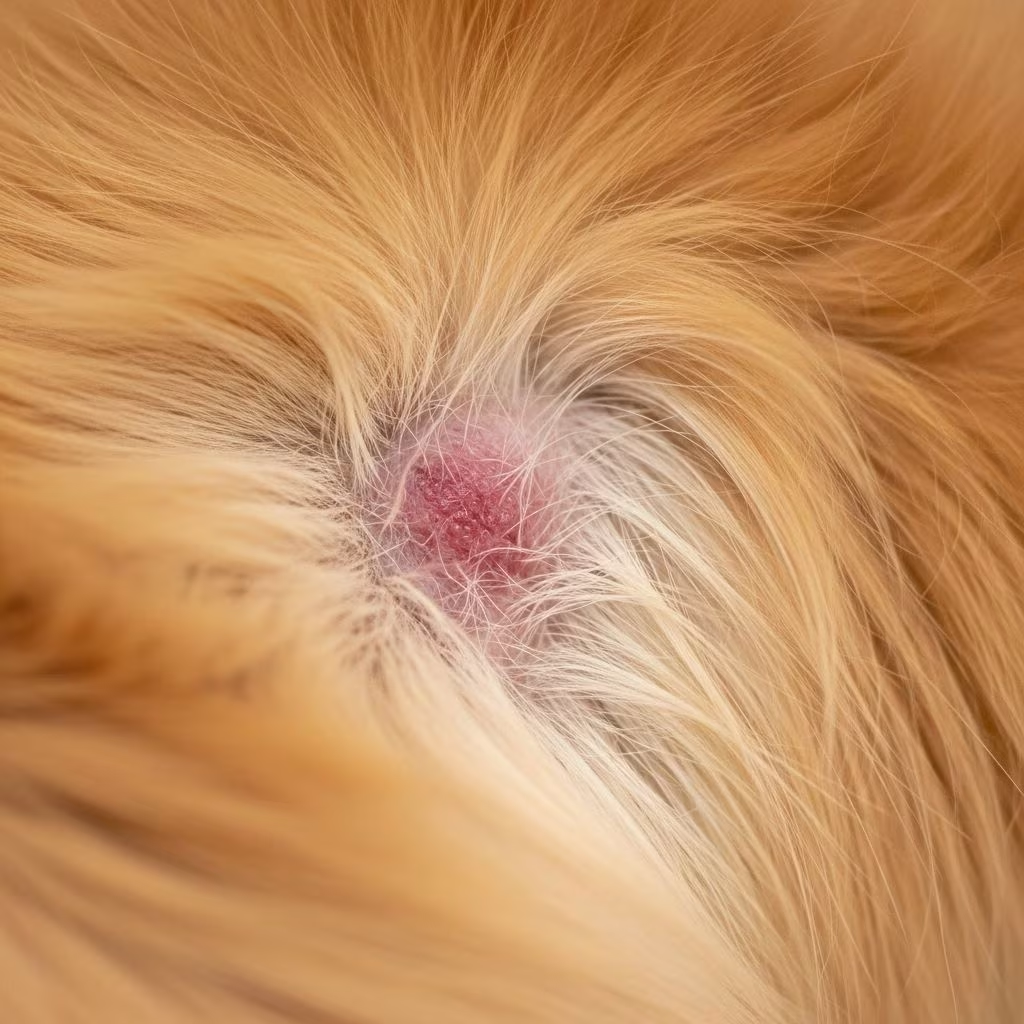
Hot Spots in Dogs: What You Need to Know
Hot spots are a common skin condition that affects dogs of all ages and breeds. As a pet owner, understanding this condition is essential to ensuring your dog’s comfort and health. Hot spots, medically known as acute moist dermatitis, are localized areas of skin inflammation and infection that can develop rapidly and cause significant discomfort to your furry companion. This comprehensive guide will help you identify, understand, and treat hot spots effectively.
What Are Hot Spots?
Hot spots are painful, inflamed patches of skin that typically appear moist, red, and irritated. The condition gets its name from the warm sensation these affected areas often produce due to the inflammatory response and bacterial infection. These lesions can appear suddenly and worsen quickly because dogs instinctively lick, scratch, and chew at the uncomfortable area, creating a self-perpetuating cycle of irritation and infection.
The primary characteristic of hot spots is their rapid progression. What might start as a small, itchy patch can transform into a significant problem within hours or days if left untreated. This is why prompt identification and veterinary intervention are crucial for managing the condition effectively.
Symptoms of Hot Spots in Dogs
Recognizing the early signs of hot spots can help you seek treatment before the condition worsens. Pet owners should watch for the following symptoms:
- Red, inflamed patches of skin that appear suddenly
- Moist or oozing lesions with discharge
- Excessive licking, scratching, or chewing in a localized area
- Scabbing or crusty skin around the affected region
- Hair loss or thinning around the hot spot
- Sensitivity or pain when the area is touched
- Foul odor emanating from the site, typically indicating bacterial infection
- Swelling or warmth in the affected area
These symptoms can develop quickly, often appearing within a few hours. If you notice any of these signs, it’s important to contact your veterinarian promptly to prevent further complications.
Common Causes of Hot Spots in Dogs
Hot spots don’t develop without cause. Understanding the underlying factors is essential for both treating the immediate problem and preventing future occurrences. Several conditions can trigger hot spots in dogs:
Allergies
Allergies are among the most common causes of hot spots. Dogs can experience various types of allergies that lead to excessive scratching:
- Seasonal allergies: Environmental allergens such as pollen, mold, and dust mites can trigger itching
- Flea allergy dermatitis: Even a single flea bite can cause severe reactions in sensitive dogs
- Food allergies: Certain food ingredients can cause itching and skin irritation
- Contact allergies: Reactions to grooming products, plants, or other environmental substances
Once the dog begins scratching due to allergic reactions, the skin becomes damaged, and hot spots can develop rapidly.
Insect Bites and Parasites
Fleas, ticks, and mosquitoes are frequent culprits behind hot spot development. For dogs with flea allergy dermatitis, a single bite can trigger an intense scratching response that quickly leads to a hot spot. Regular parasite prevention is essential for protecting your dog from this common cause.
Skin Irritations and Moisture
Various external irritants can cause localized skin reactions that develop into hot spots:
- Moisture trapped under collars, harnesses, or mats
- Excessive swimming or bathing without proper drying
- Contact with rough surfaces or sharp objects
- Poor grooming practices that lead to matting and moisture retention
Breed Predisposition
Certain dog breeds are more prone to hot spots and other skin conditions. Commonly affected breeds include Labrador Retrievers, Golden Retrievers, English Bulldogs, German Shepherds, and other breeds with dense coats or skin fold problems.
Secondary Causes
Sometimes hot spots develop from other underlying health issues, such as anal sac disease, ear infections, or other painful conditions that cause excessive licking and scratching.
Where Hot Spots Commonly Appear
While hot spots can develop anywhere on a dog’s body, they are most commonly found on the face, neck, limbs, hips, and rear end. The location often depends on the underlying cause and which areas of the body are most accessible for the dog to lick and scratch.
Diagnosis of Hot Spots
A veterinary examination is essential for properly diagnosing hot spots and identifying their underlying cause. Your veterinarian will perform a physical examination of the affected area and may recommend additional diagnostics to rule out underlying conditions. Identifying the root cause is crucial for preventing recurrence and developing an effective treatment plan.
Treatment Options for Hot Spots
Treatment approaches vary depending on the severity and underlying cause of the hot spot. A comprehensive treatment plan typically addresses both the immediate condition and the underlying issue.
Professional Veterinary Treatment
Professional treatment is strongly recommended for hot spots, especially severe cases. Your veterinarian may employ several therapeutic approaches:
- Hair clipping: Removing hair around the affected area to prevent matting and allow the skin to breathe
- Gentle cleansing: Cleaning the area with antiseptic solutions such as chlorhexidine to remove bacteria and debris
- Topical medications: Applying medicated creams, sprays, or ointments directly to the hot spot
- Oral antibiotics: Prescribing systemic antibiotics to treat secondary bacterial infections when necessary
- Anti-inflammatory medications: Using corticosteroids or other anti-inflammatory drugs to reduce swelling and itching
- Pain management: Administering pain relievers to make your dog more comfortable during recovery
- Antihistamines: Using these medications to reduce inflammatory reactions, particularly for allergy-related hot spots
Home Care and Management
While professional veterinary care is essential, home management plays a crucial supportive role in recovery:
- Keep the area clean and dry by gently cleaning it with recommended solutions
- Discourage your dog from licking or scratching the spot through close supervision
- Use a recovery cone (Elizabethan collar) to prevent self-trauma
- Monitor the area daily for changes, improvement, or signs of worsening
- Apply veterinary-recommended hot spot sprays that are safe if accidentally ingested
- Ensure your dog stays dry, especially if swimming is part of their routine
- Maintain good grooming practices to prevent matting and moisture buildup
Addressing Underlying Causes
Long-term management requires identifying and treating the underlying cause:
- For allergies: Implement allergy management strategies, dietary changes, or allergy medications
- For parasites: Establish and maintain a consistent parasite prevention program
- For moisture-related issues: Improve grooming practices and ensure thorough drying after water exposure
- For other conditions: Address any secondary health issues contributing to excessive licking or scratching
When to Seek Immediate Veterinary Care
Contact your veterinarian promptly if your dog shows any signs of hot spots, and seek immediate attention if:
- The hot spot is increasing in size rapidly
- The area is consistently bleeding or has colored discharge
- There is persistent moisture, odor, or visible infection
- You cannot keep your dog from licking or scratching at the spot
- The condition doesn’t improve within a few days of home care
- Signs of infection worsen despite treatment efforts
Prevention Strategies
Preventing hot spots is far easier than treating them. Implement these preventive measures to protect your dog:
- Maintain consistent parasite prevention: Use year-round flea and tick prevention as recommended by your veterinarian
- Regular grooming: Keep your dog’s coat clean, mat-free, and properly maintained
- Thorough drying: Always dry your dog completely after swimming or bathing
- Allergy management: Work with your veterinarian to identify and manage allergies
- Proper collar fit: Ensure collars and harnesses aren’t too tight and don’t trap moisture
- Regular health checks: Monitor your dog for signs of ear infections, anal sac problems, or other issues that could trigger excessive licking
- Environmental control: Minimize exposure to known allergens when possible
- Stress reduction: Provide adequate exercise and mental stimulation to reduce stress-related licking
Recovery and Outlook
With appropriate veterinary treatment and diligent home care, most hot spots heal within 7-14 days. The key to successful recovery is early intervention and addressing the underlying cause. Dogs that receive prompt treatment typically experience faster healing and have lower risks of complications or recurrence.
Following your veterinarian’s treatment recommendations completely, even after visible improvement, helps ensure full healing and prevents infection return. Your veterinarian may want to recheck the area after treatment to confirm complete resolution.
Frequently Asked Questions
Q: Can I treat hot spots at home without visiting a veterinarian?
A: While some minor cases might improve with home care, professional veterinary evaluation is strongly recommended. Hot spots can worsen rapidly and lead to serious infections without proper diagnosis and treatment of the underlying cause.
Q: How long does it take for a hot spot to heal?
A: Most hot spots heal within 7-14 days with proper veterinary treatment and home care. However, healing time depends on the severity of the condition and how well the underlying cause is managed.
Q: Are hot spots contagious to other dogs or humans?
A: Hot spots themselves are not contagious. However, if they’re caused by parasites like fleas, other pets could contract parasites from your dog.
Q: What should I do if my dog won’t stop licking their hot spot?
A: Use a recovery cone to prevent access to the area and consult your veterinarian about pain management or anti-itch medications that can help reduce the urge to lick.
Q: Can diet changes help prevent hot spots?
A: Yes, if food allergies are the underlying cause. Your veterinarian can help identify potential food sensitivities and recommend an appropriate diet.
Q: Do certain dog breeds get hot spots more often?
A: Yes, breeds with dense coats like Labrador Retrievers and Golden Retrievers are more prone to hot spots due to their coat type and predisposition to allergies.
References
- Hot Spots on Dogs: Causes, Symptoms, & Effective Treatments — Maple Grove Pet Hospital. 2024. https://maplegrovepethospital.com/blog/hot-spots-on-dogs-causes-and-treatments/
- Hot Spots on Dogs: Signs, Treatment, and Prevention — American Kennel Club. 2024. https://www.akc.org/expert-advice/health/hot-spots-on-dogs/
- Hot Spots on Dogs: Causes, Treatment, and Home Remedies — PetMD. 2024. https://www.petmd.com/dog/general-health/hot-spots-dogs
- That itches! A guide to canine hot spots — Virginia Tech College of Veterinary Medicine, Veterinary Teaching Hospital. 2025. https://vth.vetmed.vt.edu/animal-care-tips/vetmed-pet-canine-hot-spots.html
- Hot Spots — Cornell University College of Veterinary Medicine, Riney Canine Health Center. 2024. https://www.vet.cornell.edu/departments-centers-and-institutes/riney-canine-health-center/canine-health-information/hot-spots



