

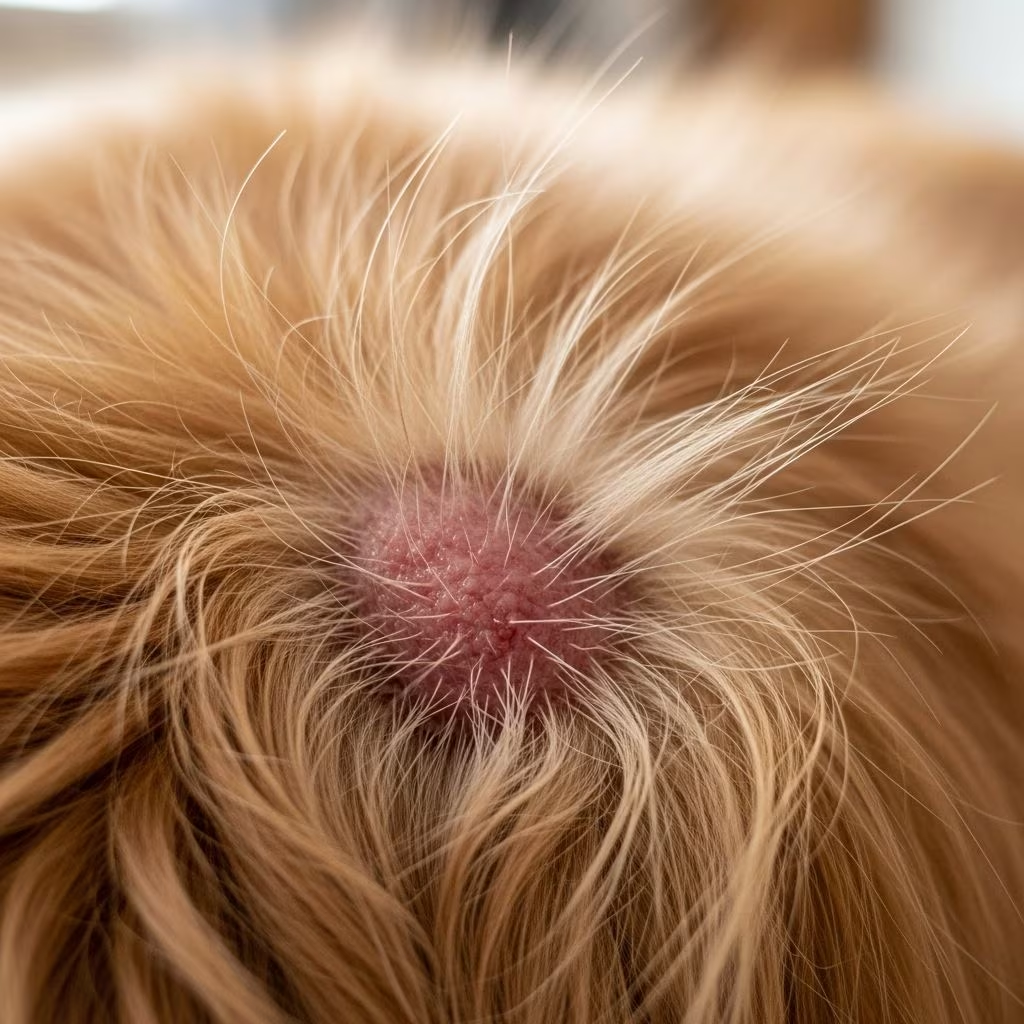
Hot spots, known medically as acute moist dermatitis, represent a common yet distressing skin condition in dogs, characterized by rapidly developing, inflamed, and infected patches of skin. These lesions often start small but can expand quickly due to a dog’s instinctive licking or scratching, leading to pain, oozing, and secondary bacterial infections. Understanding this condition is essential for pet owners to provide timely intervention and prevent recurrence.
Recognizing the Signs of Hot Spots
Early detection is key to managing hot spots effectively. These areas typically appear as red, moist sores that feel warm to the touch and may emit a foul odor. Common indicators include:
- Intense redness and swelling in a localized area
- Hair loss surrounding the lesion
- Moist, weeping discharge or pus
- Scabs, crusting, or raw skin
- Excessive chewing, licking, or scratching at the site
- Sensitivity or pain when the area is touched
These symptoms often emerge suddenly, sometimes within hours, and are frequently found on the head, neck, hips, limbs, or tail base, though they can occur anywhere on the body.
Primary Triggers Behind Hot Spots
Hot spots rarely develop in isolation; they stem from an initial irritation that prompts self-trauma. The cycle begins with an itch or discomfort, followed by licking that breaches the skin barrier, allowing bacteria to proliferate in the warm, moist environment.
Allergic Reactions
Allergies top the list of culprits, encompassing flea allergy dermatitis, food sensitivities, and environmental allergens like pollen, dust mites, or mold. A single flea bite can ignite intense itching in sensitive dogs, leading to obsessive grooming that creates a hot spot.
Parasite and Insect Bites
Fleas, ticks, mosquitoes, and mites provoke strong reactions. Dogs with flea allergies may develop hot spots from minimal infestations, as saliva from bites triggers dermatitis.
Moisture and Grooming Issues
Trapped moisture from swimming, bathing, or rainy weather softens the skin, making it prone to irritation. Poor grooming, matted fur, or dirty coats exacerbate this by harboring bacteria and retaining dampness.
Other Contributors
Stress, boredom, or anxiety can drive excessive licking, while underlying issues like ear infections, wounds, or contact irritants from collars or shampoos add to the risk. Breeds with thick or water-repellent coats, such as Labrador Retrievers and Golden Retrievers, face higher susceptibility.
Professional Veterinary Interventions
While minor cases might improve with home care, veterinary evaluation is crucial, especially for expanding, bleeding, or odorous lesions. Vets diagnose through physical exams and may run tests for allergies or infections.
Standard protocols involve:
- Clipping fur around and on the hot spot to promote drying and access
- Cleaning with antiseptics like chlorhexidine to eliminate bacteria
- Topical sprays, ointments, or desiccating agents for soothing and healing
- Oral antibiotics for bacterial infections
- Steroids, antihistamines, or anti-inflammatories to curb itching and swelling
- Elizabethan collars (cones) to block self-trauma
Sedation may be needed for painful clipping. Addressing root causes, such as flea preventives or hypoallergenic diets, prevents repeats.
Safe Home Management Strategies
Under veterinary guidance, owners can support healing at home. Avoid over-the-counter human products, as they may irritate further.
| Step | Action | Purpose |
|---|---|---|
| 1. Isolate the Area | Prevent licking with a cone or sock | Stops worsening trauma |
| 2. Clean Gently | Use vet-approved antiseptic daily | Reduces bacteria |
| 3. Apply Treatment | Spray vet-recommended hot spot products | Promotes drying and relief |
| 4. Monitor Progress | Check for reduced redness, size | Detects complications early |
Keep the dog dry, use medicated shampoos sparingly, and distract with toys to curb boredom licking. Improvement should occur in 3-7 days; consult a vet if not.
Preventing Future Hot Spot Episodes
Proactive measures target vulnerabilities:
- Parasite Control: Monthly flea/tick preventives year-round.
- Allergy Management: Hypoallergenic diets, antihistamines, or immunotherapy.
- Grooming Routine: Regular brushing, thorough drying post-bath/swim.
- Stress Reduction: Exercise, puzzle toys, or calming aids.
- Environmental Tweaks: Oatmeal baths for itch relief, hypoallergenic bedding.
Breeds like Golden Retrievers, Labrador Retrievers, German Shepherds, and Bulldogs warrant extra vigilance due to coat type and allergy proneness.
Breeds Most Prone to Skin Hot Spots
Certain genetics heighten risk:
- Golden Retriever: Thick coat traps moisture.
- Labrador Retriever: Swimming enthusiasm leads to damp fur.
- English Bulldog: Skin folds harbor irritants.
- German Shepherd: Allergy sensitivities.
Owners of these breeds should prioritize prevention.
Frequently Asked Questions (FAQs)
Can hot spots heal without a vet?
Small, fresh spots might with strict home care, but vet input ensures underlying issues are addressed to avoid infection.
How long do dog hot spots take to heal?
With treatment, 3-14 days; untreated, they spread and prolong suffering.
Are hot spots contagious to other dogs?
No, but bacteria can spread if shared grooming tools or environments aren’t cleaned.
What if my dog removes the cone?
Alternatives include inflatable collars, bodysuits, or sedation; consult your vet for options.
Do hot spots only affect long-haired dogs?
No, any coat type is susceptible, especially with allergies or moisture exposure.
Long-Term Skin Health for Your Dog
Beyond acute care, holistic approaches like omega-3 supplements, regular vet dermatology checks, and diet trials sustain skin integrity. Early intervention transforms hot spots from recurrent nightmares to manageable blips, ensuring your dog’s comfort year-round.
References
- Hot Spots on Dogs: Causes, Symptoms & Treatments — Purina Canada. 2023. https://www.purina.ca/articles/dog/health/dog-hot-spots
- Hot Spots on Dogs: Causes, Symptoms, & Effective Treatments — Maple Grove Pet Hospital. 2024. https://maplegrovepethospital.com/blog/hot-spots-on-dogs-causes-and-treatments/
- Hot Spots on Dogs: Causes, Treatment, and Home Remedies — PetMD. 2025-01-15. https://www.petmd.com/dog/general-health/hot-spots-dogs
- Is It a Hot Spot? — Animal Health Associates. 2023. https://animalhealthassociates.net/is-it-a-hot-spot/
- Hot spots — Cornell University College of Veterinary Medicine. 2024. https://www.vet.cornell.edu/departments-centers-and-institutes/riney-canine-health-center/canine-health-topics/hot-spots
- Hot Spots in Dogs — VCA Animal Hospitals. 2024. https://vcahospitals.com/know-your-pet/hot-spots-in-dogs



