

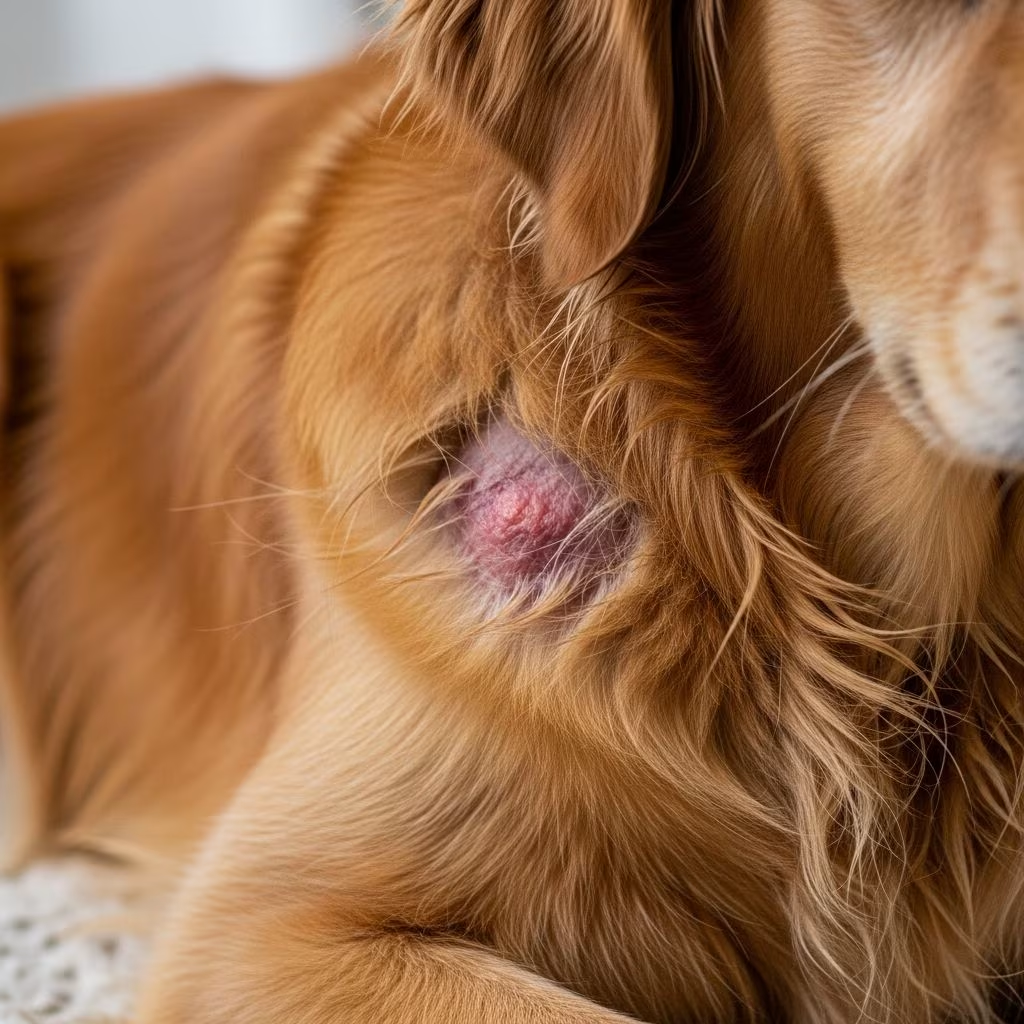
What Are Hot Spots on Dogs?
Hot spots, medically referred to as moist dermatitis or pyotraumatic dermatitis, are common skin infections that develop when dogs engage in excessive chewing, scratching, licking, and gnawing at their skin. These painful, inflamed areas can appear to develop almost overnight, causing considerable discomfort to affected dogs.
The formation of a hot spot begins when a dog’s constant licking and scratching breaks the skin’s protective barrier. As the trauma continues, pus begins to ooze from the damaged skin as infection sets in. Over time, dried pus and damaged skin form a tightly adhered crust over the affected area. Hair loss typically occurs over the infection site, making the condition visually noticeable.
The development of moist dermatitis is a very painful process for dogs. Frequently, your dog will show clear signs of pain when the affected area is touched, indicating the need for prompt attention and care.
Identifying Hot Spots: Symptoms and Signs
Recognizing the early signs of hot spots is crucial for timely intervention. Common indicators include:
- Red, inflamed patches on the skin that appear suddenly
- Excessive licking, chewing, or scratching at a specific area
- Visible hair loss around the affected region
- Oozing pus or discharge from the lesion
- Crusted or scabbed appearance over the wound
- Visible pain or sensitivity when the area is touched
- Foul odor emanating from the infected site
These symptoms may develop rapidly, sometimes within just a few hours, making constant monitoring of your dog’s skin essential, especially during warmer months or if your dog has a history of hot spots.
When to Treat Hot Spots at Home
Not all hot spots require immediate veterinary intervention. If your dog’s hot spot meets specific criteria, home treatment may be appropriate. Consider treating at home only when:
- The hot spot is small in size
- The area is non-painful or mildly painful
- The condition is recognized early in development
- The infection appears uncomplicated without deeper skin involvement
However, the most important step before beginning any home treatment is to call your veterinarian for approval. Your vet can assess whether home treatment is suitable for your dog’s specific situation or if professional care is necessary.
Important Safety Precautions
Before implementing any home treatment strategy, be aware of critical safety guidelines. Never use human topical products on your dog, as they may be toxic when licked and ingested. For example, zinc oxide, commonly found in human skin ointments, can be toxic for dogs. Always use only pet-safe, veterinary-approved products.
Additionally, when using any topical treatment, consult your veterinarian prior to starting. This ensures the product is appropriate for your dog’s specific condition and won’t cause adverse reactions.
How to Treat Your Dog’s Hot Spots at Home
Step 1: Prepare the Area
Begin treatment by carefully clipping the fur covering the hot spot. This crucial step allows air and medication to reach the wound effectively. Use approved grooming clippers for this task—never use scissors, as they can cause accidental lacerations that worsen the situation.
After trimming, gently clean the area with warm water and iodine, or use a diluted chlorhexidine solution. Pat the area dry thoroughly, remembering that moisture worsens hot spots.
Step 2: Apply Moist Compresses
Apply a warm, moist compress to the area three times daily for five to ten minutes to keep the area clean, calm the tissues, and encourage good circulation. After completing each compress session, allow the area to fully dry before applying any topical treatments.
Alternatively, you can apply a cold compress using a moistened towel, which can be soothing and help reduce swelling, inflammation, and itchiness.
Step 3: Prevent Further Trauma
One of the most important steps in treating hot spots is preventing your dog from licking the area. Use an Elizabethan collar, commonly called a cone of shame, or a soft recovery collar to prevent continued licking and scratching. This barrier protection is essential for allowing the wound to heal properly.
Step 4: Apply Topical Treatments
Once the area is clean and dry, you may apply pet-safe topical treatments. Effective options include:
- Pure aloe vera gel for soothing and healing
- Chamomile tea compresses applied to the affected area
- Coconut oil massaged directly into the dog’s skin
- Pet-safe medicated shampoos formulated for skin infections
- Veterinary-approved topical sprays
When applying treatments topically, be conservative with the amount used, especially with coconut oil, as too much can cause stomach upset if ingested. Supervise your dog after application until the product has been absorbed.
Step 5: Never Cover the Area
Do not place any bandages or wraps to cover the area. Hot spots need to breathe and be exposed to air for proper healing. Covering the wound can trap moisture and actually worsen the infection.
Additional Home Remedies and Treatments
Chamomile or Green Tea Soaks
Tea contains tannic acids, which may help soothe the skin and reduce itching. Apply cooled tea bags directly to the affected area, or use concentrated brewed tea that has been cooled and dabbed onto the region. Always ensure the tea is completely cool before application and never apply this remedy to open wounds or broken skin.
Soothing Baths
Regular soothing baths using lukewarm water and a pet shampoo—such as an oatmeal-based colloidal or medicated shampoo—can make a significant difference in your dog’s comfort. However, avoid bathing too frequently, as regular baths with detergent-based shampoos can strip the skin of its natural oils, drying out the skin and fur and making dogs itchier.
Apple Cider Vinegar Soaks
Apple cider vinegar diluted 1:1 with water creates a mild antimicrobial solution. This can be helpful as a foot soak for dogs who develop yeast overgrowth between their paw pads or to clean skin folds. However, note that it will not cure infections in the skin and should not be applied to open wounds or raw skin, as it can cause burning.
Epsom Salt Treatment
Epsom salts contain magnesium sulfate and act to reduce swelling by drawing moisture out. This remedy is best used on areas of the skin with mild swelling that can be easily soaked, such as the feet. However, Epsom soaks can make the skin too moist, so they should not be used on skin that is already very moist or in cases of open wounds or broken skin.
Addressing the Underlying Cause
One of the most critical aspects of hot spot treatment is addressing the underlying cause that started the problem in the first place. Without treating the root cause, you’ll face a losing battle as the dog continues to re-traumatize the area through licking and scratching.
Common underlying causes include:
- Flea and tick infestations (ensure your dog receives year-round flea-and-tick preventatives)
- Allergies—either food-based or environmental
- Ear infections or otitis
- Skin mats or tangles causing irritation
- Dry or itchy skin conditions
- Anxiety or stress-related excessive licking
Work with your veterinarian to identify what triggered the hot spot development so you can eliminate or manage that trigger effectively.
Nutritional Support for Skin Health
Supporting your dog’s skin health from the inside is equally important. Provide your dog with a well-balanced diet that includes high-quality proteins and omega fatty acids. Several supplements can support healthy skin and fur and may reduce itchiness, including products with omega-3 fatty acids such as fish oils.
Additionally, ensure proper hydration. A well-hydrated dog will have well-hydrated skin, which can help support healthy skin-and-coat quality. Try adding moist food to their diet if they only eat kibble, or mix some broth into their food to increase fluid consumption.
When Professional Veterinary Care Is Necessary
While home treatment may work for small, uncomplicated hot spots, certain situations require professional veterinary intervention. Seek immediate veterinary care if:
- The hot spot is large or rapidly expanding
- Your dog shows severe pain when the area is touched
- The infection appears to involve deeper skin layers
- A hot spot is accompanied by a deeper skin infection, which would require more extensive therapy such as oral pain medications, oral anti-inflammatory medications, and oral antibiotics, in addition to topical treatments
- The hot spot is on the head, ear, or another sensitive area
- Your dog has a fever or shows signs of systemic infection
- Home treatment has not improved the condition within a few days
Your veterinarian will choose appropriate treatment based on how severe the problem is, how much pain your dog is in, how long the problem has persisted, and whether the problem is a recurring one.
Prevention Strategies
Preventing hot spots is far easier than treating them. Implement these preventive measures:
- Groom your dog regularly to prevent mats and tangles
- Maintain year-round flea-and-tick prevention
- Check your dog thoroughly for fleas and ticks, especially after outdoor activities
- Keep your dog’s skin dry, particularly after swimming or bathing
- Address any underlying allergies or skin conditions promptly
- Provide appropriate mental stimulation and exercise to reduce anxiety-related licking
- Monitor your dog’s skin regularly for early signs of irritation
Long-Term Outlook
The prognosis for hot spots is generally favorable with prompt treatment. Some dogs may get one or two hot spots and then never experience another one (lucky them), while others may have frequent recurrences. Dogs prone to recurring hot spots may benefit from ongoing preventive measures, regular grooming, and consistent parasite control.
A combination of prompt care and prevention of aggravating the lesion will help it heal, often in just a few days. With proper attention and the right combination of home remedies and veterinary care when needed, most dogs recover well from moist dermatitis.
Frequently Asked Questions (FAQs)
Q: Can I use human antibiotic ointment on my dog’s hot spot?
A: No, you should avoid using human topical products on your dog as they may be toxic when licked and ingested. Always use only pet-safe, veterinary-approved products.
Q: How long does it take for a hot spot to heal with home treatment?
A: With proper care and prevention of further trauma, most hot spots heal within just a few days. However, more severe cases may take longer and may require veterinary intervention.
Q: Why shouldn’t I cover my dog’s hot spot with a bandage?
A: Hot spots need to breathe and be exposed to air for proper healing. Covering the wound can trap moisture and worsen the infection.
Q: Is it safe to use Epsom salt on hot spots?
A: Epsom salt soaks should not typically be used on hot spots because they do not reduce itching or heal the skin, and can make already moist skin too wet. They work best on mildly swollen areas like the feet.
Q: What’s the most important thing to do when treating a hot spot?
A: The most critical step is identifying and addressing the underlying cause of the hot spot. Without treating the root cause, your dog will continue to re-traumatize the area.
Q: Should I use a cone on my dog during hot spot treatment?
A: Yes, using an Elizabethan collar or soft recovery collar is essential to prevent your dog from licking and scratching the affected area, allowing it to heal properly.
References
- What Are Hot Spots On Dogs? — Kinship. https://www.kinship.com/uk/dog-health/home-treatments-moist-dermatitis-dogs-hot-spots
- Home Remedies For Dog Skin Diseases — Kinship. https://www.kinship.com/dog-health/treat-dog-skin-disease-at-home
- 13 Ways to Heal Your Dog’s Itchy Skin—How to Help Them — Kinship. https://www.kinship.com/dog-health/vet-advice-relief-your-dogs-itchy-skin
- Hot Spots in Dogs: What Are They, How to Treat Them — Kinship. https://www.kinship.com/dog-health/dog-hot-spot
- Home Remedies for Hot Spots on Dogs—What to Try — Kinship. https://www.kinship.com/dog-health/hot-spot-home-remedy
- How to Help Dry Skin on Dogs — Kinship. https://www.kinship.com/dog-health/winterizing-your-dogs-coat



