

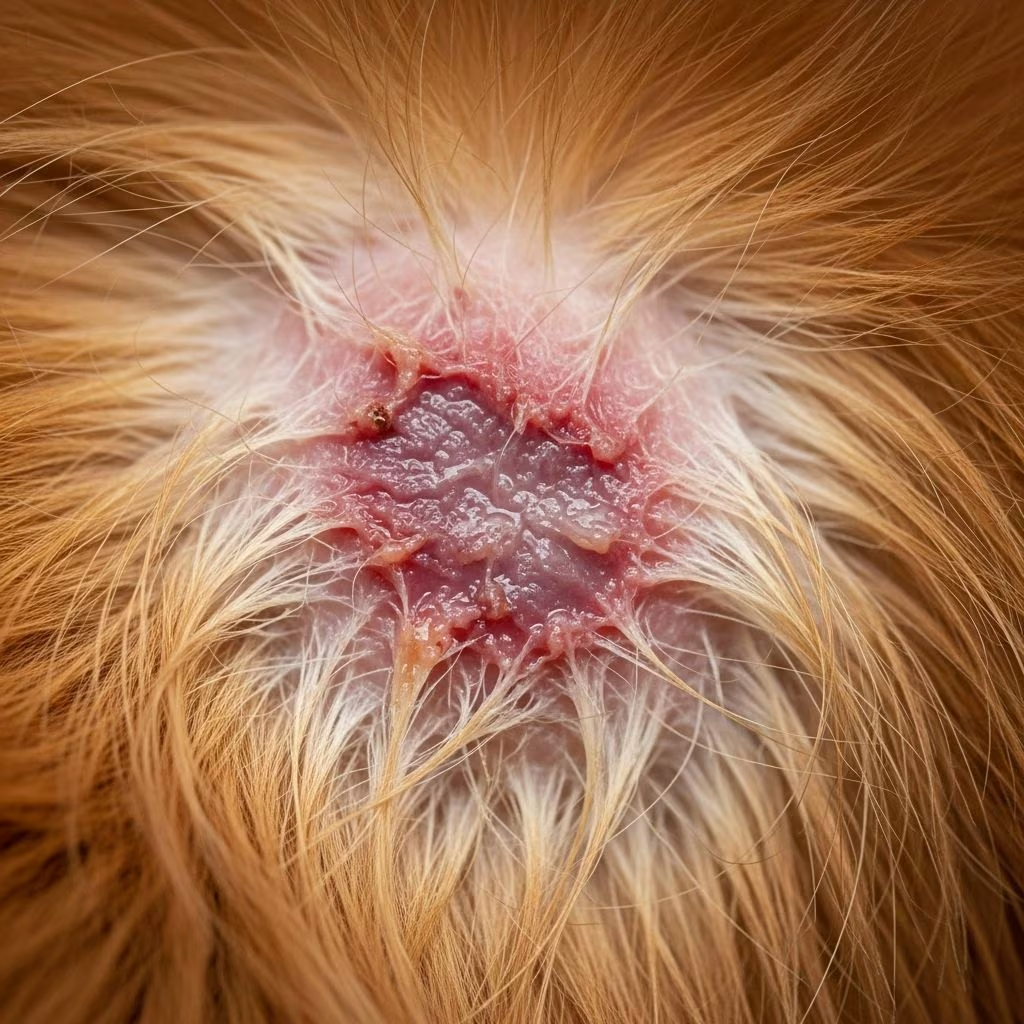
What Are Hot Spots on Dogs?
Hot spots, medically known as acute moist dermatitis or pyotraumatic dermatitis, are localized areas of skin inflammation and infection that develop suddenly and cause significant discomfort to affected dogs. These painful lesions appear as red, inflamed patches on the skin and are characterized by hair loss in the affected area. The term “hot spot” derives from the warmth generated by the inflammatory process occurring beneath the skin’s surface.
Hot spots are self-inflicted skin lesions that form when dogs compulsively lick or chew at a specific area of their body. What often begins as a minor irritation quickly escalates into a more serious problem as the dog’s constant licking and scratching breaks down the skin barrier, creating an open sore that becomes increasingly painful and prone to secondary bacterial infections.
Where Do Hot Spots Appear on Dogs?
Hot spots can develop on virtually any part of a dog’s body, but they are most commonly found in specific locations:
- At the base of the tail
- On the back of the legs
- In the groin area
- Around the neck
- On the cheeks and face
- On the hips and rump
The location of a hot spot can provide valuable clues about its underlying cause. For instance, hot spots appearing on the cheeks may indicate ear infections, while those found at the base of the tail could suggest flea problems or anal gland issues.
Causes of Hot Spots in Dogs
Understanding the root causes of hot spots is essential for effective treatment and prevention. Hot spots rarely develop without an underlying trigger, and identifying the primary cause is crucial for long-term management.
Parasites and Fleas
Flea infestations and flea bite allergies are among the most common causes of hot spots in dogs. Even a single flea bite can trigger an intense allergic reaction in susceptible dogs, leading to excessive scratching and the development of hot spots. Additionally, other parasites such as lice or mites can cause similar irritation.
Environmental and Food Allergies
Environmental allergies to pollen, dust, or mold, as well as food allergies, can trigger itching and scratching that leads to hot spot formation. Allergic dogs often experience increased itching during specific seasons, particularly spring and summer when environmental allergen levels are higher.
Moisture and Humidity
Prolonged moisture on a dog’s skin creates an ideal environment for bacterial growth. Dogs that spend time swimming, wading, or playing in damp conditions without proper drying are at increased risk. Matted fur traps moisture against the skin, exacerbating the problem. Dogs with thick, long coats are particularly vulnerable during warm, humid weather.
Ear Infections and Anal Gland Problems
Ear infections can cause intense itching and scratching, leading dogs to scratch their cheeks and face excessively, resulting in hot spots. Similarly, anal gland infections or impaction can stimulate licking and chewing in the rear area, potentially causing hot spots at the base of the tail or surrounding regions.
Insect Bites
Bites from mosquitoes, flies, ants, and other small insects can trigger localized itching. In some dogs, these bites cause such significant irritation that the dog obsessively licks and chews the area, transforming a minor bite into a serious hot spot.
Stress and Boredom
Psychological factors such as stress, anxiety, or boredom can lead to excessive licking and chewing behaviors. Dogs may obsessively focus on certain body areas as a self-soothing mechanism, ultimately creating hot spots.
Breeds Most Susceptible to Hot Spots
While hot spots can affect any dog breed, certain dogs are significantly more prone to developing these lesions. Dogs with long, thick, or double coats are most vulnerable because their dense fur can trap moisture and prevent proper skin ventilation. Breeds particularly susceptible to hot spots include:
- Golden Retrievers
- German Shepherd Dogs
- Newfoundlands
- Siberian Huskies
- Saint Bernards
- Collies
- Dogs with drop ears
Dogs with hairy ear canals or drop ears that restrict airflow are also at higher risk for hot spots, particularly in warm or humid climates.
Symptoms and Early Warning Signs
Early detection of hot spots is critical for quick recovery and preventing complications. Watch for these warning signs in your dog:
- Excessive licking or chewing in a specific area
- Red, inflamed patches on the skin
- Hair loss or thinning in localized areas
- Moist or crusty appearance on the skin
- Unpleasant odor emanating from the affected area
- Open sores or bleeding
- Pus or discharge from the lesion
- Behavioral changes such as unusual aggression or restlessness
If you notice your dog acting uncharacteristically aggressive or withdrawn, this could indicate pain from an existing hot spot, even if you haven’t visually identified the lesion yet.
Treatment Options for Hot Spots
Treatment approaches vary depending on the hot spot’s severity and duration. Timing is critical when addressing hot spots, as lesions older than 24 hours are likely to have developed secondary bacterial infections requiring veterinary intervention.
Home Treatment for New Hot Spots
If you identify a hot spot within the first 24 hours and your dog doesn’t have a history of recurrent hot spots, home treatment may be effective:
- Clip the hair: Carefully trim the hair around (but not directly on) the hot spot to promote air circulation and reduce moisture accumulation. Use high-quality clippers and be gentle to avoid causing additional pain.
- Clean the area: Gently wash the affected area with mild soap and warm water, then pat dry thoroughly.
- Apply topical treatments: Use veterinary-approved topical sprays, ointments, or medicated washes designed for hot spots.
- Prevent licking: Use an Elizabethan collar (cone) to prevent your dog from further licking or chewing the affected area.
- Keep it dry: Ensure the area remains clean and dry.
Veterinary Treatment
Hot spots older than 24 hours or those showing signs of severe infection require professional veterinary care. Your veterinarian may recommend:
- Thorough cleaning and possibly sedation if the area is extremely painful
- Topical antibiotic ointments or sprays
- Oral antibiotics to treat bacterial infections
- Oral corticosteroids to reduce inflammation and itching
- Pain medication to alleviate discomfort
- Prescription medicated shampoos or washes
Managing Underlying Causes
Long-term hot spot prevention requires addressing the underlying cause. Treatment may include:
- Flea prevention medications
- Allergy management and testing
- Ear infection treatment
- Anal gland expression or treatment
- Dietary modifications for food allergies
- Environmental enrichment and stress reduction
Hot Spot Healing Stages
Understanding the healing progression helps you monitor your dog’s recovery:
- Stage 1 (Days 1-3): Initial inflammation, redness, and hair loss. The area may be warm to the touch.
- Stage 2 (Days 4-7): The lesion may appear to worsen initially as bacteria and inflammation peak. Crusting may develop around the edges.
- Stage 3 (Days 8-14): The crust begins to dry and peel away. New hair may start growing back.
- Stage 4 (Days 15+): Complete hair regrowth and skin healing. The area should return to normal color and texture.
Recovery times vary depending on the hot spot’s severity and your dog’s overall health. Don’t interrupt the healing process by allowing your dog to lick or chew the area during recovery.
Prevention Strategies
Preventing hot spots is far more effective than treating them. Implement these preventive measures:
Grooming and Coat Maintenance
Regular grooming is essential for prevention:
- Brush your dog’s coat regularly to remove mats and tangles that trap moisture
- Bathe your dog with quality shampoos appropriate for their coat type
- Dry your dog thoroughly after bathing or swimming, using towels and blow dryers if necessary
- Keep the coat trimmed during warm seasons to improve air circulation
- Clean ear canals regularly, especially for dogs with drop ears
Parasite Prevention
Consistent flea and tick prevention is crucial:
- Use veterinary-recommended flea prevention products year-round
- Check your dog regularly for signs of fleas or parasites
- Wash bedding frequently in hot water
- Maintain yard hygiene to reduce parasite populations
Moisture Management
If your dog enjoys water activities:
- Rinse your dog with clean water after swimming to remove chlorine or salt
- Dry your dog thoroughly, paying special attention to areas prone to hot spots
- Allow your dog’s coat to dry completely before bedtime
- Consider limiting water activities during peak summer months for susceptible dogs
Allergy Management
If your dog suffers from allergies:
- Work with your veterinarian to identify and manage allergens
- Consider allergy testing if allergies are suspected
- Explore dietary changes if food allergies are identified
- Use omega-3 supplements to support skin health
Regular Veterinary Care
Maintain regular check-ups to catch potential issues early, including ear infections and anal gland problems that could trigger hot spot development.
When to Seek Veterinary Care
Contact your veterinarian if:
- The hot spot is older than 24 hours
- The area shows signs of infection (pus, discharge, increased redness)
- The lesion is bleeding or very deep
- Your dog is in significant pain or acting unwell
- Home treatment hasn’t improved the condition within 48 hours
- Your dog has a history of recurrent hot spots
- The hot spot covers a large area
Frequently Asked Questions
Q: Are hot spots contagious to other dogs?
A: Hot spots themselves are not contagious, but if they result from fleas or parasites, those parasites can spread to other animals. Bacterial infections from hot spots are also not typically contagious between dogs.
Q: Can hot spots be prevented entirely?
A: Yes, many hot spots can be prevented by managing underlying causes such as fleas, allergies, and ear infections. However, some dogs with chronic allergies may be prone to recurrence despite preventive measures.
Q: How long does it take for a hot spot to heal?
A: Most hot spots heal within 2-4 weeks with proper treatment, though the timeline depends on severity and how well the underlying cause is managed. New hair growth may take several weeks after the lesion closes.
Q: Should I use an Elizabethan collar on my dog with a hot spot?
A: Yes, an Elizabethan collar is highly recommended to prevent your dog from licking or chewing the hot spot, which would worsen the condition and delay healing.
Q: Can I treat a hot spot with home remedies only?
A: Home remedies may work for very new hot spots (under 24 hours old), but lesions older than this typically require veterinary treatment due to bacterial infection risk.
Q: What’s the difference between a hot spot and other skin conditions?
A: Hot spots are painful, moist lesions caused by excessive licking and chewing, while other skin conditions may have different causes and presentations. Your veterinarian can perform diagnostic tests to differentiate between conditions.
References
- Hot Spots — Cornell University College of Veterinary Medicine. 2024. https://www.vet.cornell.edu/departments-centers-and-institutes/riney-canine-health-center/canine-health-information/hot-spots
- Canine Hot Spots: Understanding, Treating, and Preventing Summer Skin Woes — Virginia Tech News. 2025-07. https://news.vt.edu/articles/2025/07/canine-dog-hot-spots-dermatology-veterinary-medicine.html
- What Are Hot Spots on Dogs? How Do I Treat Them? — Chewy. 2024. https://www.chewy.com/education/dog/health-and-wellness/hot-spots-on-dogs
- Hot Spots in Dogs: Understand Causes & Treatments — Vetericyn. 2024. https://vetericyn.com/blogs/vetericyn/what-causes-hot-spots-in-dogs
- 8 Vet-Approved Home Remedies for Your Dog — PetMD. 2024. https://www.petmd.com/dog/general-health/home-remedies-for-dogs



