Hot Spots in Cats: Causes, Treatment & Prevention
Complete guide to identifying, treating, and preventing hot spots in cats.
Understanding Feline Hot Spots: A Complete Guide
It’s hard not to worry when you hear your cat’s constant licking and scratching, especially when it seems focused on one painful spot. Hot spots can affect both dogs and cats, but understanding how to identify, treat, and prevent these uncomfortable skin conditions in felines is essential for any cat owner. In cats, hot spots tend to show up on the face, chin, base of the tail, behind the ears, or even on the belly. These painful lesions can develop quickly and cause significant discomfort if not addressed promptly.
What Are Feline Hot Spots?
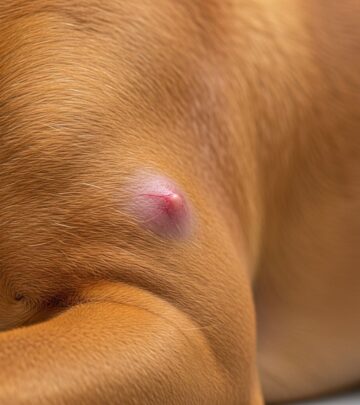
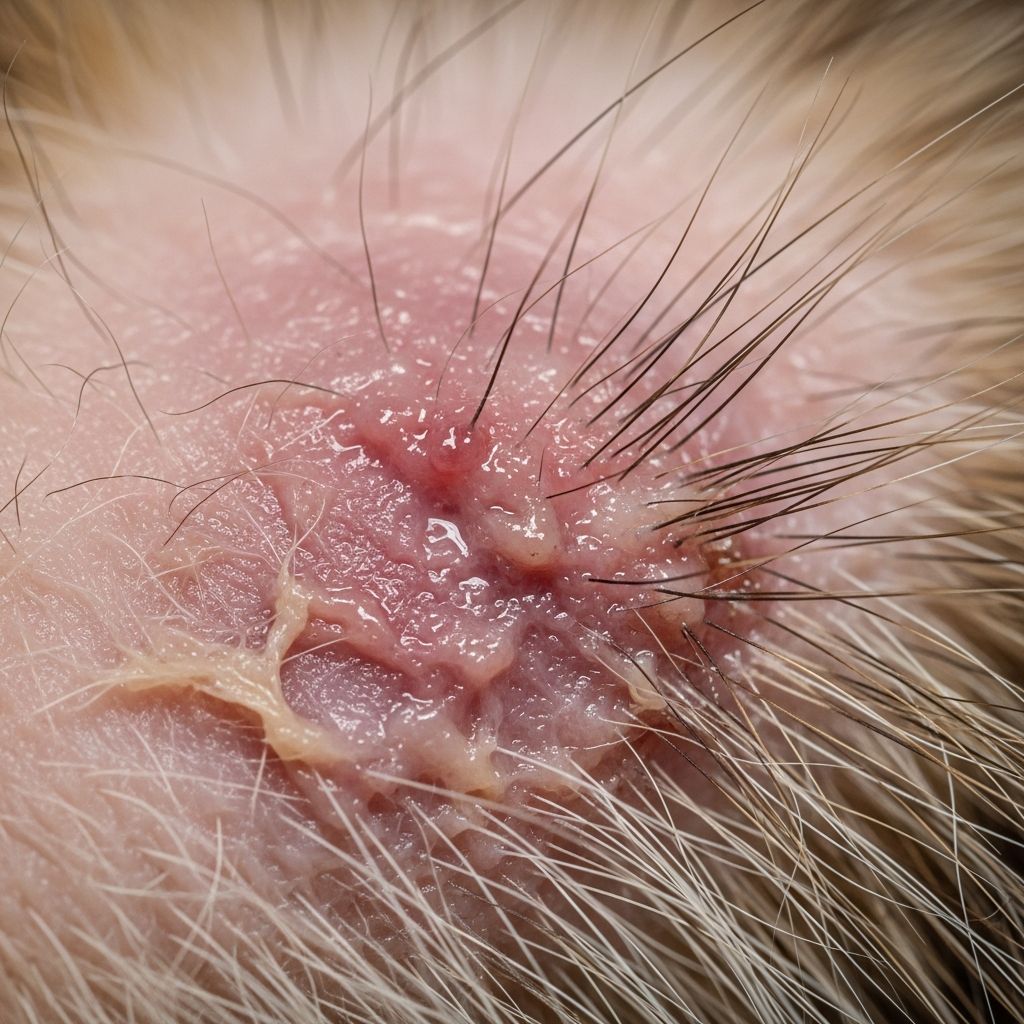
Hot spots in cats, also known as pyotraumatic dermatitis or acute moist dermatitis, are red, inflamed skin lesions that develop rapidly and can ooze or contain pus. These names accurately describe the inflammatory nature of these lesions, which are exacerbated by the cat’s own scratching and licking behavior. The condition creates a vicious cycle: an itchy area becomes irritated, your cat scratches or licks it intensely, creating an open wound, and then continued licking and scratching worsens the injury, leading to increasingly inflamed and oozing lesions.
Common Locations and Characteristics
While hot spots can appear anywhere on a cat’s body, certain areas are more susceptible. Common locations include:
– The face and chin- Base of the tail- Behind the ears- The belly area
These painful, itchy, and often smelly sores may be very obvious to the naked eye or hidden beneath matted fur, making regular grooming and inspection important for early detection. The lesions can range from small irritated patches to larger, more serious wounds depending on how vigorously your cat has been licking and scratching.
Identifying the Root Causes of Hot Spots
Understanding what triggers hot spots in your cat is crucial for effective prevention and treatment. Multiple underlying conditions can lead to the excessive scratching and licking that initiates this painful cycle.
Parasitic Causes
Flea allergy dermatitis remains one of the most common culprits behind feline hot spots. Even a single flea bite can trigger an allergic reaction in sensitive cats, causing intense itching that leads to self-trauma. Unlike dogs, cats are particularly susceptible to flea-related complications, and they may not show obvious signs of flea infestation despite having the parasites.
Allergic Reactions
Cats can develop various types of allergies that manifest as skin irritation:
– Environmental allergies (atopy) to pollen, dust, mold, or other airborne allergens- Food allergies triggered by specific ingredients in their diet- Contact allergies to grooming products, litter, or household chemicals
Infectious Conditions
Ear infections caused by bacteria or yeast in the ear canal can be so irritating that cats scratch at their ears, creating hot spots on the ear flap, behind the ear, or on the neck. Pyoderma, or primary skin infections caused by bacteria or yeast, may also incite excessive scratching that leads to secondary hot spot formation.
Other Contributing Factors
Anal gland inflammation occurs when infected or impacted anal glands become painful and annoying. Cats may lick the area around the rectum excessively, causing hot spots to develop under or on top of the tail. Additionally, stress, boredom, behavioral issues, and poor grooming conditions can all contribute to the development of hot spots in cats.
Treatment Strategies for Feline Hot Spots
When you discover a hot spot on your cat, prompt treatment is essential to prevent the condition from worsening. Your veterinarian will employ several treatment strategies depending on the severity and underlying cause.
Stopping Self-Trauma
The primary goal in treating a hot spot is to stop the self-mutilation and trauma. Some effective options include:
– Elizabethan collar (E-collar or cone) to prevent the cat from further chewing or licking the affected area- Protective coverings like socks or bandages to act as a physical barrier- Topical or oral medications such as steroids and antihistamines to reduce itching and discomfort
Professional Grooming and Cleaning
Clipping the hair away from the hot spot and surrounding area is crucial to a successful treatment plan. The hot spot will heal more quickly if the hair is removed, allowing the lesion to dry properly. Grooming may be painful for your cat, so sedation might be necessary beforehand. After clipping, your veterinarian will disinfect the lesion with a chlorhexidine solution that effectively kills bacteria. Topical antibiotics, desiccating sprays, and soothing reagents will be more effective when applied to a clipped, clean skin surface.
Medications and Systemic Treatment
For more serious hot spots, your veterinarian may prescribe:
– Oral antibiotics to combat bacterial infection- Steroids and antihistamines to reduce inflammation and itching- Pain medications to improve your cat’s comfort during healing
Addressing Underlying Causes
Treating the root cause is essential to prevent recurrence:
– If flea allergy is the cause, implement a comprehensive flea control protocol using monthly preventatives- For ear infections, treat the underlying yeast or bacterial infection- If anal glands are impacted, they will need to be expressed by your veterinarian- For environmental or food allergies, your veterinarian can recommend avoidance strategies or desensitization therapy- In cases of behavioral issues or stress, environmental enrichment and behavior modification may help- For poor grooming conditions, work with an experienced professional groomer familiar with fear-free techniques
Prevention Strategies for Long-Term Health
By understanding what causes hot spots on cats and taking proactive measures, you can significantly reduce the likelihood of your feline friend developing these uncomfortable lesions.
Regular Grooming and Hygiene
Establishing a consistent grooming routine is one of the most effective preventive measures. Regular brushing helps remove mats and tangles, improves air circulation to the skin, and allows you to inspect for early signs of irritation. Bathing with appropriate cat shampoos can also help, though most cats require less frequent bathing than dogs.
Parasitic Prevention
Year-round flea and tick prevention is essential, particularly for cats prone to allergic reactions. Monthly preventatives are available in various forms including topical treatments, oral medications, and collars. Consult your veterinarian to determine the best option for your cat’s specific needs.
Dietary Management
If your cat has food allergies, working with your veterinarian to identify trigger ingredients and switching to a hypoallergenic or elimination diet can significantly reduce itching. Some cats benefit from specific ingredient diets formulated for sensitive skin.
Environmental Control
Managing your cat’s environment to minimize exposure to known allergens can help. This might include using air purifiers, choosing fragrance-free litters, and avoiding harsh cleaning chemicals. If environmental allergies are a concern, your veterinarian may recommend specific interventions to reduce exposure.
Stress Reduction and Enrichment
Cats experiencing stress or boredom may develop behavioral licking and scratching. Providing adequate mental and physical enrichment, including interactive toys, climbing structures, and regular playtime, can reduce stress-related behaviors that lead to hot spots.
Regular Veterinary Checkups
Scheduling regular wellness visits allows your veterinarian to identify and address potential skin issues before they develop into hot spots. Early detection and treatment of ear infections, parasites, or other conditions can prevent the cascade that leads to hot spots.
When to Seek Veterinary Care
While some minor skin irritation might resolve with home care, certain situations warrant immediate veterinary attention:
– Hot spots that don’t improve within a few days of home treatment- Large or rapidly expanding lesions- Signs of infection such as pus, foul odor, or swelling- Hot spots accompanied by fever or lethargy- Multiple hot spots appearing simultaneously- Excessive scratching affecting your cat’s quality of life
Frequently Asked Questions About Feline Hot Spots
Q: How quickly can hot spots develop in cats?
A: Hot spots can develop extremely rapidly—sometimes in just a couple of hours. Your cat can go from having a small area of redness to a significantly larger, raw lesion through intense scratching and licking, which is why early intervention is so important.
Q: Can hot spots be contagious between cats?
A: Hot spots themselves are not directly contagious, but the underlying causes may be. For example, if one cat has fleas or a contagious skin infection, other cats in the household could develop the same condition and subsequently get hot spots. Good parasite prevention and hygiene practices help protect all pets in your home.
Q: Are certain cat breeds more prone to hot spots?
A: While any cat can develop hot spots, those with longer, denser coats may be slightly more susceptible due to reduced air circulation and increased moisture retention. Additionally, cats with genetic predispositions to allergies may develop hot spots more frequently.
Q: What’s the difference between a hot spot and other skin conditions?
A: Hot spots are specifically characterized by rapid onset, intense itching, self-trauma from licking and scratching, and often an oozing or moist appearance. Other skin conditions may develop more gradually or have different presentations. Your veterinarian can properly diagnose the specific condition affecting your cat.
Q: How long does it take for a hot spot to heal?
A: Healing time depends on the severity of the lesion and how well the underlying cause is managed. Many hot spots can show improvement within one to two weeks with proper treatment, but complete healing may take several weeks, especially for larger or more serious lesions.
Q: Can I treat my cat’s hot spot at home?
A: While you can provide supportive care such as keeping the area clean and preventing further licking with an E-collar, professional veterinary treatment is recommended for optimal results. Your veterinarian can properly clean and disinfect the wound, prescribe necessary medications, and address the underlying cause to prevent recurrence.
Conclusion
Hot spots in cats can be uncomfortable and concerning, but with early recognition and proper treatment, they can be effectively managed. By understanding what causes hot spots, knowing how to treat them, and staying proactive in your cat’s skin care through regular grooming, parasite prevention, and veterinary checkups, you can significantly reduce the likelihood of these painful lesions developing. Your attention to your feline companion’s health and comfort will go a long way in keeping your cat happy, healthy, and free from the troublesome irritation of hot spots.
References
- Hot Spots in Dogs — VCA Animal Hospitals. 2025. https://vcahospitals.com/know-your-pet/hot-spots-in-dogs
- First Aid for Hot Spots in Dogs — VCA Animal Hospitals. 2025. https://vcahospitals.com/know-your-pet/first-aid-for-hot-spots-in-dogs
- Hot Spots—What Are They and How to Treat Them? — VCA Animal Hospitals. 2025. https://vcahospitals.com/shop/home/articles/hot-spots-what-are-they-and-how-to-treat-them
- Common Skin Conditions in Pets — DVM360. 2023. https://www.dvm360.com/view/common-skin-conditions-in-pets
Similar Articles







Read full bio of Sneha Tete