

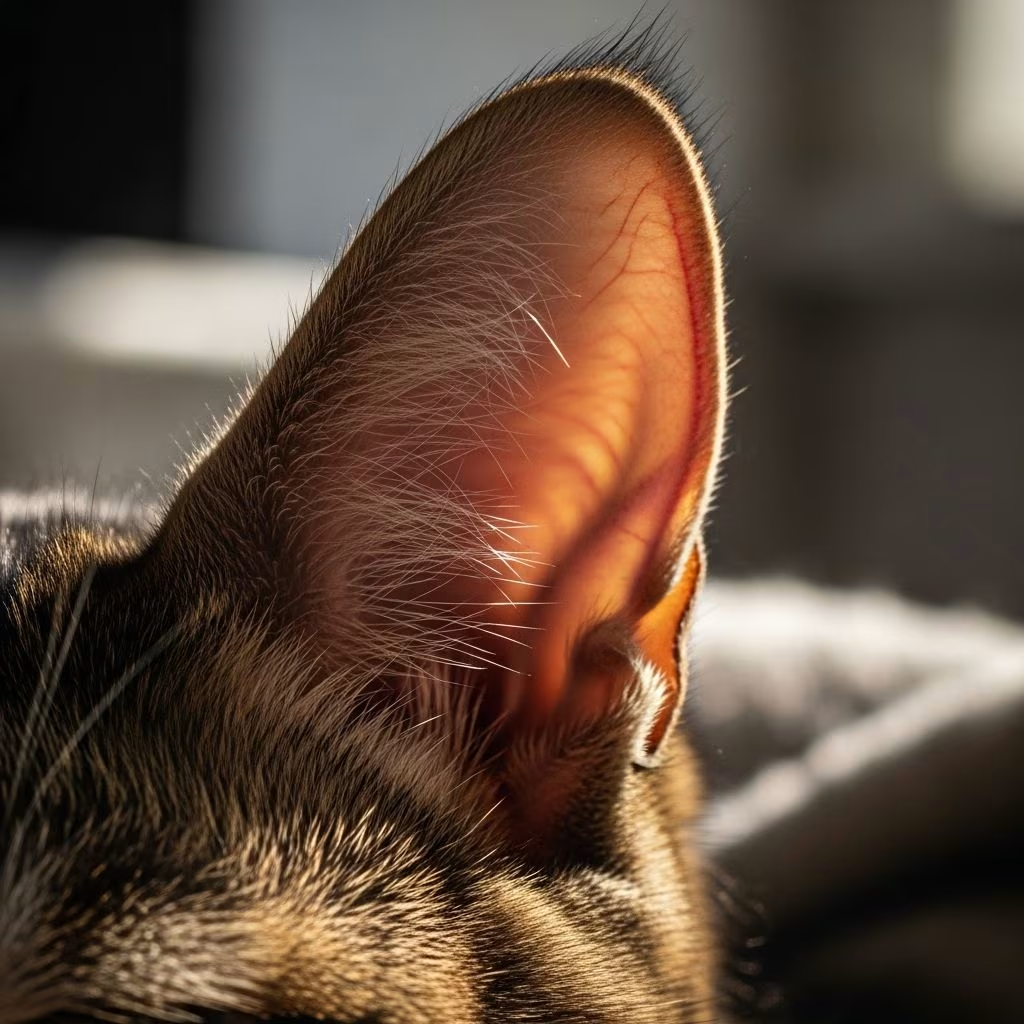
Many cat owners notice their pet’s ears feeling unusually warm during a casual petting session. This sensation often sparks concern, but in most cases, it’s a normal physiological response. Cats maintain a higher baseline body temperature than humans, typically ranging from 101°F to 102.5°F, which naturally makes areas like the ears feel hot to the touch. Understanding the spectrum of causes—from harmless environmental adaptations to potential health red flags—empowers owners to respond appropriately.
Normal Reasons for Warm Feline Ears
Before worrying, consider everyday factors that elevate ear temperature without indicating disease. Cats’ ears serve as efficient radiators for body heat, packed with blood vessels that adjust flow based on needs.
- High Natural Body Heat: Felines run hotter than people, so ears often feel warm even at rest. This is especially noticeable if you’ve just handled cooler objects.
- Sunbathing or Warm Spots: Lounging in sunlight or on heated surfaces causes localized warming as cats absorb ambient heat.
How Cats Use Ears for Temperature Control
Cats excel at thermoregulation through vasodilation and vasoconstriction in their ears, paws, and nose. In warm conditions, blood vessels expand to dissipate heat; in cold, they contract to retain it. Sun exposure near windows can trigger this, making ears and noses temporarily hotter. Indoor cats basking in sunbeams exhibit this adaptation routinely, aiding survival in varying climates.
| Condition | Ear Response | Other Affected Areas |
|---|---|---|
| Warm Weather | Vasodilation (increased blood flow) | Paws, nose warm |
| Cold Weather | Vasoconstriction (reduced blood flow) | Ears cooler |
| Sun Exposure | Temporary heat release | Overall body cooling |
Prevent heat stress in summer by providing shade, fresh water, and brushing to remove excess fur.
Allergies: A Common Culprit for Ear Warmth
Allergic reactions frequently manifest in the ears, causing inflammation and mild warmth. Triggers include pollen, dust, food proteins, or flea bites. Cats may scratch or lick excessively, further heating the area through friction. Symptoms extend beyond ears: sneezing, watery eyes, diarrhea, or skin redness signal systemic involvement. Veterinary allergy testing identifies specifics, enabling targeted management like hypoallergenic diets or environmental controls.
Fever Indicators in Cats
When warmth accompanies systemic signs, fever from infections or inflammation may be at play. Ears and belly feel hot, but confirm with a rectal thermometer (normal: 100.5°F–102.5°F). Accompanying clues include:
- Lethargy or hiding
- Appetite loss
- Vomiting or diarrhea
- Dehydration signs like tacky gums
Fever demands prompt vet evaluation, as it signals underlying issues like viral illnesses or abscesses. Do not medicate without guidance—human drugs like acetaminophen are toxic to cats.
Ear Mites: Parasites Causing Heat and Irritation
Tiny parasites thrive in ear canals, feeding on wax and oils, sparking intense itching. Affected cats shake heads vigorously or rub ears on surfaces, generating friction heat alongside inflammation. Dark, crumbly discharge with a coffee-ground appearance and foul odor are hallmarks. Highly contagious, mites spread via close contact. Over-the-counter treatments exist, but vets prescribe safe, effective options like selamectin to eradicate them fully and prevent recurrence.
Ear Infections: Beyond Mites
Otitis externa affects the outer canal, often secondary to mites, yeast, bacteria, or allergies. Excess wax creates a moist haven for pathogens; trauma or foreign objects exacerbate risks. Warmth stems from inflammation and self-trauma via scratching. Key symptoms:
- Head tilting or balance loss
- Pain on handling
- Discharge (yellow/brown, yeasty smell)
- Hearing impairment
Untreated infections burrow deeper, risking hematomas or permanent damage. Diagnosis involves cytology; treatment combines cleaning, antibiotics, antifungals, or steroids.
Rare but Serious Conditions
Less commonly, hyperthyroidism in seniors boosts circulation, warming extremities. Autoimmune disorders or tumors can inflame ears. Monitor for weight loss, hyperactivity, or asymmetry. Bloodwork pinpoints endocrine issues.
Monitoring Your Cat’s Ear Health
Regular checks prevent escalation. Gently inspect weekly:
- Look for redness, swelling, or debris.
- Sniff for odors.
- Observe behavior: shaking, tilting, scratching.
- Feel symmetrically—compare sides.
Clean only outer folds with vet-approved wipes; never probe canals. Maintain flea prevention and balanced nutrition to bolster immunity.
Home Remedies and Prevention Strategies
For mild warmth sans symptoms, ensure cool environments. Supportive care includes:
- Hydration boosts
- Cool compresses (brief, supervised)
- Omega-3 supplements for allergies
Prevention table:
| Strategy | Benefit |
|---|---|
| Monthly parasite control | Blocks mites/fleas |
| Hypoallergenic food trial | Reduces allergy flares |
| Regular grooming | Removes allergens, aids cooling |
| Annual vet exams | Early detection |
When to Contact a Veterinarian
Seek care if warmth persists >24 hours with any red flags: discharge, odor, behavioral shifts, or one-sided heating. Emergency if seizure-like symptoms or profound lethargy appear. Vets use otoscopes, swabs, and imaging for thorough assessment.
Frequently Asked Questions (FAQs)
Are cat ears supposed to be warm?
Yes, moderately warm ears are normal due to higher body temperature and vascularity.
Why are my cat’s ears hot but nose cold?
Nose cools via evaporation; ears prioritize heat dump in warmth.
Can stress make cat ears hot?
Indirectly—stress prompts grooming, heating via friction.
How do I cool my cat’s hot ears?
Shade, water, fans; avoid ice directly.
Do ear mites cause permanent damage?
Prompt treatment prevents; delays risk scarring.
Conclusion: Stay Vigilant for Your Cat’s Well-Being
Hot ears often signal nothing amiss, reflecting cats’ adept physiology. Yet, paired with oddities, they warrant scrutiny. Proactive care keeps ears—and your companion—thriving.
References
- Why are my cat’s ears hot? — Bishop Ranch Veterinary Center. 2023. https://www.webvets.com/blog/why-are-my-cats-ears-hot.html
- Why are my cat’s ears warm? — Cedar Animal Medical Center. 2023-12-15. https://www.cedaranimalmedicalcenter.com/site/blog/2023/12/15/cat-ears-warm
- My cat’s ears are hot, should I be worried? — South Charlotte Vet. 2023-12-15. https://www.sharonlakes.com/site/blog-south-charlotte-vet/2023/12/15/cat-hot-ears
- Why Are My Cat’s Ears Warm? — All Care Pet Clinic. 2024-04-15. https://www.allcarepetclinic.com/site/blog/2024/04/15/why-are-my-cats-ears-warm
- Why Are My Cat’s Ears Hot? — Rover.com. N/A. https://www.rover.com/blog/why-are-my-cats-ears-hot/
- Cat Ear Infection: Symptoms, Causes, and Treatment — PetMD. N/A. https://www.petmd.com/cat/conditions/ears/cat-ear-infections



