

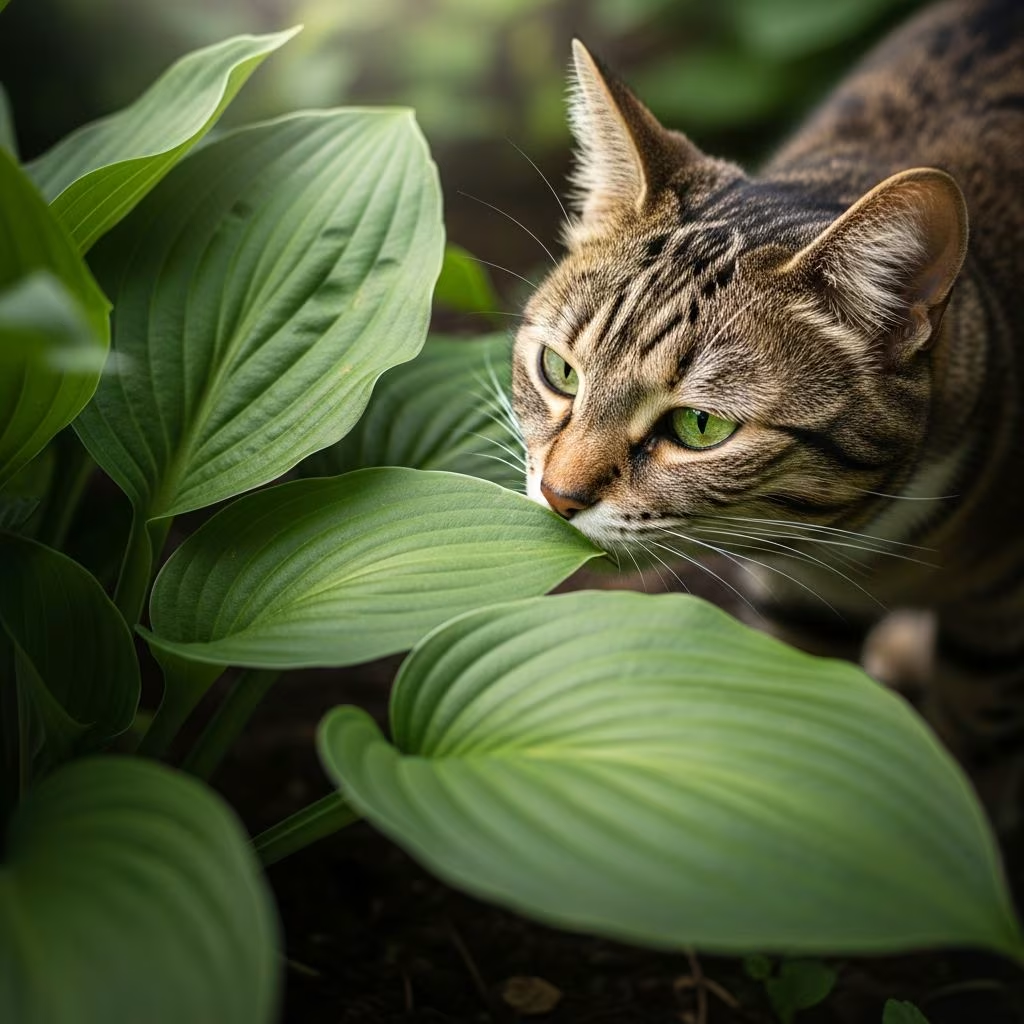
Hostas, prized for their lush foliage in shaded gardens, contain saponins that make them mildly toxic to cats, typically causing gastrointestinal upset such as vomiting and diarrhea upon ingestion. While fatalities are rare, prompt recognition of symptoms and preventive measures are crucial for cat owners who enjoy these plants.
Understanding Hosta Plants and Their Appeal
Hostas belong to the Liliaceae family, with scientific names like Hosta plantaginea or Hosta plataginea, and are also called plantain lilies or funkia. These perennials thrive in low-light conditions, producing broad leaves in shades of green, blue, or variegated patterns, often accented by lavender or white flowers in summer. Gardeners favor them for low maintenance and pest resistance, but their accessibility heightens risks for curious cats who nibble on foliage.
The plants’ saponins—bitter phytochemicals—deter most animals but can irritate a cat’s digestive system if consumed. All parts, from leaves to roots, pose this risk, though cats rarely eat large quantities due to the unpalatable taste.
Why Cats Encounter Hostas
Indoor-outdoor cats or those in homes with gardens frequently investigate plants out of boredom, hunting instinct, or nutritional curiosity. Young kittens and playful adults are most prone, especially in yards where hostas form dense borders. Even brief outdoor access during supervised play can lead to accidental munching.
- Common scenarios: Cats batting at leaves, mistaking them for toys, or grazing during yard exploration.
- Risk factors: Multi-pet homes, unsecured gardens, or hostas near windowsills and patios.
Symptoms of Hosta Ingestion in Cats
Effects usually appear within hours, starting with drooling from the bitter taste, followed by vomiting and loose stools. Mild cases resolve in 12-24 hours, but monitor for escalation.
| Symptom | Severity | Duration |
|---|---|---|
| Vomiting | Mild to moderate | Hours to 1 day |
| Diarrhea | Mild | Up to 24 hours |
| Lethargy | Mild | 1-2 days |
| Anorexia (loss of appetite) | Mild | Short-term |
| Bloody stool (rare, severe) | Moderate to severe | Requires vet |
Severe signs like persistent vomiting beyond 24 hours, blood in feces, or depression warrant immediate veterinary care. These align with ASPCA reports on saponin effects across dogs, cats, and horses.
When to Contact a Veterinarian
Not every nibble demands a trip, but err on caution. Call your vet or a pet poison hotline if symptoms persist or worsen. Provide details: amount ingested, time elapsed, and plant photos for identification—misidentification can delay treatment.
- Immediate action for: Bloody diarrhea, multiple vomit episodes, weakness, or dehydration signs like dry gums.
- Supportive care: Withhold food briefly, ensure hydration, and avoid home remedies without guidance.
For mild cases, vets may recommend observation; severe ones might involve fluids or anti-nausea meds. Online vet consults offer quick advice if clinics are unavailable.
Prevention Strategies for Cat Owners
The simplest safeguard is relocating hostas beyond reach or opting out entirely. Indoor cats face lower risks, but dedicated plant rooms or high shelves help.
Garden Modifications
- Install cat-proof fencing or enclosed patios (catios) for safe outdoor time.
- Use bitter sprays or physical barriers like chicken wire around beds.
- Supervise play and train with deterrents like citrus peels or motion-activated sprinklers.
Indoor Safety Tips
Elevate pots on hanging baskets or tall stands. Distract with cat grass or toys mimicking plant textures. Regular yard sweeps remove fallen leaves.
Recognizing Other Toxic Plants
Hostas aren’t alone; many shade-lovers threaten cats. Prioritize removal of high-risk species.
| Plant | Toxins | Key Symptoms |
|---|---|---|
| Lilies | Unknown | Kidney failure |
| Azaleas/Rhododendrons | Grayanotoxins | Vomiting, heart issues |
| Sago Palms | Cycasin | Liver damage |
| Daffodils | Lycorine | Vomiting, convulsions |
| Autumn Crocus | Colchicine | Gastro upset, organ failure |
Avoid these alongside hostas for a safer environment.
Safe Plant Alternatives for Cat Homes
Embrace non-toxic options mimicking hostas’ shade tolerance and aesthetics.
- Spider Plant (Chlorophytum comosum): Arching leaves, air-purifying, survives nibbling.
- Parlor Palm (Chamaedorea elegans): Feathery fronds, low-light lover.
- Boston Fern (Nephrolepis exaltata): Lush and cascading, humidity-boosting.
- Calathea: Patterned leaves in various colors, pet-safe.
- Catnip (Nepeta cataria): Encourages play without harm.
ASPCA lists confirm these as safe; verify locally.
Long-Term Health Monitoring
Post-exposure, track recovery: normal eating, energy, and stool within days signals success. Annual vet checkups catch vulnerabilities like weakened immunity increasing toxicity risks. Educate household members on plant hazards.
Balanced diets reduce grazing urges—high-fiber kibble or fresh veggies like cucumber mimic plants safely.
Frequently Asked Questions
Are all hosta varieties equally toxic to cats?
Yes, saponins occur across varieties like Hosta ‘Frances Williams’ or ‘Geisha,’ making all mildly hazardous.
Can a single leaf harm my cat?
Typically mild effects from small amounts, but monitor closely; larger ingestions amplify symptoms.
What if my cat ate hosta yesterday and seems fine?
Delayed signs possible; consult vet if any lethargy or appetite loss appears.
Are hostas toxic to other pets?
Yes, dogs and horses experience similar GI distress.
How do I identify hosta poisoning vs. other issues?
Recent plant access plus vomiting/diarrhea points to it; vet tests confirm.
Creating a Pet-Friendly Landscape
Design zones: catio for play, fenced gardens for plants. Native, pollinator-friendly non-toxics enhance biodiversity. Community resources like extension services offer regional safe plant guides.
Invest in durable enclosures balancing beauty and safety. Tech aids like pet cams monitor remotely.
References
- Are Hostas Poisonous to Cats? Vet-Reviewed Facts — Hepper. 2023. https://articles.hepper.com/are-hostas-poisonous-to-cats/
- Are Hostas Poisonous to Cats? Our Vet-Approved Advice — Catster. 2023. https://www.catster.com/cat-health-care/are-hostas-poisonous-to-cat/
- Hosta | Pet Poison Helpline — Pet Poison Helpline. 2024. https://www.petpoisonhelpline.com/poison/hosta/
- Hosta – Toxic and Non-toxic Plants — ASPCA. 2023. https://www.aspca.org/pet-care/aspca-poison-control/toxic-and-non-toxic-plants/hosta
- 15 Common Plants that Are Toxic + Poisonous to Dogs & Cats — Install It Direct. 2022. https://www.installitdirect.com/learn/plants-poisonous-dogs-cats/



