

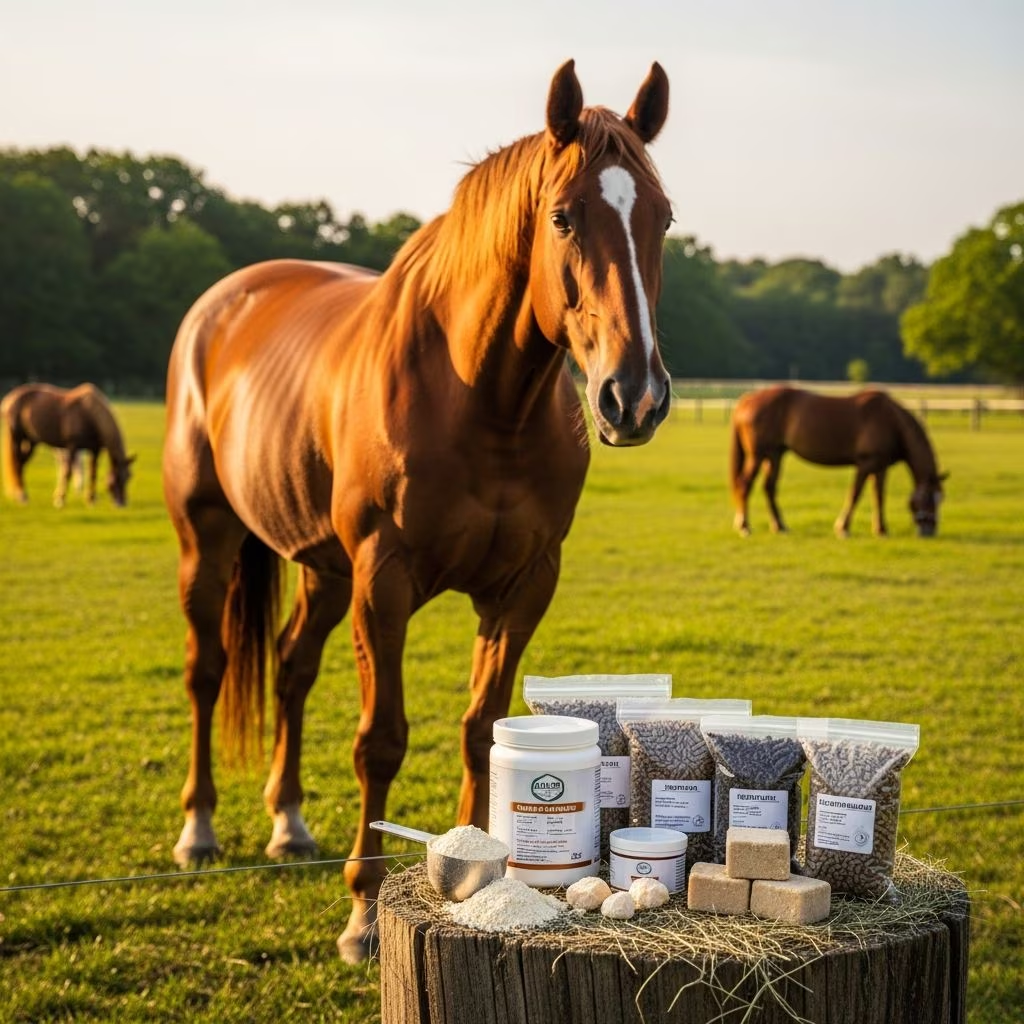
Understanding Horse Weight Gain Supplements
Maintaining proper body condition is essential for the health, performance, and overall well-being of horses. While a balanced diet of quality hay and grain forms the foundation of equine nutrition, many horses benefit from supplemental support to achieve and maintain ideal weight. Horse weight gain supplements are specially formulated products designed to provide additional calories, essential nutrients, and vitamins that support healthy weight gain and muscle development. These supplements can help horses build muscle mass, improve body condition, and enhance overall health when used in conjunction with a balanced diet and proper veterinary care.
Whether you have a competition horse requiring peak conditioning, a breeding mare supporting gestation or lactation, a senior horse with changing nutritional needs, or a horse recovering from illness, weight gain supplements offer targeted nutritional support. Understanding the science behind these supplements and knowing how to select the right product for your horse’s individual needs is crucial for success.
Why Horses Need Weight Gain Supplements
Several situations warrant the use of weight gain supplements in a horse’s diet. Competition horses often have increased energy requirements due to training and performance demands. Horses being prepared for sale benefit from improved body condition and muscle definition. Breeding stallions and pregnant or lactating mares require additional calories to support reproduction and milk production. Senior horses may experience reduced digestive efficiency, making concentrated nutrition sources more beneficial.
Additionally, horses recovering from illness or injury, those with naturally lean body types, picky eaters, or horses in high-stress environments may struggle to maintain adequate weight despite receiving what appears to be sufficient feed. In these situations, strategic supplementation can make a significant difference in achieving desired results while supporting overall health and vitality.
Key Ingredients in Effective Weight Gain Supplements
Understanding the primary components of quality weight gain supplements helps you make informed purchasing decisions. The most effective formulations contain a carefully balanced combination of nutrients specifically chosen to promote healthy weight gain and muscle development.
High-Quality Protein Sources
Protein is fundamental for muscle development and weight gain in horses. Quality weight gain supplements contain premium protein sources such as soybean meal, alfalfa meal, or whey protein. These ingredients provide essential amino acids necessary for muscle growth and repair. Lysine, a critical amino acid, plays a particularly important role in supporting muscular body mass development. When evaluating supplements, look for products that specify their protein sources and amino acid profiles.
Healthy Fats and Oils
Fat represents one of the most efficient energy sources for horses, providing more than twice the calories of carbohydrates. Quality weight gain supplements incorporate healthy fat sources including omega-3 and omega-6 fatty acids from flaxseed oil, rice bran oil, and other premium sources. These concentrated calorie sources support weight gain while promoting skin health, coat quality, and overall wellness. Fat supplementation also supports gastric and muscle health.
Digestible Carbohydrates
Carbohydrates serve as a primary energy source for horses and remain important for weight gain. Quality supplements include easily digestible carbohydrates such as beet pulp, stabilized rice bran, and oats. These ingredients provide readily available energy that horses can efficiently process, aiding both weight gain and overall condition. For senior horses with reduced digestive efficiency, easily digestible carbohydrate sources become especially valuable.
Vitamins and Minerals
Comprehensive vitamin and mineral blends support overall health and nutrient utilization. Look for supplements containing vitamins A, D, E, and B-complex vitamins alongside essential minerals including calcium, phosphorus, and zinc. Vitamin E, in particular, functions as an antioxidant helping address the damaging effects of free radicals. A balanced micronutrient profile ensures that weight gain occurs as part of comprehensive wellness rather than isolated caloric increase.
Digestive Support Components
Many quality supplements include prebiotics, probiotics, and digestive enzymes to optimize nutrient absorption and utilization. These components support gastrointestinal health, which directly impacts the horse’s ability to extract maximum nutrition from its diet. Since an estimated 70-80 percent of the immune system resides in the horse’s digestive tract, gut health has far-reaching implications for comprehensive wellness.
Types of Weight Gain Supplements Available
Weight gain supplements come in several convenient forms, allowing you to select the format that best suits your feeding program and horse’s preferences.
Pelleted and Extruded Supplements
Pelleted and extruded supplements offer convenient feeding and consistent nutrient delivery. These formats feature proprietary extruded particles designed for easy digestion and optimal calorie absorption. Pelleted supplements can typically be added to existing grain rations or fed separately, making them flexible for various feeding programs.
Oils and Liquid Supplements
Pure oils and liquid supplements provide concentrated fat sources in their most efficient form. These products can be added to grain or pelleted feeds and offer maximum caloric density. Oil-based supplements are particularly useful for horses sensitive to grain or those requiring maximum caloric support.
Dry Fat Supplements
Dry fat supplements offer stabilized fat sources that provide caloric support without the liquid form. These products typically remain shelf-stable and offer convenient handling compared to oils.
Meal and Powder Forms
Meal and powder formulations provide flexibility in application and can be thoroughly mixed into grain rations or moistened feed. These formats work particularly well for horses that may be pickier about accepting supplements.
Comparing Popular Weight Gain Supplements
| Supplement Type | Primary Benefits | Best For | Key Features |
|---|---|---|---|
| High-Fat Pellets | Concentrated calories, muscle support | Competition and performance horses | Easy to digest, palatable, controlled starch |
| Amino Acid Blends | Muscle development, protein synthesis | Picky eaters, horses needing muscle gain | Essential amino acids, improved palatability |
| Rice Bran Oil Products | High calories, coat quality, digestive support | Horses requiring maximum caloric support | Premium fat source, antioxidants, easily absorbed |
| Complete Wellness Formulas | Weight gain plus overall health support | Senior horses, horses with digestive concerns | Comprehensive micronutrients, probiotics, joint support |
Selecting the Right Supplement for Your Horse
Choosing an appropriate weight gain supplement requires considering your horse’s individual needs, current diet, and health status. Begin by assessing whether your horse requires supplementation through consultation with your veterinarian or equine nutritionist. These professionals can identify underlying health issues such as parasites or dental problems that may contribute to underweight condition.
Once you’ve confirmed that supplementation is appropriate, look for products containing high-quality protein sources, essential amino acids, omega-3 and omega-6 fatty acids, and easily digestible carbohydrates. Evaluate the supplement’s nutrient profile and consider your horse’s specific requirements. Competition horses may benefit from different formulations than senior horses or horses recovering from illness.
Consider your horse’s feed preferences and any dietary sensitivities. Some horses are particular about textures or flavors, so reviewing product descriptions regarding palatability can prevent feeding challenges. Start with products from reputable manufacturers known for quality control and nutritional transparency.
Feeding Guidelines and Best Practices
Proper feeding protocol ensures optimal results and minimizes digestive upset. Begin by increasing forage allotment, the foundation of any equine diet. Quality hay or legume forages like alfalfa provide natural calories and nutrients. If additional calories are needed, gradually introduce grain or switch to grain with higher fat and protein content.
When adding weight gain supplements, follow the manufacturer’s recommendations carefully. Most products recommend starting with a lower feeding rate and gradually increasing over time. For example, high-fat supplements typically begin at 1 pound per day, increasing by 0.5 pound every two days until reaching the desired feeding rate, with maximum rates typically around 4 pounds daily for most horses. Make all dietary changes gradually over 10 to 14 days to allow digestive adaptation.
Monitor your horse’s weight and body condition score regularly, adjusting supplementation as needed. Body condition scoring on a scale of 1-9 helps objectively track progress. Combine supplementation with appropriate exercise and training programs to support muscle development and overall conditioning. Ensure access to fresh, clean water at all times, as proper hydration supports all metabolic processes.
Special Considerations for Different Horse Types
Competition and Performance Horses
High-performing horses benefit from weight gain supplements providing concentrated calories without excessive starch. These horses often benefit from high-fat formulations that support performance and recovery without digestive stress from grain overload.
Senior Horses
Aging horses require special consideration due to reduced digestive efficiency and changing nutritional needs. Weight gain supplements for seniors should emphasize easily digestible carbohydrate sources and include joint support ingredients like glucosamine or chondroitin sulfate. Comprehensive vitamin and mineral support becomes increasingly important for maintaining immune function and overall health.
Breeding Stock
Breeding stallions, pregnant mares, and lactating mares have significantly increased caloric requirements. Weight gain supplements help these horses maintain body condition while meeting reproductive and lactation demands. Look for formulations specifically designed to support reproductive health and milk production.
Horses Recovering from Illness
Equines recovering from illness or injury need nutritional support to rebuild condition and strength. Work closely with your veterinarian to select supplements that support the specific recovery needs of your horse’s condition.
The Role of Nutrition in Overall Health
Weight gain supplements should never replace a balanced base diet but rather complement proper feeding management. A foundation of quality hay or pasture provides essential fiber, supports digestive health, and establishes the nutritional baseline. Grain or concentrate feeds add calories and additional nutrients, while supplements fill specific nutritional gaps.
Proper nutrition supports not only weight and muscle development but also coat quality, hoof health, immune function, and overall vitality. The three primary nutrients that supply energy in equine diets are fiber, starch, and fat. A balanced approach utilizing all three energy sources, adjusted to individual horse needs, produces the best results.
Frequently Asked Questions
Q: How long does it take to see results from weight gain supplements?
A: Results typically become visible over several weeks to months, depending on the horse’s starting condition, the supplement chosen, and overall management. Consistency in feeding and proper nutrition are essential for gradual, healthy weight gain.
Q: Can weight gain supplements be used long-term?
A: Yes, many weight gain supplements can be used long-term as part of a comprehensive nutrition program. However, monitor your horse regularly and adjust supplementation based on achieved condition and changing needs.
Q: Are weight gain supplements safe for all horses?
A: Most quality supplements are safe for healthy horses when fed according to manufacturer recommendations. However, horses with specific health conditions should only receive supplements approved by their veterinarian. Always consult your veterinarian before introducing new supplements, particularly for horses with digestive, metabolic, or other health concerns.
Q: What should I do if my horse refuses the supplement?
A: Try mixing the supplement thoroughly with sweet feed or grain to mask the taste. Some products come in different formats (pellets, oils, powders) that may be more palatable. Gradual introduction and mixing with highly preferred feeds often improves acceptance.
Q: Can I combine multiple weight gain supplements?
A: Consult with your veterinarian or equine nutritionist before combining multiple supplements to ensure nutrient balance and avoid exceeding recommended levels of any ingredient, particularly vitamins and minerals.
References
- Purina Amplify High-Fat Horse Supplement Product Information — Purina Mills. 2025. https://shop.purinamills.com/products/purina-amplify-high-fat-horse-supplement
- An Expert Guide to Horse Weight Gain Supplements — Team Equinety. 2023. https://www.teamequinety.com/an-expert-guide-to-horse-weight-gain-supplements/
- Horse Supplements: Your Guide to Equine Supplement Care — PetMD. 2024. https://www.petmd.com/horse/horse-supplements-your-guide-equine-supplement-care
- Top 7 Weight Gain Feeds for Horses to Improve Body Condition — Mad Barn Equine Nutrition. 2025. https://madbarn.ca/weight-gain-feeds-for-horses/
- Weight Gain Supplements for Horses — Platinum Performance. 2025. https://www.platinumperformance.com/horses/horse-conditions/horse-weight-gain-and-management
- The Scoop on Equine Weight Gain Supplements — Riding Warehouse. 2024. https://www.ridingwarehouse.com/lc/training/equine-supplements/horse-weight-gain-supplement-guide.html
- Putting Weight on a Skinny Horse — Kentucky Equine Research. 2024. https://ker.com/equinews/putting-weight-on-a-skinny-horse/



