

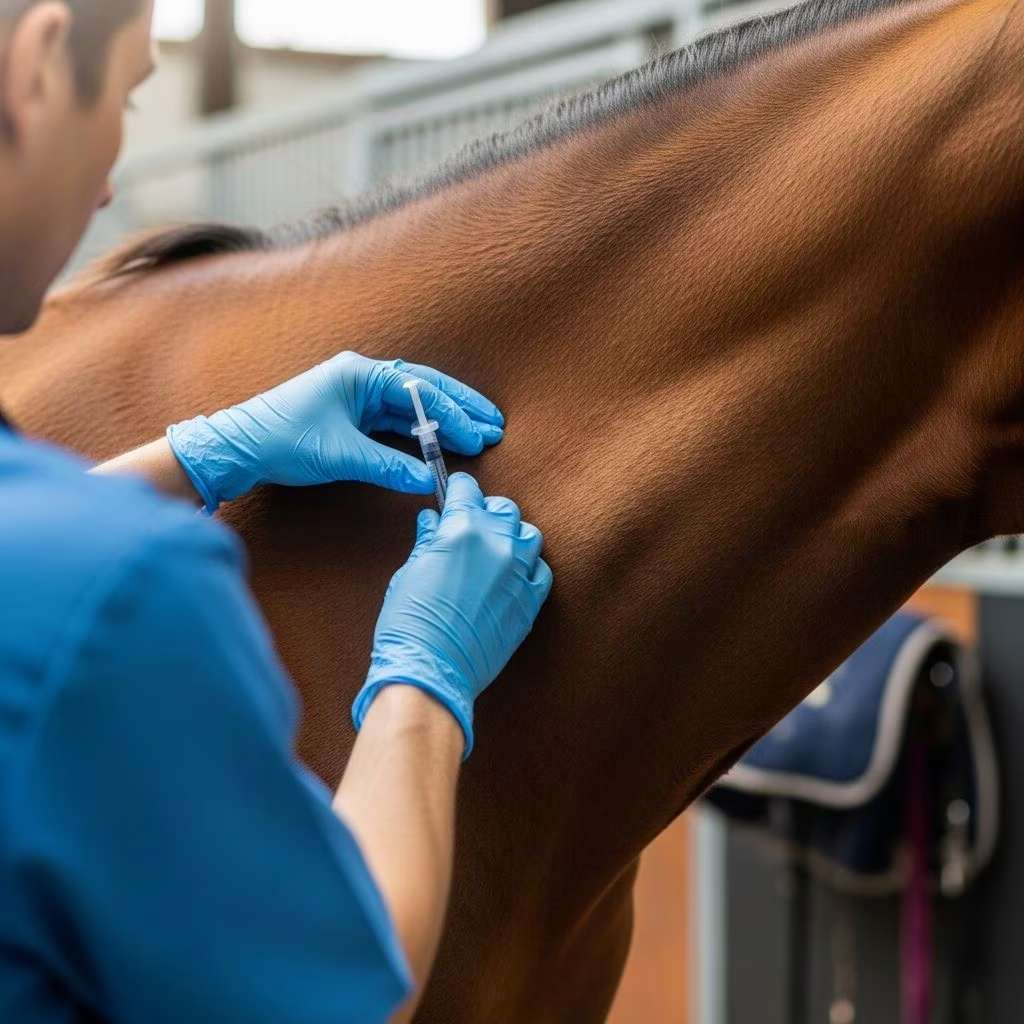
Horse Vaccines: Which Vaccines Does Your Horse Need?
Vaccinating your horse is one of the most important steps you can take to maintain their long-term health and well-being. Vaccines protect horses against serious, potentially life-threatening diseases that are common in equine populations. Whether you own a pleasure horse, a competitive show jumper, or a breeding mare, understanding which vaccines your horse needs is essential for responsible horse ownership.
The vaccination needs of horses vary based on several factors, including age, lifestyle, geographic location, and exposure risk. Not all horses need the same vaccines, and working with your veterinarian to develop a personalized vaccination plan is crucial for ensuring your horse receives appropriate protection.
Understanding Core Vaccines for Horses
Core vaccines are considered essential for all horses, regardless of their lifestyle or geographic location. These vaccines protect against diseases that are endemic to most regions, highly contagious, or pose a risk of severe disease or death. The American Association of Equine Practitioners (AAEP) recommends that all horses receive core vaccinations to establish a baseline level of protection.
Core vaccines for horses include protection against four primary diseases:
- Rabies: A fatal viral disease that affects the nervous system and poses a significant health risk to handlers. Rabies is endemic in most regions and requires annual vaccination.
- Eastern and Western Equine Encephalomyelitis (EEE/WEE): Mosquito-borne viral diseases that cause inflammation of the brain and can result in severe neurological damage or death. Annual vaccination is recommended in spring before mosquito season.
- Tetanus: A bacterial infection caused by Clostridium tetani that leads to muscle rigidity and can be fatal. All horses should receive annual tetanus vaccination, with boosters administered following any penetrating wounds.
- West Nile Virus (WNV): A mosquito-borne viral disease that can cause severe neurological disease. Annual vaccination in spring is recommended for all horses.
Risk-Based Vaccines for Horses
In addition to core vaccines, risk-based vaccines are recommended for horses based on their individual circumstances, geographic location, and potential exposure to specific diseases. These vaccines provide protection against diseases that may not affect all horses but pose significant risks for certain populations.
Common risk-based vaccines include:
- Equine Influenza (EIV): Recommended annually for horses with exposure to other equines, particularly those at shows, events, or boarding facilities.
- Equine Herpesvirus (EHV-1 and EHV-4): Respiratory viruses that are common in equine populations. Annual or semi-annual vaccination is recommended for horses at increased risk of exposure.
- Strangles: A highly contagious bacterial infection caused by Streptococcus equi. Risk-based vaccination is recommended for horses with exposure to other horses.
- Potomac Horse Fever (PHF): A bacterial disease transmitted by aquatic insects. Semi-annual to annual vaccination is recommended for horses in endemic areas with high risk.
- Equine Viral Arteritis (EVA): A viral disease of concern for breeding stallions and horses in areas where the disease is prevalent.
- Botulism: A paralytic disease caused by bacterial toxins. Vaccination is recommended for horses in endemic areas where botulism is a potential hazard.
- Leptospirosis: A bacterial disease that can cause severe kidney and liver damage. Annual vaccination is recommended based on risk assessment.
Vaccination Schedule for Foals
Foals require a carefully structured vaccination program to develop adequate immunity while accounting for maternal antibodies received through colostrum. The vaccination schedule for foals depends on whether the dam (mother) was previously vaccinated.
Foals from Vaccinated Mares
Foals born to previously vaccinated mares receive passive immunity through colostral antibodies, which provides temporary protection but must be overcome with active vaccination. The standard vaccination schedule is:
- First vaccination at 4-6 months of age
- Second vaccination 4-6 weeks after the first dose
- Third vaccination at 10-12 months of age (booster)
This three-dose series provides core protection against EEE/WEE, tetanus, West Nile Virus, EHV-1 and EHV-4, and other risk-based vaccines as determined by your veterinarian.
Foals from Unvaccinated Mares
Foals born to unvaccinated mares lack maternal antibody protection and require earlier vaccination to prevent disease. These foals can begin vaccination as early as 3-4 months of age for critical diseases such as tetanus, EEE/WEE, EHV-1, and EHV-4. The vaccination schedule includes:
- First vaccination at 3-4 months of age
- Second vaccination 4-6 weeks later
- Third vaccination at 10-12 months of age
Additionally, foals from unvaccinated mares can receive rabies vaccination beginning at 3-4 months of age, with a booster at 12 months, whereas foals from vaccinated mares typically receive their first rabies vaccine at 6 months.
Special Considerations for Foals with Failure of Passive Transfer
Foals that fail to absorb adequate maternal antibodies (failure of passive antibody transfer) require special consideration. Foals with immunoglobulin G (IgG) levels below 200 mg/dL should receive their initial vaccinations beginning at 3-4 months of age, following the unvaccinated mare vaccination protocol to ensure maximum protection.
Adult Horse Vaccination Schedule
Adult horses require ongoing vaccination to maintain immunity against serious diseases. The frequency of vaccination depends on the horse’s risk level and lifestyle.
Core Vaccine Schedule for Adult Horses
| Vaccine | Frequency | Timing |
|---|---|---|
| Rabies | Annual | Spring (March-May) |
| Tetanus | Annual | Spring, booster after injury or surgery if over 6 months since last dose |
| EEE/WEE | Annual | Spring, before mosquito season |
| West Nile Virus | Annual | Spring, before mosquito season |
Low-Risk vs. High-Risk Horses
Low-risk horses, such as pleasure horses with minimal exposure to other equines, typically require annual vaccination with core vaccines and selected risk-based vaccines. High-risk horses, including show horses, breeding animals, and horses with significant exposure to other horses at events and facilities, may require semi-annual or even more frequent vaccination intervals.
High-risk horses may benefit from semi-annual boosters for influenza and rhinopneumonitis, particularly if they travel to shows and events or have regular exposure to new horses. The intranasal influenza vaccine can be administered every 6 months in young, susceptible performance horses aged 2-4 years old for enhanced protection.
Vaccination Timing and Best Practices
The timing of horse vaccinations is important for maximizing protection. Generally, vaccines are recommended to be given in spring (March, April, or May) before the riding season begins, allowing time for the horse to develop adequate immunity before exposure risk increases.
Some vaccines may require a booster in the fall, depending on the horse’s lifestyle and risk level. For previously vaccinated adult horses, vaccines must be given on an annual or semi-annual basis to maintain effectiveness. If your horse received a rabies vaccine in the fall, for example, they do not need a rabies vaccine the following spring, since rabies vaccination is administered annually.
When a horse is unvaccinated or has an unknown vaccination history, it is important to administer a booster vaccination 4 weeks after the first dose to ensure adequate immunity development.
Special Vaccination Considerations
Show Horses and Performance Animals
Horses that are shown or compete require additional vaccinations beyond the core vaccines. Show horses face increased risk of exposure to influenza and strangles due to traveling to different facilities, commingling with new horses, and the stress associated with competition. These horses benefit from vaccination against equine influenza, EHV-1 and EHV-4, and strangles, often on a semi-annual or more frequent schedule.
Broodmares
Pregnant mares require special vaccination consideration to ensure that foals receive adequate colostral immunity. Broodmares should receive an EHV-4 vaccination 2-4 weeks before foaling to enhance the availability of colostral immunity. Additionally, rabies vaccination is recommended 4-6 weeks before foaling, and annual boosters with the IM vaccine for Potomac Horse Fever are recommended on endemic farms 4-6 weeks before foaling.
Rotavirus vaccination is unique because it is administered as a three-dose series during pregnancy, protecting foals from rotaviral enteritis through colostral antibodies.
Breeding Stallions
Breeding stallions require vaccination against Equine Viral Arteritis (EVA). Stallions that have been previously vaccinated against EVA should receive an annual booster at least 3-4 weeks before breeding season. Unvaccinated stallions or those with unknown vaccination history should be isolated for 3 weeks following initial vaccination before being used for breeding.
Working with Your Veterinarian
Developing an appropriate vaccination program for your horse requires consultation with a veterinarian who understands your horse’s individual needs, geographic location, and lifestyle. Your veterinarian can assess your horse’s risk factors and recommend a personalized vaccination protocol that provides optimal protection.
During your spring vaccination appointment, discuss the following with your veterinarian:
- Which core vaccines your horse needs
- Which risk-based vaccines are appropriate based on geographic location and lifestyle
- The appropriate vaccination interval for your horse’s circumstances
- Any previous vaccination history or adverse reactions
- Whether your horse has high titers to certain diseases that might affect vaccination recommendations
Frequently Asked Questions (FAQs)
Q: At what age should I start vaccinating my foal?
A: Foals from vaccinated mares should begin vaccination at 4-6 months of age. Foals from unvaccinated mares or those with failure of passive transfer can begin vaccination as early as 3-4 months of age.
Q: Does my horse need the flu vaccine every year?
A: Yes, equine influenza vaccine is recommended on an annual basis for all horses. High-risk horses with exposure to other horses at events may benefit from semi-annual vaccination.
Q: What should I do if my horse gets a wound or puncture?
A: If your horse sustains a serious wound or puncture, contact your veterinarian immediately. A tetanus booster may be indicated if the vaccine was given more than 6 months prior to the injury.
Q: Are there any vaccines I should avoid?
A: Certain horses with high serum titers to specific disease antigens may not need particular vaccines. Your veterinarian can recommend testing to determine if vaccination is necessary in individual cases.
Q: Can I give vaccines to my horse myself?
A: While some horse owners administer vaccines themselves, it is generally recommended to have a veterinarian administer vaccines to ensure proper technique, storage, and documentation of vaccination records.
Q: How long does vaccine immunity last?
A: Vaccine immunity duration varies by vaccine type. Most core vaccines provide one year of protection with annual revaccination. Some vaccines may require more frequent boosters depending on disease risk and vaccine type.
Q: What are the side effects of horse vaccines?
A: Most horses tolerate vaccines well with minimal side effects. Mild swelling at the injection site or slight fever may occur. Serious adverse reactions are rare but should be reported to your veterinarian immediately.
Q: Do I need to vaccinate my senior horse?
A: Yes, senior horses should continue to receive annual core vaccines. Discuss with your veterinarian any modifications to the vaccination protocol based on your senior horse’s health status and immune function.
References
- Vaccination Program for Horses – Management and Nutrition — Merck Veterinary Manual. Updated 2024. https://www.merckvetmanual.com/management-and-nutrition/preventative-health-care-and-husbandry-of-horses/vaccination-program-for-horses
- Which Vaccines Does My Horse Need? — PetMD. 2024. https://www.petmd.com/horse/horse-vaccines
- Recommended Vaccine Schedule for Adult Horses — Zoetis Equine. 2023. https://www.zoetisequine.com/
- Vaccine Protocol – Over One Year — Cleveland Equine Clinic. 2024. https://clevelandequine.com/healthcare-info/vaccine-protocol-over-one-year/
- Foal Vaccinations — Merck Animal Health USA. 2024. https://www.merck-animal-health-usa.com/horse-owners-and-professionals/foal-mare-care/foal-care-overview/foal-care-vaccinations/
- Vaccination Guidelines for Adult Horses — Nebraska Equine. 2024. https://nebraskaequine.com/
- Vaccines for Your Horse — Penn State Extension. 2024. https://extension.psu.edu/vaccines-for-your-horse/
- Adult Horse Vaccination Chart — American Association of Equine Practitioners (AAEP). 2024. https://aaep.org/resource/adult-horse-vaccination-chart/
- Vaccination Guidelines — American Association of Equine Practitioners (AAEP). 2024. https://aaep.org/guidelines-resources/vaccination-guidelines/



