

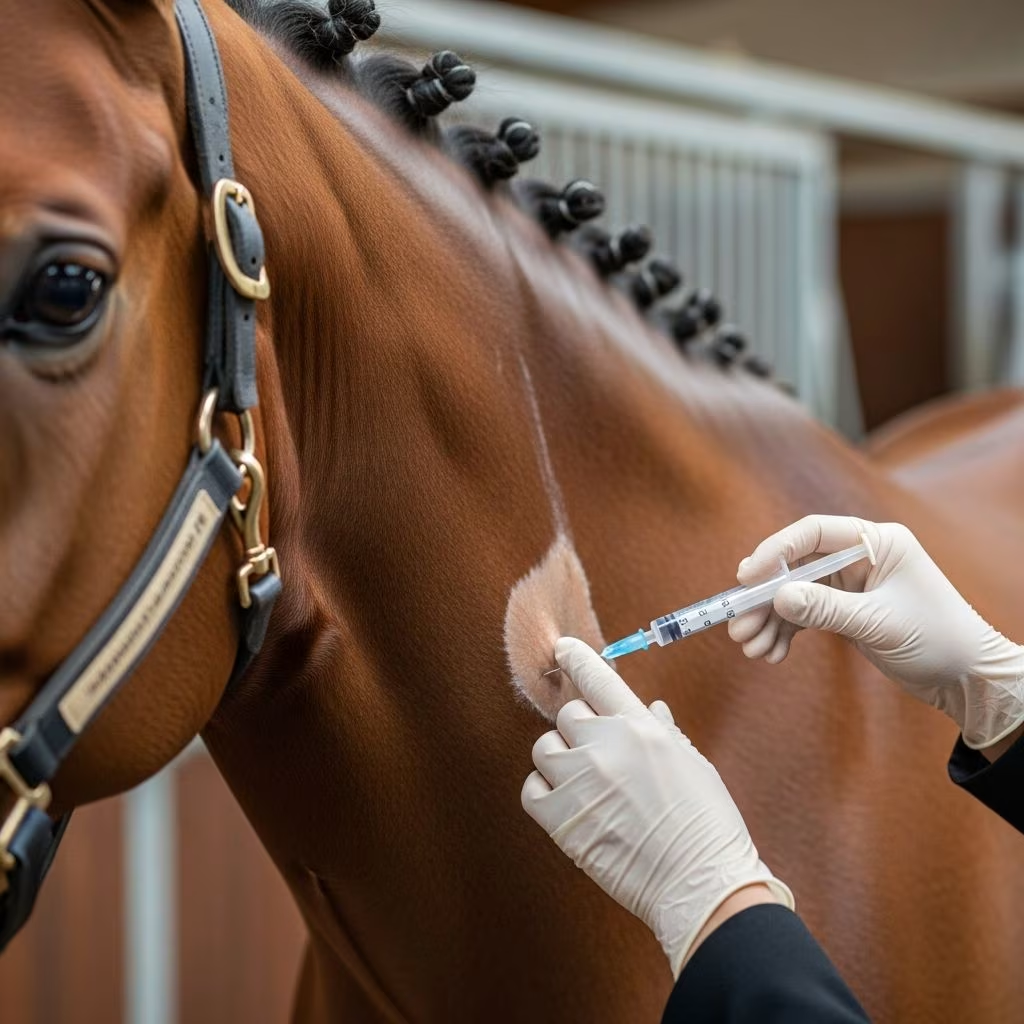
Protecting horses from infectious diseases requires a strategic approach to vaccination that considers age, lifestyle, geographic location, and exposure risks. Core vaccines target widespread threats, while additional shots address specific dangers, ensuring both individual and group-level immunity.
Understanding Core Equine Vaccines
Core vaccines form the foundation of any horse health program, recommended universally due to their high efficacy and the severe nature of the diseases they prevent. These include protections against tetanus, Eastern and Western equine encephalomyelitis (EEE/WEE), West Nile virus (WNV), and rabies. Organizations like the American Association of Equine Practitioners (AAEP) emphasize these as essential for all horses, regardless of use or residence.
Tetanus, caused by Clostridium tetani spores ubiquitous in soil, enters through wounds and leads to fatal muscle rigidity. Annual boosters are standard, with foals from vaccinated mares receiving doses at 6, 7, and 9 months.
EEE and WEE, mosquito-borne alphaviruses, cause neurological devastation with high mortality. Vaccination typically involves combined shots annually, ramped up in endemic areas.
WNV, another vector-transmitted virus, induces encephalitis; foals may start earlier if maternal antibodies wane. Spring administration aligns with insect activity.
Rabies, a zoonotic fatality, demands yearly shots for all adults, with adjusted foal schedules based on dam vaccination status.
Risk-Based Vaccinations for Specialized Needs
Beyond core protections, risk-based vaccines tackle region-specific or activity-related threats. These include equine influenza, herpesvirus (EHV-1/4), strangles, Potomac horse fever, botulism, and others like rotavirus or equine viral arteritis.
- Equine Influenza: Highly contagious respiratory illness; performance horses need boosters every 3-6 months.
- EHV-1/4 (Rhinopneumonitis): Causes abortion, respiratory issues, or neurologic disease; broodmares vaccinated pre-foaling for colostral transfer.
- Strangles (Streptococcus equi): Intranasal options for young show horses; titer checks may avoid over-vaccination.
- Potomac Horse Fever: Endemic in certain riverside areas; annual shots for at-risk horses.
- Botulism: Toxin-mediated paralysis; three-dose series initially in hazard zones.
Horses at shows, travels, or breeding farms often require semi-annual regimens for these.
Foal Immunization Protocols
Foals inherit temporary immunity via colostrum, complicating early vaccination timing. Maternal antibodies can neutralize vaccines until 3-6 months, necessitating delayed primary series.
| Vaccine | Foals from Vaccinated Mares | Foals from Unvaccinated Mares |
|---|---|---|
| Tetanus | 6, 7, 9 months | 3, 4, 6 months |
| EEE/WEE | 6 months (3 doses q4w), 1-year booster | 3-4 months start |
| Rabies | 6-7 months, 12 months | 3, 4, 12 months |
| Influenza/EHV | 6 months (3 doses q4w), 1-year | Earlier if IgG low |
| WNV | 6 months | 3-5 months |
Foals with failure of passive transfer (IgG <200 mg/dL) begin cores at 3-4 months. Testing ensures proper timing.
Adult Horse Vaccination Schedules
Adults maintain immunity with annual cores, adding risk-based as needed. Low-risk pleasure horses suffice with yearly shots; high-risk competitors get spring and fall boosters.
- Spring Focus: Mosquito-related (EEE/WEE, WNV) before peak season.
- Fall Boosters: Respiratory vaccines for winter events.
- Unvaccinated Adults: Initial series with 4-week booster, then annual.
Consult vets for titer monitoring to extend intervals in low-exposure scenarios.
Broodmare and Stallion Considerations
Breeding stock protects offspring via colostrum. Vaccinate mares 4-6 weeks pre-foaling for EHV, tetanus, influenza. Stallions need EVA shots annually, isolating first-timers post-vaccination.
Endemic farm broodmares get botulism or PHF pre-foaling boosters.
Vaccination Administration Best Practices
Work with licensed vets for tailored plans. Monitor for reactions like hives or fever, rare but possible. Intranasal options suit some respiratory vaccines.
Wound protocols: Tetanus antitoxin plus toxoid for unknowns, booster if overdue.
Regional and Travel Adjustments
Endemic zones demand extras: Hendra in Australia, PHF mid-Atlantic. Travelers align with event requirements, often semi-annual flu/EHV.
Frequently Asked Questions
What are the must-have vaccines for every horse?
Tetanus, EEE/WEE, WNV, rabies—AAEP core list.
How often do performance horses need shots?
Every 3-6 months for respiratory risks, annually for cores.
Can I vaccinate foals too early?
Maternal interference; delay to 4-6 months unless IgG tested low.
What if my horse has a vaccine reaction?
Report to vet; future pre-meds or alternatives possible.
Are titers reliable for skipping boosters?
Useful for some like strangles, but not all vaccines.
Building a Customized Plan
Assess risks: travel, density, region. Annual vet checkups refine schedules, balancing protection and reaction risks. Proper vaccination slashes disease incidence, supports welfare.
References
- Vaccination Program for Horses — Merck Veterinary Manual. 2023. https://www.merckvetmanual.com/management-and-nutrition/preventative-health-care-and-husbandry-of-horses/vaccination-program-for-horses
- Horse Vaccines: A Comprehensive Guide — South Central Veterinary Services. 2023. https://southcentralvet.com/blog/vaccines-your-horse-needs-a-comprehensive-guide/
- Vaccine Protocol Over One Year — Cleveland Equine Clinic. 2023. https://clevelandequine.com/healthcare-info/vaccine-protocol-over-one-year/
- Vaccination Guidelines — Equine Disease Communication Center. 2023. https://equinediseasecc.org/vaccination
- Adult Horses Recommended Vaccine Schedule — Zoetis Equine. 2023-01-01. https://www.zoetisequine.com/assets/images/Mare-and-Foal-Care/Homepage-Images/Resources-Articles/Adult-Horses-Recommended-Vaccine-Schedule.pdf
- Equine Vaccines: Breaking Down the Basics — UC Davis Center for Equine Health. 2023. https://cehhorsereport.vetmed.ucdavis.edu/news/equine-vaccines-breaking-down-basics
- Vaccination Guidelines — American Association of Equine Practitioners (AAEP). 2023. https://aaep.org/guidelines-resources/vaccination-guidelines/



