

Horse Toys: How to Keep Your Horse Mentally Stimulated
Horses are intelligent creatures with remarkable cognitive abilities and natural curiosity. If you’ve spent any time around these magnificent animals, you know that they can easily become bored when their minds aren’t engaged. Horse toys serve as powerful tools to provide the mental stimulation that horses need to thrive, prevent behavioral problems, and maintain overall well-being. By understanding the importance of mental enrichment and selecting appropriate toys, horse owners can significantly improve their equine companions’ quality of life.
Why Horses Need to Play
Horses are inherently active beings with a strong psychological need for engagement and mental challenge. According to equine behavior experts, horses require daily positive reinforcement and play to maintain optimal mental and physical health. Play is not merely a luxury or entertainment—it’s a fundamental necessity for equine well-being.
When horses engage in play, they experience a release of endorphins, the body’s natural feel-good chemicals. This neurochemical response provides relief from stress and anxiety, much like exercise does for humans. Additionally, play gives horses the opportunity to move around on their own terms, which is essential for their mental stimulation. Toys transform the horse’s routine from purely work-focused activities into a balanced lifestyle that includes fun and relaxation.
Without adequate mental stimulation and play, horses can develop destructive behaviors and psychological issues. Like any animal, horses thrive on a combination of comfort and familiarity alongside new challenges and experiences. When their environment becomes monotonous and lacks stimulation, stress and boredom inevitably follow.
The Problems with Boredom and Monotony
Horses confined to stalls or kept in repetitive routines without adequate mental engagement often develop unwanted behavioral issues. These destructive behaviors emerge as the horse’s way of coping with stress and boredom. Common problems associated with insufficient mental stimulation include:
- Cribbing (biting or chewing on stable structures)
- Weaving (repetitive side-to-side head or body movements)
- Excessive chewing
- Aggression or irritability
- Anxiety and stress-related conditions
These behaviors can damage property, harm the horse’s teeth and digestive system, and indicate underlying psychological distress. By providing appropriate mental stimulation through toys and enrichment activities, horse owners can prevent the development of these problematic behaviors and help their horses maintain emotional balance.
Benefits of Horse Toys
Horse toys offer multiple benefits that extend far beyond simple entertainment. Understanding these advantages helps horse owners appreciate the value of investing in appropriate enrichment tools for their equine companions.
Mental Engagement and Cognitive Development
Puzzle toys and interactive games challenge a horse’s problem-solving abilities. These toys require horses to think, investigate, and figure out how to access rewards or accomplish objectives. This cognitive engagement keeps their minds sharp and alert, much like brain exercises do for humans. Mental stimulation through toys helps maintain cognitive function and encourages learning and curiosity.
Stress Reduction and Anxiety Relief
Horses experience stress from various sources, including environmental changes, separation from herd members, and confinement. Toys serve as a distraction from monotony and provide a healthy outlet for pent-up energy. Interactive play can have a calming effect on anxious horses, helping them relax and cope with challenging situations. This stress-relieving function is particularly important for horses that spend extended periods in stables.
Physical Exercise and Fitness
Even in confined spaces, many horse toys encourage movement and physical activity. Toys that require pushing, rolling, kicking, or manipulation promote muscle engagement, joint flexibility, and improved circulation. This low-impact exercise helps maintain physical fitness and prevents the stiffness that can develop from prolonged inactivity.
Environmental Enrichment
Providing toys creates a more engaging and stimulating living environment. Just as animals in zoos benefit from environmental enrichment, horses in stables experience an improved quality of life when their surroundings include interactive objects that engage their senses and encourage exploration.
Positive Association with Stabling
Horses that have access to engaging toys develop more positive associations with their stables. Rather than viewing confinement as a purely restrictive experience, horses learn to associate their stalls with opportunities for play and engagement. This psychological shift can reduce stress associated with being stabled.
Types of Horse Toys for Mental Stimulation
Colorful Bouncing Balls
Large, brightly colored horse balls are designed specifically for equine play and provide excellent mental stimulation. Their vibrant colors naturally attract horses’ attention and curiosity. Horses can interact with these balls using their noses, legs, or even by lying on them or attempting to sit on them. The unpredictable movement of rolling balls encourages active engagement and allows horses to release energy while having fun. These toys provide a wonderful outlet for natural play behavior.
Treat-Dispensing Toys and Puzzle Feeders
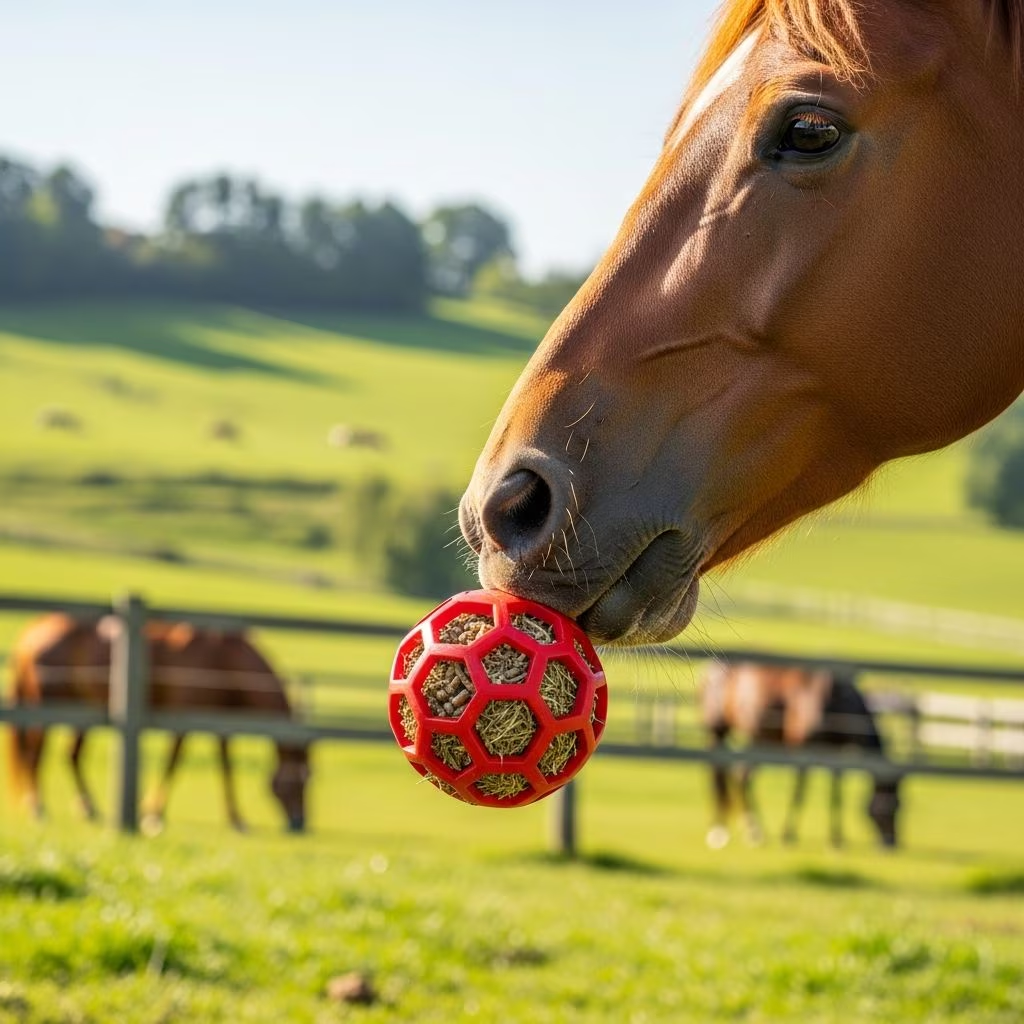
Horses are highly food-motivated animals, making treat-dispensing toys and puzzle feeders exceptionally effective enrichment tools. These devices stimulate a horse’s natural curiosity and evolutionary need to graze almost continuously. Puzzle feeders and treat balls slow down the feeding process and require problem-solving to access rewards. By mimicking natural foraging behavior, these toys engage horses mentally while satisfying their food motivation.
When using treat-dispensing toys, experts recommend filling them with low-density feeds to recreate a natural grazing environment. Some treat-dispensing balls are designed to roll around and dispense treats gradually, while others can be hung in stalls for stationary engagement. Carrot-dispensing balls with apple scents provide additional olfactory stimulation, further engaging the horse’s senses.
Hanging Treat Toys
Interactive hanging toys designed for stalls offer convenience and engagement. These toys often feature apple-flavored treats and dangling elements that pique a horse’s curiosity. Horses can investigate and interact with hanging toys throughout the day, providing consistent mental stimulation without requiring owner intervention. These toys are particularly valuable for stalled horses that need long-term enrichment options.
Mirrors and Reflective Enrichment
Mirrors can serve as effective mental stimulation tools for horses. These horse-safe installations allow horses to interact with their reflections, providing a unique form of engagement. Research published in Applied Animal Behaviour Science in 2002 demonstrated that mirrors in stalls significantly reduced weaving behavior in some horses. Mirrors help horses feel less isolated by creating the illusion of social companionship. However, it’s important to note that individual horses react differently to mirrors; some find them comforting while others may respond aggressively to their reflections.
Novel Objects and Enrichment Toys
Introducing new and varied objects to a horse’s environment encourages exploration and curiosity. Hanging balls, traffic cones, or creatively designed enrichment toys stimulate investigation and mental engagement. Some owners create DIY enrichment by hanging empty bottles filled with treats, requiring horses to figure out how to release the contents. Wind chimes, scented objects, and other sensory items add layers of stimulation to the environment.
Maximizing Mental Stimulation Beyond Toys
While toys are excellent tools for mental stimulation, a comprehensive approach to equine enrichment includes multiple strategies:
- Varied Terrain: Introducing horses to different landscapes such as hills, water crossings, and varied ground surfaces improves mental alertness and physical conditioning simultaneously.
- Trail Riding and Obstacle Courses: These activities diversify physical exercise while challenging the horse’s mind as they negotiate different terrains and obstacles.
- Clicker Training: Positive reinforcement training techniques keep horses mentally active while strengthening the bond between horse and handler.
- Social Interaction: Horses are inherently social creatures that benefit from interaction with other horses and humans, reducing loneliness and promoting natural behaviors.
- Color Recognition Exercises: Teaching horses to recognize and choose between different colored objects boosts focus and observation skills.
- Platform Work: Having horses stand on different platforms challenges their balance and body awareness, adding a mental component to physical exercise.
Choosing the Right Toys for Your Horse
Not all horses respond identically to the same toys and enrichment activities. Individual preferences vary based on personality, age, prior experience, and learned preferences. When introducing toys to your horse, observe their reactions carefully. Some horses enthusiastically embrace new enrichment options immediately, while others require time to investigate and become comfortable with novel objects.
A well-rounded enrichment program includes several different types of toys and activities. Rotating toys periodically prevents habituation and maintains novelty and interest. Horses that become accustomed to a particular toy may lose interest over time, so introducing variety keeps their mental engagement high.
Safety should always be a primary consideration when selecting horse toys. Ensure toys are specifically designed for horses and cannot break into pieces that could be ingested. Regularly inspect toys for wear, damage, or deterioration. Be aware that some toys, like horse balls, may occasionally pop or require replacement, but reputable manufacturers typically stand behind their products with replacement programs.
The Long-Term Benefits of Mental Stimulation
Investing in appropriate horse toys and enrichment creates long-term benefits that extend throughout your horse’s life. Horses with adequate mental stimulation tend to be calmer, better-behaved, and more content. They experience reduced stress levels, better physical fitness, and fewer behavioral problems. The investment in toys and enrichment pays dividends in improved temperament, reduced veterinary costs related to stress-induced conditions, and an overall higher quality of life.
Additionally, when horses receive adequate mental stimulation, they’re less likely to develop the chronic behavioral issues that can make them difficult or dangerous to handle. A mentally engaged horse is typically a happier, healthier, and more enjoyable companion.
Frequently Asked Questions
Q: How often should I provide horse toys and enrichment?
A: Daily mental stimulation and play are recommended for optimal equine well-being. This doesn’t necessarily mean introducing new toys daily, but rather ensuring your horse has regular access to enrichment activities and toys throughout each day.
Q: Can horse toys prevent destructive behaviors?
A: Yes, horse toys and enrichment are excellent preventative measures against destructive behaviors like cribbing, weaving, and excessive chewing. By providing mental stimulation and alleviating boredom, toys address the root causes of these behaviors.
Q: What should I do if my horse doesn’t seem interested in a particular toy?
A: Not all horses respond to every toy. Try different types of enrichment to discover your horse’s preferences. Some horses prefer food-based toys, while others enjoy tactile or visual stimulation. Patience and observation help identify what engages your individual horse.
Q: Are homemade horse toys safe?
A: Some homemade toys can be safe and effective, such as hanging bottles with treats. However, ensure any DIY toy is free from sharp edges, small pieces that could be ingested, and securely constructed. When in doubt, commercially manufactured toys that meet safety standards are the safer choice.
Q: How do I know if my horse is experiencing stress from insufficient mental stimulation?
A: Signs include development of stereotypic behaviors like cribbing or weaving, excessive nervousness, aggression, or disinterest in activities. If you notice these signs, increasing mental enrichment through toys and activities is recommended.
References
- Horse Toys: How to Keep Your Horse Mentally Stimulated — Chewy Editors. 2024. https://www.chewy.com/education/horse/training-and-behavior/horse-toys-keep-your-horse-mentally-stimulated
- The Joyful Gallop: Why Horse Toys are Beneficial to Your Equine Companion — Aitkens Saddlery. https://aitkenssaddlery.com/blogs/news/horse-toys-and-benefits
- Discover Innovative Techniques to Boost Your Young Horse’s Mental Stimulation and Growth — Just Horse Riders. https://www.justhorseriders.co.uk/blogs/news/discover-innovative-techniques-to-boost-your-young-horses-mental-stimulation-and-growth
- The Ultimate Guide to Enriching Your Horse’s Life with Stable Toys — Equus Community Blog. https://www.equus.co.uk/blogs/community/unlocking-equine-happiness-the-ultimate-guide-to-enriching-your-horses-life-with-stable-toys
- January Newsletter: The Best Enrichment Toys for Your Horse — Murrayville Mixed Animal Clinic. https://www.murrayvillemixedanimalclinic.com/articles/988159-january-newsletter-the-best-enrichment-toys-for-your-horse
- The Importance of Environmental Enrichment for Horses — OTTO Environmental. https://www.ottoenvironmental.com/the-importance-of-environmental-enrichment-for-horses/
- Enhancing Well-being: The Crucial Role of Horse Toys for Stalled Horses — Ayan Sport. https://ayansport.com/article/enhancing-well-being-the-crucial-role-of-horse-toys-for-stalled-horses



