
Horse Tooth Decay: Causes, Treatments, And Prevention
Explore the hidden threats of dental caries in horses, from dietary triggers to effective treatments for healthier mouths and better performance.
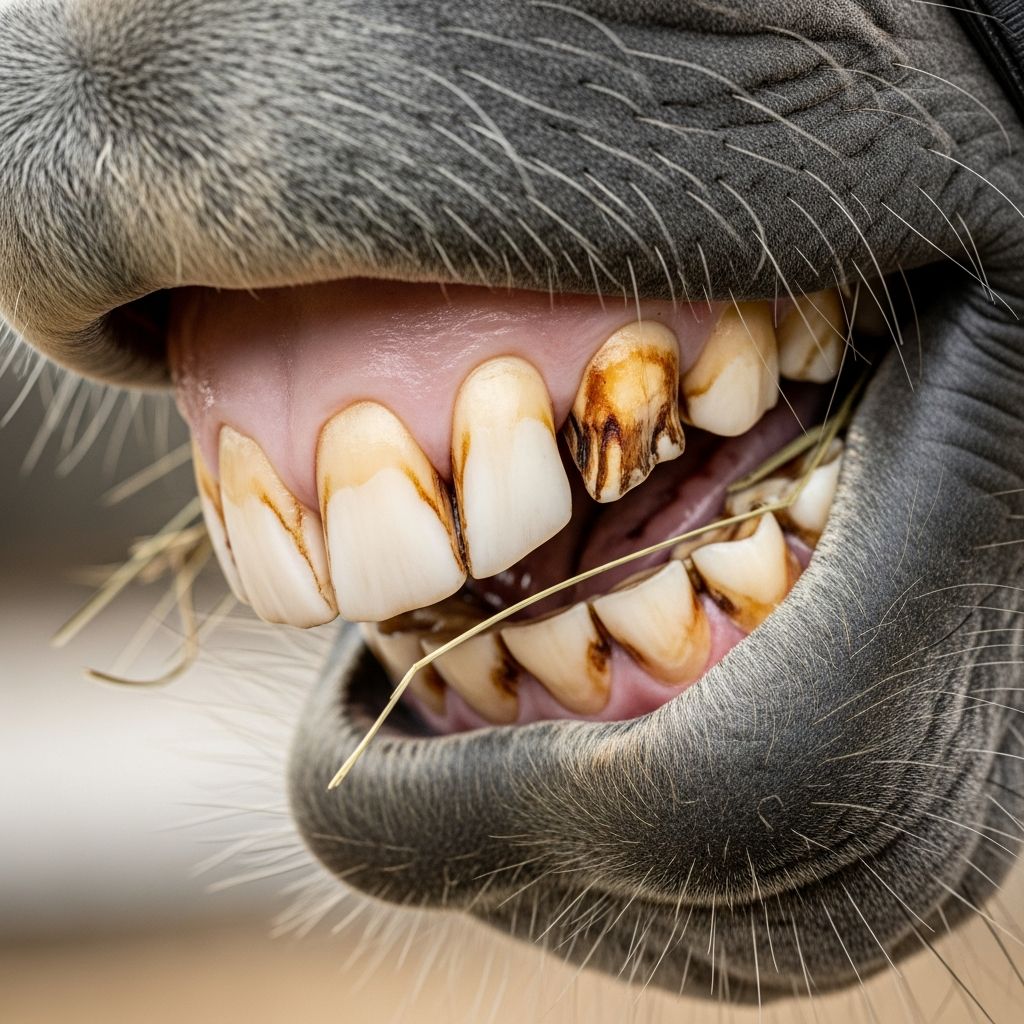
Horse tooth decay, commonly known as dental caries, represents a significant yet often underrecognized health challenge in equine dentistry. These lesions primarily affect the cementum, enamel, and dentin of cheek teeth, leading to discomfort, inefficient chewing, and potential systemic issues if untreated. Unlike human cavities, equine caries often stem from environmental factors within the mouth, such as pH imbalances triggered by diet and water quality.
Understanding the Anatomy of Equine Teeth
Horses possess hypsodont teeth, meaning they continuously erupt throughout life, with a clinical crown above the gumline and a reserve crown below. The cheek teeth, particularly the upper premolars and molars, feature complex structures including peripheral cementum on the edges and infundibula—funnel-shaped pits on the occlusal surface. Cementum, the outer layer on these teeth, is vulnerable to acidic erosion at pH levels above 6.7, while enamel requires a lower pH of 5.5 or less. This anatomy makes horses susceptible to decay when oral conditions favor bacterial acid production.
Feed packing between teeth exacerbates the problem by altering bacterial populations, forming biofilms that produce unbuffered acids. Saliva, which normally neutralizes these acids, is less effective in areas distant from salivary ducts, particularly the caudal molars.
Primary Types of Dental Caries in Horses
Equine dental caries manifest in distinct forms, each with unique characteristics and implications.
Peripheral Caries: The Most Prevalent Form
Peripheral caries targets the cementum on the buccal (cheek-side) and lingual (tongue-side) surfaces of cheek teeth. This condition is widespread, often linked to diets rich in soluble carbohydrates like oaten hay or silage, which ferment to drop oral pH. Acidic drinking water further accelerates decay. Studies show Thoroughbreds, horses with limited pasture access, and those with concurrent periodontal issues are at higher risk.
Early lesions appear as softened, discolored areas. As decay progresses, surfaces roughen, trapping more food and bacteria, leading to tartar buildup and potential fractures. Remarkably, teeth can recover if the clinical crown erodes away, allowing healthy reserve crown to emerge—evidenced by smooth, reflective surfaces and new cementum at the gingival margin.
Infundibular Caries: A Structural Weakness
Infundibular caries occur in the deep grooves of upper cheek teeth (maxillary premolars 2-4 and molars 1-3). Hypoplastic cementum in these infundibula allows feed to pack and ferment, creating acidic pockets. Over time, continuous eruption weakens the tooth, often causing midsagittal fractures and periapical abscesses.
Prevalence is high; one UK study of 706 horses found 45.5% affected, increasing with age. Unlike peripheral caries, infundibular lesions are developmental, stemming from incomplete cementum formation during tooth development.
Risk Factors Driving Tooth Decay
- Dietary Influences: High-sugar forages (e.g., oaten hay), concentrates, and silage promote fermentation and acid production. Reduced chewing time with hard feeds limits saliva flow, worsening conditions.
- Water Quality: Low-pH water directly erodes cementum.
- Breed and Management: Thoroughbreds and stabled horses with minimal grazing face elevated risks due to altered oral environments.
- Associated Conditions: Periodontal disease, diastemata (gaps between teeth), and misaligned occlusion trap feed, fostering biofilms.
- Age: Older horses experience more wear, reduced saliva efficacy, and weaker supporting tissues.
Recognizing Symptoms of Dental Caries
Horses mask pain adeptly, making early detection crucial. Subtle signs include:
- Quidding (dropping partially chewed feed)
- Halitosis (bad breath)
- Hypersalivation or nasal discharge
- Weight loss or poor body condition
- Behavioral changes: head tossing, resistance to bit, or performance decline
- Ulcers on cheeks or tongue from sharp edges
Severe cases lead to dysphagia (swallowing difficulty), sinusitis from periapical spread, or fractures causing acute lameness-like symptoms[10]. Regular veterinary exams are essential, as many cases are asymptomatic initially.
Diagnosis Through Professional Examination
Veterinary dentists use a combination of visual inspection, palpation, and advanced imaging. Speculum-assisted oral exams reveal lesions, while radiography detects subsurface decay or root involvement. Signs of healing peripheral caries—darker, polished surfaces—aid prognosis. Early intervention prevents progression to extraction.
Effective Treatment Strategies
Treatment varies by type and severity.
| Type | Early Treatment | Advanced Treatment |
|---|---|---|
| Peripheral | Diet/water change; monitor eruption | Restoration; extraction if fractured |
| Infundibular | Composite fillings to seal pits | Extraction post-fracture |
Simple management shifts, like switching to low-sugar hay or neutralizing water pH, resolve many peripheral cases within months. Restorative dentistry, using acid-etched composites, preserves infundibular teeth, though success depends on lesion depth. Fractured teeth often require oral extraction under sedation.
Prevention: Key to Long-Term Oral Health
Proactive measures minimize caries risk:
- Annual dental floats by qualified practitioners to correct malocclusions and clear feed impactions.
- Balanced diet: Prioritize pasture, low-soluble carb hay; limit concentrates.
- Test and adjust water pH if acidic.
- Monitor for periodontal issues; treat diastemata promptly.
- Species-appropriate feeding: Encourage prolonged chewing to boost saliva.
Diligent care sidesteps complications like EOTRH or abscesses, which compound decay risks.
Frequently Asked Questions (FAQs)
Can horse teeth heal from caries?
Yes, peripheral caries often self-resolve as damaged clinical crown erodes, replaced by healthy reserve crown.
How often should I check my horse’s teeth?
At least twice yearly for adults; more for seniors or performance horses.
Does grain feeding cause tooth decay?
Moderate concentrates contribute via pH drops; excess sugar accelerates it.
What if my horse has bad breath?
Halitosis signals decay or periodontal disease—schedule a vet exam immediately.
Is infundibular caries preventable?
Not fully, due to developmental origins, but regular cleanings and restorations help.
Impact on Performance and Welfare
Untreated caries impair mastication, leading to digestive inefficiencies, colic risk, and weight loss. Riders notice subtle performance dips—reduced impulsion or head carriage issues—stemming from oral pain[10]. Prioritizing dental health enhances welfare, longevity, and competitive edge.
References
- Dental Caries in Horses — Merck Veterinary Manual. 2023. https://www.merckvetmanual.com/digestive-system/dentistry-in-horses/dental-caries-in-horses
- Recent advances in the treatment and prevention of equine peripheral caries — PubMed (Equine Vet J). 2023-06-15. https://pubmed.ncbi.nlm.nih.gov/37321593/
- Peripheral Caries in Horses — Avonvale Equine Vet Practice. 2023. http://avonvaleequine-co-uk.mysmarterwebsite.co.uk/blog/peripheral-caries-in-horses/
- Equine Dental Disease: Caries and Cavities — Kentucky Equine Research. 2023. https://ker.com/equinews/equine-dental-disease-caries-and-cavities/
- 20+ Common Dental Issues in Horses — Mad Barn. 2023. https://madbarn.com/dental-issues-in-horses/
- Equine dental caries and restoration — BEVA (Equine Vet Educ). 2022-01-26. https://beva.onlinelibrary.wiley.com/doi/10.1111/eve.13849
Similar Articles








Read full bio of Sneha Tete


