

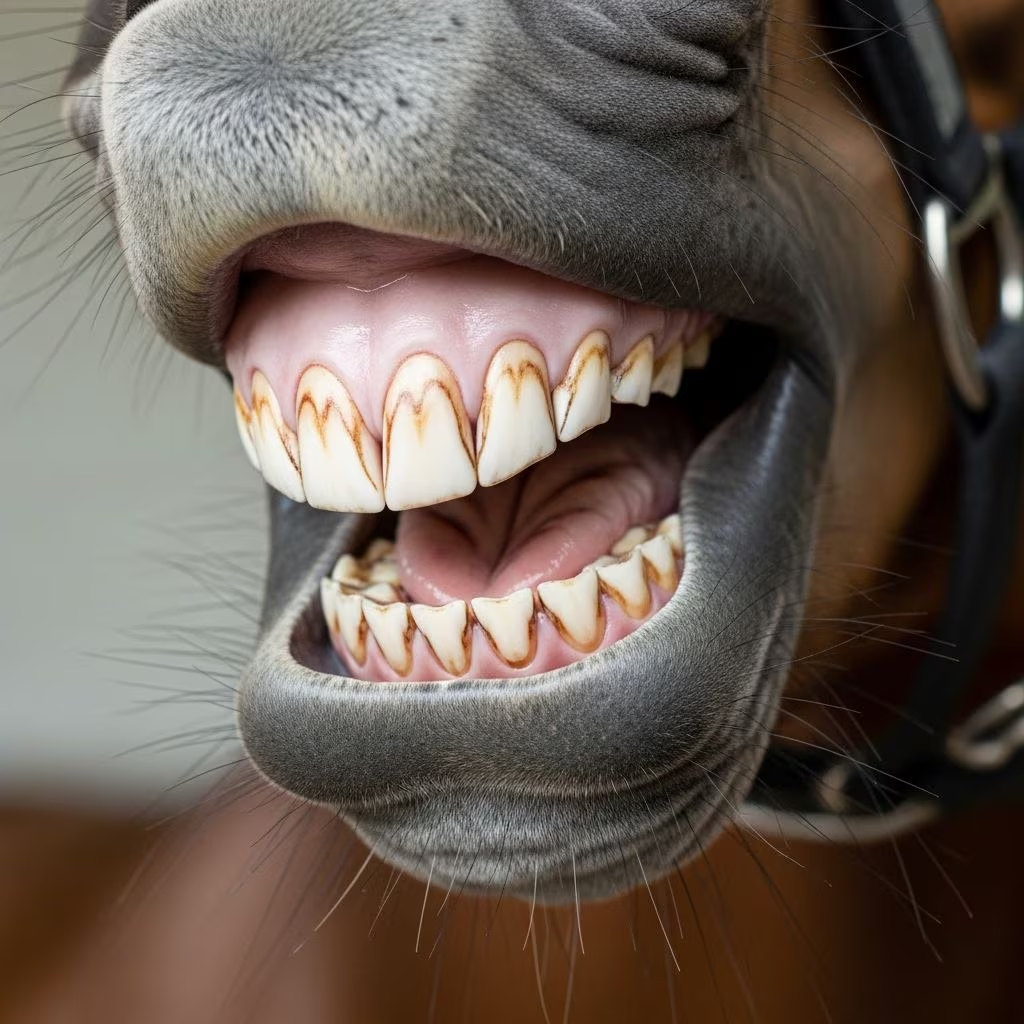
Understanding Horse Teeth: A Complete Guide to Equine Dental Health
Horse teeth are fundamentally different from human teeth and require specialized understanding and care. Horses have evolved with a unique dental system specifically designed for grazing and grinding fibrous plant material for extended periods throughout the day. Understanding the structure, development, and proper care of equine teeth is essential for maintaining your horse’s overall health and well-being.
The Anatomy of Horse Teeth
Equine teeth are comprised of four distinct layers, each serving a critical purpose in maintaining tooth strength and function. These layers work together to create a complex structure that is far more sophisticated than it initially appears.
Tooth Structure Layers
The innermost layer of the equine tooth is the pulp, which serves as the heart and brain of the tooth. The pulp contains vital structures including nerves, blood supply, lymphatics that support immune responses, and odontoblasts—specialized cells that produce dentin. Below the pulp lies the dentin, which comprises four subtypes: primary, regular secondary, irregular secondary, and tertiary dentin. Each type provides additional protection to the sensitive pulp chamber.
The enamel is the tooth’s hardest substance and forms the distinctive ridges on the horse’s rough occlusal (chewing) surface. Unlike other tooth tissues, enamel has no capacity to heal itself once damaged—permanent loss is irreversible. For this reason, enamel is positioned strategically between the dentin and cementum to provide maximum protection. Finally, the cementum is the outermost layer that covers the tooth root and provides attachment points for periodontal tissues.
Unique Characteristics of Horse Teeth
Horses possess hypsodont teeth, meaning they have a finite period of growth but continue to erupt throughout their lifetime as the grinding surface wears away. This remarkable adaptation allows horses to maintain chewing efficiency despite constant wear from grazing abrasive grasses. The lower jaw (mandible) is narrower than the upper jaw (maxilla), and the lower teeth are positioned slightly inside the upper teeth. As horses chew in a triangular pattern, the outside edges of the upper teeth and inside edges of the lower teeth can develop sharp points that may damage soft tissues in the mouth.
Types of Horse Teeth
Horses have multiple types of teeth, each specialized for specific functions in food processing and grazing.
Incisors
Horses have six upper and six lower incisor teeth that work together to grasp and cut grass stalks during grazing. These front teeth are simpler in structure than cheek teeth and are used for picking and cutting fodder. Because there are no sinuses located near the incisor teeth, they are less prone to certain disease processes that can affect the cheek teeth.
Canines
Most horses have small canine teeth, though some horses may not develop them fully. These teeth are more prominent in stallions than in mares.
Wolf Teeth
Wolf teeth are the first premolars and are usually found in the upper jaw, though they sometimes occur in the lower jaw as well. Wolf teeth are not always present in every horse, and they typically erupt at approximately five to six months of age. These teeth serve no functional purpose in modern horses, though they may have been molarized in evolutionary precursors. In horses with large displaced molars, wolf teeth can impinge on the bit during riding and cause sensitivity. Many horses with normally placed, small wolf teeth are clinically unaffected, but wolf tooth extraction is common within the first three years of life to prevent future problems.
Cheek Teeth (Premolars and Molars)
Cheek teeth, historically referred to as grinders, are the workhorses of equine dentition. Mature horses have a total of twelve premolars and twelve molars, with six teeth (three premolars and three molars) in each tightly packed row on both the upper and lower jaws. These teeth are composites of three hard materials—enamel, dentin, and cementum—that work together to create an abrasive surface ideal for breaking up food material. The cheek teeth do the crucial work of grinding grasses to prepare them for digestion, making routine care essential for maintaining chewing efficiency.
Tooth Eruption and Development
Understanding the timeline of tooth eruption is important for recognizing normal development and identifying potential problems early.
Deciduous (Baby) Teeth
Young horses develop and erupt twenty-four deciduous teeth, including incisors and premolars, during their early months of life. These temporary teeth are eventually replaced by permanent teeth as the horse matures. The deciduous premolars in foals and young horses are commonly called caps.
Permanent Tooth Eruption Timeline
The eruption of permanent teeth follows a predictable pattern:
- Wolf teeth (first premolars) erupt at approximately five to six months of age
- First molars erupt at approximately one year of age
- Second molars erupt at approximately two years of age
- Replacement of deciduous incisors and premolars begins at approximately two and a half years of age
- Third molars erupt at approximately four years of age
- All permanent teeth are usually present by the time the horse reaches five years of age
Starting at about one year of age and continuing through approximately age five, horses sequentially erupt thirty-six to forty-four permanent teeth. Mature stallions typically have forty to forty-four teeth, while mature mares have thirty-six to forty teeth.
Potential Eruption Problems
If horses’ baby incisors don’t fall out at the proper time, their permanent teeth can grow in behind them and cause significant dental issues. Additionally, the order in which horses’ cheek teeth erupt can lead to malocclusion, or abnormal contact between opposing teeth. For example, the last cheek tooth to erupt—the fourth premolar—must grow in straight between two other permanent cheek teeth. Any deviation from this precise positioning could result in misaligned teeth and associated problems requiring frequent professional care.
Common Horse Dental Problems
Several dental conditions can develop in horses and require prompt attention from an equine veterinarian or dental specialist.
Sharp Points and Edges
Due to the triangular chewing pattern and the width difference between upper and lower jaws, horses frequently develop sharp points on their cheek teeth. These sharp edges can damage soft tissues in the mouth, causing pain and reduced feed intake. Regular dental exams and professional floating (rasping) are essential to manage this common condition.
Hooks and Ramps
Cheek teeth can form hooks on the front teeth and ramps on the back teeth, creating an uneven chewing surface that reduces grinding efficiency and may cause pain or improper jaw movement.
Diastema (Gaps Between Teeth)
Horses are occasionally encountered with gaps between cheek teeth, either due to tooth loss or variations in eruption patterns. Food becomes trapped in these gaps, resulting in painful inflammation of the gums and soft tissues, sometimes eventually leading to additional tooth loss. This condition is more common as horses age and their teeth continue to erupt.
Periodontal Disease
Periodontal disease affects the structures supporting the teeth and can result from food impaction, improper tooth contact, or bacterial infection. This condition can lead to tooth loss and significant pain if left untreated.
Dental Health and Aging
As horses age, their dental anatomy changes progressively. Understanding these age-related changes helps in recognizing normal development and identifying potential health concerns.
Reserve Crown Depletion
The permanent cheek teeth of young horses have a large amount of reserve crown below the gum line. As the occlusal surface wears away, the tooth erupts further into the mouth to maintain good contact between grinding surfaces and preserve chewing efficiency. However, in old age, this constant eruption eventually results in depletion of the reserve crowns. When this occurs, eruption slows considerably, causing a gradual loss of chewing efficiency and eventually resulting in some teeth wearing out completely.
Age-Related Dental Indicators
Veterinarians use specific dental changes to estimate horse age:
- At age eight, dental stars appear on central incisors and the cup disappears from the outermost incisors
- At age nine, center incisors become rounded
- At age ten, the next to last incisor on each side becomes rounded and Galvayne’s groove emerges on the outermost upper incisors
- At age fifteen, dental stars become round, dark, and distinct, and Galvayne’s groove is halfway down the outermost upper incisor
- At age sixteen, the innermost incisor becomes triangular in cross section
- At age seventeen, the second from last incisor on each side becomes triangular
Wear Rate and Longevity
Horses wear their teeth down at an average rate of approximately two and a half millimeters per year. This significant wear demonstrates why continuous eruption is essential for maintaining chewing function throughout the horse’s life. Some sources indicate that wear rates may reach two to three millimeters annually, depending on the horse’s diet and grazing conditions.
Preventative Dental Care
Maintaining optimal horse dental health requires a comprehensive preventative care strategy.
Regular Dental Exams
Routine dental examinations are crucial to keep horses’ mouths healthy. Because sharp points have the potential to damage soft structures in the confined space of a closed mouth once the tongue and palate are considered, professional evaluation should occur at least annually, more frequently for older horses or those with known dental problems. During exams, veterinarians can identify developing problems before they become serious.
Professional Dental Floating
Dental floating involves rasping and smoothing the chewing surfaces and sharp points of the teeth to restore proper contact and eliminate sources of discomfort. This procedure should be performed by qualified equine dental professionals using appropriate equipment and techniques.
Diet Considerations
Providing adequate forage and maintaining proper nutrition supports dental health. Horses that spend extended periods grazing naturally maintain better dental wear patterns and jaw function than those fed exclusively from bags or troughs. High-quality hay and supplemental feeds appropriate for the individual horse’s dental status promote optimal health.
Bit Sensitivity and Comfort
Properly fitted tack that doesn’t contact wolf teeth or other sensitive dental structures helps prevent pain and behavioral issues related to bit sensitivity. Addressing dental problems before they affect ridden behavior is essential for both safety and performance.
Special Dental Considerations
Foal and Young Horse Dental Care
Young horses require special attention during their developmental years. Monitoring the eruption of permanent teeth, ensuring timely shedding of deciduous teeth, and addressing any eruption abnormalities early prevents more serious problems from developing.
Senior Horse Dental Management
Older horses with depleted reserve crowns and reduced eruption may require softer feed options, more frequent dental exams, and special management strategies to maintain adequate nutrition. Some senior horses may benefit from complete feed diets or soaked hay that requires less grinding force.
Frequently Asked Questions About Horse Teeth
Q: How often should my horse’s teeth be examined?
A: Most adult horses should have annual dental exams, while young horses (under five), senior horses (over twenty), and horses with known dental problems should be examined more frequently. Some horses may benefit from twice-yearly exams.
Q: What is floating and why is it necessary?
A: Floating is the professional rasping of teeth to smooth the grinding surfaces and eliminate sharp points. It is necessary because horses naturally develop sharp edges due to their unique jaw structure and chewing motion, and these points can cause pain and soft tissue damage.
Q: Should wolf teeth always be extracted?
A: Not all wolf teeth require extraction. While many are removed within the first three years of life to prevent future problems, some normally placed, small wolf teeth may be clinically insignificant and need not be removed unless they cause problems.
Q: What signs indicate dental problems in horses?
A: Signs of dental problems include difficulty eating, dropping feed (quidding), weight loss, bad breath, facial swelling, behavioral changes under saddle, and excessive salivation. Any of these signs warrant a veterinary dental exam.
Q: Can damaged tooth enamel be repaired?
A: No, enamel cannot repair itself once damaged. This is why proper preventative care and prompt treatment of dental problems are essential to protect remaining enamel.
Q: How do I know if my horse has malocclusion?
A: A veterinary dental exam is the best way to identify malocclusion. Signs may include uneven wear patterns, difficulty chewing on one side, or behavioral responses to certain bit positions during riding.
Q: What should I feed a horse with dental problems?
A: Feed options should be adjusted based on the specific dental condition. Softer hay, complete feeds, soaked hay cubes, or grain-based diets may be necessary for horses with limited chewing ability due to tooth loss or wear.
Conclusion
Horse teeth are complex structures that require specialized understanding and care to maintain throughout the equine lifetime. From the unique hypsodont eruption pattern to the specialized layers protecting the sensitive pulp chamber, equine dental anatomy represents a remarkable adaptation for grazing and feed processing. By understanding normal development, recognizing common problems, and implementing a comprehensive preventative care strategy including regular dental exams and professional maintenance, horse owners can ensure their animals maintain optimal dental health and nutritional status throughout their lives. Investing in proper dental care today prevents serious problems tomorrow and contributes significantly to your horse’s overall health, performance, and quality of life.
References
- Back to Basics: Dental Anatomy — The Horse. 2024. https://thehorse.com/19389/back-to-basics-dental-anatomy/
- Dental Development of Horses — Merck Veterinary Manual. 2024. https://www.merckvetmanual.com/horse-owners/digestive-disorders-of-horses/dental-development-of-horses
- Equine Dental Anatomy — Wisconsin Equine Clinic & Hospital. 2024. https://www.wisconsinequineclinic.com/
- Equine Dentistry Information — B&W Equine Vets. 2024. https://www.bwequinevets.co.uk/article/16/Equine-Dentistry/
- Dental Anatomy of Horses — Colorado State University, Department of Biomedical Sciences. 2024. https://vivo.colostate.edu/hbooks/pathphys/digestion/pregastric/horsepage.html



