

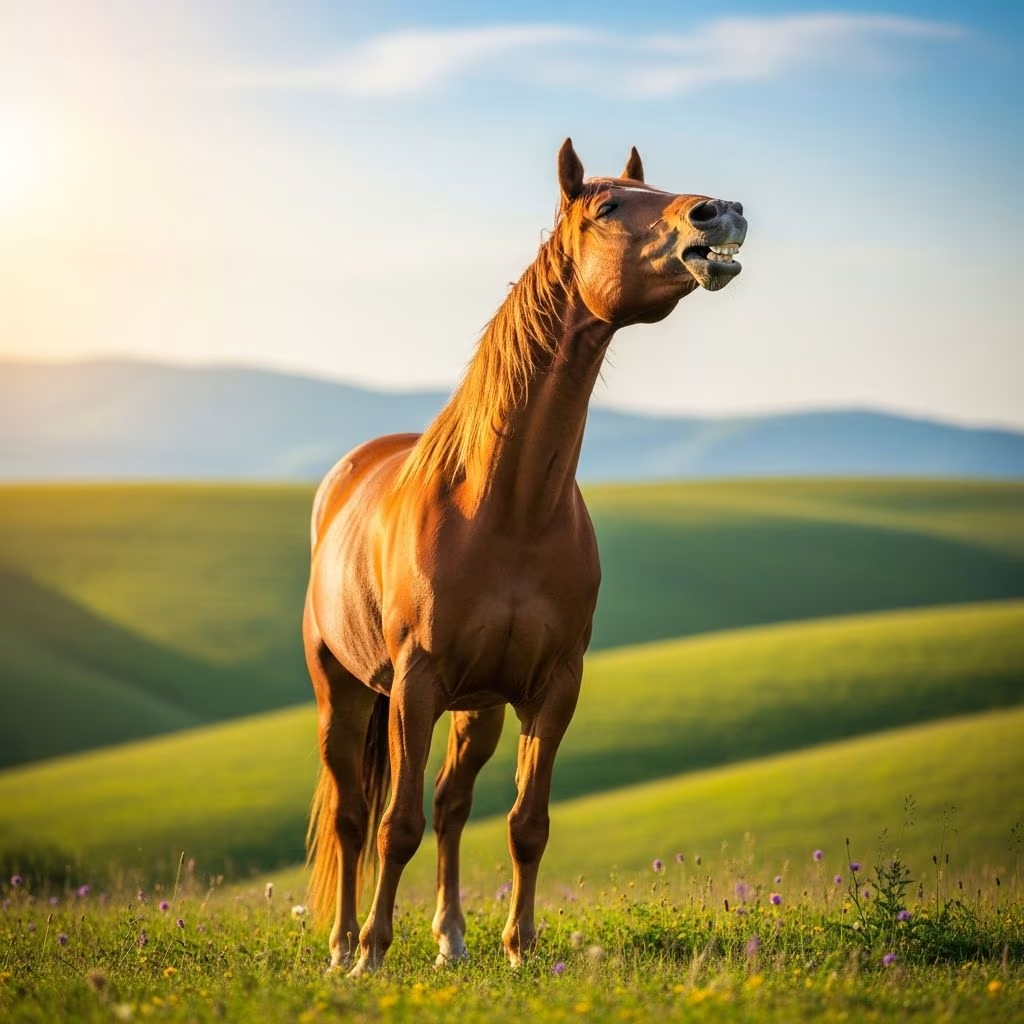
Understanding Horse Sounds and Communication
Horses are highly social animals with a sophisticated system of communication that goes far beyond body language and behavior. One of the most effective ways horses express themselves is through vocalizations. Each sound your horse makes carries specific meaning, whether it’s a call for help, a greeting, or a warning signal. Understanding these equine vocalizations is essential for any horse owner, trainer, or enthusiast who wants to deepen their connection with these magnificent animals and respond appropriately to their needs.
Horses typically use four primary types of vocalizations to communicate with other horses and with humans: the whinny, the nicker, the snort, and the squeal. Additionally, horses may produce other sounds such as sighs, groans, roars, and blows. By learning to recognize and interpret these sounds, you can better understand your horse’s emotional state, physical condition, and intentions.
The Whinny or Neigh
The whinny, also called a neigh, is one of the most recognizable horse sounds. It is a loud, high-pitched vocalization that begins like a squeal and ends like a nicker. This sound is produced through the larynx and typically exits through the nostrils and slightly open mouth. The whinny is the longest and loudest of all horse sounds, making it easily identifiable even from a distance.
What It Means: The whinny serves primarily as a social call and recognition signal. Horses use this vocalization to locate other members of their herd when they are separated or at a distance. Each horse has a unique whinny that other horses and humans can distinguish, much like individual human voices. When a foal is separated from its mother or when peer companions are separated, neighing becomes the primary means of communication to maintain contact.
Whinnying may also occur when a horse encounters another horse in the distance or when it is curious about something it has seen. A constantly neighing horse could indicate nervousness or that the animal feels removed from its comfort zone and separated from its companions. The intensity and pitch of the neigh can vary—some horses neigh softly while others produce piercing, expressive cries. Confident horses may use very sharp, piercing neighs, while others may produce gentle, flowing sounds depending on their personality and the situation.
The Nicker
The nicker is a softer, quieter vocalization compared to the whinny. It is a gentle, low-pitched sound that many describe as a friendly greeting or invitation. Unlike the loud, long-distance call of the whinny, the nicker is typically used for close-range communication between horses or between a horse and its caretaker.
What It Means: All three types of nickers essentially mean “Come closer to me”. Mares often nicker to their foals, while horses may nicker to one another as a sign of affection or friendship. A horse may also nicker to you as a greeting, particularly if you are about to bring food or treats. This sound is often associated with positive emotions and expectations. When you hear your horse nicker, it is typically a sign of contentment, anticipation of something pleasant (like feeding time), or a request for your attention or companionship.
The Snort
The snort is an explosive sound created by the forceful expulsion of air through the nostrils. It has a distinctive rattling quality that sets it apart from a simple blow. The snort is produced when a horse rapidly forces breath through its nose, often with its head held high.
What It Means: A snort typically communicates alarm or serves as a warning signal to other horses. When a horse snorts and holds its head high, it has usually detected a threat or something suspicious in its environment. The snort may be used as a defensive alert, telling other herd members to be cautious. During trail rides, horses often snort when they detect unfamiliar scents or when approaching unknown objects or animals. However, snorts are not always signs of fear—horses may also snort during play when they are practicing their flight response or getting ready to run. In these playful situations, the snort is more of an excited expression. A loud, repeated snort is an indication that danger is imminent or that the horse is unsure about the safety of their surroundings. Some horses make the same snorting sound when they are restless but constrained, which should be taken seriously as a sign that the horse feels trapped and alarmed and may become reactive.
The Squeal
The squeal is a high-pitched, loud outcry that is often associated with mares, though any horse can produce this sound. It is a distinctive vocalization with clear communicative intent.
What It Means: Most often, a squeal is a warning or threat display. Horses use squeals in situations of increasing conflict between two horses or as a defensive warning. A squealing horse is essentially saying, “Stay back, or I will become more aggressive if you provoke me further”. The squeal can also be heard from a terrified horse in a panic situation. When a horse squeals, it is usually indicating horse-on-horse violence, a challenge to another horse, or extreme fear or distress. Understanding the context of a squeal is crucial for your safety and the safety of your horses, as a squealing horse may be about to engage in aggressive behavior.
Additional Horse Vocalizations
The Blow
A blow is characterized by a strong, prolonged exhalation of air through the nostrils with the mouth remaining closed and nostrils dilated. A horse may blow after curiously sniffing something or may emit a sharper blow to alert others of intruders. While the terms “blow” and “snort” are sometimes used interchangeably, many scientists distinguish them as separate vocalizations. A blow is generally a milder warning than a snort, though horses may produce both sounds in different situations.
The Roar or “Dragon Breath”
The roar is a deep, throaty sound that is often called “dragon breath” by horse enthusiasts. This sound occurs when a horse has held its breath in a nervous, tense, or nerve-wracking situation and then releases all that held breath at once. The roar is a way for horses to warn other herd members of potential dangers. In rarer cases, it may occur when a horse is very excited. This intimidating sound is intended to scare off conspecifics or objects that frighten the horse.
Sighing
Horses may sigh when they transition from a state of slight discomfort or tension into a more relaxed state. A sigh indicates relief after a tense situation or as the horse relaxes. However, horses may also sigh when they are feeling bored or frustrated. The context and the horse’s body language will help you determine whether a sigh reflects contentment or discontent.
Groaning
A horse may groan if it is in pain, experiencing discomfort, or during physically strenuous movements such as rising from the ground. Sometimes a groan may indicate a positive state, such as when a horse is taking a nice roll in the dirt. However, it is essential to understand other aspects of horse behavior and body language to ensure you properly interpret the situation. Horses experiencing colic may also roll and groan, so understanding the difference between a contented groan and a pain-related groan is critical for identifying potential health issues.
Individual Variations in Horse Vocalizations
Just as humans have unique voices and varying levels of talkativeness, horses also display individual variation in their vocalizations. Some horses are rarely heard to neigh, while others neigh frequently and enthusiastically. Some horses have deeper, more resonant voices, while others produce higher-pitched sounds. Stallions, for example, often use a deep and long blubbering sound to attract the interest of mares, essentially saying “Look, I’m a great one!”. The frequency and character of a horse’s vocalizations can be influenced by its personality, age, sex, and individual temperament.
Interpreting Context and Body Language
While horse vocalizations are important indicators of equine communication, they should never be interpreted in isolation. The context in which a sound is produced and the accompanying body language are equally important for accurate interpretation. A horse’s ear position, head height, tail carriage, and overall posture all contribute to the meaning of a vocalization. For example, a snort accompanied by a raised head and alert ears suggests caution or alarm, while a snort during play may be accompanied by playful prancing and a relaxed overall demeanor.
When horses neigh, their vocalizations are generally accompanied by a lifted head, pricked ears, and a slightly open mouth. Understanding these visual cues alongside the auditory signal helps you develop a more complete understanding of your horse’s emotional and physical state.
Practical Applications for Horse Owners
Understanding horse vocalizations has practical applications for every horse owner and handler. When you hear your horse whinny, you can understand it may be calling for a companion or seeking to establish contact. Responding to nickering by providing attention or food reinforces positive communication. Recognizing alarm snorts allows you to investigate potential hazards in your horse’s environment before they become safety issues. Identifying the emotional or physical state behind groans or sighs can alert you to potential health concerns that require veterinary attention.
By becoming attuned to your horse’s vocalizations, you demonstrate responsiveness to its needs and build trust. This enhanced communication strengthens the human-horse bond and allows you to provide better care, training, and management.
Frequently Asked Questions
Q: Why does my horse neigh constantly?
A: Constant neighing often indicates nervousness or anxiety, especially if the horse is separated from its companions. The horse may be calling for another horse that has been removed from the herd or expressing distress at being away from its comfort zone. If constant neighing is a new behavior, consult your veterinarian to rule out pain or other medical issues.
Q: Is a squeal always a sign of aggression?
A: While squeals are often associated with aggression or conflict, they can also indicate extreme fear or panic. The context and the horse’s overall behavior will help you determine the cause. If you witness frequent squealing, monitor the situation carefully to identify any patterns or underlying issues.
Q: What does it mean when my horse snorts during a trail ride?
A: Snorting during a trail ride usually indicates that your horse has detected an unfamiliar scent, sound, or object. This is a normal alert response and doesn’t necessarily mean danger is present. Your horse is gathering information about its environment and communicating caution to other horses.
Q: Can I distinguish between individual horses by their whinnies?
A: Yes, each horse has a unique whinny that other horses and humans can identify. Some horse owners and handlers become skilled at recognizing their horse’s individual voice and can distinguish it from other horses in a herd or barn.
Q: What should I do if my horse makes roaring or “dragon breath” sounds?
A: Roaring or “dragon breath” sounds typically indicate that a horse is anxious or warning of danger. This is usually a temporary response to a stressful situation. However, if these sounds occur frequently, work with a trainer or behaviorist to identify and address the underlying cause of your horse’s anxiety.
References
- Horse Sounds – What Do They Really Mean? — Malgré Tout Media. https://www.malgretoutmedia.com/professional/horse-sounds-what-do-they-really-mean/
- Glossary Of Horse Vocalizations And Sounds — Open Sanctuary. https://opensanctuary.org/glossary-of-horse-vocalizations-and-sounds/
- Horse Behavior: The meaning behind audible expressions — Julie Goodnight. https://signin.juliegoodnight.com/articles/free-articles/horse-behavior-the-meaning-behind-audible-expressions/
- A Glossary of Equine Vocalizations — Horse Illustrated. https://www.horseillustrated.com/horse-keeping-a-glossary-of-equine-vocalizations/
- Horse sounds and their meaning | Horse anatomy (part 4) — Cavalluna. https://www.cavalluna.com/en/backstage-more/knowledge-about-horses/horse-anatomy/horse-sounds



