

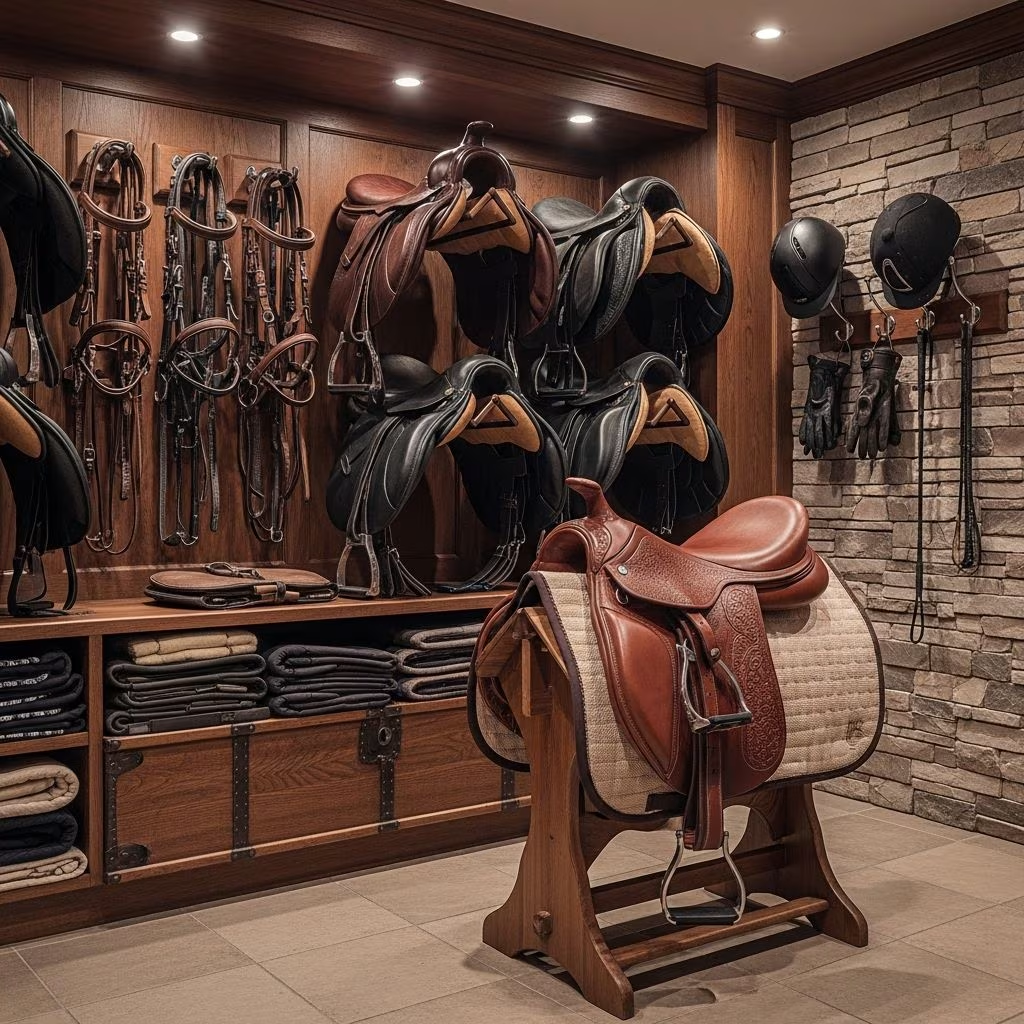
Horse Saddle Storage: A Complete Guide to Protecting Your Investment
Your saddle is one of the most important pieces of equipment you’ll invest in as an equestrian. Whether you’re a casual rider or a competitive athlete, proper saddle storage is essential for maintaining its integrity, functionality, and safety. Improper storage can lead to mold, warping, cracking, and leather deterioration that compromises both the saddle’s lifespan and your horse’s comfort. Understanding how to store your saddle correctly ensures it remains in excellent condition for years to come.
Why Proper Saddle Storage Matters
Your saddle is subject to constant stress during use, and improper storage can accelerate damage that might otherwise take years to appear. Leather is a natural material that requires specific environmental conditions to remain supple and strong. Synthetic saddles, while more resilient, still benefit from proper care and storage practices. By investing time in correct storage methods, you’re protecting your investment, ensuring your horse’s comfort during rides, and maintaining your own riding safety.
Choosing the Right Storage Location
The location where you store your saddle significantly impacts its longevity and condition. Your tack room or storage area should meet specific environmental requirements to prevent damage.
Temperature and Humidity Control
The ideal storage environment maintains consistent temperature and humidity levels. Humidity is one of leather’s biggest enemies, as excessive moisture promotes mold and mildew growth. The optimal humidity range is between 40 and 50 percent. To achieve this balance, consider using a dehumidifier in your tack room, especially in naturally humid climates. Avoid storing saddles in sealed containers or airless rooms, as these trap moisture and accelerate deterioration.
Temperature stability is equally important. Extreme heat can dry out leather and cause cracking, while cold temperatures combined with moisture can promote mold growth. If possible, store your saddle in a climate-controlled space such as a heated tack room or interior closet rather than in an uninsulated garage or outdoor structure.
Avoiding Direct Sunlight and Heat Sources
Sunlight fades leather and weakens it structurally, reducing both the saddle’s aesthetic appeal and its functional integrity. Store your tack away from windows or use UV-blocking curtains to protect it from sun damage. Additionally, keep saddles away from heat sources like heaters, radiators, or direct air vents. Never attempt to dry a wet saddle quickly using heat, as this causes cracking and permanent damage. Instead, allow saddles to air dry naturally in a well-ventilated space.
Using Proper Storage Equipment
The equipment you use to store your saddle plays a crucial role in maintaining its shape and preventing damage.
Selecting the Right Saddle Rack
A quality saddle rack is your saddle’s best friend in storage. The rack should mimic the shape of a horse’s back to prevent sagging and distribute weight evenly across the saddle’s tree and panels. The best saddle racks feature a smooth surface that conforms to your saddle’s shape or a pole that runs through the saddle’s channel without applying pressure to specific areas.
Metal or wooden saddle racks provide sturdy support and maintain saddle shape effectively. Wooden racks with padding offer superior protection against scratches and scuffs. However, avoid wired racks that can warp your saddle over time. If using a metal rack, consider covering it with pool noodles or foam padding to simulate the shape of a horse’s back and distribute pressure evenly.
Wall-mounted or freestanding options both work well depending on your space and convenience. Wall-mounted racks save space and keep saddles off the ground, while freestanding stands are portable and convenient for tack rooms or trailers. Regardless of which type you choose, ensure the saddle sits level and doesn’t tilt forward or backward, which can stress the leather and tree unevenly.
Never Store on the Floor
Placing saddles directly on the ground, even temporarily, exposes them to dust accumulation and damp exposure. Ground-level storage also leaves saddles vulnerable to accidental damage from foot traffic or animals kicking them. Keeping your saddle elevated on a rack prevents these issues and makes your storage space more organized.
Using Protective Covers and Storage Accessories
Protective covers shield your saddle from dust and debris while maintaining air circulation around the leather.
Breathable vs. Plastic Covers
When your saddle isn’t in regular use, covering it protects it from dust accumulation and environmental contaminants. However, the type of cover you choose is critical. Avoid plastic covers at all costs, as they trap moisture against the leather surface, promoting mildew and mold growth. Instead, use cotton or canvas saddle covers that provide dust protection while allowing air circulation around the saddle.
If you don’t have a dedicated saddle cover, cotton sheets or breathable fabric can serve as excellent alternatives. The key is ensuring that any covering material allows for air exchange while blocking dust and light.
Saddle Bags and Transport Solutions
For those who frequently transport their saddles, leather saddle bags or padded saddle covers provide protection during movement and storage. When selecting a saddle bag, ensure the padding is sufficient and that it’s specifically designed for your saddle type. Quality saddle bags protect your investment during transport while offering convenient storage solutions when saddles aren’t in use.
Pre-Storage Saddle Care
Before placing your saddle in storage, proper cleaning and conditioning ensures it remains in optimal condition.
Cleaning Your Saddle
Always clean your saddle before storing it. Use a gentle leather cleaner and a soft brush to remove all dirt, debris, and sweat from your last ride. This important step prevents dirt from embedding into the leather and causing damage over time. For synthetic saddles, use a soft brush appropriate for the material.
Conditioning Leather
After cleaning, apply a quality leather conditioner to keep the material supple and protected. Conditioning replenishes natural oils that leather loses over time, maintaining its flexibility and preventing cracking. Establish a regular conditioning schedule, especially if your saddle is stored for extended periods.
Handling Wet Saddles
If your saddle gets wet during use, dry it off immediately with a soft cloth. Never place a wet saddle in storage, as moisture accelerates mold and mildew growth. Avoid using heat sources to dry your saddle quickly, as this damages the leather structurally. Instead, place the saddle on a rack in a well-ventilated space and allow it to air dry naturally before storing it away.
Organizing Your Tack Room for Efficiency
An organized tack room supports both equipment preservation and daily convenience.
Creating Designated Storage Sections
Having a logical storage system keeps everything within reach and reduces stress on your gear. Separate saddles, bridles, pads, and grooming tools into designated areas. Use hooks, shelves, and bins to keep small items like stirrups and conditioners organized and accessible. In busy barns or shared spaces, label hooks clearly to prevent confusion and ensure consistent organization.
Setting Up Cleaning and Conditioning Stations
Dedicate a small area of your tack room for cleaning and conditioning your equipment before storage. This station should include hooks for drying clean tack and saddle stands for inspections or repairs. By establishing this workflow, you’ll ensure your saddles are always properly prepared before storage, extending their lifespan and maintaining their condition.
Storage Considerations for Different Saddle Types
Different saddle types may require slightly adjusted storage approaches.
Flocked Saddles
Flocked saddles with wool or foam flocking require special attention during storage. Keep flocked saddles in a dry, damp-free room, preferably inside a heated tack room to protect the leather from mold. Wool flocking should be reassessed periodically by a saddle fitter to ensure it remains in good working order. Foam panels, which are typically thinner, require careful storage as any damage will have greater consequences for your horse’s back.
Synthetic Saddles
While synthetic saddles are more resistant to moisture than leather, they still benefit from clean, organized, and supportive storage. Avoid excessive heat and UV exposure even with synthetic materials, as these can compromise the structural integrity of the material over time.
Special Storage Solutions
Long-Term Storage
For extended storage periods, additional precautions help maintain your saddle’s condition. Use a saddle rack that supports the full panel and tree, store it in a cool, dry, and dark location with a breathable cover, and check monthly for signs of mold or excessive dryness. Climate-controlled storage units work effectively for long-term saddle storage, provided you use a standing saddle rack and avoid wired racks that can warp the saddle.
Storage Without a Dedicated Rack
If you don’t have access to a saddle rack, a sturdy hook or saddle stand can work temporarily. Ensure it’s positioned somewhere it won’t be knocked over or broken. A sturdy, padded surface can also provide adequate support, though a proper saddle rack remains the ideal solution.
Preventing Common Storage Problems
Understanding and preventing common storage issues ensures your saddle remains ride-ready.
Preventing Mold and Mildew
Mold thrives in humid, damp environments. To prevent mold growth, use a dehumidifier in your tack room, avoid airtight containers, and regularly clean and condition your tack. Wipe down gear after every ride and allow it to air dry before storing. Store your saddle away from windows or damp areas, and maintain proper ventilation in your storage space.
Avoiding Warping and Cracking
Improper support and environmental conditions lead to warping and cracking. Always use a properly shaped saddle rack that distributes weight evenly. Avoid stacking saddles or leaning them in corners, which creates uneven pressure. Keep saddles away from heat sources and direct sunlight to prevent leather drying and cracking.
Protecting Against Physical Damage
Physical damage can occur through careless storage practices. Never fold saddles or stuff them into boxes or bags, as this causes damage over time. Keep saddles elevated and use covers to protect them from dust and debris. In organized spaces, ensure saddles are positioned securely to prevent accidental falling or shifting.
Frequently Asked Questions About Saddle Storage
Q: What’s the best way to store a saddle long-term?
A: Use a saddle rack that supports the full panel and tree. Keep it in a cool, dry, and dark location with a breathable cover over it. Check monthly for mold or dryness. Climate-controlled storage units work well if you maintain a standing saddle rack and avoid wired racks that can warp your saddle.
Q: Can I store a bridle in a plastic bin?
A: It’s not recommended. Plastic traps moisture and promotes mold. Use an open-air bridle hook or a cotton-lined tack bag that allows ventilation. Bridles should be hung to maintain their natural shape and prevent stress on leather joints.
Q: How do I prevent mold on tack in humid areas?
A: Use a dehumidifier in your tack room, avoid airtight containers, and regularly clean and condition your tack. Wipe down gear after every ride and allow it to air dry before storing. The ideal humidity level is 40-50 percent.
Q: Do synthetic saddles and bridles need the same storage care?
A: They’re more resistant to moisture but still benefit from clean, organized, and supportive storage. Avoid excessive heat and UV exposure even with synthetics, as these can compromise the material’s integrity.
Q: What should I do if my saddle gets wet?
A: Dry it off immediately with a soft cloth. Don’t put it away near heat sources to dry because excessive heat will crack the leather. Allow it to air dry naturally in a well-ventilated space before storing.
Q: How often should I check on stored saddles?
A: Check stored saddles monthly for signs of mold, mildew, or excessive dryness. Regular inspections help catch problems early before they cause significant damage. This is especially important in humid climates or during seasonal storage.
Conclusion
Proper saddle storage is fundamental to maintaining your equipment’s quality, functionality, and safety. By implementing the strategies outlined in this guide—choosing appropriate storage locations, using proper racks, maintaining optimal environmental conditions, and following pre-storage care routines—you’ll extend your saddle’s lifespan significantly. Whether you’re storing a saddle for the season, taking a break from riding, or managing multiple saddles in a busy barn, these practices ensure your tack remains in ride-ready condition for years to come. Your saddle represents a substantial investment in your riding experience, and protecting it through proper storage practices demonstrates responsible equipment management and care.
References
- Proper Storage for Saddles and Bridles – Here’s How to Keep Your Tack in Great Condition — Equine Blog. 2025. https://equine.blog/tack-equipment/proper-storage-for-saddles-and-bridles/
- Best Way to Store a Horse Saddle: Tips and Tricks — The Epic Animal. 2025. https://theepicanimal.com/blogs/blogs/best-way-to-store-a-horse-saddle
- How to Store a Horse Saddle — Public Storage. 2025. https://www.publicstorage.com/blog/storage-tips/how-to-store-a-horse-saddle.html
- Saddle Storage Tips: Avoid Warping, Cracking, and Mold — Mousm. 2025. https://www.mousm.com/blogs/news/saddle-storage-tips-avoid-warping-cracking-and-mold
- Proper Saddle Storage — Evolution Equestrian Co. 2025. https://evolutiontack.ca/blogs/tack-tip-tuesday/proper-saddle-storage



