

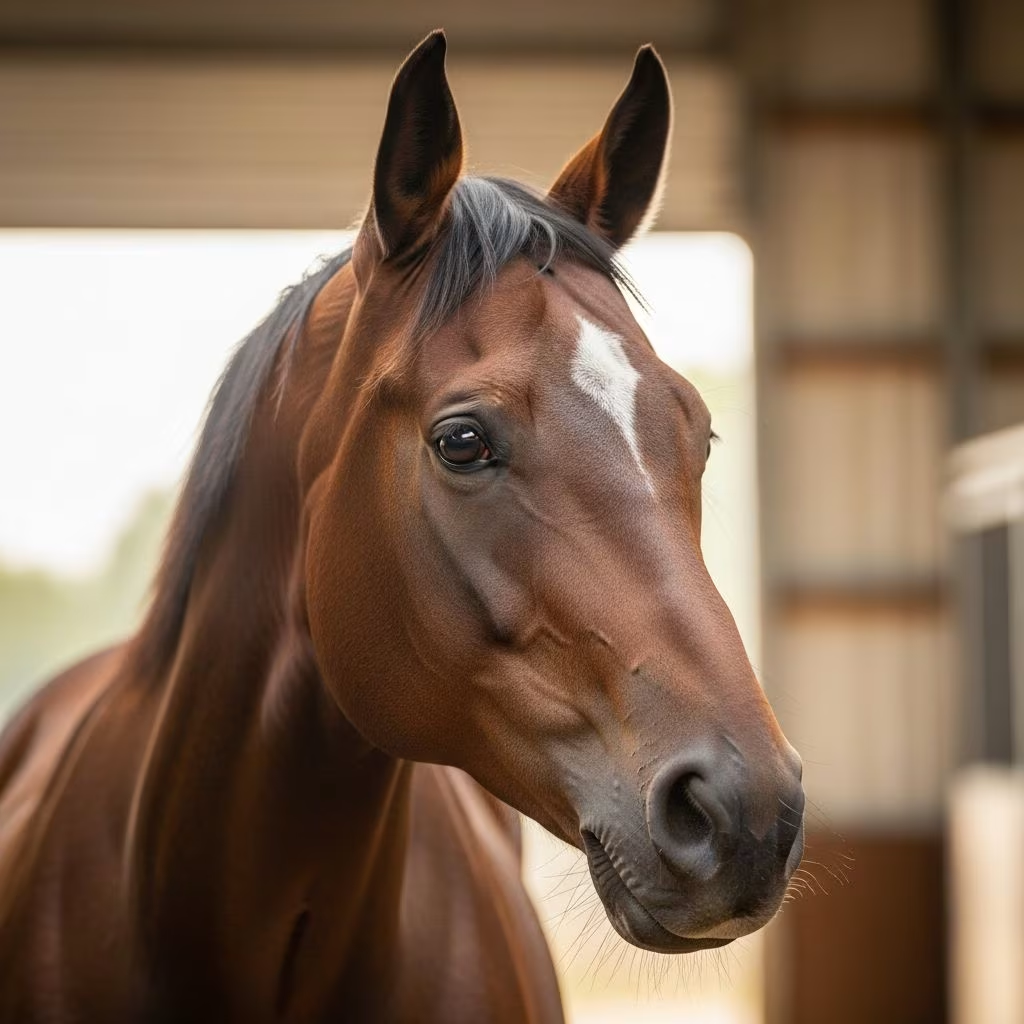
Metabolic disorders in horses disrupt the body’s ability to process nutrients, hormones, and energy, leading to issues like obesity, insulin problems, and laminitis. These conditions, primarily equine metabolic syndrome (EMS) and pituitary pars intermedia dysfunction (PPID or Cushing’s disease), affect easy-keeper breeds and require proactive management through diet, exercise, and veterinary care.
Understanding Equine Metabolic Challenges
Horses evolved to thrive on sparse forage, but modern feeding practices with rich grasses and grains can overload their systems. Metabolic issues arise when the body struggles with insulin regulation, causing fat buildup and health risks. Breeds like ponies, Arabians, Morgans, donkeys, and mustangs—known as ‘thrifty’ types—are particularly susceptible due to genetics that promote efficient energy storage.
Key disruptions include:
- Insulin dysregulation: Abnormal spikes in insulin after carb intake, mimicking pre-diabetes.
- Regional fat deposits: Cresty necks, fat pads on shoulders, ribs, or tailhead, even in non-obese horses.
- Obesity tendency: Difficulty shedding weight despite controlled feeding.
These problems heighten laminitis risk, a painful hoof inflammation that can cause permanent damage if recurrent.
Primary Metabolic Conditions in Horses
Equine Metabolic Syndrome (EMS)
EMS combines insulin resistance, abnormal fat storage, and laminitis predisposition. Affected horses show poor glucose tolerance, with blood sugar lingering high after meals. Not all obese horses have EMS, but most EMS cases involve overweight animals (body condition score >6/9).
Common in middle-aged horses (5-15 years), EMS stems from genetic thriftiness mismatched with abundant feed. Liver fat accumulation worsens the cycle, reducing appetite and mobility.
Pituitary Pars Intermedia Dysfunction (PPID)
Also called equine Cushing’s, PPID involves pituitary gland overactivity, elevating hormones like ACTH. It overlaps with EMS, compounding metabolic stress. Primarily hits older horses (>15 years), though younger ones in prone breeds like Morgans can develop it.
PPID triggers immune suppression and insulin issues, increasing infection and laminitis risks.
Recognizing Warning Signs
Early detection prevents crises. Monitor for:
- Persistent cresty neck or fat lumps unresponsive to diet.
- Recurrent laminitis, even without triggers.
- For PPID: Long, curly coat that sheds poorly; excessive thirst/urination; muscle wasting along back; potbelly; lethargy.
- General: Easy weight gain, poor topline, slow healing.
Owners of at-risk breeds should weigh horses quarterly and track body condition using a 1-9 scale.
Diagnostic Approaches
Veterinary evaluation is essential. Start with history, exam, and bloodwork:
| Test | Purpose | Target Condition |
|---|---|---|
| Basal glucose/insulin | Detects resting imbalances | EMS |
| Glucose/insulin response tests | Measures post-carb reaction | EMS/IR |
| ACTH stimulation or baseline | Assesses pituitary function | PPID |
| Thyroid panel (if needed) | Ruled out hypothyroidism mimics | All |
Ultrasound checks fat deposits; radiographs confirm laminitis. Differentiate EMS from PPID, as 20-30% overlap.
Nutrition Strategies for Metabolic Horses
Diet is cornerstone: Limit non-structural carbohydrates (NSCs: sugars + starches) to <10-12% of forage dry matter. Soak hay to leach sugars; test batches for NSC content.
Recommended Feeding:
- Forage first: Timothy, orchard, or teff hay; small squares or cubes. Feed 1.5-2% body weight daily, split into meals.
- No pasture: Use grazing muzzles or dry lots to curb rich grass.
- Ration balancers: Low-NSC pellets provide vitamins/minerals without calories. 1-2 lbs/day.
- Supplements: Chromium, magnesium, zinc for insulin support; omega-3s for inflammation. Avoid sweetened products.
Avoid: Grains (oats, corn), molasses, lush pasture, sweet feeds. Gradual changes prevent digestive upset.
For PPID horses, boost protein (14-16% crude) to combat muscle loss.
Exercise and Lifestyle Management
Regular movement enhances insulin sensitivity. Aim for 30-60 min daily: walking, lunging, or riding, tailored to fitness. Start slow to avoid laminitis flare-ups.
Other tips:
- Maintain ideal weight: Slow loss (0.5-1% body weight/week).
- Stall rest during acute laminitis; supportive shoeing.
- Annual vet checks for at-risk horses.
Treatment Options
EMS focuses on management; no cure. PPID uses pergolide (Prascend) lifelong to normalize ACTH. Dose per blood levels; monitor side effects like appetite loss.
Advanced cases: Metformin for severe IR (vet-prescribed). Laminitis needs farrier/vet intervention: Deep digital flexor tenotomy if chronic.
Prevention Best Practices
Proactive steps reduce incidence:
- Select easy-keeper breeds wisely; avoid overfeeding.
- Test hay seasonally; rotate pastures.
- Track BCS monthly; adjust intake.
- Exercise year-round; winter blanketing prevents overeating hay.
- Early screening at age 5+ for prone breeds.
Frequently Asked Questions (FAQs)
Can thin horses get EMS?
Yes, insulin dysregulation occurs independently of obesity.
Is grass safe for metabolic horses?
Lush spring grass is risky; use muzzles or no turnout.
How long until diet changes help?
Insulin improves in weeks; weight loss takes months.
Does EMS affect performance horses?
Rarely, as Thoroughbreds/Standardbreds are less prone.
Can supplements cure EMS?
No, they support management alongside diet/exercise.
Long-Term Outlook
With diligent care, most metabolic horses live comfortably, avoiding laminitis cycles. Regular vet partnerships ensure tailored plans. Owners report success using low-NSC hay, exercise, and monitoring—transforming ‘problem’ ponies into healthy companions.
References
- Guide To Feeding Your Metabolic Horse — PetMD. 2023. https://www.petmd.com/horse/nutrition/feeding-metabolic-horses
- Equine Metabolic Syndrome — UC Davis School of Veterinary Medicine. 2024. https://ceh.vetmed.ucdavis.edu/health-topics/equine-metabolic-syndrome
- A Horse Owner’s Guide to Cushings and Metabolic Syndrome — Lewiston Vet Clinic. 2024. https://lewistonvetclinic.com/managing-equine-endocrine-disorders-a-horse-owners-guide-to-cushings-and-metabolic-syndrome/
- Equine Metabolic Syndrome — University of Minnesota College of Veterinary Medicine. 2023. https://vetmed.umn.edu/equine/research/equine-genetics-and-genomics-laboratory/projects/equine-metabolic-syndrome
- Introduction to Metabolic Disorders of Horses — Merck Veterinary Manual. 2025. https://www.merckvetmanual.com/horse-owners/metabolic-disorders-of-horses/introduction-to-metabolic-disorders-of-horses
- An Owner’s Guide to Equine Metabolic Syndrome — Michigan State University College of Veterinary Medicine. 2024. https://cvm.msu.edu/vdl/client-education/guides-for-pet-owners/an-owners-guide-to-equine-metabolic-syndrome



