

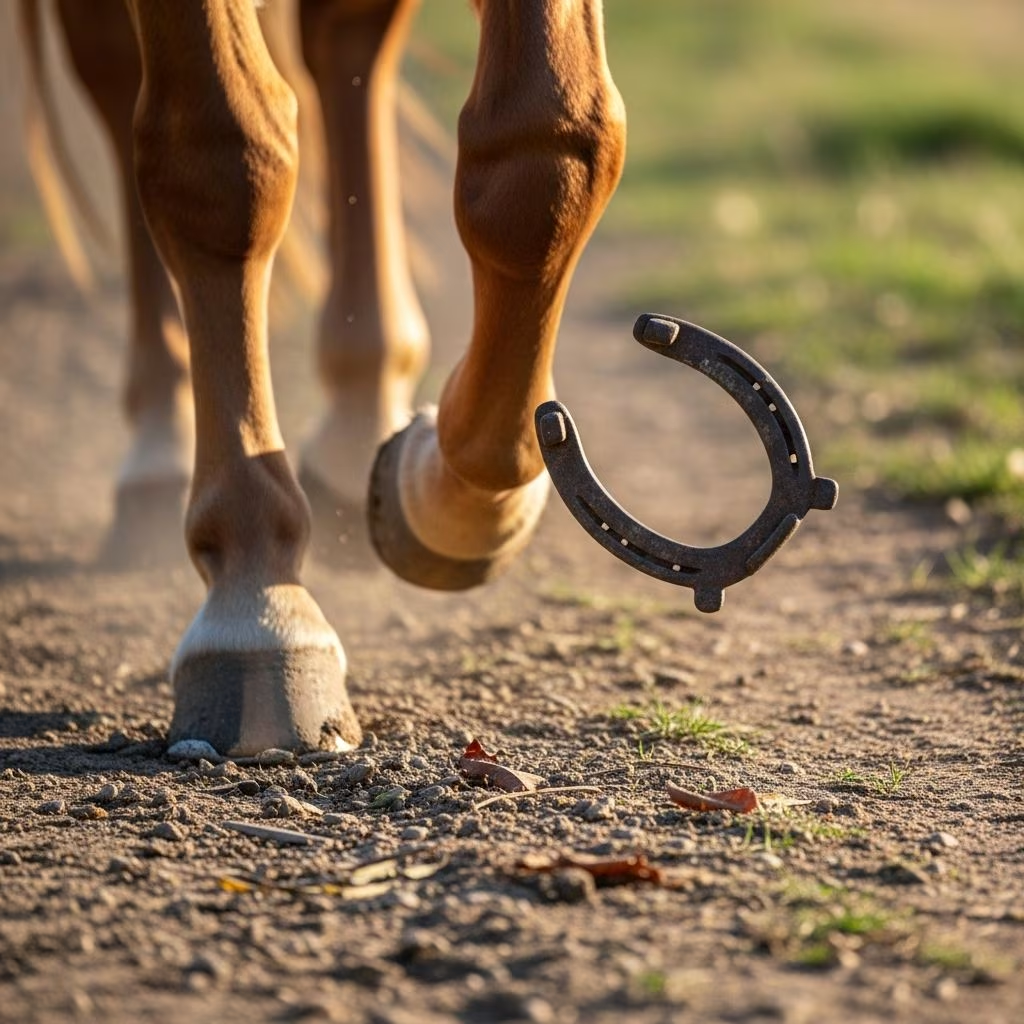
Understanding Why Horses Lose Shoes
Horseshoe loss is one of the most common frustrations horse owners face, whether you’re an experienced equestrian or new to horse care. When your horse repeatedly loses shoes, it can lead to expensive farrier visits, hoof damage, and potential lameness issues. Understanding the root causes of shoe loss is the first step toward solving this problem.
According to farrier experts, horseshoe loss typically stems from three primary categories: farrier-related issues, management problems, and horse-related behavioral factors. Each of these categories requires different approaches and solutions. By identifying which category your horse falls into, you can work with your farrier and veterinarian to develop a targeted strategy.
Common Causes of Horseshoe Loss
Improper Shoeing Techniques
One of the most significant contributors to shoe loss is improper shoeing. When a hoof is trimmed incorrectly, the horse’s movement becomes compromised, which directly impacts the shoe’s ability to stay secure. Poor trim angles can cause the horse to shorten their stride or move unnaturally, placing additional stress on the nails and shoe. This altered gait can actually lead to lameness over time, which further exacerbates the problem by causing the horse to move even more awkwardly.
A well-balanced trim allows the horse to move naturally and efficiently, reducing unnecessary strain on the shoe and nails. This is why communication with your farrier is absolutely critical. If you notice your horse is moving differently after shoeing or seems uncomfortable, discuss these observations with your farrier immediately.
Long Intervals Between Shoeing
Horses don’t grow hooves evenly—some areas grow faster than others. When shoeing intervals stretch beyond the recommended timeframe, the toe becomes excessively long, pushing the shoe forward. This forward shift delays breakover (the point at which the horse’s hoof leaves the ground during movement) and creates stress concentrations on the shoe and nails. Most horses require shoeing every six to eight weeks, but horses with problematic hooves may need more frequent attention.
Regular trimming and shoeing are crucial because the hoof is constantly growing. It takes eight months to a year for an entire hoof to grow in, and since hooves don’t grow in balance, establishing and maintaining a consistent shoeing schedule is essential for keeping shoes secure.
Poor Hoof Quality and Moisture Imbalance
The health of your horse’s hoof capsule directly determines how well shoes stay attached. Your horse’s hoof has a natural protective layer called the periople, which seals the foot and maintains proper moisture levels. The sole should contain approximately 25% moisture, while the frog should have about 50%.
When environmental conditions fluctuate from wet to dry or vice versa, hooves can expand and contract excessively, causing them to “fall apart” structurally. Dry conditions cause hooves to become brittle and crack, while excessive moisture weakens the hoof wall. Brittle, thin hoof walls struggle to hold nails securely, making shoe loss more likely.
Footing and Environmental Factors
The surfaces your horse works and lives on play a significant role in shoe retention. Soft, deep footing or sudden changes in terrain can cause horses to alter their gait and overreach—when the hind foot contacts the front foot or shoe. Moving from hard-packed surfaces to softer terrain like plowed fields or muddy pastures may cause a horse to hesitate before overcompensating, potentially grabbing his front heel and shoe with his hind foot.
During summer months, dry conditions cause hooves to crack from excessive stomping as horses attempt to shake off flies. Wet or muddy conditions also contribute to shoe loss. Additionally, thin fencing in turnout areas can catch between the shoe and hoof when horses kick out, causing shoe loss.
Soundness Issues and Lameness
When horses experience pain or lameness from any source, they typically shorten their stride to avoid putting full weight on the affected limb. This altered movement pattern places uneven stress on shoes and nails. If your horse begins losing shoes suddenly after an injury or while exhibiting signs of lameness, addressing the underlying soundness issue with your veterinarian should be your first priority.
Immediate Actions When Your Horse Loses a Shoe
Temporary Hoof Protection
When your horse loses a shoe, protecting the exposed hoof is critical to prevent further damage and potential abscess formation. An unshod hoof is vulnerable to bruising, cracking, and infection. While waiting for your farrier to reset the shoe, use a hoof boot to protect the foot.
A quick and effective temporary solution is to apply Magic Cushion to the sole of the foot and add a handful of clean shavings to set it in place. This protective packing helps prevent the foot from breaking up and significantly reduces the risk of developing a hoof abscess—a painful and serious condition that can cause lameness.
Remove all remaining nails from the hoof carefully before applying any protective treatment. Broken or protruding nails can cause additional damage to the hoof wall and sole.
Long-Term Solutions and Preventative Measures
Improving Hoof Health
Maintaining optimal hoof health is fundamental to preventing shoe loss. Here are key strategies for keeping your horse’s hooves in top condition:
- Use Hoof Sealants: Apply a quality hoof sealant like Davis Hoof Protectant. Because rasping the hoof wall during shoeing opens the hoof structure and makes it more porous, sealants help prevent excessive moisture transfer and maintain proper hydration levels.
- Maintain Consistent Farrier Schedules: Regular trimming and shoeing are crucial. Keep meticulous records of your shoeing schedule and stick to your farrier’s recommended intervals.
- Monitor Environmental Moisture: Be mindful of whether your horse’s hooves are too wet or too dry. Both extremes compromise hoof integrity. Wet conditions require better drainage in pastures and stalls, while dry conditions may benefit from hoof moisturizers.
- Nutritional Support: Ensure your horse receives adequate biotin, zinc, and other nutrients essential for hoof growth and quality. Consult with your veterinarian about appropriate supplementation.
Advanced Shoeing Techniques
Your farrier has several specialized techniques available to address persistent shoe loss:
Clips and Modified Shoe Edges: Side clips (also called quarter clips) prevent the shoe from twisting sideways on the foot, while toe clips prevent the foot from sliding forward. A well-fitted clip is often worth two nails in terms of holding power. However, clips must be carefully fitted because they can restrict foot expansion slightly.
Rounded Edges and Spooning: Farriers can grind down sharp shoe edges before setting them, allowing the foot to slide off if the horse steps on a shoe rather than pulling off the shoe entirely. Another technique called “spooning the heels” bends the heels of the shoe upward at an angle less likely to be caught during an overstep.
Glue-On Shoes: For horses with cracks, brittle hoof walls, or thin walls that cannot hold nails securely, glue-on shoes made from polyurethane or composite materials attached with adhesive bonding may be the solution. These are particularly effective for horses with laminitis or other serious hoof conditions, though they should be used judiciously and only when recommended by your farrier.
Using Protective Equipment
Protective gear can significantly reduce shoe loss caused by the horse grabbing or overreaching:
Bell Boots: Also called overreach boots, these can help prevent front shoe loss when applied correctly. The critical factor is that boots must touch the ground, not just the heel bulbs or shoe. Properly fitted bell boots contour to the heel bulbs and use Velcro closures to maintain a tight fit. Many standard bell boots don’t fit securely enough and tend to ride up in deep mud, snow, and sand, leaving the heels exposed.
Duct Tape Method: For short-term turnout situations, duct tape can be an effective temporary measure. Position the tape so both heels are in the middle, then wrap it around the front of the hoof (staying clear of the hairline) and back down. Repeat this process approximately three times around the hoof. This technique works particularly well when your horse is relaxing between training sessions.
Management and Riding Adjustments
Simple changes to how you manage your horse can have profound effects on shoe retention:
- Footing Selection: Avoid exercising on excessively hard or slippery surfaces. Gradually condition your horse to different surfaces to build hoof and leg strength progressively.
- Turnout Strategies: Different turnout or pasture groups can sometimes reduce shoe loss caused by excessive play and rambunctious running. Finding a group that elicits lower energy activity might significantly limit losses.
- Fly Management: During summer months, use fly boots and quality fly spray to reduce excessive stomping. Stomping dries out hooves and causes cracking, which leads to loose shoes.
- Off-Season Considerations: During downtime periods, consider pulling shoes and giving your horse pasture trims. This approach can save both time and money on replacement shoes and hoof repairs.
- Clinch Management: Have your farrier cut clinches carefully. Heavy clinches can severely damage the hoof wall if the shoe is grabbed and pulled off. Light clinches allow shoes to come off more easily without destroying hoof integrity.
Working With Your Farrier and Veterinarian
Trial-and-error shoeing is often the only way to discover exactly how your horse needs to be trimmed and which shoe style will be most secure. This process may require several shoeing cycles to find the right combination, but you can make it less frustrating by maintaining open communication with your farrier.
Keep detailed notes about when and where your horse loses shoes. Did he stumble beforehand? Was he on a particular type of footing? Were environmental conditions unusually wet or dry? Even minor details might hold the key to solving your horse’s specific shoeing challenges.
If your horse continues losing shoes despite your best efforts, consult with both your farrier and veterinarian. X-rays can be helpful in identifying structural issues, hoof imbalances, or soundness problems that might not be apparent through visual examination alone.
Frequently Asked Questions
Q: How often should my horse be shoed?
A: Most horses require shoeing every six to eight weeks. However, horses with problematic hooves may need more frequent visits. Your farrier can recommend the ideal schedule for your specific horse.
Q: What should I do immediately after my horse loses a shoe?
A: Remove any remaining nails, protect the hoof with a boot, and consider applying Magic Cushion with clean shavings for temporary protection. Contact your farrier to schedule a reset as soon as possible.
Q: Are glue-on shoes a permanent solution?
A: Glue-on shoes are best reserved for extreme cases such as significant hoof wall loss or laminitis. They’re not typically recommended as a primary shoeing method for horses with normal hooves.
Q: Can improper riding cause shoe loss?
A: Yes. Riding on excessively hard surfaces or suddenly changing from hard to soft footing can cause horses to alter their gait and overreach, potentially losing shoes.
Q: How does hoof moisture affect shoe retention?
A: Hooves need approximately 25% moisture in the sole and 50% in the frog. Both excessive moisture and extreme dryness compromise hoof integrity, making it difficult for nails to hold shoes securely.
Q: Will removing shoes during winter help?
A: If your horse has downtime, removing shoes and providing a pasture trim can prevent shoe loss and allow the hooves to recover, saving money on replacements and repairs.
References
- How to Keep Your Horse from Losing His Shoes — Equus Magazine. 2008. https://equusmagazine.com/horse-care/horseshoes_040608-10636
- What To Do When Your Horse Keeps Losing Their Shoes — Chewy Education. 2025. https://www.chewy.com/education/horse/general/what-to-do-when-your-horse-keeps-losing-their-shoes
- Tips for Keeping Shoes on Horses’ Feet — The Horse. 2025. https://thehorse.com/1121946/tips-for-keeping-shoes-on-horses-feet/
- Common Practices Leading to Horses Pulling Shoes and Effective Alternatives — Rocking Speer Ranch. 2025. https://www.rockingspeerranch.com/post/common-practices-leading-to-horses-pulling-shoes-and-effective-alternatives



