

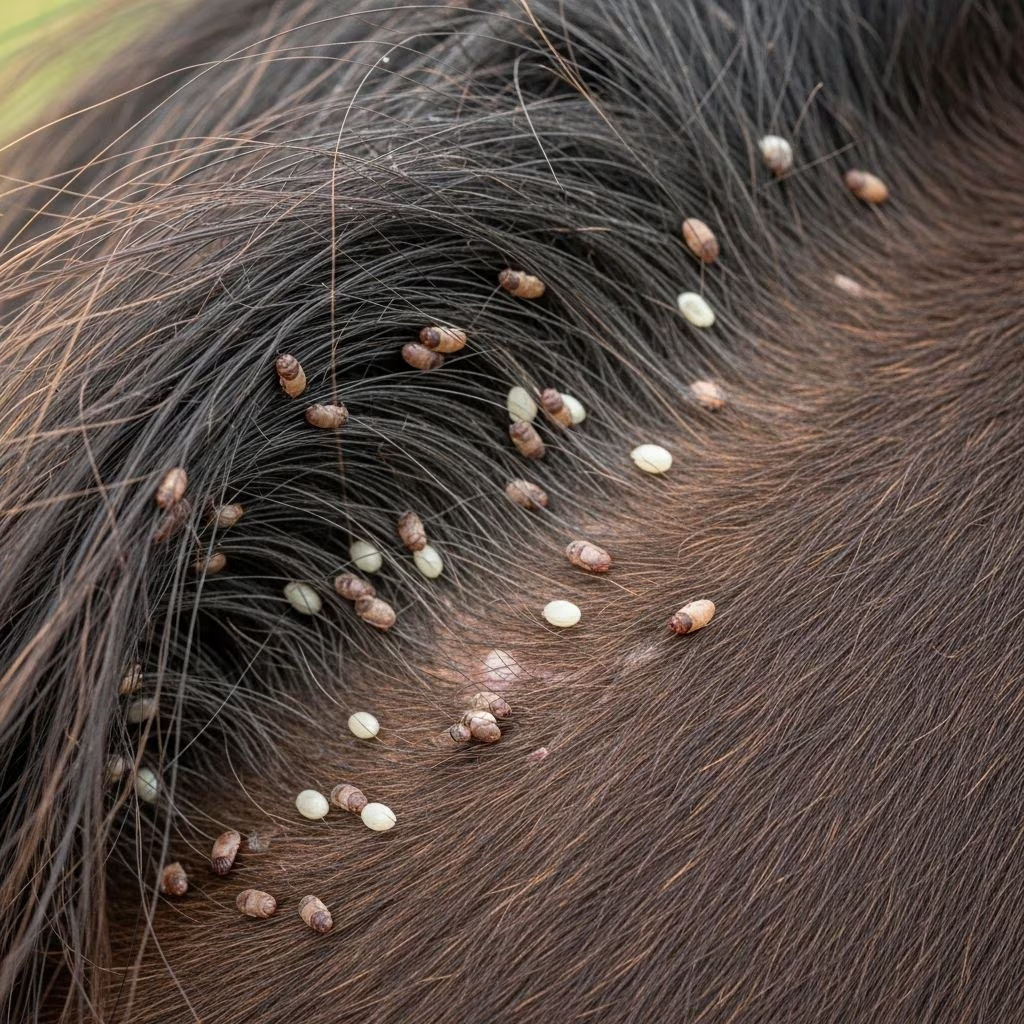
Lice infestations represent a prevalent yet manageable skin issue in horses, often emerging during colder months when close contact and dense coats facilitate spread. These parasites thrive on equine hosts, leading to discomfort, skin damage, and potential secondary complications if overlooked. Understanding the nuances of lice biology, recognition cues, intervention methods, and proactive measures empowers horse owners to safeguard their animals’ well-being effectively.
Understanding the Biology of Equine Lice
Equine lice belong to the order Phthiraptera, comprising two primary species that target horses: the biting or chewing louse (Damalinia equi or Bovicola equi) and the sucking louse (Haematopinus asini). Biting lice feed on skin debris, scales, and secretions, favoring areas with finer hair such as the neck sides, flanks, and tail base. In contrast, sucking lice pierce the skin to extract blood, congregating at the forelock, mane roots, tail base, and coronet band above the hooves.
These wingless insects measure 1-2 mm in length, with females laying eggs (nits) attached firmly to hair shafts. The life cycle spans 21-30 days, encompassing egg, nymph, and adult stages. Nits hatch in 7-14 days under optimal conditions, perpetuating infestations without intervention. Horses serve as the primary host, though donkey-derived sucking lice can cross-infect equines.
Recognizing Signs of Lice in Horses
Early detection hinges on observing behavioral and physical changes. Affected horses exhibit intense pruritus, manifesting as vigorous biting, rubbing against fences or posts, stomping, and restlessness, particularly in winter when coats thicken.
- Visible lice: Part the hair with a comb or fingers; active chewing lice dart through strands, while sucking lice cluster near skin.
- Hair and skin alterations: Matted, unkempt coats; patchy alopecia from rubbing; flaky dandruff-like debris; raw, excoriated skin.
- Secondary issues: Crusted wounds prone to bacterial infection; in severe sucking lice cases, anemia from blood loss.
Native breeds with heavy winter coats, young foals, seniors, or immunocompromised horses face heightened risk. Infestations peak from autumn through late winter due to stabling and reduced grooming.
| Symptom | Biting Lice | Sucking Lice |
|---|---|---|
| Preferred Locations | Neck flanks, tail base | Mane, forelock, coronet |
| Primary Damage | Skin scales, irritation | Blood feeding, wounds |
| Visibility | Highly mobile | Clustered, slower |
Factors Contributing to Lice Spread
Lice transmit directly via horse-to-horse contact during grooming, shared tack, or crowded pastures. Indirect spread occurs through contaminated brushes, blankets, saddles, and stable bedding harboring eggs and nymphs viable for weeks.
Contributing conditions include:
- Overcrowding in barns or trailers.
- Poor nutrition weakening immunity.
- Neglected grooming allowing coat buildup.
- Introduction of infested new arrivals without quarantine.
Native ponies and heavy-feathered drafts like Friesians are predisposed due to coat density.
Diagnostic Approaches for Confirmation
Veterinary diagnosis relies on direct visualization. Use a bright light and magnifying tool to scan parted hair sections. Microscopic exam distinguishes lice species and rules out mimics like mites, ringworm, or allergies.
Differentials include:
- Chorioptic mange (feather mites) causing pastern dermatitis.
- Pinworm eggs mimicking nits.
- Nutritional deficiencies yielding similar coat issues.
A full health assessment identifies underlying vulnerabilities like parasitism or stress.
Effective Treatment Strategies
Treatment targets all life stages, demanding repetition to eradicate hatching nits. Consult a veterinarian for product selection, dosage, and foal safety.
Topical Insecticides
Pyrethrin or pyrethroid sprays/wipes (e.g., Pyranha) kill adults on contact. Apply thoroughly to affected areas, repeating every 10-14 days for 2-3 cycles.
- Deosect (cypermethrin): Dilute per weight (4-10 ml in water), spray or sponge on.
- Permethrin 10%: 6.7 oz/gallon for severe cases; reapply in 14-21 days.
- Insecticidal shampoos: Lather, leave 10 minutes, rinse; ideal for feathers.
Systemic Options
Ivermectin or moxidectin dewormers combat sucking lice via blood absorption, especially alongside internal parasites.
Supportive Care
Clip long coats for penetration; apply antimicrobials (e.g., SSD cream) to infections; bathe routinely post-treatment.
Treatment Timeline Table
| Treatment Type | Frequency | Duration |
|---|---|---|
| Topical Sprays | Every 10-14 days | 2-3 applications |
| Dewormers | Single or repeat | Per product label |
| Shampoos | Weekly | Until clear (2-5 weeks) |
Environmental and Fomite Management
Reinfection sources abound in stables. Vacuum bedding, wash rugs/saddles in hot water, disinfect with insecticides, and isolate cases. Vacate premises 3+ weeks if feasible.
Prevention Best Practices
Proactive steps minimize risk:
- Quarantine newcomers 2-3 weeks.
- Maintain routine grooming/bathing.
- Ensure balanced nutrition and space.
- Inspect coats seasonally, especially winter.
- Use lice-free tack; clean shared gear.
Lice rarely affect humans, but handle infested horses cautiously.
Potential Complications and Prognosis
Untreated cases yield chronic dermatitis, weight loss, and anemia. With prompt, repeated care, resolution occurs in 2-5 weeks; prognosis excels.
Frequently Asked Questions (FAQs)
Can lice transfer from horses to humans?
No, equine lice species do not infest people.
How long do lice eggs survive off-host?
Up to 2-3 weeks in stable environments.
Is clipping always necessary?
Recommended for thick coats or feathers to enhance treatment efficacy.
Are natural remedies effective?
Limited evidence; prioritize vet-approved insecticides for reliability.
When should I call a vet?
If symptoms persist post-treatment, infections develop, or for foal/puppy cases.
This guide synthesizes veterinary insights for comprehensive lice management, promoting healthy herds.
References
- Horse Lice – PetMD — PetMD. 2023. https://www.petmd.com/horse/conditions/skin/horse-lice
- Lice and Mites – Walker Equine Vets — Walker Equine Vets. 2024. https://walkerequinevets.co.uk/equine-health-advice/internal-medicine/lice-and-mites/
- Lice of Horses – Merck Veterinary Manual — Merck & Co., Inc. 2024-02-01. https://www.merckvetmanual.com/horse-owners/skin-disorders-of-horses/lice-of-horses
- Lice (Pediculosis) in Horses – Vetster — Vetster. 2024. https://vetster.com/en/conditions/horse/lice
- Horse Lice – PNW Handbooks — Pacific Northwest Pest Management Handbooks. 2024. https://pnwhandbooks.org/insect/livestock/horse/horse-lice
- Lice – AAEP — American Association of Equine Practitioners. 2024-03. https://aaep.org/wp-content/uploads/2024/03/Lice.pdf



