
Horse Housing Essentials: The Complete Guide For Safe Barns
Comprehensive guide to designing safe, comfortable, and efficient horse housing for optimal health and welfare.
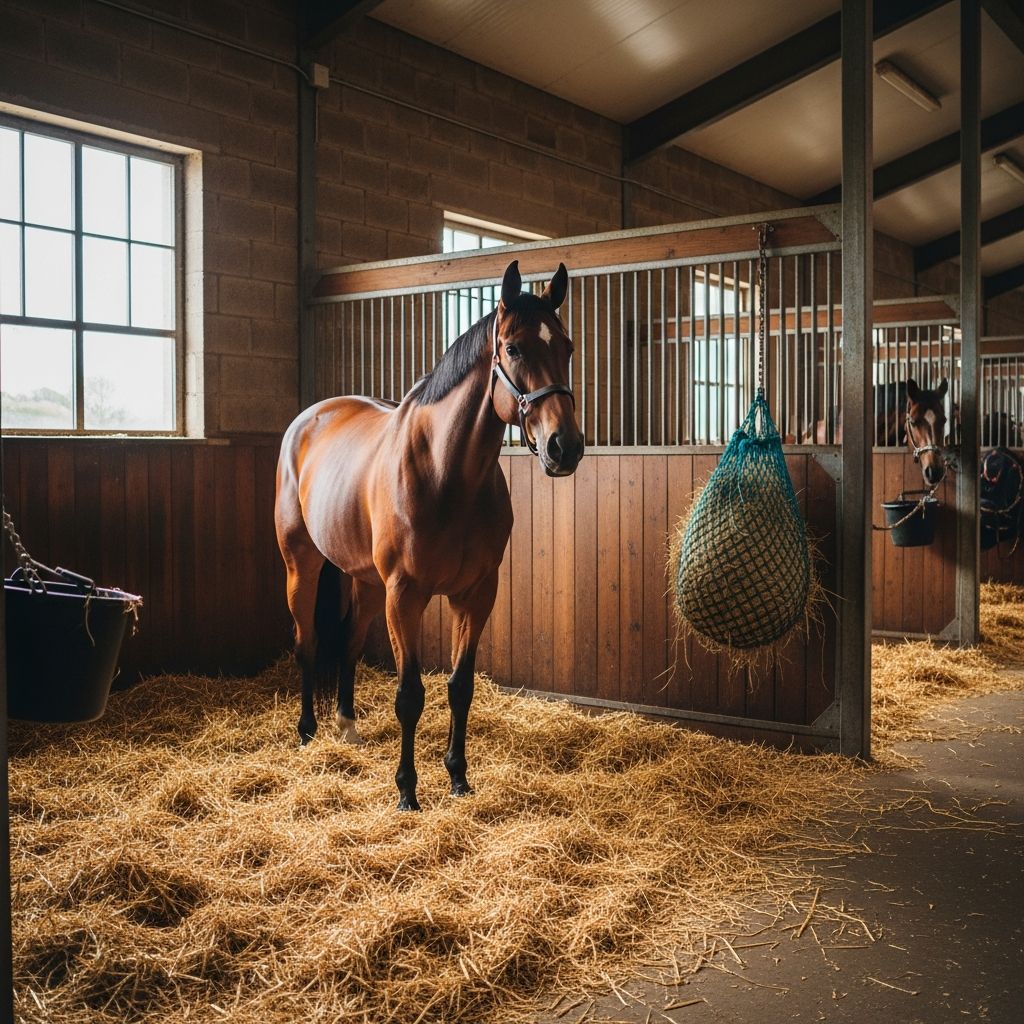
Proper housing forms the foundation of equine care, directly influencing a horse’s physical health, mental well-being, and longevity. Well-designed facilities minimize injury risks, promote natural behaviors, and simplify daily management tasks. This guide delves into critical aspects of creating equine living spaces that prioritize safety, comfort, and functionality.
Selecting the Ideal Location for Equine Facilities
Choosing the right site sets the stage for a successful horse housing project. Optimal locations feature good natural drainage to prevent water accumulation around structures, which can lead to mud, erosion, and respiratory issues from damp conditions. South-facing orientations maximize sunlight exposure, aiding in drying stalls after cleaning and reducing mold growth.
Avoid low-lying areas prone to flooding and steep slopes that complicate construction and manure management. Proximity to pastures, arenas, and water sources enhances efficiency, while considering prevailing wind directions helps position buildings to shield horses from harsh weather. Soil tests confirm stable ground suitable for heavy loads like tractors and hay deliveries.
- Ensure at least 200 feet from neighboring residences to minimize noise complaints.
- Prioritize elevated, well-drained sites over convenience.
- Account for future expansion in initial planning.
Core Layout Configurations for Horse Barns
Horse barns typically adopt center-aisle or shed-row designs, each suited to specific needs. Center-aisle layouts place stalls on both sides of a central walkway, offering protection from elements and efficient access for feeding and grooming. This configuration excels in climates with heavy rain or snow, as it keeps horses fully enclosed.
Shed-row barns align stalls along one wall, often with individual runouts, ideal for milder weather where horses benefit from outdoor access. Hybrid designs combine elements for versatility. Aisles should measure at least 12 feet wide, with 14-16 feet recommended for high-traffic operations to allow safe passage of two horses or equipment.
| Layout Type | Pros | Cons | Best For |
|---|---|---|---|
| Center Aisle | Weather protection, easy monitoring | Higher construction cost | Cold/wet climates, multiple horses |
| Shed Row | Lower cost, natural light/ventilation | Less weather protection | Mild climates, pasture access |
| Modular/Hybrid | Flexible expansion | Complex planning | Growing operations |
Optimal Stall Dimensions and Specifications
Stall size directly affects horse comfort and movement. Standard dimensions of 12×12 feet suit most 1,000-pound horses, providing space to lie down, turn around, and groom themselves naturally. Larger breeds like Warmbloods or drafts require 12×14 or 14×14 feet to prevent stress and injuries from confinement.
Partitions reach 8 feet high to contain kicks—horses can strike up to 7 feet—and should be flush with the floor to avoid hoof entrapment. Boards spaced 1.5 inches apart promote airflow while vertical bracing adds kick resistance. Doorways need 7-foot height and 42-45-inch width for safe entry/exit. Ceilings maintain 10-12 feet clearance, or 8 feet minimum to trusses, preventing head strikes and ensuring ventilation.
Flooring Solutions for Durability and Comfort
Stall floors endure constant wear from 1,000+ pound animals, demanding durability, traction, and cushioning. A well-draining aggregate base, topped with 3/4-inch thick grooved rubber mats, absorbs impact, reduces leg stress, and prevents slipping—critical as horses spend much time standing.
Mats should sit on a 4-6 inch base elevated above exterior grade for drainage. Avoid concrete alone, as it jars joints; instead, use it only under mats. Soil retainers like grid mats stabilize aggregates, extending lifespan. Regular deep cleaning removes urine-soaked bedding to control ammonia levels.
- Select mats with drainage holes for easy urine escape.
- Plan for 1-2 inch bedding depth over mats.
- Inspect annually for wear and replace as needed.
Ventilation and Climate Control Strategies
Adequate airflow removes moisture, dust, and ammonia, preventing respiratory diseases like heaves. Natural ventilation via ridge vents, cupolas, and high windows (5+ feet up, barred and tempered glass) creates cross-breezes. Mechanical fans supplement in still air, targeting 10-20 air changes per hour.
Insulation in walls and roofs maintains stable temperatures, while open truss designs enhance circulation. Monitor for drafts at horse level—beneficial at chest height but harmful if chilling legs. Humidity control below 70% supports hoof health and reduces mold.
Essential Fixtures and Hardware Choices
Stall interiors feature smooth, projection-free hardware for safety. Automatic waterers or sturdy buckets, feed tubs, hay nets, and tie rings form the basics. Opt for rust-resistant, chew-proof materials like galvanized steel or heavy-duty plastic.
Environmental enrichments like jolly balls reduce boredom in stalled horses. Lighting includes 20-30 foot-candles from shatterproof fixtures, with windows providing natural daylight. Electrical outlets follow code with GFCI protection.
Fire Safety and Structural Integrity
Fire-resistant construction saves lives. Use non-combustible materials like metal roofing and treated lumber; install smoke detectors, extinguishers, and sprinklers in aisles. Wide aisles facilitate escape, and clear egress paths remain unobstructed.
Structural elements withstand wind, snow loads per local codes. Electrical wiring uses conduit, avoiding hay contact. Emergency protocols include multiple exits and lighted switches.
Feed, Tack, and Waste Management Integration
Efficient storage streamlines care. Dedicate 100-200 sq ft per horse for hay lofts with stair access, ventilated tack rooms, and wash stalls. Manure pits or daily removal systems prevent parasite buildup.
Position feed rooms near aisles with sealed containers to deter rodents. Laundry areas for blankets enhance hygiene.
Daily Management and Maintenance Protocols
Routine upkeep preserves facility quality. Daily stall mucking, weekly deep cleans, and monthly fixture checks form the routine. Annual inspections cover roofs, electrical, and foundations. Pest control targets flies and rodents without chemicals near horses.
Record-keeping tracks repairs and health correlations, informing improvements.
Common Pitfalls and Expert Solutions
Oversights like undersized stalls or poor drainage lead to vices like weaving. Solutions include expandable designs and professional consultations. Budget 20% extra for contingencies.
FAQs
What is the minimum stall size for an average horse?
A 12×12 foot stall suits most adult horses, allowing natural movement and rest.
How wide should barn aisles be?
Minimum 12 feet, ideally 14 feet for safety and equipment access.
What flooring prevents slips and joint stress?
Grooved rubber mats over drained aggregate bases.
Why is ventilation critical in horse barns?
It removes harmful gases and moisture, preventing respiratory issues.
Can I build a barn without permits?
No—always comply with local zoning and building codes.
References
- Horse Stable and Animal Shelter Builders: Complete Guide to Construction Design and Costs — Pleasant Run Structures. 2023. https://pleasantrunstructures.com/horse-stable-and-animal-shelter-builders-complete-guide-to-construction-design-and-costs/
- How to Design the Perfect Stall for Your Horse — Horse Journals. 2022-10-15. https://www.horsejournals.com/acreages-stables/barns-stables/how-design-perfect-stall-your-horse
- Horse Barn Layout: 12 Design Secrets That Work — Lighthoof. 2024. https://www.lighthoof.com/blogs/blog/horse-barn-layout-essentials-12-design-secrets-from-top-equestrian-architects
- The Basics of Horse Stall Design — Stable Management. 2023-05-20. https://stablemanagement.com/articles/the-basics-of-horse-stall-design/
- Horse Stall Design — Horses Extension. 2019-07. https://horses.extension.org/wp-content/uploads/2019/07/horse_stalls.pdf
Similar Articles








Read full bio of Sneha Tete


