

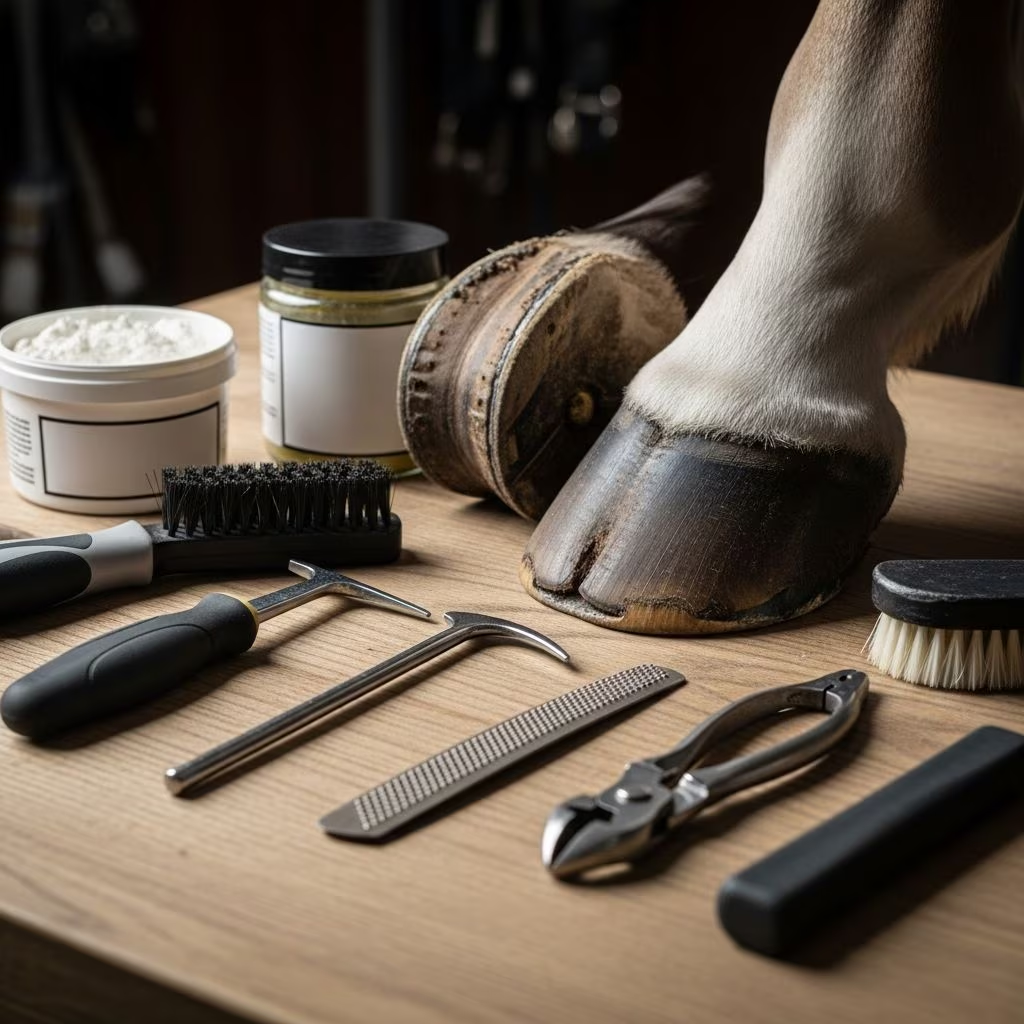
Horse Hoof Care Products Every Owner Needs
Taking care of your horse’s hooves is essential to their overall health and well-being. Proper hoof maintenance prevents lameness, infections, and other serious conditions that can affect your horse’s quality of life and performance. To provide the best hoof care, you’ll need the right supplies for daily use and to deal with issues that might arise. Whether you’re a seasoned equestrian or a new horse owner, understanding which products are must-haves and which are nice-to-haves can help you build an effective hoof care routine.
The foundation of good hoof care begins with regular inspection, cleaning, and maintenance. Your horse’s hooves support their entire body weight and endure constant stress from daily activities. Without proper care, hooves can develop serious problems that may require veterinary intervention. This comprehensive guide will help you understand the essential products needed for routine hoof maintenance and first aid treatments.
Horse Hoof Care Must-Haves
Every horse owner should have certain fundamental tools and products on hand to maintain basic hoof health. These must-have items form the backbone of any effective hoof care routine and should be used regularly as part of your daily horse care regimen.
Hoof Pick for Daily Cleaning
A quality hoof pick is indispensable for every horse owner. This tool allows you to remove dirt, stones, and debris from your horse’s hooves, preventing potential discomfort, injury, or infection. Daily hoof picking takes only a few minutes but can prevent serious problems from developing. When selecting a hoof pick, look for one with an ergonomic design that fits comfortably in your hand and features a sturdy construction. The best hoof picks have both a pointed end for removing stubborn debris and a brush end for cleaning away loose dirt.
Regular use of a hoof pick helps you become familiar with your horse’s feet and allows you to spot potential problems early. You should pick out your horse’s hooves at least once daily, and more frequently if your horse spends time in muddy or wet conditions. This simple preventative measure can save you significant veterinary costs and keep your horse more comfortable.
Hoof Brush for Clearing Away Loose Dirt
A dedicated hoof brush complements your hoof pick by efficiently clearing away loose dirt and debris. While some hoof picks include a brush component, having a separate brush designed specifically for hooves offers superior cleaning capability. Quality hoof brushes feature both soft and stiff bristles to effectively clean different areas of the hoof without causing damage.
After using a hoof pick, a quick brush-over removes remaining dirt and helps you assess the hoof’s overall condition. Regular brushing also helps you maintain the hoof’s appearance and makes it easier to identify any changes or potential problems. This basic tool is affordable and essential for maintaining clean, healthy hooves.
Horse Hoof Care Nice-To-Haves
Beyond the must-haves, several additional products can help you address specific hoof issues and provide more comprehensive care. While not absolutely necessary for all horse owners, these nice-to-have items prove invaluable when problems arise and can help you provide emergency care until your farrier or veterinarian can address more serious issues.
Rasp for Emergency Repairs
A rasp allows you to file a big crack or chip to avoid more breakage until your farrier can address it properly. While this is not a tool for regular use, having a quality rasp on hand enables you to smooth sharp edges that might cause additional damage or discomfort. A coarse-grit power rasp works well for farm animals and can quickly address minor issues before they become serious problems.
Filing down rough edges prevents your horse from catching the damaged area on fencing, bedding, or other objects, which could cause further deterioration. This temporary measure keeps your horse more comfortable and safer while waiting for professional farrier work.
Crease Nail Puller
A crease nail puller removes a loose shoe before it causes damage. A loose shoe can twist and damage the hoof structure; if it rotates and your horse steps on the nails, there is risk of serious puncture wounds and infection. Having the ability to quickly remove a loose shoe can prevent emergency situations and additional injury.
If you notice a loose shoe, immediate removal is preferable to allowing your horse to work with an unstable shoe that could cause injury. Keep this tool in your barn so you can address loose shoes quickly and safely.
Bandage Scissors
Bandage scissors cut gauze pads, hood bandages, or duct tape if you have to wrap the hoof for any reason. These specialized scissors have a rounded tip designed to cut materials without accidentally damaging skin or delicate tissues. They’re essential for first aid situations where you need to protect an injured hoof or apply treatments.
Quality bandage scissors make it easy to quickly prepare protective wraps or apply emergency treatments. Keep a pair in your first aid kit so you’re prepared for unexpected situations.
Thrush Treatment Products
Thrush is a common bacterial or fungicidal infection affecting the frog and sole of the hoof. This condition causes deterioration of the frog tissue and can lead to lameness if left untreated. Several effective products are available to treat thrush quickly and prevent recurrence.
Understanding Thrush
Thrush develops in moist environments and is characterized by a foul-smelling, dark discharge from the frog area. This condition thrives in wet, dirty bedding and poor drainage conditions. Regular hoof cleaning and maintenance, along with dry, clean living conditions, help prevent thrush development. However, when thrush does occur, prompt treatment is essential to prevent progression.
Effective Thrush Remedies
Several bactericidal and fungicidal products effectively treat thrush when applied consistently. These products work by eliminating the bacteria and fungi causing the infection while promoting healthy tissue regeneration. Choose a product that’s easy to apply and won’t stain or harm surrounding tissues. Many horse owners keep a thrush treatment on hand as part of their regular hoof care supplies, applying it weekly or as needed during wet seasons.
Hoof Conditioning and Moisturizing Products
Maintaining proper hoof moisture is crucial for preventing cracks, splits, and other structural problems. Hoof conditioners and moisturizers work to strengthen hooves and keep them healthy and resilient.
Hoof Conditioner Benefits
Quality hoof conditioners strengthen hooves and help prevent cracks and splits that can lead to more serious problems. These products penetrate the hoof structure to improve moisture retention and overall hoof integrity. Regular conditioning, especially during dry seasons or in climates with low humidity, helps maintain healthy hoof walls and prevents brittleness.
Hoof conditioners come in various formulations, from oils to creams. Select a product that works well with your climate and your horse’s individual needs. Many conditioners can be applied daily or several times weekly for optimal results.
Hoof Oils for Protection and Moisture
Hoof oils provide protective barriers while delivering moisture to the hoof structure. These products help combat dryness and promote healthy hoof growth. Quality hoof oils often contain natural ingredients that nourish the hoof while creating a water-resistant layer that protects against excess moisture absorption in wet conditions. The right balance of moisture is essential; while dryness causes problems, excessive moisture can also compromise hoof integrity.
Epsom Salts and Poultice Treatments
Epsom salts and specialized poultice products are essential for treating abscesses and drawing out inflammation and infection from hoof problems.
Epsom Salt Soaking
Epsom salts and Epsom salt gels are used to help speed draining of horse hoof abscesses. Soaking an affected hoof in warm Epsom salt solution reduces inflammation and encourages the abscess to drain, providing relief and promoting healing. This treatment is often recommended by veterinarians and farriers as a first-line therapy for hoof abscesses.
Epsom salt poultices offer convenience compared to traditional soaking methods, as they can be applied directly to the affected area without requiring specialized equipment. These products often include other therapeutic ingredients that enhance their effectiveness.
Poultice Sheets and Applications
Easy-to-apply poultices draw out inflammation and infection effectively. You can use them to treat issues such as foot bruises and to encourage hoof abscesses to drain. Poultice sheets are simple to apply and can be secured with bandaging for prolonged treatment. These products often contain clay or other drawing agents that help extract infection and reduce swelling.
Hoof Soaking Equipment
When your horse needs hoof soaking for abscess treatment or other therapeutic reasons, specialized equipment makes the process easier and more effective.
Hoof Soaking Boots and Buckets
Hoof soaking boots and buckets make it easier to soak hooves when treating abscesses or white line disease. These containers are specifically designed to hold the solution securely around the hoof, allowing for extended soaking periods without spillage or discomfort to your horse. Soaking boots often feature adjustable closures to accommodate different hoof sizes and shapes.
Having a dedicated soaking system encourages compliance with treatment protocols, as the process becomes more convenient and less time-consuming. Many horse owners keep soaking equipment readily available for emergency use.
Hoof Boots and Protective Equipment
Hoof boots serve various purposes in equine care, from temporary protection to providing support and traction in specific situations.
When to Use Hoof Boots
Hoof boots are used if your horse needs temporary traction, support, or protection. These protective devices can help horses recovering from injuries, dealing with tender feet, or requiring additional support during rehabilitation. Quality hoof boots distribute weight evenly and provide cushioning to reduce impact on sensitive hooves.
Hoof boots are also useful for horses transitioning to barefoot trimming or for those with chronic conditions requiring ongoing support. Many riders find that properly fitted hoof boots improve their horse’s comfort and performance during challenging terrain or extended riding.
Hoof Packing and Wound Protection
When your horse has an open wound on the hoof or requires specific treatments, proper protection and packing materials are essential.
Gauze Pads and Absorbent Materials
Gauze pads or baby diapers are used to protect an open wound on the bottom of the hoof or to keep packing materials in place, as instructed by a farrier or veterinarian. These materials are essential for maintaining cleanliness and preventing contamination of open wounds. Quality gauze is absorbent and easy to secure with bandaging.
Hoof Packing Products
Specialized hoof packing products contain therapeutic ingredients designed to support healing and provide pain relief. These packing materials often include essential oils and other natural ingredients that promote healthy tissue regeneration. Hoof packing is particularly useful for treating conditions like stone bruising, heat, and general hoof soreness.
Quality packing products won’t cause blistering or damage to surrounding tissues and wash off easily for convenient application and removal. These versatile products can be used for abscesses, bruises, and other minor hoof problems.
Nutritional Support for Hoof Health
While topical products are important, proper nutrition forms the foundation of healthy hoof growth and strength. Internal supplementation with specific nutrients promotes strong, resilient hooves from the inside out.
Hoof Supplements and Biotin
Improve the quality of your horse’s hooves with supplements containing essential nutrients like biotin and zinc. These supplements support natural hoof growth and strengthen the hoof structure at the cellular level. Biotin, in particular, has been extensively studied and shown to improve hoof quality when provided consistently over several months.
Quality hoof supplements often include additional nutrients like methionine, amino acids, and minerals that work synergistically to support hoof health. Consistent use of these supplements, combined with quality nutrition and proper hoof care, yields the best results.
Comprehensive Nutritional Approach
A balanced diet supporting strong, healthy hooves includes quality hay, appropriate vitamins, and trace minerals. Feed good quality hay and correctly supplement vitamins and trace minerals specific to your horse’s needs. Provide constant access to fresh, clean water, as hydration is critical for hoof health.
Some horse owners choose multi-purpose daily supplements that combine hoof support with other essential nutrients. These comprehensive formulas ensure your horse receives balanced nutrition to support overall health, including hoof integrity.
Building Your Hoof Care Kit
Creating an organized, well-stocked hoof care kit ensures you’re prepared for routine maintenance and unexpected issues. Start with the must-have items and gradually add nice-to-have products based on your horse’s individual needs and your specific circumstances.
Essential Kit Contents
Your basic hoof care kit should include a quality hoof pick with brush, a dedicated hoof brush, hoof conditioner, thrush treatment, Epsom salts or poultice materials, gauze pads, and bandage scissors. Keep all items organized in a designated container so they’re easily accessible when needed.
Advanced Supplies
As you become more experienced with hoof care, consider adding a rasp, crease nail puller, hoof packing products, and a hoof soaking system. These additional items provide more comprehensive care options and allow you to handle various situations effectively.
Professional Farrier Collaboration
While proper product selection is important, collaboration with a qualified farrier remains essential for maintaining optimal hoof health. Schedule routine trimming or shoeing every 6-8 weeks in summer and 6-12 weeks in winter. Your farrier can recommend specific products suited to your horse’s individual needs and monitor hoof health for any developing problems.
Frequently Asked Questions
Q: How often should I pick out my horse’s hooves?
A: You should pick out your horse’s hooves at least once daily, and more frequently if your horse spends time in muddy or wet conditions. Daily picking prevents debris accumulation and allows you to spot potential problems early.
Q: What is thrush and how can I prevent it?
A: Thrush is a bacterial or fungicidal infection affecting the frog and sole. Prevent it by maintaining dry, clean living conditions, regular hoof cleaning, and good drainage. Keep bedding clean and dry, and pick hooves daily.
Q: Can I treat a hoof abscess at home?
A: You can provide supportive care with Epsom salt soaks and poultices, but consult your veterinarian or farrier for proper diagnosis and treatment recommendations. Severe abscesses may require professional intervention.
Q: How long does it take to see improvement from hoof supplements?
A: Hoof supplements typically require 3-6 months of consistent use before noticeable improvement appears, as new hoof growth must reach the surface. Patience and consistency are essential for optimal results.
Q: What should I do if my horse has a loose shoe?
A: Remove the loose shoe promptly using a crease nail puller to prevent it from twisting and damaging the hoof or causing puncture wounds. Contact your farrier for reattachment or replacement.
Q: Are hoof boots necessary for all horses?
A: Hoof boots aren’t necessary for all horses but are beneficial for those recovering from injuries, dealing with tender feet, or requiring additional support. Your farrier or veterinarian can advise on whether your horse would benefit from boots.
References
- Caring for your horse’s hooves — University of Minnesota Extension. https://extension.umn.edu/horse-health/caring-your-horses-hooves
- Horse Hoof Care: Essential Products for Every Horse Owner — Chewy. https://www.chewy.com/education/horse/general/horse-hoof-care-essential-products-for-every-horse-owner
- Horse Hoof Care Schedules, Supplies, and Best Practices — Equus Magazine. August 16, 2023. https://mynewhorse.equusmagazine.com/2023/08/16/horse-hoof-care-schedules-supplies-and-best-practices/
- Exploring Essential Horse Hoof Care Products — Hoof Care 101. https://hoofcare101.com/exploring-essential-hoof-products/
- No Hoof, No Horse: A Guide to Equine Hoof Health — Finish Line Horse. January 2024. https://finishlinehorse.com/2024/01/no-hoof-no-horse-a-guide-to-equine-hoof-health/



