

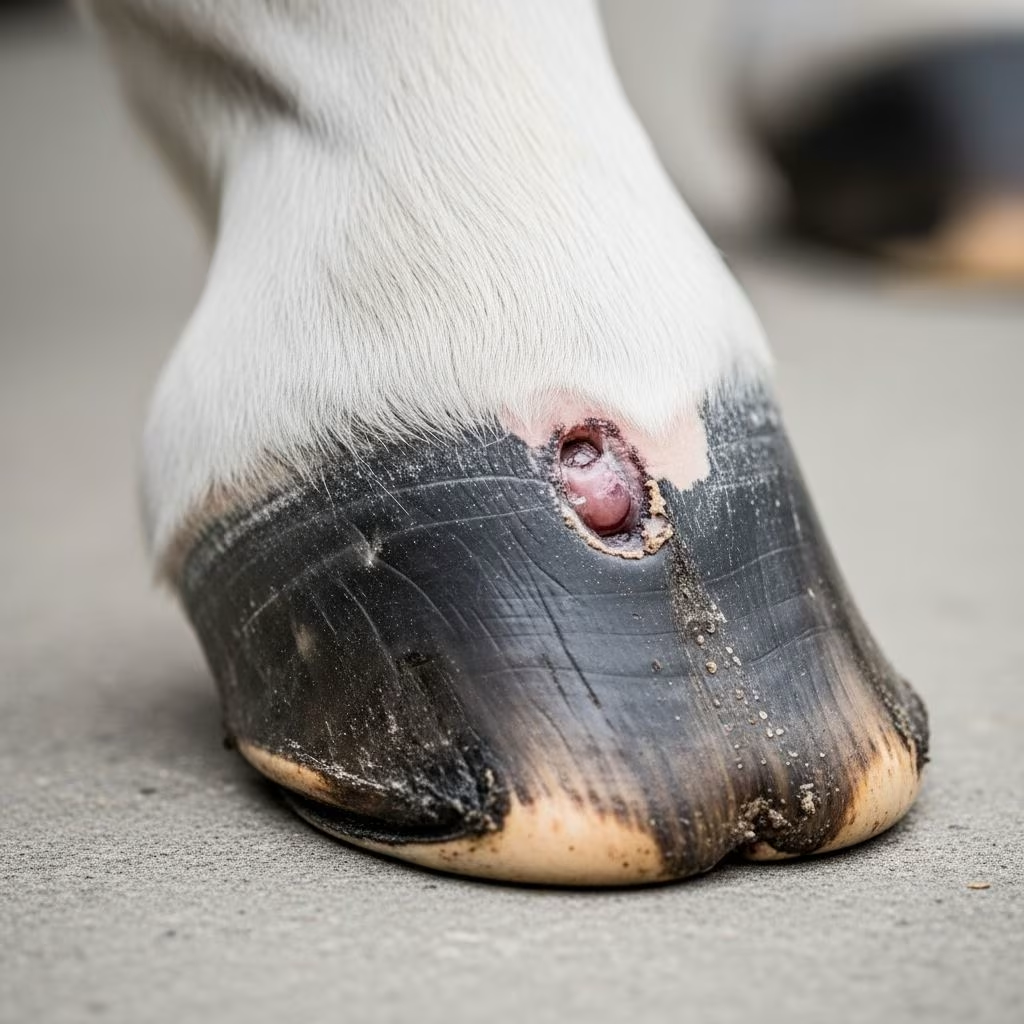
Horse hoof abscesses rank among the top causes of acute, non-weight-bearing lameness in equines, often striking suddenly and causing intense discomfort. These infections form when harmful bacteria infiltrate the sensitive tissues inside the hoof capsule, leading to pus accumulation that exerts unbearable pressure on surrounding structures. Prompt recognition and intervention are crucial to alleviate pain and avert long-term damage to the hoof wall or laminae.
Understanding the Anatomy of a Horse’s Hoof
To grasp why hoof abscesses are so debilitating, it’s essential to understand the hoof’s intricate design. The hoof capsule—comprising the wall, sole, and frog—encases the sensitive dermal layers, including the laminae that suspend the coffin bone. This rigid enclosure offers no room for expansion, so even minor infections rapidly build pressure, stretching pain receptors and triggering severe lameness. Disruptions in the white line, the junction between wall and sole, frequently serve as entry points for pathogens.
Primary Causes Behind Hoof Abscess Formation
Hoof abscesses typically arise from bacterial invasion through breaches in the hoof’s protective barriers. Common entry routes include:
- Puncture wounds: Nails, thorns, or sharp rocks penetrate the sole, delivering bacteria directly to sensitive tissues.
- Cracks and separations: White line defects, often from uneven wear or poor trimming, allow microbes to migrate inward.
- Sole bruises: Trauma from stones or hard ground weakens the sole, fostering secondary infections.
- Environmental factors: Prolonged wet conditions soften hooves, while dry spells cause cracking; alternating cycles exacerbate separations.
Horses with thin soles, hoof imbalances like long toes, or prior laminitis are at elevated risk, as weakened structures invite recurrent invasions. Conditions such as equine Cushing’s disease (PPID) further compromise immunity and hoof integrity, promoting frequent abscesses.
Recognizing the Telltale Signs of Infection
Abscesses manifest abruptly, often without visible external wounds, making early detection challenging yet vital. Key symptoms include:
- Sudden severe lameness: The horse may refuse to bear weight on the affected limb, standing with the toe cocked or shifting uncomfortably.
- Bounding digital pulse: A strong, rapid pulse in the artery above the hoof signals inflammation.
- Hoof heat and swelling: The coronary band and hoof feel warmer than the opposite foot.
- Pain on hoof testers: Veterinarians use pincers to pinpoint tender spots, eliciting a flinch or stomp.
- Drainage event: Foul-smelling pus may eventually burst from the sole or coronary band, bringing instant relief.
These signs mimic laminitis or fractures, underscoring the need for professional diagnosis via testers, radiographs, or ultrasound to rule out differentials.
Step-by-Step Diagnosis Process
Diagnosis begins with a thorough history and lameness exam. Hoof testers apply focal pressure to isolate the abscess site, often revealing exquisite sensitivity at the white line or sole. If no tract is evident, imaging like X-rays can detect gas pockets or bone involvement. Farriers may pare the hoof to expose tracts, but only trained professionals should proceed to avoid iatrogenic damage.
Effective Treatment Strategies for Rapid Relief
Treatment prioritizes abscess drainage, infection control, and pain management. Here’s a structured approach:
- Locate and open the tract: Vet or farrier removes minimal sole material to release pus, often yielding dramatic improvement.
- Soaking protocol: Immerse the hoof in warm Epsom salt water (1-2 cups per gallon) for 20-30 minutes, twice daily, to draw out debris and soften tissues.
- Poulticing: Apply ichthammol or medicated poultices under a wrap to maintain moisture and promote drainage; change daily.
- Antiseptics: Flush the tract with betadine or 2% iodine, packing with medicated putty to bar re-entry.
- Pain control: Use non-steroidal anti-inflammatories like phenylbutazone; avoid masking agents that hinder drainage.
- Supportive care: Stall rest on clean bedding, with protective boots for turnout to encourage natural pressure changes.
Most horses improve within 24-48 hours post-drainage, but full healing takes 7-14 days. Monitor for secondary infections or laminitis risk.
| Type | Location | Characteristics | Treatment Notes |
|---|---|---|---|
| Sole Abscess | Beneath sole | Pus drains from bottom; common after bruises | Easy access for paring and soaking |
| Wall Abscess | Behind hoof wall | May track to coronary band; harder to drain | Requires wall resection in severe cases |
| Gravel Abscess | White line | Small stones carry bacteria inward | Multiple tracts; poultice aggressively |
Managing Recurrent and Chronic Abscesses
Some horses endure repeated abscesses due to underlying issues like chronic laminitis, metabolic syndrome, or PPID, where stretched laminae create porous pathways. Address root causes through balanced nutrition, regular farrier work (every 4-6 weeks), and blood tests for endocrine disorders. Therapeutic shoeing with pads or heart-bar shoes redistributes weight, while copper sulfate foot baths prevent bacterial overgrowth in high-risk environments.
Prevention: Proactive Hoof Care Essentials
Forestalling abscesses demands diligent management:
- Maintain regular trimming and balanced hooves to minimize cracks.
- Inspect feet daily, especially after rocky or muddy terrain.
- Provide dry, well-bedded stalls; avoid mud wallowing.
- Use hoof supplements with biotin for wall strength in thin-soled horses.
- Monitor at-risk equines with laminitis history via frequent vet checks.
Genetic factors like thin soles can’t be altered, but proper shoeing and turnout strategies significantly lower incidence.
FAQs on Horse Hoof Abscesses
Can a hoof abscess heal without veterinary help?
While some rupture naturally, professional drainage is advised to prevent complications like deep sepsis or prolonged lameness.
How long does recovery typically take?
With prompt treatment, pain subsides in days, and full hoof regrowth occurs in 4-6 weeks.
Are antibiotics always necessary?
Not routinely; drainage and local care suffice unless systemic spread is suspected.
What if my horse has abscesses in multiple feet?
This signals systemic issues like PPID—seek metabolic screening immediately.
Is poulticing safe for all horses?
Yes, but use waterproof wraps to avoid slips; ideal for field-kept horses.
Long-Term Prognosis and Hoof Health Outlook
Most abscesses resolve fully without sequelae if addressed swiftly, preserving performance potential. However, neglect can scar laminae, predisposing to laminitis or wall defects. Owners investing in routine farrier-vet collaborations and environmental tweaks enjoy healthier herds. Track progress with photos and lameness scores to gauge efficacy.
References
- Horse Hoof Abscess: Signs, Causes & Treatment — MedVet Pharm. 2023. https://medvetpharm.com/blog/horse-hoof-abscess-signs-causes-treatment/
- Hoof Abscesses in Horses: Causes, Symptoms, Treatment — Mad Barn. 2024. https://madbarn.com/hoof-abscess/
- Understanding Hoof Abscess: Causes, Symptoms, and Effective Treatments — Kawell USA. 2023. https://kawellusa.com/blogs/blog/understanding-hoof-abscess-causes-symptoms-and-effective-treatments
- Hoof Abscesses in Horses — World Horse Welfare. 2024. https://www.worldhorsewelfare.org/advice/hoof-abscesses-in-horses
- Equine Hoof Abscesses — Purdue University College of Veterinary Medicine. 2023. https://vet.purdue.edu/hospital/equine/tips/equine-hoof-abscesses.php



