

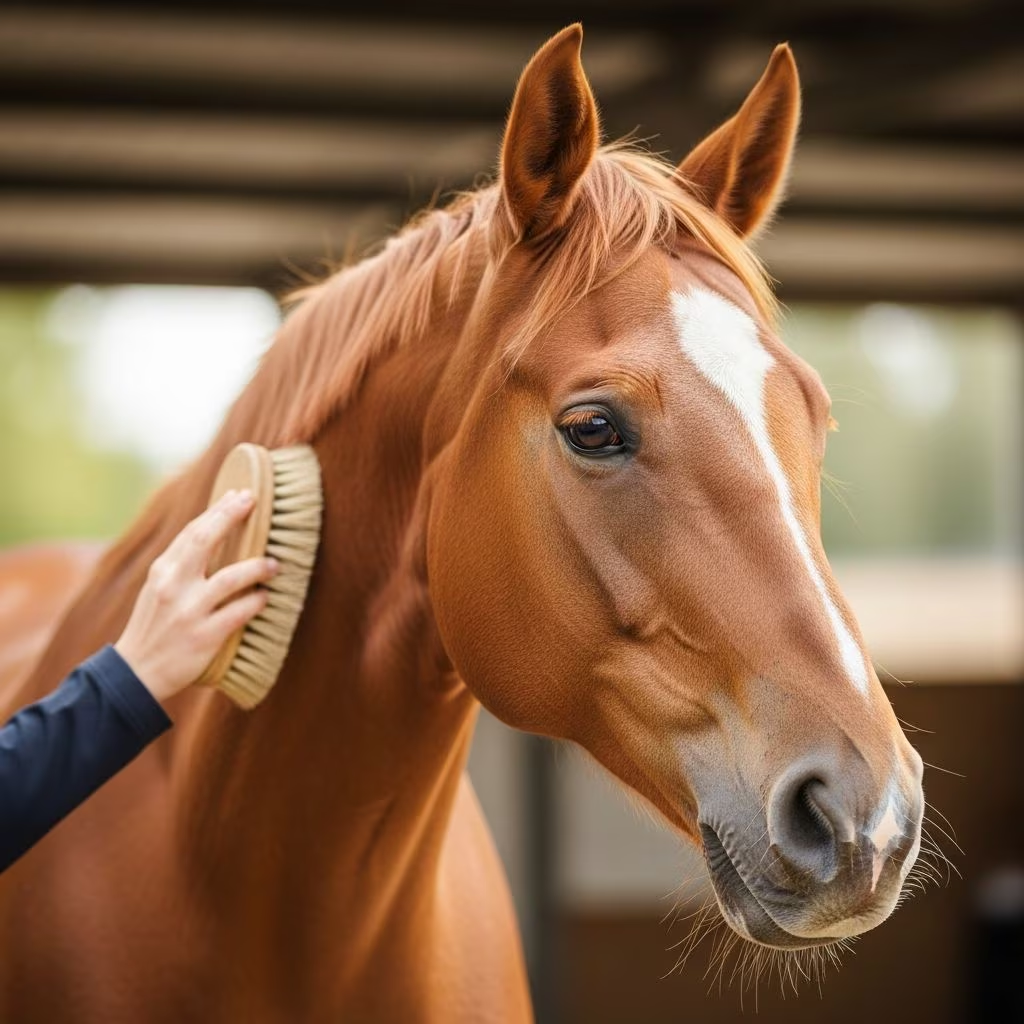
Regular grooming is far more than a cosmetic practice for horses—it represents a fundamental aspect of equine health maintenance and the foundation of your relationship with your animal. When you groom your horse consistently, you accomplish multiple objectives simultaneously: you remove dirt and debris that could cause skin irritation, you stimulate the natural oils in your horse’s coat for a healthier appearance, and you create opportunities to inspect your horse’s body for injuries, infections, or other health concerns. This comprehensive guide will walk you through everything you need to know to groom your horse effectively and safely.
Understanding the Importance of Regular Grooming
Grooming serves as a critical maintenance activity that extends far beyond simple aesthetics. When you establish a consistent grooming routine, you develop an intimate knowledge of your horse’s body—you learn exactly how their muscles feel, where they may be sensitive, and what constitutes normal versus abnormal changes in their skin or coat condition. This familiarity becomes invaluable for early detection of health issues that might otherwise go unnoticed. Additionally, grooming provides therapeutic benefits for both horse and handler, reducing stress and strengthening the bond between them.
The process of grooming also serves a preventative function. By removing accumulated dirt, sweat, and dead skin cells from your horse’s coat, you prevent the buildup of material that could trap moisture against the skin and lead to fungal or bacterial infections. The mechanical action of grooming tools stimulates blood circulation to the skin and promotes the natural distribution of protective oils throughout the coat.
Essential Grooming Tools and Equipment
Before you begin grooming, you’ll need to assemble a proper toolkit. Each tool serves a specific purpose in the grooming process, and understanding these purposes will help you use them effectively.
- Rubber Curry Comb: This tool features rounded teeth and should be your first implement when grooming. It works through circular motions to lift dirt and dander from the coat’s surface while stimulating the skin beneath.
- Hard or Dandy Brush: With stiff bristles, this brush removes the dirt brought to the surface by the curry comb and helps clear away loose hair and debris.
- Soft Body Brush: This gentler brush features medium bristles and is used after the harder brush to smooth the coat and remove any remaining particles.
- Finishing Cloth: A damp cloth or soft material creates a polished appearance and adds shine to your horse’s coat.
- Mane and Tail Comb or Brush: Designed with widely spaced teeth or bristles, these tools prevent hair breakage when working through the mane and tail.
- Hoof Pick: An essential tool for removing compacted dirt and debris from the hooves, some versions include an attached brush for fine cleaning.
- Sponges: Soft sponges are useful for cleaning delicate facial areas and around the eyes and nostrils.
The Foundation: Proper Grooming Technique
Successful grooming relies on understanding and consistently applying fundamental techniques. The direction you brush matters significantly—always follow the direction the hair naturally grows when using brushes. The exception to this rule is when using the rubber curry comb, which employs small circular motions that work against the grain to effectively dislodge embedded dirt and stimulate the skin’s natural oil production.
Developing a systematic approach to grooming ensures you cover every area of your horse’s body thoroughly. Working from front to back and top to bottom creates a logical progression that prevents you from missing spots. Equally important is learning to read your horse’s body language during grooming. If your horse pins their ears flat back, swishes their tail, or shifts their weight away from you, these signals indicate discomfort, and you should adjust your pressure and technique accordingly.
Step-by-Step Grooming Sequence
Following a consistent sequence helps you maintain efficiency and ensures comprehensive coverage of your horse’s entire body.
- Begin with the Curry Comb: Start at your horse’s neck and work backward across the body using circular motions, applying gentle but firm pressure. Focus on the fleshy areas of the body while avoiding the bony regions of the face and lower legs, which are more sensitive. This step loosens dirt and dander from deep within the coat.
- Apply the Dandy Brush: Follow the curry comb with your hard-bristled brush, using long strokes in the direction of hair growth. Start from the head and work methodically toward the tail, covering the entire body and legs with appropriate pressure adjustments for sensitive areas.
- Perform a Physical Inspection: Run your hands down all four legs, feeling for any unusual swelling, heat, cuts, or other changes that might indicate injury or illness. This tactile inspection often reveals problems before they become visible.
- Use the Soft Brush for Finishing: Apply your soft-bristled body brush with long, sweeping strokes to smooth the coat and create a polished appearance. Use shorter strokes on the lower legs to maintain your horse’s comfort.
- Clean the Face Delicately: Use a damp sponge to gently clean around your horse’s eyes and nostrils, being careful not to startle them with water in sensitive areas.
- Address the Mane and Tail: Before brushing, apply a detangler product to minimize hair breakage. Work through the mane and tail with your fingers first to separate severely tangled sections, then use your comb or mane brush on small sections at a time, starting from the bottom and working upward. Gently grasp the base of the section you’re working on with one hand while combing with the other to prevent tugging.
- Polish with a Finishing Cloth: Use a damp cloth in smooth strokes from neck to tail to add shine and create a professional appearance.
Hoof Care: A Critical Component
Hoof care represents one of the most important aspects of grooming and overall horse health. Proper hoof picking prevents the buildup of dirt and moisture that can lead to thrush and other hoof diseases. To pick your horse’s hooves effectively, position yourself at their side facing the opposite direction, then run your hand down their foreleg while cupping the hoof. Lean gently inward until your horse shifts their weight and lifts their foot. Once elevated, use your hoof pick to scrape away compacted dirt and debris, working from the center toward the edges. Always scrape away from your body for safety, and use any attached brush to remove finer particles.
Bathing Your Horse: When and How
Full bathing requires more preparation than daily grooming but becomes essential periodically or after muddy outings. Begin by thoroughly grooming your horse to remove any loose hair and surface dirt—this prepares the coat for shampoo penetration. Use warm water (not hot, which can stress your horse) to rinse the coat completely, starting from the neck and working backward. Avoid hosing water directly into the face.
When applying shampoo, create a lather with a soapy sponge and apply using circular motions from the neck backward, then cover the legs and underside. Use different sponges for different body areas to maintain hygiene—one for the body, one for the face, and separate ones for sensitive areas. Work the shampoo thoroughly into the coat before rinsing completely. For the mane and tail, apply shampoo to your hands and work it through, or dunk the tail in a bucket of soapy water and work through the hair from root to tip. Rinse until the water runs completely clear, as residual shampoo can cause coat irritation.
Advanced Grooming for Shows and Special Events
When preparing your horse for competition or special occasions, additional grooming techniques can enhance their appearance. Mane pulling—selectively removing longer hairs to achieve a uniform, manageable mane length—requires patience and technique. Take small sections of mane, tease the hairs upward with a pulling comb, wrap the remaining hairs around the comb, secure them with your thumb, and gently pull downward. Work with small sections to maintain effectiveness, and use even smaller sections for horses with sensitive manes.
Clipping removes excess coat and can create clean lines or entirely new coat appearances for show purposes. If clipping, work against the grain with even strokes, starting in less sensitive areas like the shoulders so your horse becomes accustomed to the sensation. Keep clippers cool by periodically applying oil and cooling spray to prevent blade overheating.
Building a Consistent Grooming Routine
The most effective grooming happens through consistency. Establishing a regular routine means your horse learns to anticipate grooming time and becomes more cooperative with handling. More importantly, when you groom the same way every time, you become attuned to subtle changes that might indicate health concerns. You’ll notice if your horse suddenly has a new swelling, a sensitive spot, or changes in their skin condition.
Daily grooming doesn’t require hours—a thorough basic session can take 30-45 minutes depending on your horse’s coat condition. The key is addressing each body part systematically and adjusting your approach based on your horse’s reactions and your observations.
Safety Considerations While Grooming
Always practice proper safety techniques when grooming. Stand to the side of your horse rather than directly in front or behind them, maintaining awareness of their body language and positioning. Keep your grooming area organized and free from tripping hazards. Teach your horse to stand tied or held reliably during grooming sessions. Be particularly cautious around sensitive areas, and never assume your horse will tolerate rough handling—adjust your pressure based on their responses.
References
- Horse Grooming Basics — American Quarter Horse Association (AQHA). https://www.aqha.com/horse-grooming-basics
- Horse Grooming 101: A Guide for Beginners — Horse and Country. https://horseandcountry.tv/horse-grooming-101-a-guide-for-beginners
- Complete Guide To Basic Horse Grooming — Tattered Saddle. 2024. https://tatteredsaddle.com/2024/05/29/how-to-groom-a-horse/
- Pro Horse Show Grooming Tips — Schneiders. https://www.sstack.com/blog/grooming/horse-show-grooming-tips/



