

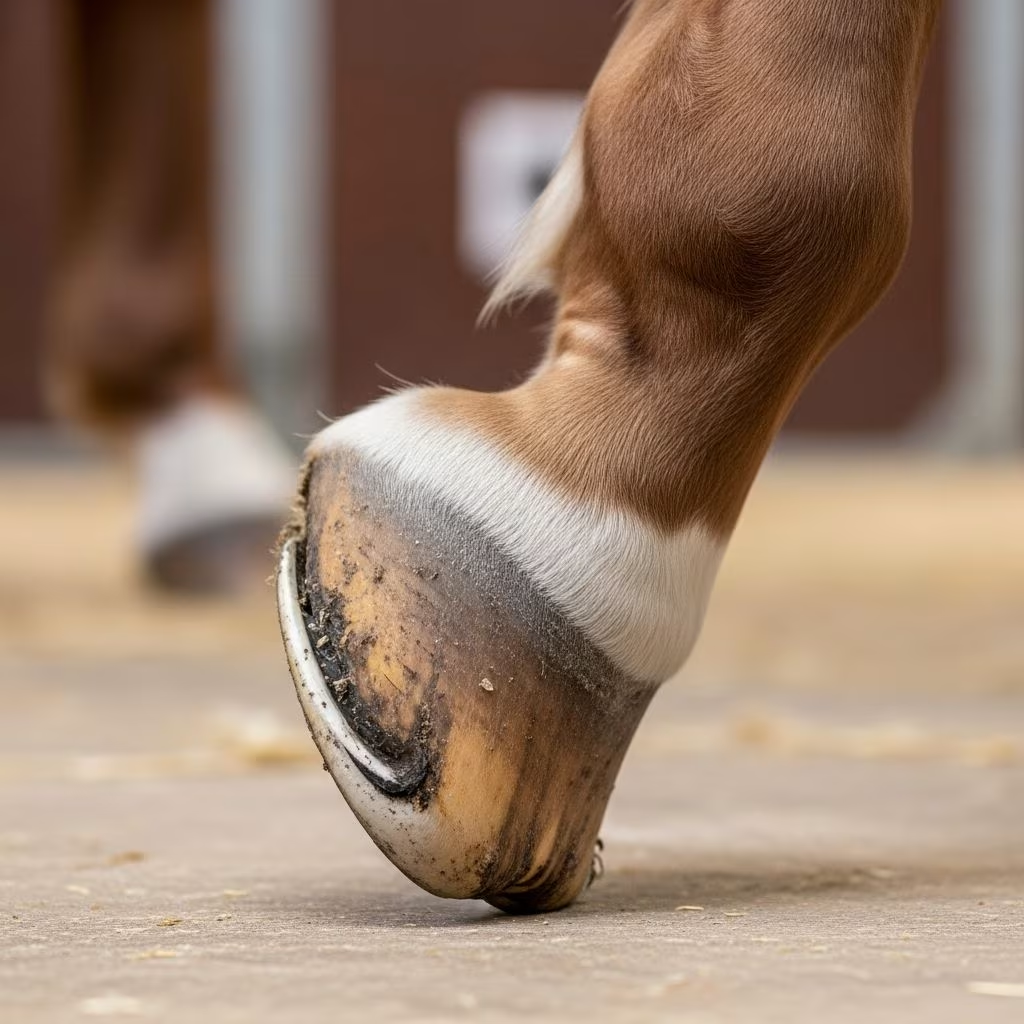
The equine foot is a marvel of natural engineering, bearing immense weight while enabling speed and agility. Yet, it is susceptible to various disorders that can cause significant lameness and discomfort. Understanding these conditions empowers horse owners to act swiftly, ensuring timely veterinary and farrier interventions for optimal recovery. This guide covers key foot issues, their recognition, management, and proactive care strategies.
Recognizing Early Signs of Foot Trouble
Horses often signal foot problems through subtle behavioral changes. Watch for intermittent limping, reluctance to turn sharply, increased digital pulse—a throbbing sensation near the ankle—or heat in the hoof. Shortened strides, stumbling, or favoring one foot over another are red flags. Regular daily checks, combined with professional farrier visits every 4-6 weeks, help catch issues early.
- Heat and swelling: Indicates inflammation or infection.
- Pain response: Horse pulls away when pressure applied to sole or frog.
- Abnormal wear: Uneven hoof growth or worn toes signal imbalance.
Hoof Abscesses: Sudden and Severe Pain
Hoof abscesses form when bacteria invade the sensitive hoof tissues, often via cracks or punctures, leading to pus buildup. This creates intense pressure, mimicking a stone bruise but far more painful.
Symptoms include acute lameness, where the horse may refuse to bear weight on the affected foot. The hoof feels warmer, with swelling possibly extending to the pastern. A strong digital pulse is palpable.
Diagnosis and Immediate Action
Veterinarians diagnose via hoof testers, which pinpoint tender spots, and may use radiographs to rule out deeper issues. Farriers often pare the sole to locate and drain the abscess.
Treatment Protocols
Drainage is key: Create an opening for pus release, followed by flushing with antiseptics like iodine. Soak the foot in warm Epsom salt water for 15-30 minutes daily, then apply poultices or ichthammol to draw out remnants. Bandage securely and provide deep, soft bedding. Pain relief via NSAIDs like phenylbutazone (bute) aids comfort during healing, typically within days. Antibiotics are reserved for systemic infections.
Recovery outlook is excellent with prompt care, preventing chronic issues.
Thrush: The Foul-Smelling Invader
Thrush is a bacterial overgrowth in the frog sulci, thriving in moist, unclean environments. It produces a black, necrotic discharge with a pungent odor, softening the frog tissue. Predisposed in horses with deep frogs or poor stable hygiene.
Symptoms manifest as moist, blackened crevices in the frog, sometimes with mild lameness if advanced. Hind feet are commonly affected.
Management and Cure
Cleanliness is paramount: Remove all debris and softened horn daily. Apply astringent solutions like copper sulfate or strong iodine. Balance the hoof through trimming and use bar shoes if needed to promote frog health. Transition to dry bedding and regular exercise on firm ground accelerates recovery. Avoid wet pastures. Prognosis is favorable with consistent care.
Hoof Bruises: Trauma Underfoot
Caused by hard ground, thin soles, or rocks, bruises bleed internally, staining the sole purple or red. Horses show sensitivity to hoof testers and mild to moderate lameness.
Treatment involves rest on soft surfaces, padded boots, or frog support pads. NSAIDs manage pain. Avoid shoeing until resolved to prevent sole pressure. Healing takes 1-4 weeks as new sole grows.
White Line Disease: Separating Layers
This condition erodes the white line—the junction between hoof wall and sole—allowing debris entry and instability. Cracks form, leading to lameness.
Diagnosis uses hoof testers and radiographs. Treatment requires radical trimming of loose wall, antiseptics, and supportive shoeing like heart-bar shoes. Bandaging protects until horn regrows.
Laminitis: The Critical Emergency
Laminitis inflames the laminae, the interlocking tissues suspending the coffin bone. Acute cases displace the bone (founder), risking rotation or sinking—a career-ender if severe. Triggers include grain overload, lush grass, or systemic illness.
Symptoms: Bounding digital pulse, rocking back on hind feet, heel-to-toe gait, reluctance to move. Hooves are hot and painful.
Acute Response
Immediate vet call: Remove from grass, deep-bed with shavings. Ice boots or digital hypothermia reduce damage. NSAIDs curb inflammation; insulin control is vital for metabolic cases.
Chronic Management
| Phase | Strategies |
|---|---|
| Stabilization (2-3 weeks) | Frog pads, no shoes, diet restriction |
| Realignment | Corrective trimming/shoeing, X-rays guide |
| Long-term | Weight control, farrier every 4 weeks |
Surgery like deep digital flexor tenotomy is last-resort. Prevention: Balanced high-fiber diet, avoid overfeeding.
Navicular Syndrome: Chronic Heel Pain
A degenerative condition affecting the navicular bone and surrounding ligaments, causing forelimb lameness. Worse on circles or hard ground.
Symptoms: Intermittent lameness, toe dragging, shoulder soreness mimic. Diagnosis via nerve blocks, X-rays, or MRI.
Treatment Options
No cure, but manageable: Corrective shoeing (rocker toes, wedges), NSAIDs, vasoactive drugs. Injections into navicular bursa or shockwave therapy help. Surgical neurectomy for end-stage. Rest and balance extend usability.
Hoof Cracks: Structural Weakness
Cracks arise from dry hooves, imbalances, or trauma. Grass cracks are superficial; sand cracks deeper, risking infection.
Treat by stabilizing with wires or acrylics post-cleaning. Corrective farriery prevents recurrence.
Preventive Strategies for Lifelong Hoof Health
Proactive care trumps treatment:
- Regular farrier: Every 4-6 weeks for balance.
- Nutrition: Biotin-rich feeds, balanced minerals.
- Environment: Dry, clean stalls; avoid wet/muddy areas.
- Exercise: Consistent movement strengthens hooves.
- Monitoring: Daily hoof picks, observe gait.
Annual vet lameness exams catch subclinical issues.
FAQs on Equine Foot Disorders
What causes most hoof problems?
Imbalance from poor trimming, wet environments, trauma, or nutrition deficits.
Is laminitis always fatal?
No, early intervention saves many horses; chronic cases need ongoing management.
How do I prevent thrush?
Daily cleaning, dry bedding, and hoof supplements.
When to call the vet for lameness?
Immediately for severe pain, swelling, or non-weight bearing.
Can navicular be reversed?
Not cured, but symptoms managed effectively in 70-80% of cases.
Advanced Therapies and Research
Emerging options include bisphosphonates for bone remodeling, shockwave therapy, and biologic injections. Always vet-supervised.
References
- Understanding the Problems with Horses’ Feet: Causes and Solutions — Kawell USA. 2023. https://kawellusa.com/blogs/blog/understanding-the-problems-with-horses-feet-causes-and-solutions
- 5 Common Horse Hoof Problems: Diagnosis & Treatment — MedVet Pharm. 2024. https://medvetpharm.com/blog/5-common-horse-hoof-problems-diagnosis-treatment/
- Disorders of the Foot in Horses — Merck Veterinary Manual. 2025-02-01. https://www.merckvetmanual.com/horse-owners/bone-joint-and-muscle-disorders-in-horses/disorders-of-the-foot-in-horses
- Equine Foot Pain: Treatment Options — University of Illinois Veterinary Medicine. 2019-03-06. https://vetmed.illinois.edu/2019/03/06/equine-foot-pain-treatment-options/
- Common Problems For Horses Hoofs — Blue Cross UK. 2023. https://www.bluecross.org.uk/advice/horse/health-and-injuries/common-problems-for-horses-hoofs
- 7 Common Hoof Problems in Horses — Mad Barn. 2024. https://madbarn.com/hoof-problems-in-horses/
- Hoof Abscesses: Tips for Treatment and Prevention — US Equestrian Federation. 2023. https://www.usef.org/media/equestrian-weekly/hoof-abscesses-tips-for-treatment-prevention



