

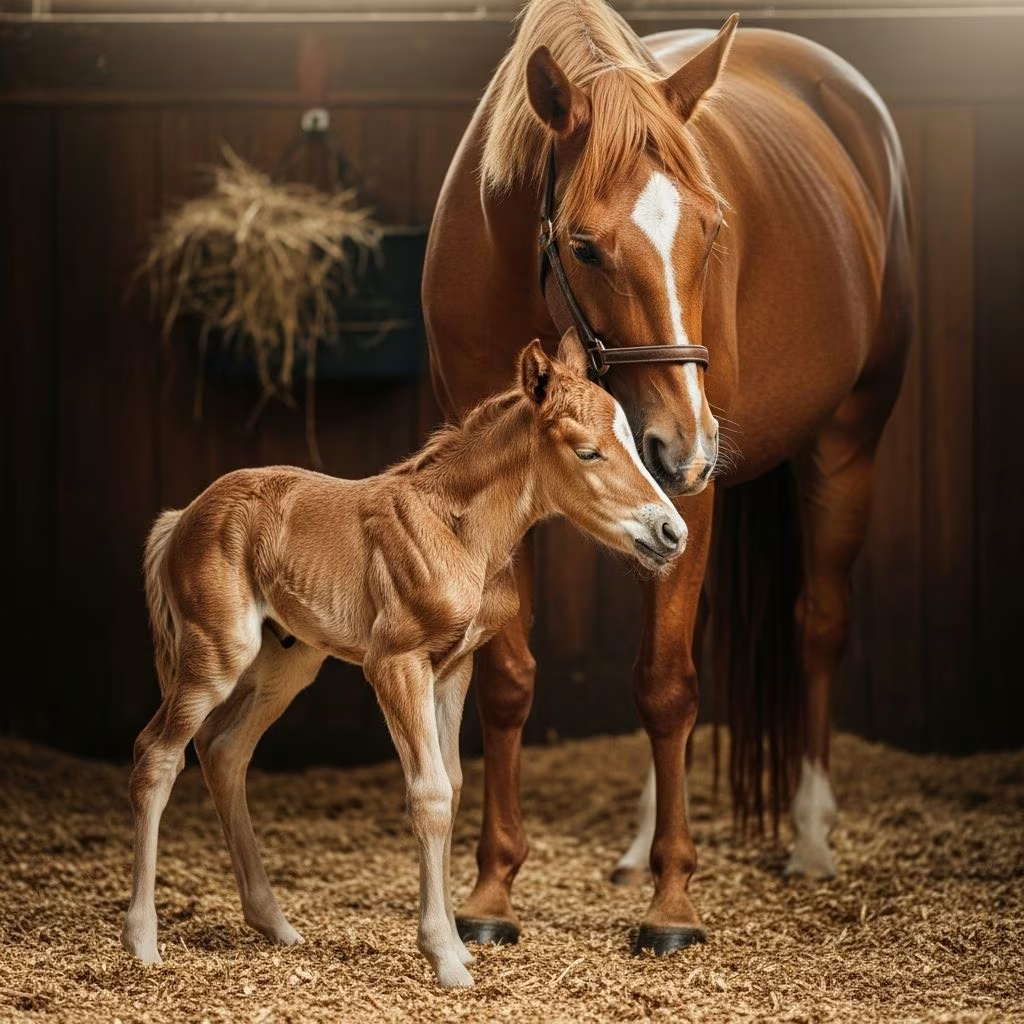
The process of a mare giving birth, known as foaling or parturition, is a remarkable event in equine management that demands careful observation and timely intervention when needed. Understanding the progression of labor ensures the well-being of both mare and foal, minimizing risks during this critical period.
Recognizing the Onset of Labor
Preparation begins with identifying the initial signs that labor is approaching. Mares typically exhibit subtle behavioral changes as uterine contractions start, signaling the preparatory phase of birth. These early indicators help owners position themselves to monitor the process effectively without causing undue stress to the animal.
- Frequent shifts in position, such as rising and lying down repeatedly
- Visible discomfort around the abdominal area, mimicking mild colic symptoms
- Increased tail swishing and pawing at bedding or ground
- Sweating particularly along the flanks and shoulders
- Intermittent cessation of eating or drinking, coupled with restlessness
These behaviors usually span from 30 minutes to four hours, varying by mare experience and individual temperament. During this preparatory time, the foal repositions itself from a supine posture to an anterior presentation, aligning head and forelimbs toward the cervix for passage through the birth canal.
Active Delivery Phase
Once the cervix fully dilates, the mare enters the expulsion stage, where powerful abdominal presses propel the foal outward. This phase demands vigilant watching, as it progresses rapidly in uncomplicated cases, often concluding within 10 to 60 minutes.
The mare adopts a lateral recumbent position to maximize straining efficiency. Visible progression includes:
- Appearance of the amnionic sac, a translucent bluish membrane at the vulva
- Emergence of the foal’s nose, followed by extended forelegs
- Passage of shoulders, a pivotal moment requiring space
- Brief pause before hip delivery, allowing placental blood transfer
Owners should avoid premature interference. If the mare stands mid-delivery, support the foal gently to the ground to prevent injury. Post-expulsion, rupture the amnion if intact to secure airways, and permit natural umbilical severance as the mare rises or foal moves, preserving vital blood volume.
| Normal Duration | Key Milestones | Potential Concerns |
|---|---|---|
| 10-60 minutes | Head/legs first; shoulders then hips | Prolonged >30 min without progress |
| Immediate post-birth | Cord intact briefly; dip in iodine | Excessive bleeding; malposition |
Placental Expulsion and Uterine Recovery
The concluding phase focuses on shedding the fetal membranes, essential for preventing infections like retained placenta syndrome. Contractions persist, inverting and ejecting the placenta, typically within 1-3 hours, though up to 8 hours remains within normal limits.
Examine the expelled tissue promptly:
- Verify completeness by matching body-side shapes
- Check for unusual thickness, discoloration, or tears
- Store moist in a container if veterinary review is needed
Failure to pass fully can lead to toxic metritis or laminitis; tie hanging portions in cloth for traction if partially expelled, but never pull forcefully.
Post-Foaling Mare and Foal Assessment
Immediate evaluation post-delivery secures outcomes. The foal should exhibit sternal recumbency within minutes, attempting to stand in 20-60 minutes, and nurse soon after.
Foal Vital Checks
- Clear nasal passages and stimulate breathing if lethargic
- Disinfect navel with strong iodine (7-10%)
- Monitor suckle reflex and meconium passage
Mare Monitoring
- Observe lactation onset and udder firmness
- Ensure vulvar hygiene and lochia discharge
- Watch for fever, depression, or abnormal bleeding
Provide a clean, quiet environment with ample bedding. Supplemental colostrum may be necessary if nursing fails.
Common Complications and Interventions
While 90% of foalings proceed normally, deviations require prompt action. Dystocia, or difficult birth, affects positioning or size mismatches.
| Issue | Signs | Action |
|---|---|---|
| Malpresentation | Feet absent; breech posture | Vet-assisted correction |
| Prolonged Stage II | >30 min no progress | Manual aid or C-section |
| Retained Placenta | Not expelled in 4 hrs | Oxytocin; lavage |
Preemptive tools like foaling alarms or cameras enhance safety. Consult veterinarians for high-risk mares, such as maidens or those with prior issues.
Environmental and Nutritional Preparations
Optimal setup mitigates stress. Select spacious, draft-free stalls with deep, clean bedding. Tail wraps and udder washes pre-labor reduce contamination.
Nutrition supports recovery: high-quality forage, balanced minerals, and electrolytes. Post-foaling, mares require 50% more energy; gradual concentrate increases prevent digestive upset.
Seasonal and Predictive Timing
Foaling peaks in spring, aligning with photoperiod cues. Use ultrasound from day 250 or test milk electrolytes for 24-48 hour predictions, enabling staffing.
Frequently Asked Questions (FAQs)
How long does horse foaling take?
Stage I: 1-4 hours; Stage II: 10-60 minutes; Stage III: up to 3 hours typically.
When to call a vet during foaling?
If Stage II exceeds 30 minutes, malposition evident, or post-birth distress observed.
Is it safe to assist a foal delivery?
Limited manual help for normal presentations; professional intervention for abnormalities.
What if the placenta isn’t fully expelled?
Monitor up to 4 hours; seek vet for oxytocin or manual removal to avert infection.
How soon can a foal stand and nurse?
Standing in 1 hour; nursing within 2-3 hours ideally.
Long-Term Health Implications
Successful foaling influences future fertility. Retained tissues elevate endometritis risk, delaying rebreeding. Routine postpartum exams confirm uterine involution by day 10-14.
Foals benefit from colostrum within 2 hours for immunoglobulin transfer, bolstering immunity. Track growth metrics and vaccinate per schedule.
References
- The three stages of parturition in horses- Foalling processes — Ranvet. Accessed 2026. https://www.ranvet.com.au/parturition-in-horses/
- Stages of Horse Parturition — Extension.org. Accessed 2026. https://horses.extension.org/stages-of-horse-parturition/
- Stages of Labor — College of Veterinary Medicine at MSU. Accessed 2026. https://cvm.msu.edu/hospital/services/equine-services/for-owners/general-conditions-and-seeing-your-vet/breeding/delivering-a-foal/stages-of-labor



