

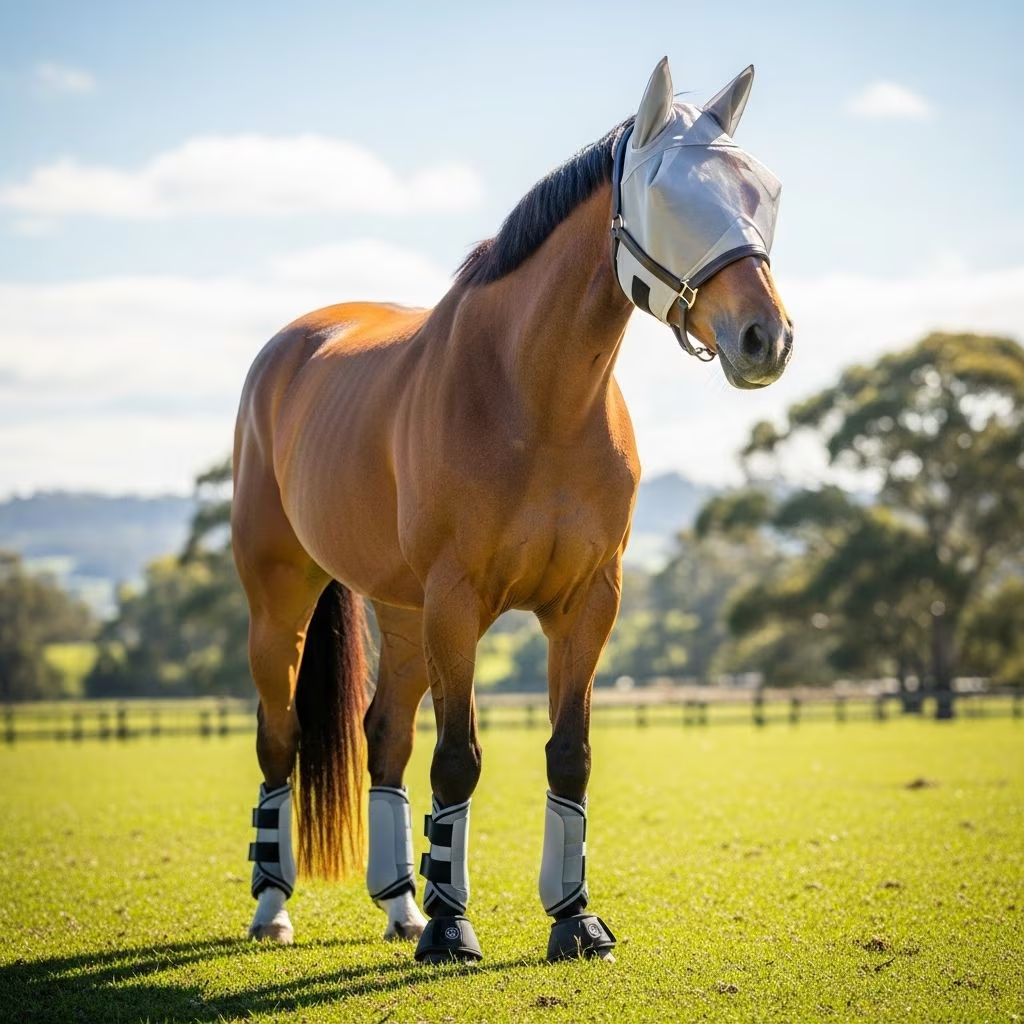
If you’ve ever seen a horse wearing what looks like a “blindfold” paired with matching “tall socks,” you’ve witnessed one of the most practical and essential pieces of equine summer gear. Horse fly masks and boots aren’t fashion statements—they’re vital tools in protecting your horse from biting insects that can cause serious health problems. The question “Why is that horse blindfolded?” is one virtually every horse owner has fielded, and it’s an opportunity to explain the importance of comprehensive fly protection strategies.
Flies represent far more than a simple annoyance for horses. These pests are dangerous vectors that potentially transmit everything from viruses to nasty bacteria that create internal abscesses. Understanding the role of fly masks and boots in your horse’s health regimen is crucial for any responsible horse owner, especially during warmer months when fly populations surge.
Understanding Horse Fly Masks and Boots
Horse fly masks and boots are specifically designed to keep flies off horses’ faces and legs respectively. Both protective tools are typically made of durable mesh or netting, allowing horses to easily see out while preventing flies from getting in. When used as part of a comprehensive fly management program, fly masks and fly boots can help interrupt the fly life cycle, reducing their population over time.
The mesh construction is critical to their effectiveness. This physical barrier creates a lightweight yet durable shield that remains breathable, ensuring your horse stays comfortable even during extended wear. The transparency of quality mesh maintains your horse’s vision and reduces anxiety, while the tight weave excludes even the smallest biting insects.
Why Your Horse Needs Fly Protection
Not every horse requires identical levels of fly protection, but understanding your individual horse’s vulnerability helps you make informed decisions about gear selection. Several factors influence whether your horse would benefit most from fly masks, boots, or both.
Signs Your Horse Needs Fly Masks
Specific situations indicate that fly mask protection should be a priority in your horse’s daily routine:
- Horses who have the insides of their ears clipped during fly season will need a fly mask with ears, as clipped ear interiors are particularly susceptible to bites
- Horses who tend to get aural plaques, which are caused by viruses transmitted by flies, will also need a fly mask
- Any horse who tends to have conjunctivitis or other eye problems should wear a UV-blocking fly mask during the day to reduce irritation and prevent disease transmission
Signs Your Horse Needs Fly Boots
Similarly, specific indicators suggest that your horse would benefit from fly boot protection:
- Horses with darker coat colors, such as brown or black, are more attractive to flies because those colors can be seen more easily
- If you see fly bites on your horse’s legs or if you see your horse frequently stomping to get rid of flies, invest in a set of horse fly boots
- All horses living in a region known for habronema (summer sores) should wear fly protection, as an ounce of prevention is worth a pound of cure when it comes to this painful parasite
Fly Mask Options and Features
Equine fly masks come in numerous styles, colors, and patterns, with various technical features ranging from UV protection to performance fabrics. Understanding the different types helps you select the right option for your horse’s specific needs.
Full Face Fly Masks
Full face fly masks provide comprehensive coverage, protecting your horse’s entire face, including eyes and ears. This holistic coverage is particularly useful for horses that spend significant time outdoors. These masks offer an added layer of protection against flies and debris while being designed to stay securely on the horse’s head without causing discomfort. Choosing a durable, breathable material ensures your horse remains cool and comfortable even in warm weather.
Fine Mesh Fly Masks
Fine mesh fly masks keep out mosquitoes and biting blackflies in addition to more typical horseflies. These masks are especially valuable for protection against small biting insects like no-see-ums, which are particularly attracted to horses’ ears and sensitive areas. The fine mesh construction maintains visibility while providing superior insect exclusion.
Stretch Lycra Fly Masks
Some horses seem to delight in destroying their fly masks. A Lycra fly mask with mesh eyes and ears will stay on longer than Velcro styles, making it ideal for equine Houdinis who are determined to escape their protective gear. The stretch material conforms to the horse’s head while the reinforced mesh areas maintain functionality.
Recommended Fly Masks
Quality fly mask options that have earned positive reputations among horse owners include:
- Shires Fine Mesh Horse Fly Mask with Ears: Fine mesh keeps out mosquitoes and biting blackflies in addition to more typical horseflies, with special ear protection for those nasty little no-see-ums that especially love biting ears
- Weatherbeeta Stretch Bug Eye Fly Mask: This Lycra option with mesh eyes and ears stays on longer than Velcro styles, making it perfect for horses known for destroying their masks
- Horze Zebra Fly Mask: Full face coverage provides comprehensive protection while the distinctive pattern adds an element of fly deterrence
- Kensington CatchMask: Designed to fit over a bridle, this option is perfect for horses you plan to ride with fly mask protection, and it’s especially beneficial for horses with headshaking syndrome
Fly Boots: Protection From the Ground Up
Fly boots for horses are lightweight, mesh boots that protect your horse’s legs from biting insects, such as flies, mosquitoes, and gnats. This layer of protection also shields your horse’s legs from harmful UV rays and blocks out burrs, dirt, or other hazards that may irritate their skin. Applying enough insect repellent on your horse’s legs can be difficult, making fly boots a more convenient option in providing physical barrier protection.
Benefits of Using Fly Boots
There are many advantages to outfitting your horse in fly boots beyond simple insect protection:
- They protect your horse from irritating bugs while also shielding your horse from the sun
- They prevent the loss of shoes and reduce daily stress on your horse
- They keep your horse’s legs clean from dirt and debris
- They reduce the stomping behavior that occurs when flies bite your horse’s legs, which can lead to injury
Fly Boot Materials and Styles
Different fly boot materials offer varying levels of protection and durability. Understanding these options helps you select boots that match your horse’s activity level and sensitivity.
Extra-Fine Mesh Boots
Boots featuring 350D extra-fine window screen mesh protect your horse’s legs from flies, mosquitos, and even the tiniest bugs like no-see-ums or gnats, reducing stomping behavior. These boots feature full-length reflective straps, allow for exceptional airflow during hot months, and shield your horse from potential sun damage with UV protection. This option works well for horses needing maximum insect protection.
Heavy Poly/Vinyl Mesh Boots
Heavy 1000D poly/vinyl mesh is exceptionally durable, offering 70% UV protection and maximum comfort. The soft web binding is shaped to fit the leg, protecting your horse from the top of their cannon bone to below the cornet band from stable flies and other larger biting insects. Hook and loop straps secure the fitted fly boot across the front of the leg without adding pressure on sensitive areas.
Non-Fitted Fly Boots
Heavy 1000D poly/vinyl mesh offers your horse maximum comfort and protection from bugs with 70% UV protection, making these boots perfect for the horse that likes to play out in the pasture. These boots protect your horse from the bottom of the knee to the coronet band from stable flies and larger biting flies. The fleece around the top and bottom of the boot adds additional comfort while reducing the chances of flies getting inside.
Dura-Mesh BugGuard Fly Boots
These innovative fly boots were designed with improved sizing for better fit, providing your horse maximum comfort and protection from biting bugs. They are tapered like a cone, adding shadowing and darkness to the horse’s leg and creating movement as they move, which deters flies from landing on them. The 1000D poly/vinyl mesh material protects your horse from flies with 70% UV protection while featuring a full-length reflective strip for safety.
Zebra Pattern Fly Boots
Research studies have confirmed that the zebra pattern confuses flies, keeping them from landing on your horse. Combined with 70% UV protection, fleece lining for added comfort, hook and loop full-length closure, and flexible stays to prevent slouching, zebra pattern boots offer both practical protection and visual appeal.
Recommended Fly Boots
Quality fly boot options that have earned positive reputations include:
- Kensington Protective Horse Fly Boots: With 73% UV protection, these boots are especially beneficial for horses with pink-skinned legs that can get sunburned, particularly through a short, fine summer coat
- Shoofly Leggins: These popular horse fly boots feature an extra-breathable design and come in bright orange for high-visibility, a plus for horses living near busy roads or in areas where hunters may be present
Proper Fitting Guidelines
Ensuring your fly masks and boots fit correctly is essential for both comfort and effectiveness. Improper fit can cause your horse to resist wearing protection or lead to escapes from poorly secured gear.
Fly Mask Fitting
As a general rule of thumb, mesh fly masks fastened under the jowl with Velcro should fit moderately snugly, with one to two fingers of room between mask and jaw. This provides secure attachment without restricting your horse’s movement or causing discomfort.
Lycra pull-on fly masks have lots of stretch and no adjustability. So all you need to choose is the size. If the mask stays on without twisting, you’ve got the right size. The elastic nature of Lycra allows for a more forgiving fit while still maintaining security.
Fly Boot Fitting
The boots should sit below the knee, to avoid interfering with movement, while clearing the ground on the bottom. This positioning ensures your horse can move freely while the boots provide proper leg coverage. Boots that are too high can interfere with the knee joint, while boots that drag on the ground can become damaged or caught on obstacles.
Wearing Fly Masks and Boots in Different Situations
Understanding when and how to use fly masks and boots maximizes their effectiveness while ensuring your horse’s safety and comfort.
Riding With Fly Masks
If you’re planning to ride your horse with a fly mask on, purchase a mask designed to fit over a bridle, such as the Kensington CatchMask. Horses with headshaking syndrome are often much more comfortable ridden in a mask, as it reduces the irritation and distraction caused by flies and insects.
Turnout Considerations
Horses can wear fly masks over their halters for grooming and handling. It’s safest not to turn horses out in their halters, with or without a fly mask, as halters can get caught on fencing or equipment during turnout. When horses are turned out for extended periods, masks should be secured without a halter to prevent entanglement risks.
Weather and Rain
Most fly masks can be safely worn in all weather, but flies usually lay low when it’s raining, so a fly mask isn’t really needed in the rain. However, there’s no harm in leaving a fly mask on during light rain if your horse is comfortable wearing it. Remove masks during heavy rain to prevent water from pooling and causing discomfort.
Sleep and Overnight Wear
Horses sleep quite soundly in their fly masks, as you’ll notice from the mud stains that appear on one side of your horse’s brand-new fly mask after their first night wearing it! This indicates that horses readily adapt to sleeping with fly masks on, making overnight protection a viable option during peak fly season.
Effectiveness and Results
Do fly boots and masks actually work? Yes, fly boots are effective in providing protection from insects, dirt, and UV rays. The physical barrier that fly boots and masks offer is effective in keeping your horse comfortable and flies off. When used consistently as part of a comprehensive fly management program that may also include fly sheets, insect repellents, and environmental controls, these protective tools significantly reduce the impact of flies on your horse’s health and comfort.
Frequently Asked Questions (FAQs)
Q: Can horses see properly while wearing fly masks?
A: Yes, quality fly masks are made of breathable mesh that allows horses to see out clearly while preventing flies from getting in. The transparent mesh maintains your horse’s vision and reduces anxiety about wearing protective gear.
Q: How often should I replace fly masks and boots?
A: The lifespan depends on quality and use. Most well-made fly masks and boots last multiple seasons with proper care, but they should be replaced when mesh becomes damaged or when closures no longer hold securely.
Q: Are fly masks and boots safe to use together?
A: Yes, using both fly masks and boots together provides comprehensive protection from head to toe. They work independently and can be worn simultaneously without interfering with each other.
Q: What’s the best time of year to start using fly protection?
A: Begin using fly protection as soon as temperatures warm up and fly populations increase in your region, typically in late spring or early summer. Continue through fall until flies decrease in number.
Q: Can I wash my horse’s fly mask and boots?
A: Yes, most fly masks and boots can be hand washed with mild soap and water. Always check manufacturer recommendations before washing, and ensure they’re completely dry before next use to prevent mold or mildew.
References
- Everything You Need to Know About Horse Fly Boots — Schneiders Saddlery. 2024. https://www.sstack.com/blog/fly/what-are-fly-boots-for-horses/
- Keep Pests Away With Horse Fly Masks and Boots — Chewy. 2024. Medically reviewed by Kaela Schraer, DVM. https://www.chewy.com/education/horse/general/horse-fly-masks-and-boots
- How to Choose the Right Horse Fly Mask — Equinavia. 2024. https://equinavia.com/choosing-horse-fly-masks/
- Making Sure Your Horse’s Fly Masks and Boots Fit — Horse and Rider Magazine. 2024. https://horseandrider.com/horse-health-care/making-sure-your-horses-fly-masks-and-boots-fit/
- Should My Horse Wear a Fly Mask? — Dover Saddlery. 2024. https://blog.doversaddlery.com/should-my-horse-wear-a-fly-mask/



