

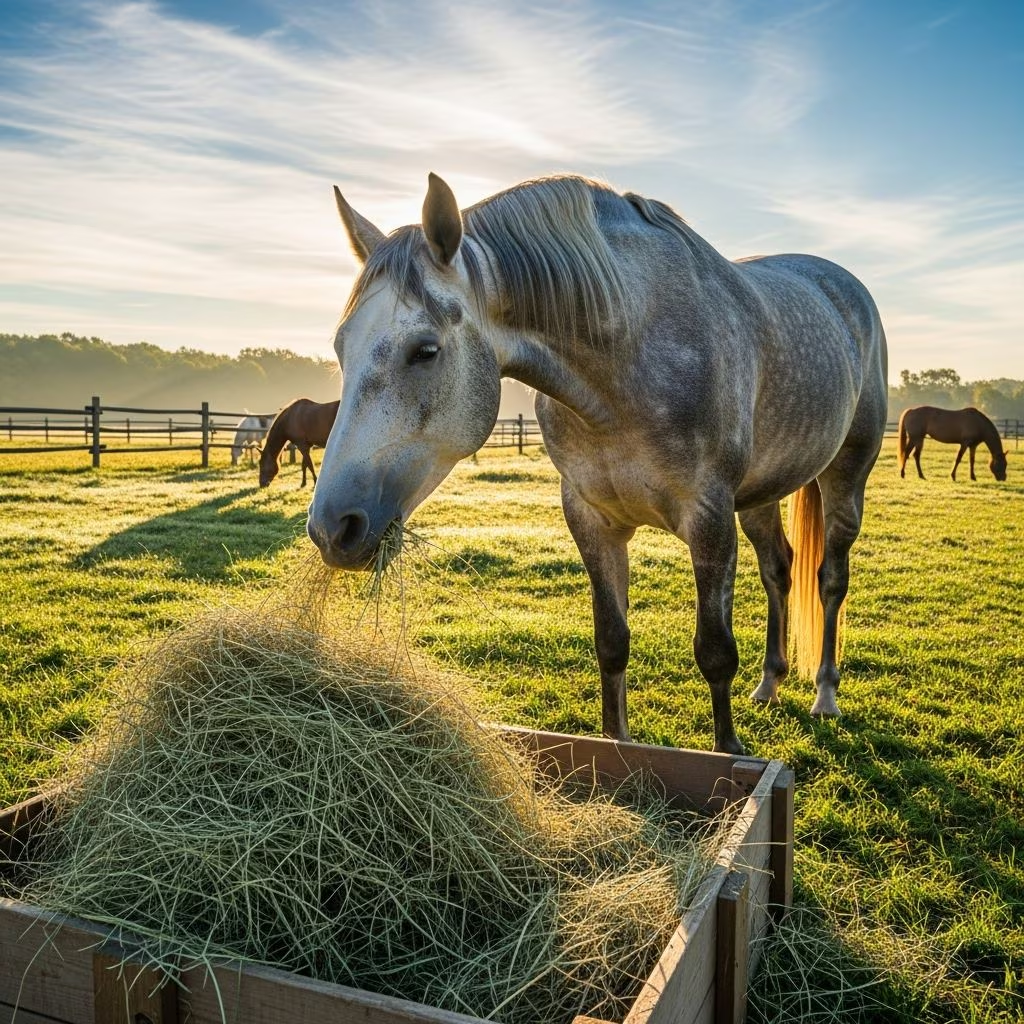
Horse Feeding Guide: Nutrition and Best Practices
Proper nutrition is one of the most critical aspects of horse care and directly impacts your horse’s health, performance, and longevity. Understanding how to feed your horse correctly requires knowledge of their dietary needs, feeding schedules, and the various feed options available. Horses have evolved as grazing animals with unique digestive systems that require frequent, small meals throughout the day rather than large meals fed once or twice daily. This guide covers everything you need to know about feeding your horse properly.
Understanding Horse Nutritional Requirements
Horses require several key nutrients to maintain optimal health and performance. A balanced equine diet must include water, fiber, carbohydrates, fats, and protein in appropriate proportions. Each of these nutrients serves a specific purpose in maintaining your horse’s body functions and overall well-being.
Essential Nutrients for Horses
Water is the most critical nutrient, essential for maintaining optimal bodily functions and preventing dehydration. Horses should have constant access to clean, fresh water throughout the day.
Fiber forms the foundation of a healthy equine diet and maintains proper gut function. Horses evolved to consume high-fiber feeds like grass and hay for extended periods, chewing for up to 18 hours daily.
Carbohydrates serve as the primary energy source for maintenance and work activities. They fuel daily activities and are particularly important for working horses.
Fats provide concentrated energy and assist in nutrient absorption. They are especially valuable for horses requiring high caloric intake.
Protein supplies amino acids necessary for body maintenance, growth, and repair. Adequate protein is particularly important for young, growing horses and lactating mares.
The Foundation: Forage in Equine Diets
Forage should comprise the foundation of every horse’s diet, making up the majority of their daily feed intake. High-quality forage includes grass, hay, haylage, and other fiber-rich feeds. Horses in pasture should have access to good-quality grazing, while stabled horses require supplementary hay or haylage.
Forage Requirements and Body Weight
A horse’s daily forage intake should represent 1.5 to 2.5% of their body weight. For example, a 1,000-pound horse should consume between 15 to 20 pounds of forage daily. To calculate your specific horse’s requirements, you’ll need an accurate body weight from a weighbridge or weight tape. The formula is straightforward: multiply your horse’s weight by 0.015 to 0.025 to determine the ideal daily forage amount.
Types of Forage
Hay is a staple forage option, particularly for horses without access to pasture. Good quality hay should be free from dust, mold, and weeds. For horses sensitive to sugar content or those with metabolic conditions, hay can be soaked in water for 6-12 hours (or 1 hour in warm water) to reduce water-soluble carbohydrates.
Haylage typically contains lower sugar content than hay and is often more digestible, providing higher energy and protein levels. Many horses perform better on haylage due to its enhanced nutritional profile.
Pasture provides natural forage when available and allows horses to graze as they evolved to do. Quality pasture reduces the need for supplementary hay.
Straw is low in calories but high in fiber and can help extend feeding times for horses on controlled diets. However, straw should only be fed to horses with good dental health and should be introduced gradually to prevent colic.
Establishing a Proper Feeding Schedule
A consistent feeding schedule is vital for digestive health and preventing ulcers. Horses have small stomachs designed for continuous grazing, not large meals. The way you structure feeding times significantly impacts your horse’s well-being.
Feeding Frequency Recommendations
Horses should be fed at least twice daily, with three or more feedings being optimal. Many equine nutrition experts recommend feeding horses at least three times per day, with some suggesting four to five feedings at intervals such as 6 AM, noon, 6 PM, and midnight. While multiple daily feedings may seem labor-intensive, they better align with horses’ natural grazing patterns and support digestive health.
The general rule is to divide daily feed portions into smaller meals distributed throughout the day rather than providing one or two large meals. This approach prevents digestive issues and promotes better nutrient absorption.
Sample Daily Feeding Schedule
A practical three-times-daily schedule for a 1,000-pound horse might include:
- Morning (6-7 AM): Forage plus concentrate feed
- Midday (12-1 PM): Forage and concentrate feed
- Evening (5-6 PM): Forage plus concentrate feed
Spacing meals 4-6 hours apart supports optimal digestion. Maintaining consistent feeding times helps establish routine and reduces digestive stress.
Concentrates and Grain: Quantity and Guidelines
While forage forms the diet’s foundation, many horses require additional nutrients from concentrates or grain feeds to meet energy and nutritional demands. However, portion control is essential.
Maximum Grain Per Feeding
A fundamental rule of thumb dictates not feeding more than 5 pounds of grain per meal for a 1,000-pound horse, or no more than 0.5% of body weight in high-starch feed per meal. For smaller horses, adjust this amount proportionally. Never feed more than 8 pounds of concentrate in a single feeding.
High-starch concentrate feeds require particular caution, as they can overwhelm the horse’s digestive system and increase risks of colic, laminitis, or other digestive disturbances when fed in excessive amounts.
Concentrate Feeding Strategy
If your horse requires more than 5 pounds of daily grain, divide it among multiple meals rather than feeding it all at once. For instance, a horse needing 15 pounds of grain daily should receive 5 pounds at three separate feedings rather than 15 pounds at one meal.
Complete Feeds for Horses
Complete feeds provide both forage and concentrate components in a single pelleted product, offering a convenient alternative when quality hay is scarce or unavailable.
Characteristics of Quality Complete Feeds
High-quality complete feeds should contain approximately 15-17% crude fiber to support proper digestion and maintain gut health. These feeds typically contain ingredients such as beet pulp, soybean hulls, or oat hulls, which provide digestible fiber sources offering more usable energy than less digestible alternatives.
Feeding Complete Feeds Effectively
When feeding complete feeds, divide daily intake into 3-4 smaller meals, with each portion not exceeding 5 pounds. This approach maintains digestive efficiency and mimics natural grazing patterns. Allow approximately 4 hours between meals.
Since complete feeds don’t provide the long-stem forage horses naturally chew, consider offering toys, additional exercise, or safe forage options to prevent boredom and destructive behaviors like wood chewing or cribbing.
Key Rules of Horse Feeding
Successful horse nutrition follows several fundamental guidelines that form the basis of proper feeding management.
- Provide constant access to fresh, clean water – Water is essential for digestion, temperature regulation, and overall health
- Feed good quality forage – High-quality hay or pasture forms the nutritional foundation
- Feed little and often – Multiple small meals better match horses’ digestive capabilities
- Use good quality feed stored properly – Store feed in clean, dry areas to maintain nutritional value and prevent mold
- Feed according to body weight and workload – Adjust portions based on your horse’s size, age, and activity level
- Make dietary changes gradually – Transition to new feeds over 10-14 days to reduce colic risk
Monitoring Body Condition and Adjusting Feed
Regular assessment of your horse’s body condition helps ensure appropriate feeding quantities. Body condition scoring evaluates fat cover over key areas like the ribs and withers. Adjust feeding practices based on weight changes to maintain a healthy body condition appropriate for your horse’s age, breed, and activity level.
Overweight horses may benefit from soaked hay instead of haylage, while underweight horses often require additional concentrates or higher-energy feed options. Some horses have metabolic sensitivities requiring lower starch or sugar feeds.
Special Feeding Considerations
Young and Growing Horses
Growing horses require higher protein levels to support proper bone and muscle development. Ensure adequate calcium and phosphorus for skeletal development, typically provided through quality forage and specialized growth feeds.
Senior Horses
Older horses with dental issues may require complete feeds or soaked hay. They often benefit from easier-to-digest forage and may need additional nutrients like joint support supplements.
Working and Performance Horses
Active horses require higher caloric intake and may benefit from higher fat concentrates for sustained energy. Working horses need adequate hydration and electrolyte support.
Supplements: When and Why
Supplements should only be added based on specific dietary needs rather than as routine additions to the diet. Common supplement categories include vitamins and minerals, joint support products, digestive aids, and specialized feeds for metabolic conditions. Consult with an equine nutritionist or veterinarian before adding supplements.
Frequently Asked Questions
Q: How much should I feed my 1,000-pound horse daily?
A: A 1,000-pound horse should consume 1.5-2.5% of body weight in forage (15-25 pounds) plus additional concentrates based on workload and nutritional needs. This translates to 15-25 pounds of hay daily plus grain if required for energy demands.
Q: What’s the minimum feeding frequency for horses?
A: The absolute minimum is feeding twice daily with meals evenly divided and spaced. However, three to five meals daily is optimal for digestive health and mimics natural grazing patterns.
Q: Can I feed my horse once daily?
A: No, feeding once daily is not recommended. Single daily feedings overwhelm the small horse stomach and significantly increase risks of gastric ulcers, colic, and other digestive problems. Horses evolved to eat continuously throughout the day in small amounts.
Q: How do I know if my hay is good quality?
A: Quality hay should be free from dust, mold, and excess weeds. It should have a fresh smell, good color appropriate to the forage type, and proper texture. For uncertain nutritional value, hay analysis or soaking to reduce sugar content is recommended.
Q: What’s the maximum grain I can feed at one meal?
A: Never feed more than 5 pounds of concentrate per meal for a 1,000-pound horse, or no more than 0.5% of body weight in high-starch feed per feeding. This limit prevents digestive disturbances.
Q: Should I soak my horse’s hay?
A: Soaking is beneficial for horses sensitive to sugar content or with metabolic conditions. Soak hay 6-12 hours in regular water or 1 hour in warm water to reduce water-soluble carbohydrates.
Q: How do I transition my horse to new feed?
A: Make feed changes gradually over 10-14 days, slowly increasing the new feed while decreasing the old feed to reduce colic risk.
References
- Horse Feeding: Everything You Need to Know — PetMD. 2024. https://www.petmd.com/horse/horse-feeding-everything-you-need-know
- Feeding horses: horse diet & feed — The British Horse Society. 2024. https://www.bhs.org.uk/horse-care-and-welfare/health-care-management/horse-health/feeding-horses/
- How Often to Feed a Horse | Equine Care Guide — Tribute Equine Nutrition. 2024. https://tributeequinenutrition.com/blogs/news/are-you-feeding-your-horse-at-the-right-times
- Horse Nutritional Requirements: A Comprehensive Guide — EquiNectar. 2024. https://equinectar.com/2024/10/horse-nutritional-requirements-a-comprehensive-guide/
- How to Feed Horses: General Guidelines — Kentucky Equine Research. 2024. https://ker.com/equinews/how-to-feed-horses-general-guidelines/
- Considering Complete Feeds for Horses: A Comprehensive Guide — Revolution Equine Nutrition. 2024. https://revolutionequinenutrition.org/articles-videos/considering-complete-feeds-for-horses-a-comprehensive-guide
- Nutritional Management for Horses — Purdue Extension. 2024. https://www.extension.purdue.edu/extmedia/as/as-429.html



