
Horse Fatigue During Exercise: 5 Immediate Steps For Recovery
Understand the causes, signs, and management of fatigue in horses to optimize performance and prevent serious health issues.
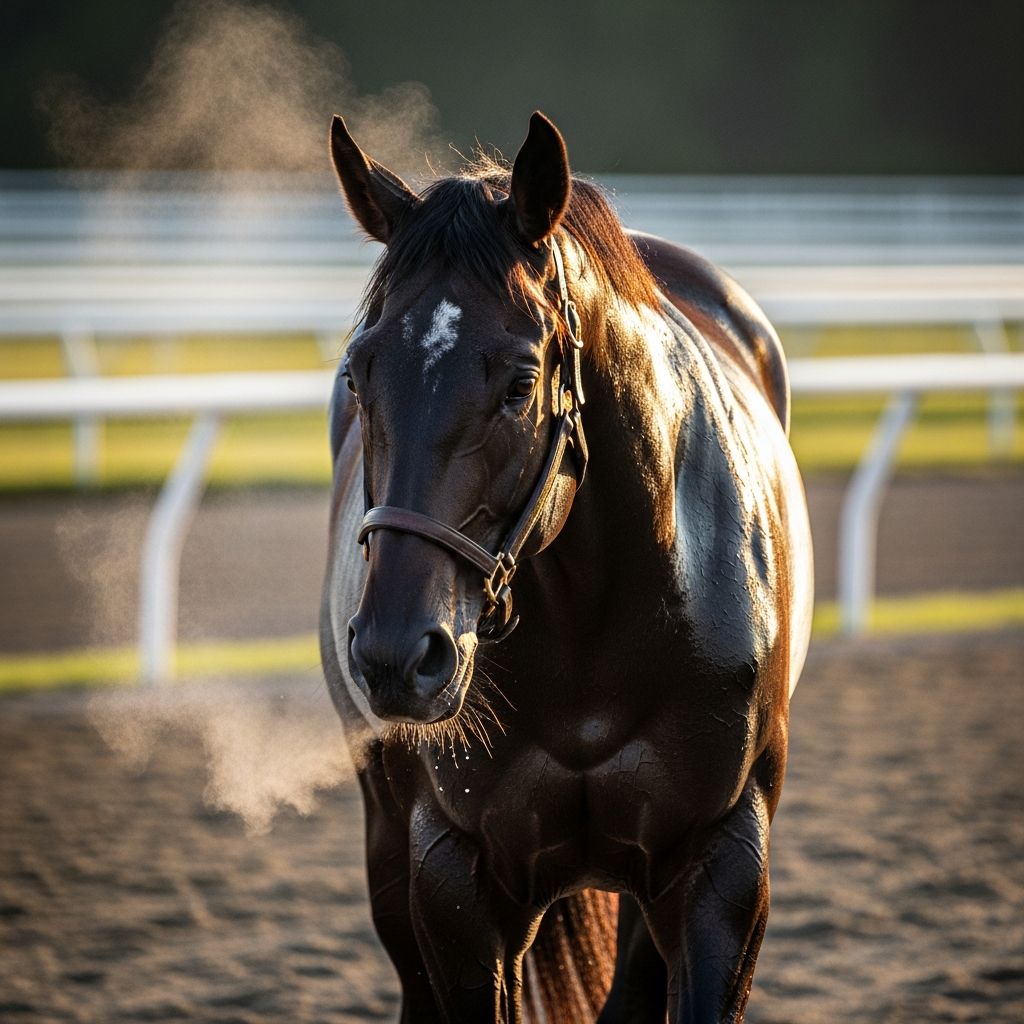
Horse fatigue during exercise manifests as a decline in performance, often linked to metabolic disruptions, dehydration, and overexertion. This condition, sometimes called exhausted horse syndrome, requires prompt recognition and intervention to avoid complications like myopathy or laminitis.
Recognizing Fatigue in Working Horses
Early detection of fatigue is crucial for equine welfare. Horses showing signs of tiredness may exhibit elevated heart rates, rapid breathing, and reluctance to continue activity. Other indicators include depression, reduced appetite, and physical weakness, which can progress to severe states like stiffness or collapse if ignored.
- Elevated vital signs: Increased temperature, pulse, and respiration rates signal the onset of exhaustion.
- Behavioral changes: Lethargy, unwillingness to move, and dulled responses to cues.
- Physical symptoms: Dehydration signs such as sunken eyes, tacky gums, and muscle tremors.
Owners should monitor these during rides or competitions, especially in endurance events where submaximal efforts over long periods heighten risk.
Primary Causes of Exercise-Induced Fatigue
Fatigue arises from multiple factors, including physiological limits and environmental stressors. Overwork depletes energy stores, while imbalances in electrolytes disrupt muscle function.
| Cause Category | Description | Common Triggers |
|---|---|---|
| Metabolic | Energy depletion from glycogen exhaustion in muscles. | Prolonged exercise without adequate fueling. |
| Dehydration & Electrolytes | Loss of fluids and salts through sweat impairs nerve signaling. | Hot weather, intense sweating. |
| Nutritional Deficiencies | Lack of sodium, vitamins, or minerals hinders recovery. | Poor diet, insufficient supplementation. |
| Musculoskeletal | Muscle fatigue from overload or poor conditioning. | Inadequate training, ill-fitting tack. |
Nutritional shortfalls, particularly in sodium, lead to lethargy and reduced thirst, affecting an average 500 kg horse needing at least two tablespoons of salt daily, more for active ones in warm climates.
Health Conditions Mimicking or Causing Fatigue
Certain diseases exacerbate exercise intolerance. Infectious agents like equine influenza cause fever, nasal discharge, and weakness, necessitating isolation and rest. Viral conditions such as West Nile virus present with ataxia and muscle twitching, where vaccination is key due to high mortality.
Chronic issues like equine asthma result in coughing and reduced stamina from airway inflammation, managed by allergen avoidance and bronchodilators. Anemia, from parasites or blood loss, shows as pale gums and generalized weakness. Pain from laminitis or arthritis further compounds fatigue, with hot hooves or joint swelling as telltale signs.
Mechanisms Behind Muscle and Systemic Fatigue
During exercise, horses rely on aerobic and anaerobic pathways for energy. Fatigue occurs when lactate accumulates, pH drops, and oxygen delivery falters. In endurance scenarios, prolonged submaximal work leads to glycogen depletion and electrolyte shifts.
Exhausted horse syndrome involves hypovolemic shock, where fluid loss reduces blood volume, impairing cooling and circulation. Synchronous diaphragmatic flutter, or “thumps,” signals severe electrolyte imbalance, often potassium-related.
Immediate Response to Suspected Fatigue
Upon noticing signs, halt exercise immediately. Cooling is paramount: use fans and cold water hoses over the body to lower core temperature. Avoid transport until stabilized.
- Stop all activity to prevent further stress.
- Apply cooling methods aggressively.
- Administer IV fluids for rehydration and electrolyte correction.
- Monitor gut sounds before oral fluids to rule out colic.
- Use NSAIDs for inflammation and pain relief.
Supportive care addresses symptoms while targeting root causes, such as antibiotics for infections.
Nutritional Strategies for Prevention
A balanced diet sustains performance. Ensure adequate electrolytes, especially sodium, to support muscle contraction and glucose uptake. For working horses, provide free-choice salt blocks and monitor intake.
- High-quality forage as the base.
- Supplements for vitamins/minerals if deficiencies suspected.
- Pre-exercise feeding: easily digestible carbs for glycogen stores.
Address carrying fatigue from weak hindquarters with targeted nutrition promoting muscle health.
Training and Conditioning Protocols
Progressive training builds stamina. Start with short sessions, gradually increasing intensity to enhance aerobic capacity and muscle endurance.
Incorporate rest days to allow recovery, watching for overtraining signs like persistent stiffness or swayback. Physiotherapy, including stretches and massages, restores balance and prevents atrophy. Proper saddle fit and hoof care reduce uneven loading.
Advanced Management for Competition Horses
For elite athletes, regular veterinary checks detect subclinical issues. Bloodwork assesses anemia or inflammation markers. Environmental tweaks, like shaded arenas, mitigate heat stress.
Post-event recovery includes monitored refeeding and light exercise to clear lactate.
FAQs
What are the first signs of fatigue in a horse during exercise?
Look for rapid breathing, elevated heart rate, reluctance to proceed, and dehydration indicators like dry gums.
How do you treat an exhausted horse on-site?
Cease exercise, cool with water and fans, provide IV fluids if possible, and seek vet care promptly.
Can nutrition prevent exercise fatigue?
Yes, ensuring electrolyte balance, particularly sodium, and proper caloric intake supports sustained performance.
What role does training play in avoiding fatigue?
Gradual conditioning improves oxygen use and muscle resilience, reducing fatigue risk.
When should a lethargic horse see a vet?
Immediately if severe signs like collapse, refusal to eat, or prolonged weakness appear.
Long-Term Wellness for Active Horses
Maintaining fitness involves holistic care: routine deworming against parasites causing anemia, vaccinations for viral threats, and environmental hygiene to curb respiratory issues. Track performance metrics to spot trends early.
By integrating these practices, owners enhance horse longevity and competitive edge while minimizing injury risks.
References
- Lethargy in Horses: Signs, Causes & Treatment — Mad Barn. 2023. https://madbarn.com/lethargy-in-horses/
- Carrying fatigue in horses: causes, symptoms & treatment — Pferdegold. 2023. https://pferde-gold.de/en-nl/blogs/magazin/trageerschoepfung-pferd
- The exhausted horse syndrome — PubMed (University of Kentucky). 1998-04-01. https://pubmed.ncbi.nlm.nih.gov/9561696/
- Exhaustion in Horses — The Horse. 2020. https://thehorse.com/1110437/exhaustion-in-horses/
- Exhaustion in Horses — University of Kentucky Ag Equine Programs (.edu). 2023. https://equine.mgcafe.uky.edu/content/exhaustion-horses
- Lethargy in Horses – Causes, Treatment and Associated Symptoms — Vetster. 2023. https://vetster.com/en/symptoms/horse/lethargy
Similar Articles








Read full bio of Sneha Tete


