

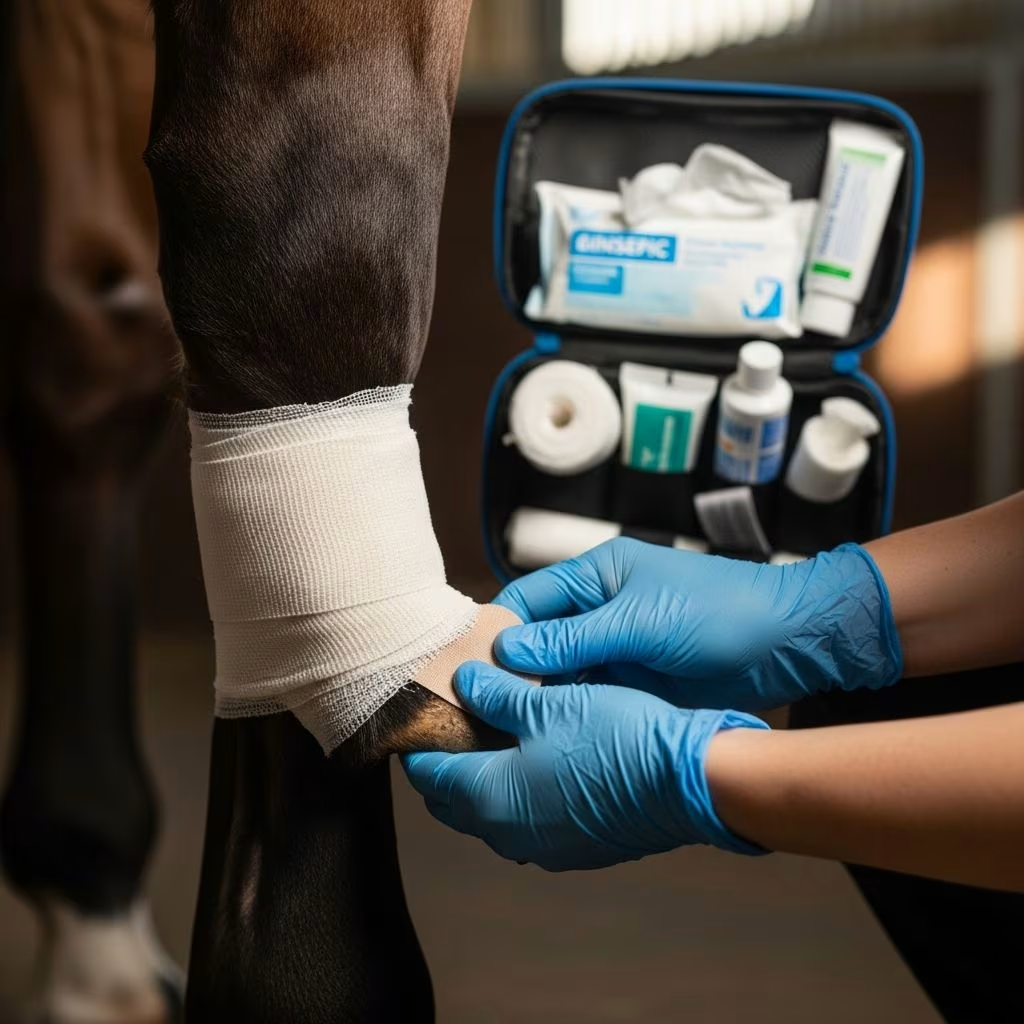
Horse ownership brings immense joy but also the responsibility of being ready for unexpected health crises. Equine emergencies can arise suddenly, from minor cuts to life-threatening conditions like colic or severe injuries. Quick, informed action by owners can make the difference between full recovery and lasting damage. This guide equips you with practical knowledge on preparation, assessment, and immediate response strategies, drawing from established veterinary practices.
Building Your Equine First Aid Arsenal
A robust first aid kit is the cornerstone of emergency preparedness. Stock it with essentials tailored to common horse issues, and check it monthly for expired items. Essential components include:
- Antiseptics and cleaners: Povidone-iodine or chlorhexidine solutions, sterile saline for flushing wounds.
- Bandaging supplies: Gauze pads, vet wrap, adhesive tape, non-stick dressings, and bandage scissors with blunt ends.
- Diagnostic tools: Digital thermometer, stethoscope for heart and gut sounds, hoof pick, and flashlight.
- Restraint aids: Twitch or lip chain (used only with vet training), disposable gloves.
- Specialty items: Poultices for abscesses, fly repellent, hoof boots, and vet-prescribed pain meds in small doses.
Customize your kit based on your horse’s needs, such as including allergy treatments for insect-sensitive animals. Store it in a waterproof, accessible container near the stable.
Mastering Vital Signs Assessment
Knowing your horse’s normal baselines allows rapid detection of abnormalities. Regularly practice checking these during routine care.
| Vital Sign | Normal Range (Adult Horse) | How to Measure | Emergency Flags |
|---|---|---|---|
| Temperature | 37.5–38.5°C (99.5–101.3°F) | Insert lubricated rectal thermometer 5–7 cm; hold 1–2 minutes. | >39°C or <37°C; fever signals infection. |
| Heart Rate | 28–44 beats/min | Use stethoscope under left elbow or feel facial artery. | >60 bpm indicates pain/shock. |
| Respiratory Rate | 8–16 breaths/min | Watch flank movement for 1 minute at rest. | >30/min suggests respiratory distress. |
| Mucous Membranes | Pink, moist | Lift upper lip; check gums. | Pale/blue = poor circulation; brick red = toxicity. |
| Capillary Refill Time | <2 seconds | Press gum; time color return. | >3 sec signals dehydration/shock. |
Document your horse’s norms in a log. In crises, report these to your vet for precise guidance.
Immediate Response to Trauma and Wounds
Wounds are among the most frequent emergencies. Act swiftly to minimize infection and blood loss.
- Secure the scene: Ensure safety for you and the horse; use restraints if needed.
- Control bleeding: Apply firm pressure with clean gauze for 10–15 minutes without peeking—clotting takes time.
- Clean gently: Flush with saline or dilute antiseptic; avoid hydrogen peroxide on deep wounds.
- Bandage properly: Layer non-stick pad, gauze, sheet cotton, vet wrap; change daily.
For punctures, especially nail injuries, do not remove the object—stabilize and call vet. Hoof wounds require packing with poultice and wrapping.
Navigating Colic: A Top Equine Threat
Colic, abdominal pain from gas, impactions, or twists, affects 10% of horses yearly. Early intervention is critical.
Recognize signs: Pawing, rolling, sweating, kicking at belly, loss of appetite, elevated heart rate.
First steps:
- Remove feed/hay; offer small water sips.
- Walk gently in hand for 10–15 minutes to stimulate gut motility.
- Monitor vitals; note gum color and gut sounds.
Call vet if symptoms last >30 minutes, pain intensifies, or vitals deviate. Never give meds without advice—banamine requires prescription.
Handling Lameness and Limb Injuries
Lameness from sprains, fractures, or abscesses demands careful evaluation.
- Assess grade: 1 (slight head nod) to 5 (non-weight bearing).
- Cold therapy: Hose 10–15 min, 3–4x daily to reduce swelling.
- Support: Stable bandage or hoof boot; restrict turnout.
Suspect fracture if sudden, severe lameness with swelling/heat. Keep horse still; vet may need X-rays.
Respiratory Distress and Choking
Difficulty breathing or choke (esophageal blockage) requires urgent action.
For choke: Withhold food/water, keep head elevated, offer small water via tube if trained. Vet intervention often needed for flushing.
Respiratory issues: Ensure airway clear, move to fresh air, monitor rate. Cyanosis (blue gums) is dire—call immediately.
Downed Horse Protocols
If your horse can’t rise, prioritize comfort and vet call.
- Roll to sternal position if safe (upright on chest).
- Provide shade/water; cover if cold.
- Clear obstacles; use padding under pressure points.
Causes range from exhaustion to neurological issues—never force up.
Foaling and Neonatal Crises
For broodmares: Stage 1 labor (restless) to Stage 3 (placenta passage). Dystocia (difficult birth) needs vet in 20–30 min.
Newborn checks: Breathing, suckle reflex, meconium passage. Weak foals may need warming/supportive care.
When to Summon Professional Help
Always err on caution:
- Deep/large wounds, arterial bleed.
- Persistent colic, fever >38.5°C.
- Non-rising horse, fractures, poisoning signs.
- Labored breathing, neurological changes.
Have vet’s number, farm directions, and trailer ready. Provide history/vitals clearly.
Prevention: Your Best Defense
Proactive measures reduce risks:
- Regular vet checks, vaccinations, deworming.
- Safe fencing/paddocks, quality feed.
- Insurance, emergency fund, transport plan.
Train with your vet annually on kit use and procedures.
Frequently Asked Questions
What if my horse has a deep laceration?
Apply pressure bandage; clean if possible; call vet for sutures/antibiotics.
How do I know if colic is surgical?
Vet assesses via ultrasound/rectal; severe pain + toxic gums often indicate it.
Can I give painkillers myself?
Only vet-prescribed doses; improper use risks masking symptoms or toxicity.
What’s in a basic bandage?
Non-adherent pad, cast padding, outer wrap; secure without tightness.
How often check first aid kit?
Monthly, plus post-use and seasonally.
References
- Equine First-Aid Guide: What You Need to Know — Equine Premium. 2023. https://www.equinepremium.com/blog/vaccinations/equine-first-aid-guide/
- Being Prepared for Horse Emergencies: A Comprehensive Guide — Rhythm Equine. 2024. https://www.rhythmequine.com/articles/being-prepared-for-horse-emergencies-a-comprehensive-guide-for-horse-owners
- A Horse Owner’s Guide to Preparing for Equine Emergencies — Stable Management. 2023. https://stablemanagement.com/articles/equine-health/a-horse-owners-guide-to-preparing-for-equine-emergencies/
- Complete Guide to Maintaining Your Horse’s First Aid Kit — Equine Institute. 2024. https://equineinstitute.org/blogs/horse-care-tips/complete-guide-to-maintaining-your-horses-first-aid-kit-checklist-and-update-frequency
- Basic first aid for your horse and preparing for emergencies — University of Minnesota Extension (.edu). 2022. https://extension.umn.edu/horse-health/basic-horse-first-aid-and-preparing-emergencies
- Guidelines Library — American Association of Equine Practitioners (AAEP). 2025. https://aaep.org/guidelines-resources/resource-library/guidelines-library/



