

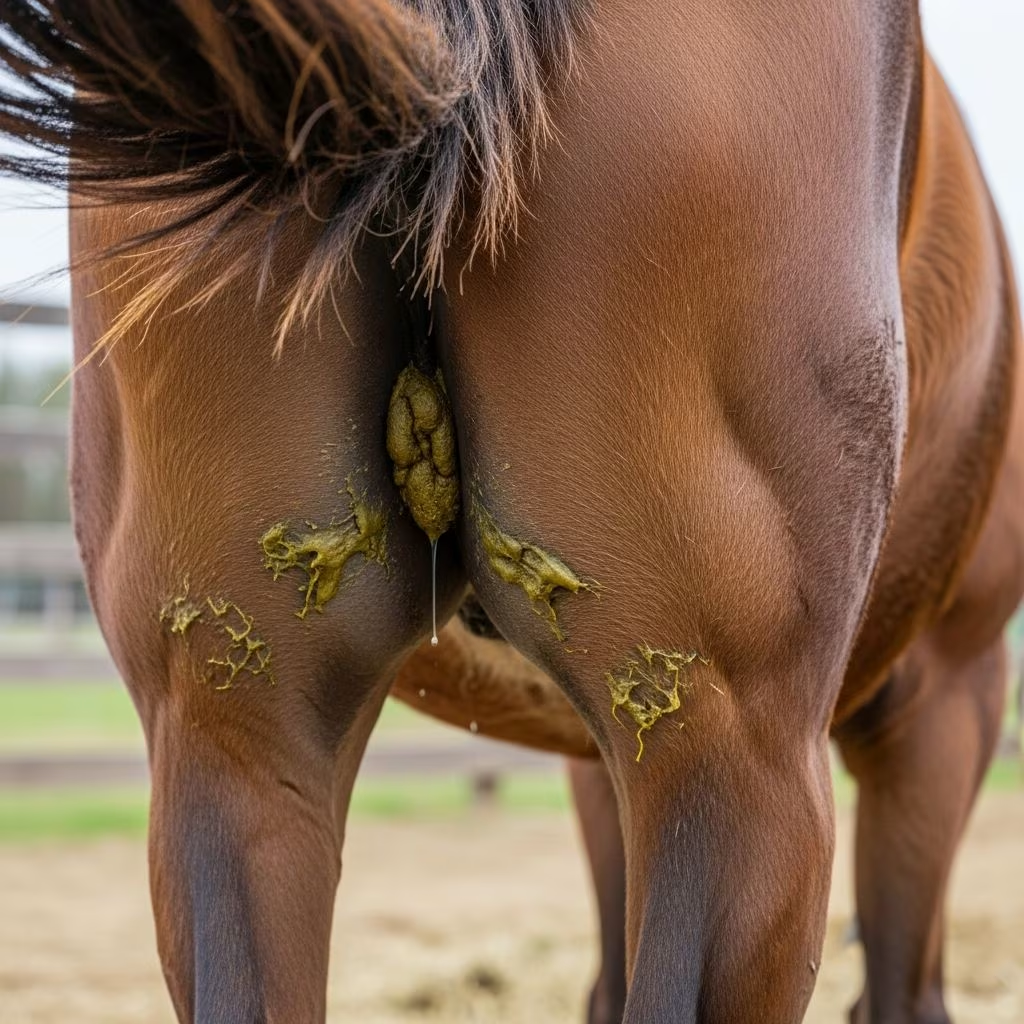
Diarrhea in horses manifests as loose, watery stools passed more frequently than normal, signaling disruptions in the intestinal absorption of water and electrolytes. This condition ranges from mild, self-resolving episodes to life-threatening crises requiring immediate veterinary intervention. Understanding the underlying triggers is crucial for timely care and prevention.
Recognizing Diarrhea in Horses
Horses with diarrhea often show unformed manure that may appear cow-patty-like or fully liquid. Accompanying signs include colic-like discomfort, depression, reduced appetite, fever, and rapid dehydration due to fluid loss. In severe cases, horses develop sunken eyes, dry mucous membranes, and weak pulses, highlighting the urgency of action.
- Acute diarrhea: Sudden onset, often infectious, lasting days.
- Chronic diarrhea: Persistent or recurrent, linked to non-infectious factors like diet or inflammation.
- Foal-specific: More vulnerable to rotavirus or bacterial overgrowth.
Infectious Triggers of Equine Diarrhea
Infections dominate acute cases, damaging the gut lining and causing inflammation (colitis). Bacteria, viruses, and parasites disrupt normal flora balance, leading to malabsorption and fluid secretion into the intestines.
Bacterial Culprits
Salmonella thrives in contaminated environments, causing profuse watery diarrhea, fever, and endotoxemia. It’s highly contagious, necessitating isolation.
Clostridium species, especially C. difficile and C. perfringens, proliferate after antibiotic disruption of gut flora. Toxins produced irritate the mucosa, worsening symptoms.
Potomac Horse Fever (Neorickettsia risticii) spreads via insect vectors near water sources, inducing fever, laminitis risk, and diarrhea.
Other bacteria like Rhodococcus equi (foals) or Lawsonia intracellularis contribute in specific scenarios.
Viral Pathogens
Equine Coronavirus erodes intestinal villi, causing villous atrophy and secondary bacterial invasions. Recovery takes 3-5 days as the gut relines.
Rotavirus primarily affects foals, spreading rapidly in groups and leading to severe dehydration.
Parasitic Involvement
Heavy worm burdens, particularly cyathostomin larval emergence, provoke acute larval cyathostomiasis with explosive diarrhea, weight loss, and edema. Strongyles and other helminths irritate the gut if deworming lapses.
Non-Infectious Contributors to Diarrhea
Many cases stem from management flaws or toxicities rather than pathogens, often resolving with corrections but risking complications if ignored.
| Cause | Description | Common Scenarios |
|---|---|---|
| Dietary Changes | Sudden feed switches overload fermentation, causing osmotic diarrhea. | New hay, lush grass, grain overload. |
| Antibiotics/NSAIDs | Disrupt microbiome or induce right dorsal colitis (e.g., phenylbutazone). | Post-treatment for wounds or pain. |
| Toxins | Plants (oleander, hoary alyssum), insecticides, sand ingestion inflame bowels. | Access to contaminated pastures. |
| Stress | Travel, competition alter motility and flora. | Shows, hauling. |
| Systemic Diseases | Liver/heart failure, IBD, cancer secondary to gut issues. | Chronic cases. |
Diagnostic Approaches for Horse Diarrhea
Vets start with history (recent antibiotics, travel, feed changes) and physical exam assessing hydration (skin tenting, capillary refill). Key tests include:
- Fecal analysis for pathogens, parasites, sand.
- Bloodwork for dehydration, electrolytes, inflammation (low albumin, high BUN/creatinine).
- Ultrasound for gut wall thickening.
- Endoscopy or biopsy for chronic issues.
Differentiating causes guides therapy; e.g., PCR panels detect multiple agents swiftly.
Treatment Strategies for Equine Diarrhea
Supportive care anchors management: fluid therapy combats dehydration, the primary killer. IV polyionic fluids with electrolytes restore balance, monitored via serial blood gases.
Targeted Therapies
- Antimicrobials: Metronidazole for Clostridia; avoid routine Salmonella use to prevent shedding.
- Anti-endotoxins: Polymyxin B, flunixin meglumine reduce systemic inflammation.
- Probiotics/Transfaunation: Restore flora via supplements or donor manure slurry.
- Adsorbents: Dioctahedral smectite (Bio-Sponge) binds toxins.
- Psyllium/Digestive Enzymes: For sand or poor digestion.
Hospitalization for severe cases includes isolation, cryotherapy to prevent laminitis.
Nutritional Support
Withhold grain; offer small, frequent hay meals or soaked hay. Electrolyte solutions aid oral rehydration. Chronic cases may need exclusion diets (timothy hay only).
Preventing Diarrhea Episodes in Horses
Proactive steps minimize risks:
- Maintain consistent diet; introduce changes gradually.
- Regular deworming based on fecal egg counts.
- Quarantine new arrivals; vaccinate against rotavirus/PHF where endemic.
- Limit NSAID use; monitor antibiotic courses with probiotics.
- Provide clean water, quality forage; remove toxic plants.
Prognosis and Long-Term Management
Mild cases resolve in 1-2 days with rest. Severe infectious diarrhea carries 70-90% survival with aggressive care, but complications like laminitis or thrombosis lower odds. Chronic diarrhea from IBD demands lifelong diet tweaks and supplements.
Frequently Asked Questions (FAQs)
What should I do if my horse has diarrhea?
Withhold grain, offer hay/electrolytes, and call your vet immediately, especially if dehydration signs appear.
Is horse diarrhea contagious?
Yes, for infectious causes like Salmonella or rotavirus; isolate promptly.
Can diet alone fix horse diarrhea?
For mild non-infectious cases, yes, but severe ones need vet diagnostics.
How much fluid loss is dangerous in diarrheic horses?
Loss exceeding 5-10% body weight triggers shock; monitor closely.
Are probiotics effective for equine diarrhea?
They support flora recovery, especially post-antibiotics.
References
- Equine Diarrhea: Causes, Treatments, and Complications — Equine Clinic. Accessed 2026. https://equineclinic.com/equine-diarrhea-causes-treatments-and-complications/
- Diarrhea in Horses – Common Causes, Feeding & GI Management — SmartPak Equine. Accessed 2026. https://www.smartpakequine.com/learn-health/diarrhea-in-horses
- Addressing acute diarrhea in the adult horse — dvm360. Accessed 2026. https://www.dvm360.com/view/addressing-acute-diarrhea-adult-horse
- How and What to Feed a Horse with Diarrhea — Mad Barn. Accessed 2026. https://madbarn.com/how-to-feed-horse-with-diarrhea/
- Diarrhea in Horses — PetMD. Accessed 2026. https://www.petmd.com/horse/conditions/digestive/c_hr_diarrhea
- Diarrhea (PDF) — Swiftsure Equine Veterinary Services. 2018. https://swiftsureequine.com/wp-content/uploads/2018/11/Diarrhea.pdf



