

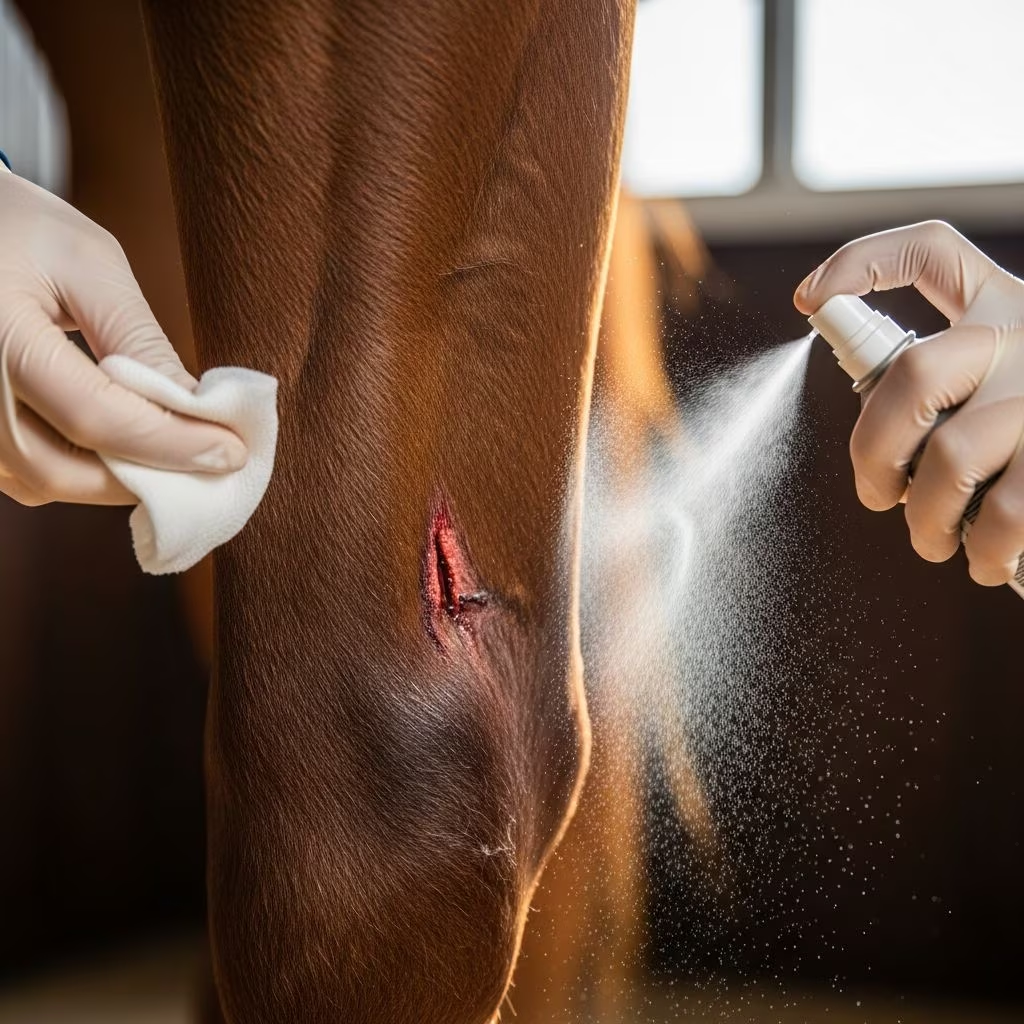
Understanding Horse Cuts and Wounds
Cuts and wounds are common injuries that horse owners encounter throughout their equine care journey. Whether your horse has suffered a minor scrape or a more serious laceration, understanding proper wound management is essential for promoting healing and preventing complications. Horses are naturally active animals that spend time in pastures, training facilities, and competitive environments where injuries can occur. A cut may seem minor at first, but without proper care, even small wounds can become infected or develop complications that require veterinary intervention.
Types of Horse Cuts and Wounds
Equine injuries vary widely in severity and type. Understanding the different categories of cuts helps you assess the situation and determine the appropriate response.
Superficial Cuts
Superficial cuts affect only the outer layers of the skin. These wounds typically bleed minimally and appear as minor scrapes or abrasions. They may result from brushing against fencing, objects in the pasture, or minor trauma during activity. Superficial cuts usually heal quickly with basic cleaning and monitoring, though proper care prevents infection.
Deep Lacerations
Deep lacerations penetrate through the skin into underlying tissue layers. These wounds bleed more profusely and may expose muscle, tendons, or other structures. Deep cuts require immediate attention and often need veterinary assessment to determine if stitches or other interventions are necessary. The location and depth of the laceration significantly impact healing time and potential complications.
Puncture Wounds
Puncture wounds occur when a sharp object pierces the skin, creating a narrow opening that may be deceptive in appearance. These injuries are particularly concerning because the small opening can trap bacteria deep within the wound, increasing infection risk. Puncture wounds often require professional evaluation to ensure proper cleaning and treatment.
Immediate First Aid for Horse Cuts
Quick and appropriate response to a cut significantly impacts healing outcomes. Knowing what to do immediately after injury helps minimize complications.
Stop the Bleeding
For minor cuts, gentle pressure with a clean cloth helps control bleeding. Apply steady pressure for several minutes without repeatedly checking the wound, as this disrupts clot formation. Most superficial cuts stop bleeding within 10-15 minutes. If bleeding continues heavily after 15-20 minutes of pressure, or if the wound is deep, this warrants veterinary attention.
Clean the Wound
Once bleeding is controlled, gentle cleaning removes dirt, debris, and bacteria. Use lukewarm water and mild soap to rinse the area thoroughly. Avoid harsh scrubbing that damages healthy tissue. For wounds with embedded dirt or debris, careful removal prevents infection. Allow water to flow over the wound rather than using high-pressure irrigation, which can damage tissue.
Remove Foreign Material
Carefully inspect the wound for splinters, gravel, metal, or other foreign objects. Tweezers or clean hands can remove visible debris. Leave removal of deeply embedded objects to a veterinarian to avoid causing additional damage.
Wound Care and Treatment
Proper aftercare promotes healing and prevents infection. Different types of cuts may require different treatment approaches.
Antiseptic Application
After cleaning, applying an appropriate antiseptic helps prevent bacterial growth. Common options include povidone-iodine solutions, chlorhexidine, or antibiotic ointments. These products reduce infection risk without harming healing tissue. Follow product instructions for application frequency, typically once or twice daily during initial healing phases.
Bandaging and Protection
Depending on the wound’s location and severity, bandaging provides protection and keeps the area clean. For minor superficial cuts, exposed healing may be appropriate if the location stays clean. For cuts on legs or areas prone to dirt exposure, protective bandaging prevents contamination. Change bandages regularly and inspect the wound for signs of infection or complication.
Pain Management
Significant wounds cause pain that affects the horse’s comfort and healing. Your veterinarian can recommend appropriate pain relief options ranging from topical treatments for minor wounds to systemic medications for more serious injuries.
When to Seek Veterinary Care
Certain situations require professional evaluation and treatment. Knowing when to call your veterinarian prevents minor injuries from becoming serious complications.
Seek Immediate Veterinary Attention For:
– Deep lacerations that gape open or expose underlying tissue- Wounds involving joints, tendons, or ligaments- Puncture wounds, especially on the sole of the foot- Wounds on the face, near eyes, or on sensitive areas- Cuts that won’t stop bleeding after 15-20 minutes of pressure- Wounds with jagged or heavily contaminated edges- Any injury causing severe lameness or inability to bear weight- Lacerations longer than 1-2 inches
Schedule a Veterinary Appointment For:
– Wounds showing signs of infection (increased heat, swelling, discharge, odor)- Cuts that aren’t healing as expected after 3-5 days- Wounds with significant swelling despite home treatment- Any cut causing concern, even if it seems minor
Infection Prevention and Recognition
Infection represents the most common complication of equine wounds. Prevention and early recognition are crucial for successful outcomes.
Prevention Strategies
Maintaining current tetanus vaccination protects horses from this serious infection. Clean wounds promptly and avoid contamination during healing. Keep the environment clean and provide appropriate shelter to minimize exposure to dirt and bacteria. Regular inspection of pastures removes hazardous objects that could cause cuts.
Signs of Infection
Monitor wounds for increased heat, swelling, or discharge. Infected wounds may emit an unpleasant odor or show pus. Systemic signs include fever, lameness, or behavioral changes. Early recognition allows prompt treatment before infection becomes serious. Contact your veterinarian immediately if infection is suspected.
Special Considerations for Different Wound Locations
Wound location significantly impacts healing and potential complications. Different body areas require specific care approaches.
Leg Wounds
Leg cuts are common due to kicks, fencing contact, or trauma during activity. These wounds are prone to infection because of constant movement and environmental exposure. Leg wounds often require protective bandaging and close monitoring. Swelling is common on legs due to gravity and movement.
Head and Face Wounds
Facial injuries require careful handling due to proximity to eyes and sensitive structures. Even apparently minor head cuts warrant veterinary evaluation. The head has excellent blood supply, promoting healing but also resulting in significant bleeding.
Foot Wounds
Puncture wounds to the sole of the foot are particularly serious due to infection risk and potential for abscess formation. These injuries often require professional assessment and treatment, including X-rays to determine depth and involvement of deeper structures.
Joint and Tendon Injuries
Cuts involving joints or tendons require immediate veterinary attention. These structures are critical for movement, and improper healing can result in permanent lameness. Professional treatment prevents long-term complications.
Healing Timeline and Expectations
Understanding typical healing progression helps you monitor recovery and recognize when complications develop. Healing timelines vary based on wound depth, location, and individual horse factors.
First 24-48 Hours
Initial inflammation occurs as the body responds to injury. Some swelling and heat are normal. Proper cleaning and initial treatment set the foundation for healing.
3-7 Days
New tissue begins forming at wound edges. Swelling may increase temporarily before resolving. The wound should gradually look cleaner and less raw.
1-4 Weeks
Significant tissue regeneration occurs. Swelling should decrease, and the wound should appear progressively smaller and healthier. The scar tissue begins forming.
Beyond 4 Weeks
Healing continues over months, with scar tissue maturation and remodeling occurring gradually. Full healing of deep wounds may take several months or longer, particularly on legs where movement continues.
Prevention of Horse Cuts
Preventing injuries is preferable to treating them. Several management strategies reduce cut risk.
Environmental Management
Regular pasture inspection removes sharp objects, broken fencing, and hazards. Maintain fencing in good repair to prevent injury from nails, wire, or broken boards. Remove protruding objects and hazardous materials from exercise areas.
Protective Equipment
Leg wraps, boots, and other protective gear reduce injury risk during training and competition. Grazing muzzles prevent access to hazardous areas. Bell boots protect front feet from overreach injuries.
Careful Handling
Proper handling techniques minimize accidental injury from handlers or other horses. Supervise turnout to prevent injury from herd interactions. Use safe equipment that won’t break and cause sharp edges.
Scar Management
After wounds heal, scar tissue management promotes better cosmetic and functional outcomes. Some scars fade significantly over time, while others remain visible.
Massage and Movement
Gentle massage of healed wounds promotes tissue remodeling and can improve scar appearance. Appropriate movement encourages tissue alignment and strengthening.
Topical Treatments
Various scar-reducing products may help minimize appearance. These products work best when applied consistently over months. Results vary depending on scar severity and individual healing response.
Cosmetic Considerations
For show horses or animals with visible scars, professional grooming techniques can minimize scar appearance. Hair growth patterns and clipping can make scars less noticeable, though they never completely disappear.
Frequently Asked Questions
Q: How can I tell if a horse cut is infected?
A: Signs of infection include increased heat around the wound, excessive swelling, discharge that is thick or discolored, foul odor, lameness, and fever. Contact your veterinarian immediately if you suspect infection.
Q: Should I bandage a horse cut?
A: Bandaging depends on wound location and type. Cuts in protected areas may heal better without bandages, while leg cuts and contaminated wounds benefit from protective bandaging. Ask your veterinarian for specific recommendations.
Q: How often should I clean a horse wound?
A: Initially, wounds may need cleaning twice daily or as recommended by your veterinarian. As healing progresses, cleaning frequency can decrease. Always keep the wound clean and free of debris.
Q: Can horses get tetanus from cuts?
A: Yes, tetanus bacteria can enter through any wound. Maintaining current tetanus vaccination protects horses from this serious condition. Vaccination should be updated after any significant injury.
Q: When do stitches become necessary for horse wounds?
A: Stitches help hold wound edges together for better healing and cosmetic results. Your veterinarian determines if stitching is appropriate based on wound depth, location, and time since injury. Stitches are typically placed within 8-12 hours of injury for best results.
Q: How long does it take for a horse cut to heal?
A: Healing timelines vary widely. Superficial cuts may heal in 1-2 weeks, while deep lacerations take several weeks or months. Full healing of serious wounds can take months or longer, especially on legs.
Q: What should I do if a cut won’t stop bleeding?
A: Apply continuous gentle pressure with a clean cloth for 15-20 minutes. If bleeding continues after this time, contact your veterinarian immediately, as the horse may need professional treatment to control bleeding.
Q: Are home remedies safe for treating horse cuts?
A: While basic wound care at home is appropriate for minor cuts, always consult your veterinarian about specific treatments. Some home remedies may actually harm healing or increase infection risk if not used properly.
References
- Ultimate Horse Clipping Guide – From Trace to Full Body Clip — SmartPak Equine. 2024. https://www.smartpakequine.com/content/horse-clipping-guide
- Clipping Horses for Beginners: Benefits, Types of Clips & How-To — Mad Barn. 2024. https://madbarn.com/clipping-horses-guide/
- Body Clipping Horses: Clip Patterns & Complete Guide — Riding Warehouse. 2024. https://www.ridingwarehouse.com/lc/training/equine-clipping/how-to-body-clip-your-horse.html
- The Essential Guide to Types of Horse Brushes for Grooming Success — Kawell USA. 2024. https://kawellusa.com/blogs/blog/the-essential-guide-to-types-of-horse-brushes-for-grooming-success
- Complete Guide To Basic Horse Grooming — Tattered Saddle. 2024. https://tatteredsaddle.com/2024/05/29/how-to-groom-a-horse/
- The Ultimate Guide to Horse Brushes & Grooming Tools — Schneiders. 2024. https://www.sstack.com/blog/grooming/the-ultimate-guide-to-horse-brushes/b/r0116/



