

Understanding Horse Cribbing
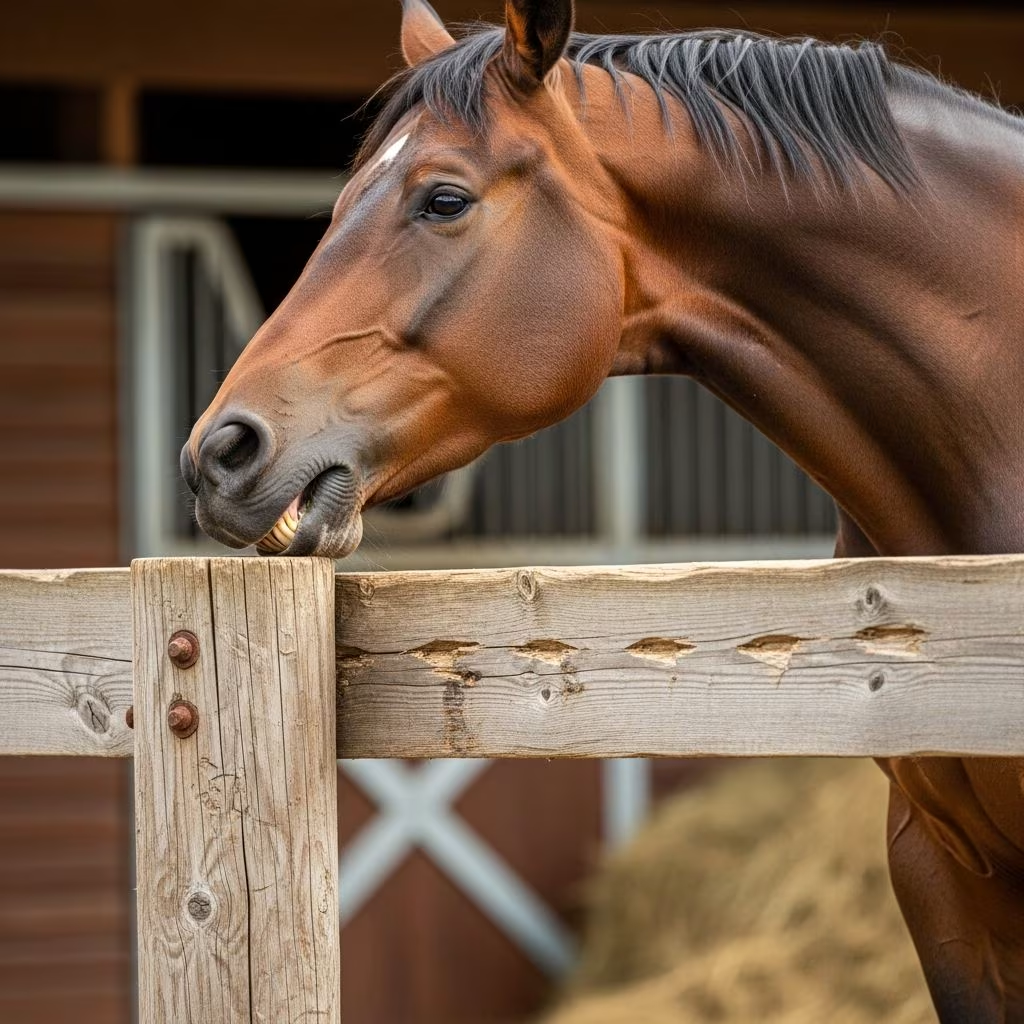
Horse cribbing, also known as crib-biting, is one of the most common oral stereotypic behaviors observed in horses. This behavior involves a horse grasping a solid object, typically a fence rail, feed tub, or stall edge, between its front teeth and then pulling backward while contracting its neck muscles. During this action, horses emit a characteristic grunting sound and suck air into their mouths. Unlike normal grazing or feeding behaviors, cribbing is a repetitive, compulsive activity that appears to serve no productive purpose and can consume several hours of a horse’s day.
Cribbing is distinct from wind-sucking, though the two behaviors are related and often confused. Wind-sucking occurs when a horse arches its neck and sucks in air without necessarily grasping an object with its teeth. Both behaviors fall under the umbrella of stereotypic behaviors, which are repetitive actions that horses perform compulsively and often without clear external triggers.
Causes of Horse Cribbing
Understanding why horses crib remains one of the most challenging aspects of equine behavior management. Research suggests that cribbing develops as a coping mechanism in response to multiple interconnected factors rather than a single cause. The etiology of cribbing is complex and multifactorial, involving environmental, physiological, genetic, and psychological components.
Environmental and Management Factors
Poor stable management and inadequate environmental enrichment represent significant risk factors for developing cribbing behavior. Horses confined to individual stalls for extended periods without adequate social interaction or outdoor access are substantially more prone to developing this stereotypy. The natural behavior of horses involves grazing for up to 16 hours daily, engaging in social interactions, and moving freely across varied terrain. Confinement disrupts these natural behaviors and creates stress.
Boredom and stress represent key environmental triggers for cribbing behavior. Horses are sensitive creatures that require mental stimulation and physical activity to maintain psychological well-being. Limited turnout, insufficient interaction with other horses, and monotonous daily routines all contribute to the development of cribbing as a stress-coping mechanism. Providing enriching environments with varied stimulation, adequate pasture time, and opportunities for social interaction can be crucial in preventing or managing this behavior.
Nutritional Influences
Feeding practices that deviate significantly from a horse’s natural diet contribute substantially to cribbing development. Horses evolved grazing continuously on forage-based diets. Modern feeding routines that restrict grazing or rely heavily on grain-based concentrates create digestive discomfort and stress, both linked to the development of stereotypies. Limited forage access combined with high-sugar diets can trigger gastrointestinal irritation, which may prompt cribbing behavior. Research indicates that horses receiving inadequate forage relative to concentrate feeds show increased stereotypic behaviors.
Neurological and Genetic Components
Emerging research reveals significant neurological differences in cribbing horses. Studies have identified elevated levels of D1 and D2 dopamine receptors within the nucleus accumbens, a brain region associated with reward and motivation, combined with reduced receptor density in the caudate nucleus, an area critical for action-outcome learning. These neurological differences suggest that cribbing horses are particularly prone to habit formation and highly motivated to perform repetitive actions.
Additionally, horses with cribbing behavior have been found to have a reduced capacity for learning and training compared to non-cribbing horses. This neurological predisposition, combined with environmental stressors, creates a powerful biological foundation for the development and perpetuation of cribbing behavior.
Physical and Psychological Stress
Physical stress from various sources can precipitate cribbing behavior. Pain associated with colic, worm infestation, nutrient deficiencies, and temperature extremes all trigger stress responses that horses may manage through stereotypic behaviors. Research has demonstrated that horses perform cribbing behavior in attempts to decrease cortisol levels elevated during stressful situations. The long-term release of stress hormones can be harmful and may cause cardiovascular diseases, depression, and immunosuppression.
Weaning trauma and early-life experiences also influence the likelihood of developing cribbing behavior. Horses subjected to abrupt weaning practices or traumatic early experiences may develop cribbing as a coping mechanism that persists into adulthood.
The Neurobiology of Cribbing
The relationship between cribbing and dopamine release helps explain why this behavior becomes so entrenched. When a horse cribs, dopamine is released in the brain, triggering feelings of pleasure and reward. This neurochemical reinforcement creates a cycle that makes the behavior progressively harder to eliminate. The horse essentially becomes rewarded by the act of cribbing, reinforcing the behavior through positive neurological feedback.
Research on cortisol levels—the primary stress hormone in horses—reveals that horses prevented from cribbing show elevated cortisol levels compared to horses allowed to perform the behavior. This evidence supports the theory that cribbing functions as a genuine coping mechanism, allowing horses to self-manage stress. However, other research has not consistently replicated these findings, suggesting the relationship between cribbing and stress relief may be more complex and individualized than previously understood.
Health Consequences of Cribbing
Cribbing poses numerous health risks to affected horses, affecting multiple body systems and overall well-being. The chronic nature of the behavior and its associated physiological effects create a cascade of potential health problems.
Dental Problems
One of the most immediately apparent consequences of cribbing is excessive wear on the horse’s teeth, particularly the upper incisors. The constant contact between teeth and hard surfaces, combined with the pulling and flexing motions involved in cribbing, leads to accelerated tooth wear and potential dental complications. Horses that crib extensively may develop uneven tooth wear patterns and premature tooth loss, compromising their ability to graze and eat normally in later years.
Gastrointestinal Issues
The excessive air gulping that occurs during cribbing introduces additional air into the horse’s stomach, leading to digestive discomfort. This increased gastric air can contribute to conditions like colic and gastric ulcers. Gastric ulcers are painful lesions occurring in the stomach lining that can lead to behavioral changes, including increased aggression, reluctance to exercise, and picky eating.
Research on the relationship between cribbing and gastric ulcers has produced complex findings. While it was long believed that horses with ulcers might crib to increase saliva flow to the stomach—since saliva buffers gastric acid—more recent evidence suggests cribbing may actually increase the risk of ulcers by stimulating gastric acid secretions rather than providing relief. Additionally, cribbing has been linked to higher risks of specific types of colic, particularly epiploic foramen entrapment (EFE), in which a section of small intestine becomes trapped between the liver and pancreas.
Musculoskeletal Complications
The constant neck arching and pressure exerted on the cervical muscles during cribbing lead to abnormal muscular development and musculoskeletal problems. The repetitive nature of the behavior causes overdevelopment of specific neck muscles while creating excessive tension in the poll, jaw, and shoulder regions. This abnormal muscling pattern restricts normal neck movement and can result in stiff or sore neck muscles, affecting the horse’s overall comfort and movement.
More seriously, the physical pressures of cribbing can lead to osteoarthritis of the hyoid bone, a small bone located in the throat region. This condition, known as temporohyoid osteoarthritis, represents a significant complication that can affect the horse’s ability to eat and swallow comfortably.
Weight Loss and Poor Body Condition
Horses that crib extensively often experience significant weight loss and poor overall body condition. Some cribbers lose weight because they prefer engaging in cribbing behavior to eating, spending hours performing the stereotypy while neglecting normal feeding and grazing activities. This behavior reduces the time available for essential nutritional intake, creating a cycle of declining body condition that further stresses the horse’s system.
Respiratory Concerns
Cribbing has been associated with increased risk of respiratory issues. The act of gulping air may introduce dust and debris into the respiratory system, potentially leading to conditions like airway inflammation or chronic coughing. Horses housed in dusty environments or stables with poor ventilation face compounded risks when cribbing behavior is present.
Management and Prevention Strategies
While cribbing poses significant challenges, multiple evidence-based management strategies can help reduce or eliminate the behavior. Early intervention is particularly important, as established cribbing habits become progressively more difficult to eliminate due to the neurological reinforcement involved.
Environmental Modifications
Creating stimulating and enriching environments represents a cornerstone of cribbing management. This includes maximizing pasture time and turnout opportunities, allowing horses to engage in natural grazing behaviors for extended periods. Social housing with compatible horses reduces isolation and provides the interaction horses naturally seek. Varying the environment with different surfaces, obstacles, and environmental changes provides mental stimulation and reduces boredom.
Nutritional Adjustments
Feeding practices should prioritize forage-based diets that allow horses to graze or consume hay continuously rather than relying on intermittent grain-based feeds. Increasing access to quality hay and pasture while reducing concentrate consumption addresses both the physiological need for continuous forage intake and the digestive discomfort associated with high-sugar diets. Consultation with an equine nutritionist can help develop feeding protocols that support both digestive health and behavioral stability.
Physical and Behavioral Interventions
Removing objects that serve as cribbing surfaces—such as wooden rails or exposed edges—can reduce opportunities for the behavior, though determined cribbers may simply redirect their behavior to alternative objects. Cribbing collars and other physical deterrents exist but may cause discomfort and typically only suppress rather than resolve underlying causes.
Providing appropriate exercise and training helps address stress and provides constructive outlets for the horse’s energy and mental engagement. However, horses with reduced learning capacity due to their cribbing predisposition may require patient, consistent training approaches.
Therapeutic Approaches
Emerging evidence suggests that red light therapy may offer promise in managing stress-related behaviors like cribbing. Red light therapy has shown potential in reducing muscular tension, improving circulation, and calming the nervous system in horses. Applied to tension-prone areas such as the neck, poll, jaw, and shoulders, this therapy may help soften tight muscles, encourage relaxation, and promote physical and emotional ease.
Stress Reduction Measures
Identifying and addressing underlying sources of stress is crucial for managing cribbing behavior. Veterinary evaluation should rule out pain, illness, parasite infestation, and nutrient deficiencies that might trigger the stereotypy. Ensuring adequate temperature control, minimizing unnecessary disturbances, and maintaining consistent daily routines also help reduce stress levels.
Key Takeaways
Horse cribbing represents a complex stereotypic behavior with multifactorial causes and significant health implications. While no single remedy exists for every cribbing horse, prevention through appropriate management and early intervention when behavior emerges remain the most effective approaches. Understanding the interplay between environmental factors, nutritional management, neurological predisposition, and stress responses allows horse owners and managers to develop comprehensive strategies addressing this challenging behavior.
Frequently Asked Questions
Q: What is the difference between cribbing and wind-sucking?
A: Cribbing involves grasping a solid object with the teeth before pulling back and sucking in air. Wind-sucking occurs when a horse arches its neck and sucks in air without necessarily grasping an object. Both are stereotypic behaviors with similar causes and health consequences.
Q: Can cribbing be cured completely?
A: Complete elimination of established cribbing behavior is challenging due to the neurological reinforcement involved. However, management strategies can significantly reduce the frequency and severity of the behavior. Early intervention in young horses showing early signs offers the best outcomes.
Q: Is cribbing hereditary?
A: Research suggests a genetic component to cribbing predisposition, as neurological differences in dopamine receptors have been identified in cribbing horses. However, environmental factors and management practices significantly influence whether a genetically predisposed horse will develop the behavior.
Q: How much time do cribbing horses spend performing the behavior?
A: Cribbing horses can spend several hours per day engaged in the behavior, significantly reducing time available for normal activities such as eating, socializing, and resting.
Q: What role does diet play in cribbing development?
A: Diet significantly influences cribbing risk. Horses receiving insufficient forage relative to concentrated feeds, or those with restricted grazing time, show increased stereotypic behaviors. Forage-based feeding protocols that allow continuous grazing reduce cribbing incidence.
Q: Are certain horse breeds more prone to cribbing?
A: Research suggests breed variations in cribbing predisposition, though environmental and management factors remain significant contributors regardless of breed. Individual variation within breeds is substantial.
Q: Can stress directly cause a horse to start cribbing?
A: Yes, stress serves as a significant trigger for cribbing development. Horses use cribbing as a coping mechanism to manage stress and reduce elevated cortisol levels, though not all stressed horses develop the behavior.
Q: What is the relationship between cribbing and dopamine?
A: Cribbing triggers dopamine release in the brain, creating feelings of pleasure and reward. This neurochemical reinforcement makes the behavior progressively more entrenched, as horses become motivated to repeat the behavior for its rewarding neurological effects.
References
- Cribbing — UC Davis School of Veterinary Medicine, Department of Animal Science. 2024. https://ceh.vetmed.ucdavis.edu/health-topics/cribbing
- Why Is My Horse Cribbing and How to Stop It? [Causes, Risks, and Solutions] — Mad Barn Equine Nutrition. 2024. https://madbarn.com/cribbing-in-horses/
- New Thinking About Cribbing — Equus Magazine. 2024. https://equusmagazine.com/behavior/thinking-about-cribbing
- Cribbing in Horses — Michigan State University Extension. 2024. https://www.canr.msu.edu/news/cribbing_in_horses
- Cribbing (Horse) — Wikipedia. 2024. https://en.wikipedia.org/wiki/Cribbing_(horse)



