

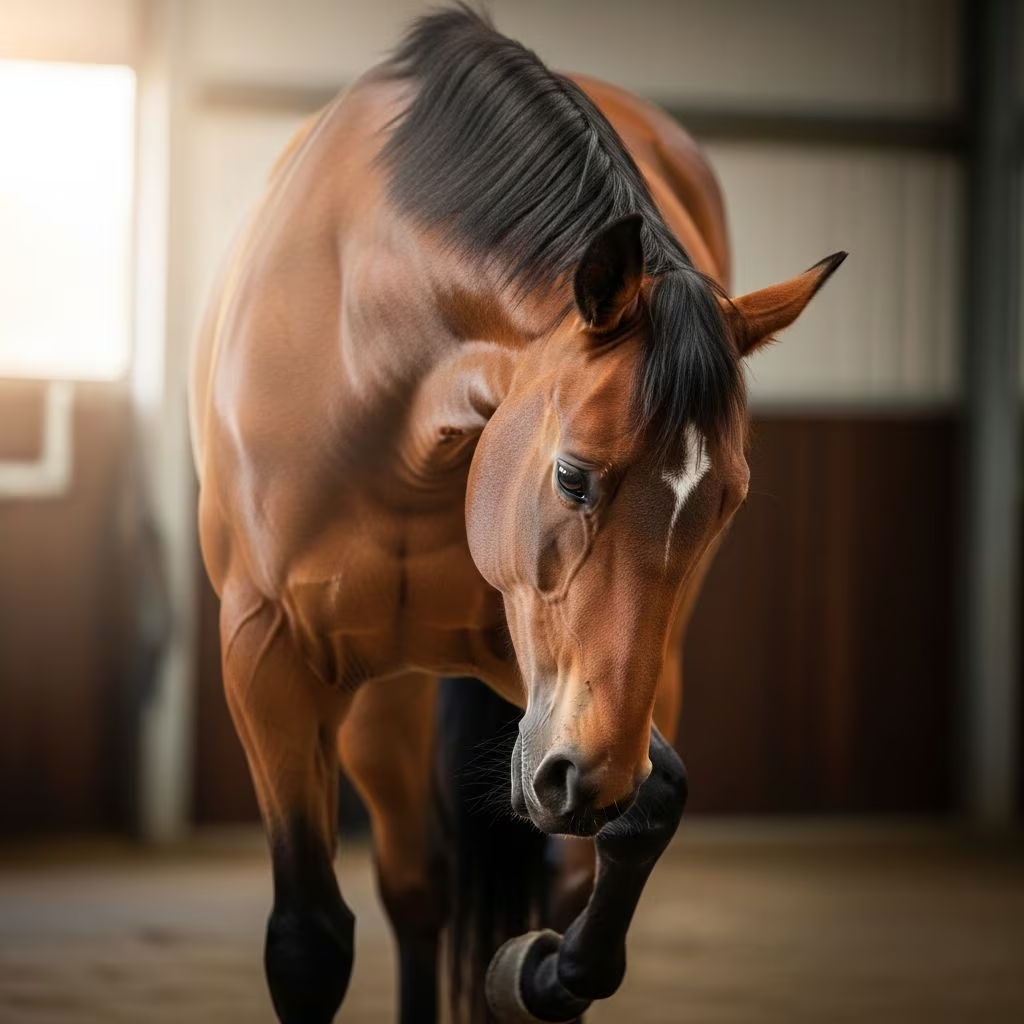
Understanding Horse Colic: A Complete Guide
Horse colic remains one of the most common and serious health concerns for equine owners and veterinarians. Colic refers to abdominal pain in horses, ranging from mild discomfort to life-threatening emergencies. Understanding the nature of colic, recognizing its symptoms early, and implementing comprehensive prevention strategies are essential for any responsible horse owner. This guide provides detailed information about colic symptoms, causes, and proven prevention methods to help you protect your horse’s digestive health.
What Is Horse Colic?
Colic is a general term used to describe abdominal pain in horses, and it can result from various digestive tract issues. The equine digestive system is complex and sensitive, making horses particularly susceptible to colic episodes. Unlike humans, horses cannot vomit, which means digestive problems can quickly become serious. Colic can range from mild, self-resolving cases to severe, life-threatening conditions requiring emergency surgery.
The severity of colic depends on its underlying cause, which may include gas accumulation, impaction, strangulation, or inflammation of the digestive tract. Some cases resolve with conservative medical management, while others require intensive veterinary intervention.
Types of Colic
Understanding different types of colic helps horse owners recognize specific symptoms and respond appropriately:
Gas Colic
Gas colic occurs when excessive gas accumulates in the horse’s intestines, causing bloating and discomfort. This type typically develops from sudden dietary changes, fermentable feed consumption, or stress-related factors that disrupt normal digestion.
Impaction Colic
Impaction colic involves a blockage in the digestive tract where feed material becomes too dry and compacted to pass normally. This condition commonly results from insufficient water intake, low-quality forage, or inadequate exercise. The treatment for impaction colic includes providing analgesics for pain relief, rehydration, and administering laxatives or psyllium to support intestinal function.
Spasmodic Colic
Spasmodic colic involves abnormal muscle contractions in the intestines, disrupting normal digestive movement. This type often responds well to medical management and pain relief medications.
Strangulation Colic
Strangulation colic occurs when a portion of the intestine becomes twisted or trapped, cutting off its blood supply. This is the most serious type of colic and typically requires emergency surgical intervention.
Recognizing Colic Symptoms
Early recognition of colic symptoms is critical for improving outcomes. Horse owners should monitor their animals closely for behavioral and physical changes that indicate abdominal discomfort.
Common Colic Symptoms Include:
- Frequent rolling or attempting to lie down in unusual positions
- Continuous or intermittent sweating, particularly on the flanks and neck
- Restlessness and inability to remain still
- Decreased appetite or reluctance to eat and drink
- Reduced or abnormal manure production
- Elevated heart rate or rapid breathing
- Flank watching or kicking at the belly
- Grunting, groaning, or other vocalizations indicating pain
- Lack of normal gut sounds during auscultation
- General depression or lethargy
If your horse exhibits any of these symptoms, this constitutes a medical emergency, and you should contact your veterinarian immediately. Even seemingly mild symptoms can escalate quickly, making prompt professional evaluation essential.
Risk Factors for Equine Colic
Several factors increase a horse’s susceptibility to colic episodes:
Dietary Factors
Sudden changes to a horse’s diet represent one of the most common colic triggers. The equine digestive system requires time to adjust to new feed types. Additionally, feeding on sandy ground, excessive grain consumption, and poor-quality forage contribute significantly to colic risk.
Hydration and Water Intake
Insufficient water consumption directly contributes to impaction colic. Temperature extremes—both hot and cold—can negatively affect drinking habits. Temperature changes of any sort can trigger colic episodes in susceptible horses.
Parasites and Dental Issues
Internal parasites damage the intestinal lining and can cause impactions leading to colic. Poor dental health prevents proper mastication (chewing) of food, leading to maldigestion and potential blockages.
Stress and Environmental Changes
Horses experiencing changes in environment, transportation, or workload are at elevated risk of intestinal dysfunction. Stress disrupts normal digestive motility and can trigger colic episodes.
Exercise Patterns
Sudden changes in exercise intensity or duration, combined with inconsistent turnout schedules, increase colic vulnerability. Horses require regular, consistent movement to maintain healthy gut function.
Comprehensive Colic Prevention Strategies
Maintain Consistent Feeding Routines
Establishing and maintaining a strict daily feeding schedule is fundamental to colic prevention. Daily essentials include maintaining consistent feeding schedules with adequate forage and avoiding sudden dietary changes. Always introduce new feed gradually over a period of 7-10 days, allowing the horse’s digestive system to adapt. Horses should receive at least 60% of their daily ration as forage (hay or pasture), with a current recommendation of 1-2% of body weight per day in forage.
Provide Continuous Access to Water
The most critical prevention strategy involves hydration management. Horses should have access to fresh, clean water at all times. Add powdered electrolytes when traveling or at horse shows to minimize dehydration risk. The only exception is when a horse is excessively hot, in which case it should be given small sips of lukewarm water until it has recovered.
Implement Quality Forage Feeding
The best way to prevent impaction colic is to offer ad libitum (free choice) access to good quality forage and fresh, clean water as well as keeping your horse’s diet and exercise schedule consistent. Hay is best fed free-choice rather than in limited quantities. When possible, feed hay in a hay net to keep it off the ground and promote slower, grazing-style consumption. This approach mimics natural grazing behavior and supports digestive health.
Minimize Grain and Concentrate Feeding
Limit grain to as little as possible, choosing high fat/low starch options when grain is necessary. Divide daily concentrate rations into two or more smaller feedings rather than one large one to avoid overloading the horse’s digestive tract. This strategy prevents sudden spikes in intestinal fermentation that can trigger gas or spasmodic colic.
Avoid Sandy Feeding Areas
Sand impaction represents a significant colic risk factor. Provide feeding systems that limit the intake of sand and dirt, and avoid putting feed on the ground, especially in sandy soils. If you must feed hay flakes, consider using a hay net to keep hay off the ground.
Establish Regular Exercise Routines
Provide exercise and/or turnout on a daily basis, changing the intensity and duration of exercise regimens gradually. Regular movement promotes healthy gut motility and reduces stress. Engage in regular exercise and relaxation to promote healthy digestion and reduce stress. Allow your horse to cool off adequately before feeding after heavy exercise, as feeding an overheated horse can trigger digestive problems.
Implement Targeted Parasite Control
Set up a regular parasite control program with the help of your equine practitioner, including regular fecal egg counts to ensure you are not creating resistance to dewormers. A significant number of colic cases are caused or made worse by worms, making routine worm testing and targeted treatment essential components of good management. You should also avoid feeding your horse in sandy areas and follow a veterinarian-recommended deworming protocol. Cleaning up manure at least twice a week limits development of other infective parasite larvae in areas where the horse might eat.
Prioritize Routine Dental Care
Poor mastication (chewing) can lead to maldigestion, and esophageal and intestinal impactions. Have your veterinarian check your horse’s teeth on an annual basis until age 18-20, then have bi-annual dental checks and dental floats performed. Routine dental care may be a long-term investment, but regular exams are still cheaper than an emergency colic visit.
Monitor Pasture and Grass Growth
When possible, pasture in non-irrigated fields, and/or use a grazing muzzle to control weight and intake of rich forage. Lush spring grass should be treated as a change of diet for your horse. You can ration this grass by using a strip grazing system in your field. Avoid grazing your horse on heavily sanded soil to reduce sand colic risk. Horses should be pastured on non-irrigated, dryland pasture when possible.
Manage Horse Weight
Obesity and parasites are risk factors for colic, but a conscientious owner can prevent and manage these concerns. A horse should be fed by weight, not volume, because the density of hay varies from bale to bale. If the only pasture option is a rich, irrigated field, many problems, including obesity, can be avoided by fitting a horse with a grazing muzzle or by limiting turnout time.
Reduce Environmental Stress
Minimize stress by maintaining consistent routines and careful management during environmental changes. Horses experiencing changes in environment or workloads are at high risk of intestinal dysfunction. Pay special attention to horses when transporting them or changing their surroundings, such as at shows. Monitor horses closely during weather transitions and adjust management accordingly.
Special Considerations for High-Risk Horses
Certain horses require extra monitoring and preventive care. Monitor any horses that have colicked previously, broodmares for the first two months after foaling, as well as horses taking any non-steroidal anti-inflammatories such as bute or Banamine®. Treating with bute (phenylbutazone) can make horses prone to some types of colic and can hide early signs of colic, so discuss correct dosage levels with your veterinarian.
What to Do If Your Horse Shows Colic Symptoms
If your horse is exhibiting signs of colic, remove any food from their stall, make sure they have access to water, and monitor their manure. Walking can assist in moving gas through the gut and can prevent injury from rolling. Most mild colics will even clear up from walking alone. Call your veterinarian immediately, as immediate response to signs of colic will improve the prognosis and outcome for affected horses.
Medical colic management aims to break the pain cycle and reestablish gastrointestinal function. Treatment may include pain relief medications, laxatives, fluids, and managing the horse’s feeding during recovery. Surgery is required when medical treatment fails to resolve the obstruction or when the horse shows severe, unrelenting pain.
The Importance of Professional Veterinary Care
Prevention focuses on maintaining hydration, providing free-choice forage, and encouraging movement. Avoid feeding from sandy ground, follow a regular deworming schedule, and make dietary changes gradually. Working with your veterinarian to develop a customized prevention plan ensures that your specific horse receives appropriate guidance based on its individual health history and risk factors.
Frequently Asked Questions
Q: How often should I have my horse’s teeth checked?
A: Have your veterinarian check your horse’s teeth on an annual basis until age 18-20, then have bi-annual dental checks and dental floats performed to prevent dental problems from contributing to colic.
Q: What percentage of the horse’s diet should be forage?
A: At least 60% of the daily ration should be forage (hay or pasture), with a current recommendation of 1-2% of body weight per day in forage to maintain digestive health.
Q: Can stress trigger colic in horses?
A: Yes, horses experiencing changes in environment, transportation, or workload are at high risk of intestinal dysfunction. Minimizing stress through consistent routines is an important prevention strategy.
Q: Is colic always a medical emergency?
A: While mild cases may resolve with medical management, colic can escalate quickly into life-threatening situations. Always contact your veterinarian immediately if your horse shows colic symptoms.
Q: How can I reduce sand impaction colic risk?
A: Avoid feeding on sandy ground, use hay nets to keep hay off the ground, and provide feeding systems that limit sand and dirt intake. Consider using non-irrigated pastures when possible.
Q: What role do parasites play in colic?
A: A significant number of colic cases are caused or made worse by worms. Implement a regular parasite control program with fecal egg counts and targeted deworming based on veterinary recommendations.
Q: How should I introduce dietary changes to prevent colic?
A: Always introduce new feed gradually over a period of 7-10 days, allowing the horse’s digestive system to adapt and preventing sudden digestive upset.
References
- Impaction Colic in Horses: Signs, Diagnosis, Treatment & Prevention — Mad Barn. 2024. https://madbarn.ca/impaction-colic-in-horses/
- How to Prevent Colic in Horses: Avoiding a Pain in the Side — Colorado State University College of Veterinary Medicine & Biomedical Sciences. 2024. https://vetmedbiosci.colostate.edu/vth/animal-health/how-to-prevent-colic-in-horses/
- When Every Minute Matters: A Horse Owner’s Guide to Colic Recognition and Prevention — Virginia Tech College of Agriculture and Life Sciences. 2024. https://vth.vetmed.vt.edu/animal-care-tips/colic-recognition-prevention.html
- Colic in Horses: Signs, Treatment, and Prevention — PetMD. 2024. https://www.petmd.com/horse/conditions/digestive/colic-in-horses
- 10 Tips for Preventing Colic — South Shore Equine Clinic. 2024. https://www.ssequineclinic.com/10-tips-for-preventing-colic/
- Horse Colic Prevention and Management — Blue Cross. 2024. https://www.bluecross.org.uk/advice/horse/health-and-injuries/horse-colic-prevention-and-management
- Colic Fact File — Royal Veterinary College Equine. 2024. https://www.rvc.ac.uk/equine-vet/information-and-advice/fact-files/colic



