

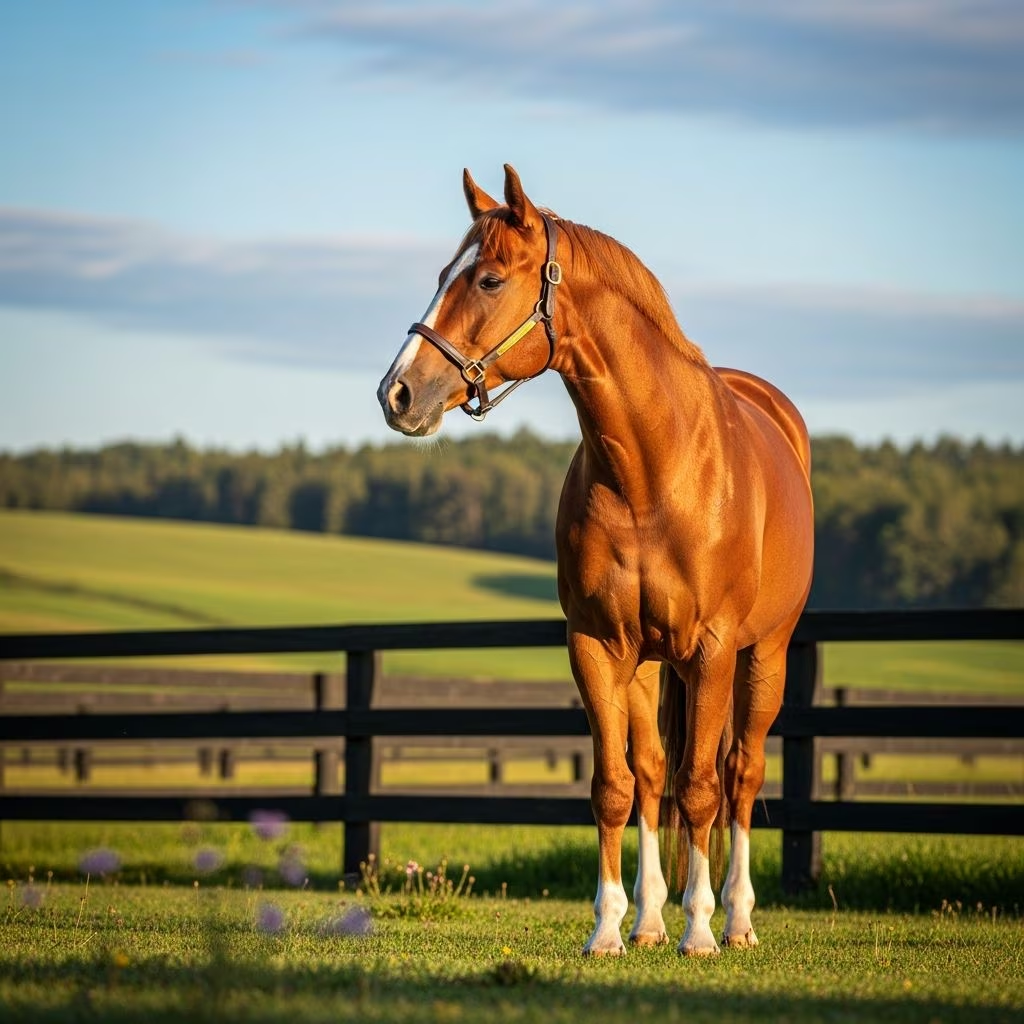
Horses are majestic animals that require dedicated care to thrive. Proper horse care encompasses nutrition, housing, grooming, exercise, veterinary attention, hoof maintenance, and protection from environmental stressors. This guide provides comprehensive advice to ensure your horse remains healthy and happy.
Feeding Your Horse
Horses are herbivores with a digestive system designed for constant forage intake. The foundation of a horse’s diet is high-quality hay or pasture grass, which should comprise the majority of their daily intake—typically 1.5-2% of their body weight. For a 1,000-pound horse, this equates to 15-20 pounds of hay daily. Feed hay in morning and evening routines to mimic natural grazing patterns, maintaining consistency in amounts and timing to support their need for routine.
Supplement hay with small amounts of grain twice daily if needed for energy or specific nutritional requirements, but avoid overfeeding grains to prevent digestive issues like colic. Always provide unlimited access to clean, fresh water—horses drink 5-15 gallons daily, more in hot weather or during exercise. In cold climates, prevent freezing with heated buckets or frequent checks.
For senior horses, monitor weight using the Henneke Body Condition Scoring system (1-9 scale, ideal 5-6). Long winter coats can hide weight loss, so groom regularly and consult a vet or nutritionist for tailored high-fiber, senior-specific feeds if needed. Forage like hay is crucial as horses convert fiber into energy; prioritize it over concentrates.
- Choose dust-free hay to avoid respiratory issues.
- Store feed in sealed containers off the ground to prevent spoilage and pests.
- Introduce dietary changes gradually over 7-10 days.
Housing and Environment
A suitable living environment protects horses from weather while allowing movement. Essential elements include a sturdy shelter—such as a run-in shed, lean-to, or barn stall—and secure pasture access. Shelters should shield from wind, rain, sun, and snow, equipped with bedding (straw or shavings), feed bins, and water sources.
Pastures must be hazard-free: inspect weekly for holes, toxic plants, loose fencing, or sharp objects. Fencing should be smooth wire or wood, at least 4-5 feet high, with no barbed wire. Many owners board horses at facilities for professional care and riding arenas, but research costs and quality beforehand.
Manure management is vital—remove daily from stalls and weekly from pastures to prevent parasite buildup and maintain hygiene. Use wheelbarrows, muck forks, and shovels for efficient cleanup.
Grooming Your Horse
Daily grooming promotes health, strengthens bonds, and enables early injury detection. A basic kit includes a curry comb, stiff dandy brush, soft body brush, mane/tail comb, hoof pick, and sponges. Start with the curry comb in circular motions to loosen dirt and hair, follow with the stiff brush to remove debris, then soft brush for face and legs. Finish by detangling mane and tail, and picking hooves for stones or thrush.
Bathe as needed with equine shampoo, using a sweat scraper to remove excess water. Apply fly spray, masks, sheets, or boots during insect seasons. Check skin for cuts, rubs, ticks, or fungal issues during sessions. For blanketed horses, remove coverings frequently to inspect for sores.
Grooming frequency: daily for stabled horses, every 2-3 days for pastured ones.
Exercise and Fitness
Regular exercise prevents stiffness, maintains muscle tone, and supports mental health. Tailor routines to age, breed, fitness level, and weather—most horses need 1-2 hours daily, including turnout.
Structure sessions with a 10-15 minute warm-up walk, progressing to trot, canter, and optional galloping or jumping. Trail rides or lunging add variety. Pasture turnout counts toward exercise but supplement with riding for performance horses.
- Monitor for swelling, lameness, or fatigue.
- Adjust for weather: limit in extreme heat/humidity.
- Pastured horses self-exercise but benefit from handler-led activity.
Veterinary Care
Annual veterinary exams are crucial, including nose-to-tail checks, dental floats, and vaccinations. Core vaccines protect against tetanus, rabies, West Nile virus, and equine encephalomyelitis per American Association of Equine Practitioners guidelines.
Coggins tests (for equine infectious anemia) are required for travel, typically annually or per state rules. Discuss deworming schedules (fecal egg counts guide fecal egg counts-based programs), nutrition, and behavior issues during visits.
Dental care: Horses’ teeth grow lifelong, needing annual floating to prevent sharp points causing pain or poor chewing. Preventive care catches issues early, including comprehensive physicals assessing all systems.
Hoof Care
Hooves grow continuously (about 1/2 inch per month), requiring farrier visits every 6-8 weeks for trimming, balancing, and shoeing if needed. Daily owner checks remove debris and monitor for cracks, abscesses, or thrush.
Apply hoof conditioners in dry climates. Barefoot horses may go longer between trims; shod ones need precise scheduling. Farriers collaborate with vets for therapeutic needs like laminitis support.
| Hoof Issue | Signs | Action |
|---|---|---|
| Thrush | Foul odor, black ooze | Clean, medicated packing; vet consult |
| Abscess | Sudden lameness, heat | Farrier/vet drainage |
| Cracks | Splits in hoof wall | Trim, sealant; check footing |
Protecting Against Weather
Horses tolerate cold better than heat. Provide shelter, windbreaks, and forage increase (fiber generates body heat) in winter. Blankets prevent chill in clipped or thin-coated horses, but monitor rubs.
In heat/humidity, shade, fans, misting systems, and constant water are essential. Avoid exercise if temperature + humidity exceeds 130 (minimal if over 150). Electrolytes aid heavy sweaters.
Frequently Asked Questions (FAQs)
Q: How often should I feed my horse?
A: Provide hay twice daily (morning/evening) with constant water access; grain in small amounts if needed. Consistency is key.
Q: What vaccinations does my horse need yearly?
A: Core shots for tetanus, rabies, West Nile, EEE/WEE. Vet advises risk-based extras.
Q: How do I know if my horse is at a healthy weight?
A: Use Henneke Body Condition Score (ideal 5-6); hands-on checks over visual.
Q: When should I call the vet?
A: For colic signs (pawing, rolling), lameness, respiratory distress, or appetite loss.
Q: Can I keep a horse in a small paddock?
A: Minimal 1 acre per horse for movement; daily exercise required if confined.
Q: How to board a horse safely?
A: Visit facilities, check farrier/vet access, pasture quality, and owner reviews.
Basic gear: halter/lead (breakaway style), grooming kit, fly protection, water tubs, manure tools. Training items like lunge lines post-purchase for fit.
References
- How to Take Care of a Horse: An Equestrian Owner’s Guide — CC SPCA. Accessed 2026. https://ccspca.com/horses/how-to-take-care-of-a-horse/
- Preparing for Your New Horse — ASPCA. Accessed 2026. https://www.aspca.org/news/preparing-your-new-horse
- Routine Care to Keep Your Right Horse Right as Rain — ASPCA. Accessed 2026. https://www.aspca.org/news/routine-care-keep-your-right-horse-right-rain
- How to Keep Weight on Older Horses — ASPCA. Accessed 2026. https://www.aspca.org/news/how-keep-weight-older-horses
- Mythbusting: Forage and the Equine Diet — ASPCApro. 2023. https://www.aspcapro.org/sites/default/files/aspca_webinar_slides_forage-equine_diet.pdf
- The Power of Preventive Care — ASPCA Pet Insurance. 2023-11. https://vet.aspcapetinsurance.com/cms/wp-content/uploads/2023/11/ASPCA_ThePowerofPreventiveCare_Article_Final.pdf



