

Understanding Essential Horse Care Terminology
Becoming a horse owner is an exciting journey, but it can feel overwhelming when you encounter unfamiliar terminology related to equine health, care, and management. Whether you’re purchasing your first horse, taking riding lessons, or simply wanting to deepen your understanding of these magnificent animals, learning the fundamental language of horse care is essential. This comprehensive guide breaks down the most important horse care terms and concepts that every beginner should know, helping you communicate effectively with veterinarians, farriers, trainers, and other equine professionals.
Basic Horse Anatomy and Health Terms
Understanding fundamental horse anatomy terms helps you identify body parts and discuss health concerns with professionals. These terms form the foundation of equine communication and are essential when describing your horse’s condition or concerns to your veterinary team.
Essential Anatomical Terminology
Withers refers to the highest point of a horse’s shoulder, located where the neck meets the back. This term is crucial when discussing saddle fit and measuring a horse’s height. The croup is the rounded, muscular area at the top of a horse’s hindquarters, just in front of the tail. Understanding these anatomical landmarks helps in assessing your horse’s conformation and overall health.
Fetlock describes the joint in a horse’s leg, similar to the human ankle. The pastern is the area between the fetlock and the hoof, while the coronet band is the sensitive area where the hoof connects to the leg. These lower leg structures are critical for hoof health and overall soundness.
Frog is the V-shaped, spongy structure on the bottom of a horse’s hoof that acts as a shock absorber and helps with traction. Keeping the frog clean and healthy prevents common hoof problems. The sole of the hoof is the curved underside that bears weight, and the bars are the inward-curving walls that provide additional support to the hoof structure.
Daily Care and Management Terms
Horse ownership requires consistent daily care, and understanding the terminology associated with these routines ensures you provide appropriate maintenance for your equine companion.
Essential Daily Care Vocabulary
Mucking out refers to the process of removing soiled bedding and manure from a horse’s stall. This daily task is fundamental to maintaining a clean, healthy living environment and preventing hoof diseases and respiratory issues. When you perform this task, you’re actively contributing to your horse’s health and comfort.
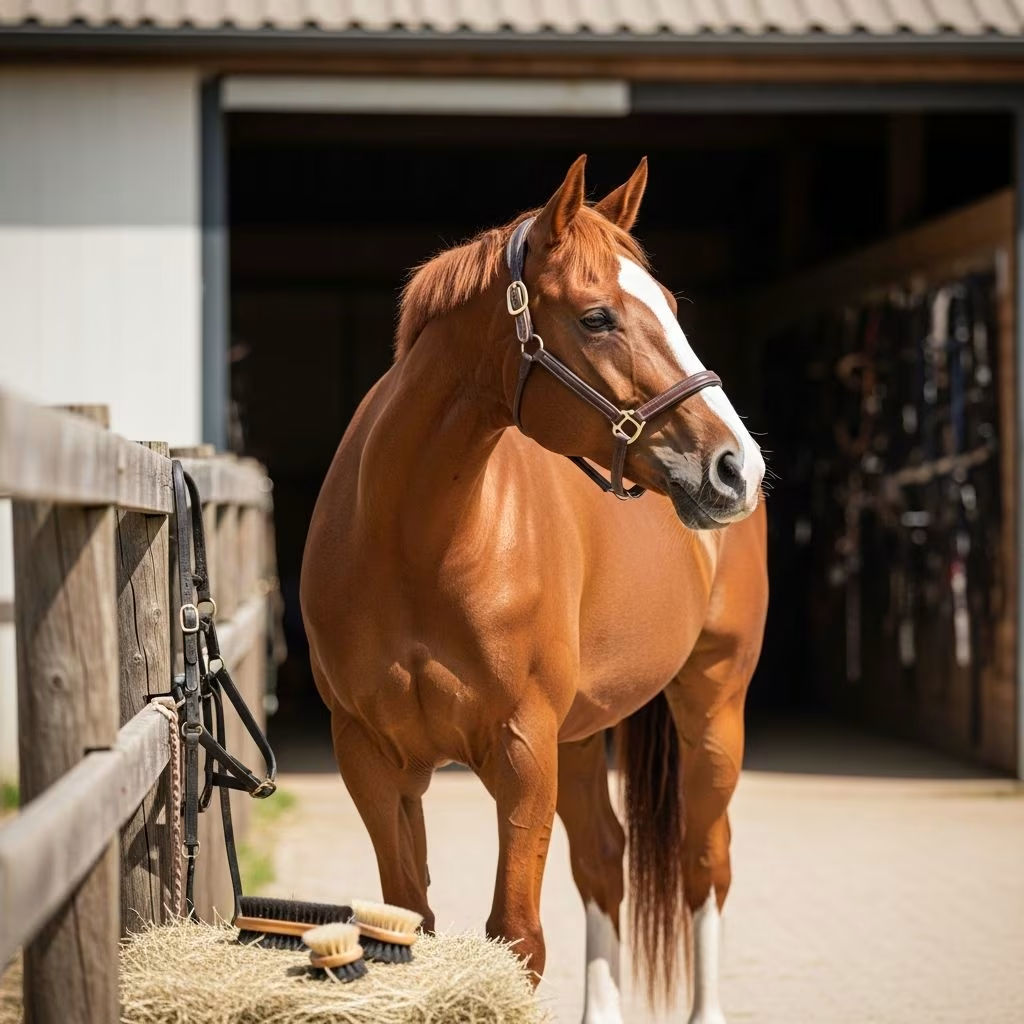
Grooming encompasses the practice of cleaning and brushing your horse’s coat, mane, and tail. Regular grooming serves multiple purposes: it removes dirt and debris, improves circulation, promotes a shiny coat, and allows you to inspect your horse for injuries or abnormalities. Currying specifically refers to using a curry comb in circular motions to loosen dirt and dead hair from the coat.
Hoof picking involves removing debris from the bottom of the hoof using a specialized hoof pick tool. This daily practice prevents bruising, allows the hoof to dry out properly, and helps you identify potential hoof problems early. Farrier work refers to the professional services provided by a farrier, who specializes in hoof care, trimming, and shoeing.
Turnout describes the time a horse spends outside in a pasture or paddock, exercising freely. Adequate turnout is essential for physical exercise, mental stimulation, and social interaction. Hand walking refers to leading a horse on foot for exercise or therapy, particularly beneficial for horses with limited turnout access.
Nutrition and Feeding Terminology
Proper nutrition is fundamental to horse health, and understanding feeding terminology helps you provide balanced, appropriate diets for your equine partner.
Key Feeding and Nutrition Terms
Forage is the bulk of a horse’s natural diet and consists of hay, pasture grass, or other fibrous plant material. Free choice forage means providing hay or grass continuously throughout the day, allowing horses to eat according to their natural grazing patterns. This practice supports digestive health and behavioral well-being.
Concentrates refer to grain-based feed that provides additional calories, protein, and nutrients beyond what forage alone offers. These supplemental feeds are often necessary for performance horses or those with increased energy demands. Supplements are specialized products added to feed to provide specific nutrients like vitamins, minerals, joint support, or digestive aids.
Hay nets are mesh containers that slow hay consumption, extending feeding time and promoting more natural eating behavior. Hay feeders serve the same purpose through various designs, from ground-level troughs to elevated racks. These tools help manage hay waste and prevent horses from consuming too quickly, which supports digestive health.
Water intake refers to the amount of water a horse drinks daily. Monitoring water consumption is crucial because changes can indicate health problems. Horses should have access to clean, fresh water at all times, and water buckets should be cleaned regularly to encourage adequate hydration.
Shelter and Housing Terms
Understanding shelter terminology helps you provide appropriate housing that protects your horse from weather while supporting overall wellness.
Housing and Environmental Vocabulary
Stall refers to an individual enclosed space where a horse lives, typically 10×10 feet or larger. Bedding is the material placed on the stall floor, such as straw, shavings, or pellets, to provide comfort and absorb moisture. Keeping bedding clean and dry prevents hoof diseases like thrush and respiratory problems.
Pasture describes an enclosed outdoor area where horses graze. Paddock is a smaller enclosed area, sometimes without grass, used for exercise or turnout. Run-in shelter or run-in shed provides open-sided protection from weather, allowing horses free access to shade and wind protection.
Fencing is critical infrastructure that safely contains horses and prevents escape or injury. Tether refers to a rope or chain used to tie a horse in place; however, proper tethering requires specific equipment like a swivel attachment and twice-daily inspections to ensure safety and welfare.
Veterinary and Health Care Terms
Building a relationship with equine health professionals is essential, and understanding veterinary terminology facilitates better communication about your horse’s health.
Health and Veterinary Vocabulary
TPR stands for temperature, pulse, and respiratory rate—three vital measurements that indicate a horse’s health status. Temperature is typically 98-101°F, pulse ranges from 30-40 beats per minute at rest, and respiratory rate is 10-14 breaths per minute. Knowing your horse’s normal baseline helps you identify when something is wrong.
Lameness describes abnormal movement or reluctance to bear weight on a limb, often caused by pain or injury. Soundness refers to a horse’s ability to move freely without lameness or discomfort. Thrush is a bacterial or fungal infection of the frog characterized by a foul odor and black discharge, prevented through daily hoof cleaning and dry bedding conditions.
Abscess is a localized collection of pus, often in the hoof, causing significant lameness. Conformation describes the structure and alignment of a horse’s body parts and how this affects movement and soundness. Colic is a general term for abdominal pain, ranging from mild to life-threatening, requiring immediate veterinary attention in severe cases.
Farrier is the professional specialist who provides hoof care, including trimming and shoeing. Equine dentist specializes in horse dental care, including floating (filing) teeth to ensure proper wear and alignment. Veterinarian provides comprehensive medical care, vaccinations, parasite management, and diagnosis of health conditions.
Exercise and Training Terminology
Understanding exercise and training vocabulary helps you communicate with trainers and develop appropriate fitness programs for your horse.
Exercise and Performance Terms
Work refers to any structured exercise or training. Light work includes activities like trail riding or casual riding, while heavy work involves performance events, jumping, or intense training. These distinctions affect nutritional requirements and conditioning needs.
Saddle fit refers to how appropriately a saddle sits on a horse’s back, affecting comfort, performance, and preventing injury. Proper saddle fit is crucial for both horse and rider safety. Tack is the collective term for all riding equipment, including saddles, bridles, and reins.
Conditioning is the gradual process of building a horse’s fitness through structured exercise. Cross-training involves varying exercise types to build overall fitness while preventing overuse injuries. Mental stimulation refers to activities that engage a horse’s mind, such as varied terrain, obstacle work, or new experiences.
Grooming and Hygiene Terms
Regular grooming maintains your horse’s coat, skin, and hoof health while strengthening your bond.
Grooming Techniques and Tools
Brushing uses various tools to clean and smooth the coat. A curry comb loosens dirt and dead hair in circular motions, while a body brush removes finer debris and smooths the coat. Mane and tail care involves gently detangling and conditioning these areas using wide-toothed combs or fingers to prevent hair breakage.
Blanket changing refers to adjusting horse blankets according to temperature and weather conditions. Regular blanket adjustments during colder months prevent overheating or inadequate warmth. Sheath cleaning is the gentle washing of a male horse’s sheath, a routine hygiene task requiring care and appropriate products.
Behavioral and Social Terms
Understanding horse behavior terminology helps you recognize normal behavior and identify stress or health issues.
Behavioral Vocabulary and Concepts
Herd animals describes horses as naturally social creatures requiring companionship for psychological well-being. Socialization refers to the process of exposing young horses to various people, environments, and experiences to develop confidence and reduce behavioral problems.
Flight instinct is the natural impulse to run away from perceived threats, fundamental to horse behavior and training approach. Stereotypies are repetitive behaviors like cribbing (chewing wood) or weaving (side-to-side movement), often indicating stress or inadequate enrichment. Spooking describes a sudden, startled reaction to perceived threats.
Health Monitoring and Prevention Terms
Preventative care is essential to long-term horse health and involves understanding key health management concepts.
Preventative Care and Wellness Terminology
Worming or deworming refers to administering medications to eliminate internal parasites. Regular worming programs, typically following veterinary recommendations, prevent parasite-related health problems. Vaccinations are preventative treatments that build immunity against diseases like tetanus, rhinovirus, and influenza.
Body condition score (BCS) is a system evaluating a horse’s weight and muscle tone on a scale, typically 1-9, helping determine if nutritional adjustments are needed. Health check is the daily practice of observing your horse for cuts, swellings, behavioral changes, or other abnormalities that might indicate illness or injury.
Frequently Asked Questions
Q: What does “sound” mean when describing a horse?
A: A sound horse is one that moves freely without lameness or discomfort. Soundness indicates the horse is physically capable of work without pain or movement abnormalities. Regular veterinary and farrier care maintains soundness.
Q: How often should I have my farrier trim my horse’s hooves?
A: Most horses need farrier attention every 6-8 weeks for trimming. The exact interval depends on hoof growth rate, which varies based on individual horses, seasons, and nutrition. Regular trimming prevents overgrowth and maintains hoof balance.
Q: What is the difference between hay and pasture?
A: Hay is dried forage, typically harvested and stored grass or legumes, providing consistent nutrition year-round. Pasture is fresh, living grass that horses graze directly. Both are forage sources essential to equine diet.
Q: Why is daily grooming important for horses?
A: Daily grooming removes dirt and debris, improves circulation, promotes a shiny coat, prevents skin infections, and allows you to inspect for injuries or abnormalities. Grooming also strengthens your bond with your horse.
Q: What should I include in my daily horse health check?
A: A daily health check involves observing your horse for cuts, swellings, lameness, behavioral changes, appetite changes, or any signs of distress. Monitor temperature, pulse, and respiratory rate when concerned, and contact your veterinarian about any abnormalities.
Q: How much water does a horse need daily?
A: Horses typically drink 5-10 gallons of water daily, depending on activity level, temperature, and diet. They should have constant access to clean, fresh water. Monitoring water intake helps identify potential health issues.
Q: What does “free choice forage” mean?
A: Free choice forage means providing continuous access to hay or pasture throughout the day and night, allowing horses to eat according to their natural grazing patterns. This supports digestive health and reduces behavioral problems.
Q: What is the importance of a farrier?
A: Farriers specialize in hoof care, including trimming overgrown hooves, identifying hoof problems, and fitting horseshoes when necessary. Professional farrier care every 6-8 weeks prevents lameness and maintains overall hoof health.
Building Your Equine Professional Team
No single person possesses all knowledge needed for comprehensive horse care. Building relationships with trusted equine professionals—including your veterinarian, farrier, trainer, and nutritionist—creates a support system essential for your horse’s well-being. These professionals use standardized terminology and concepts to communicate effectively about your horse’s health and care needs. Regular consultation with your professional team ensures your horse receives appropriate preventative care and prompt treatment for any emerging issues.
Conclusion
Understanding horse care terminology is the foundation for becoming a knowledgeable, responsible horse owner. From basic anatomy to daily care procedures, veterinary concepts to behavioral terms, this comprehensive vocabulary enables you to communicate confidently with equine professionals, understand your horse’s needs, and provide appropriate care. As you deepen your horsemanship journey, these terms will become second nature, helping you make informed decisions that support your horse’s health, happiness, and longevity. Regular learning, consultation with professionals, and hands-on experience will continue to expand your knowledge and enhance your relationship with your equine companion. Start with these fundamental terms, and build upon them as your experience and confidence grow.
References
- Basic Horse Care Guide for Beginners — Mad Barn. 2024. https://madbarn.com/basic-horse-care-guide/
- Basic horse care — Agriculture Victoria, Department of Jobs, Precincts and Regions. 2024. https://agriculture.vic.gov.au/livestock-and-animals/horses/basic-horse-care
- A Beginner’s Guide to Horse Care: From Feeding to Grooming — Parelli Canada. 2024. https://canada.parelli.com/blogs/news/a-beginner-s-guide-to-horse-care-from-feeding-to-grooming



