

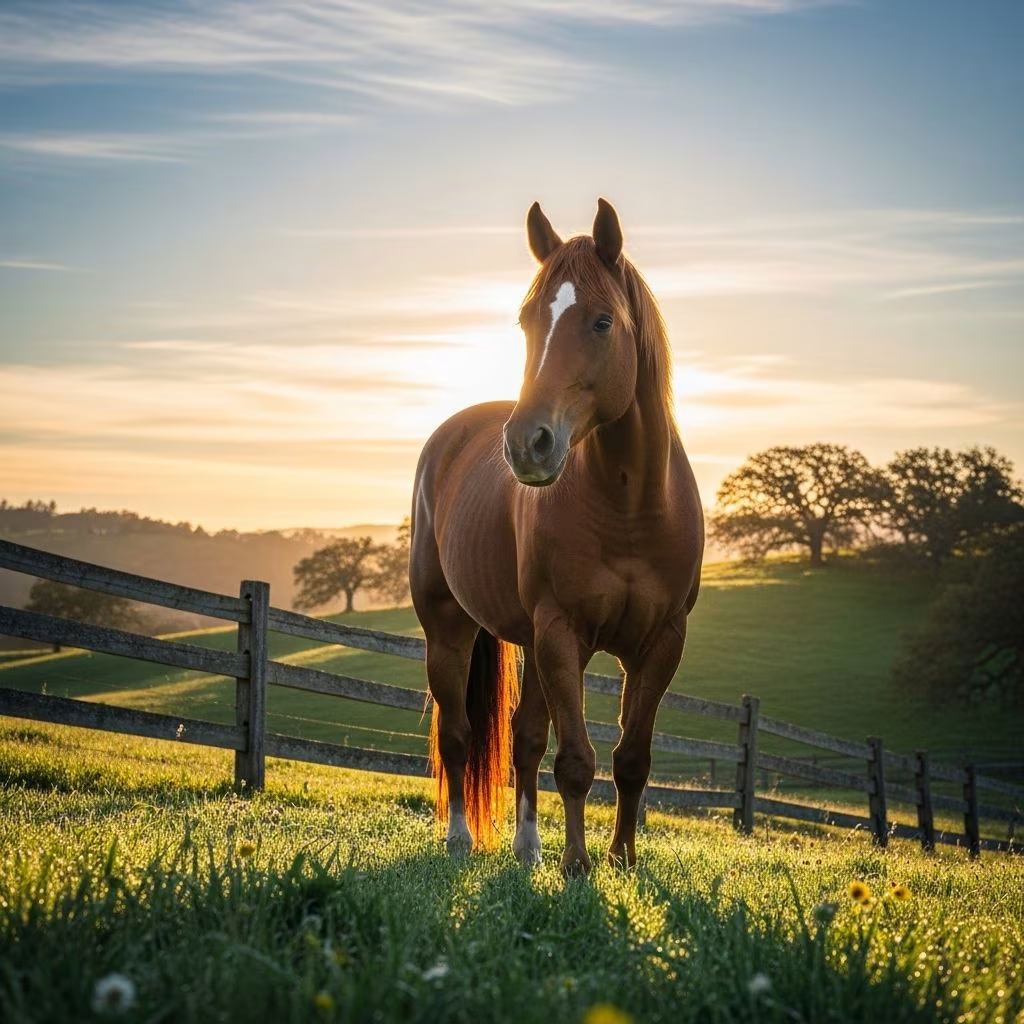
Horse Care Guide: Essential FAQs for Equine Owners
Caring for a horse is a significant responsibility that requires knowledge, dedication, and consistent effort. Whether you’re a first-time horse owner or an experienced equestrian, understanding the fundamentals of proper horse care is essential for maintaining your animal’s health, happiness, and longevity. This comprehensive guide addresses the most frequently asked questions about horse care, providing practical answers to help you become a better steward of your equine companion.
Understanding Your Horse’s Basic Needs
Every horse requires several fundamental elements to thrive: proper nutrition, fresh water, shelter, exercise, and regular veterinary care. These basic needs form the foundation of responsible horse ownership. By establishing a structured routine and understanding each requirement’s importance, you can create an environment where your horse can flourish.
Nutrition and Feeding
What Should I Feed My Horse?
The foundation of equine nutrition is roughage. Horses are grazing animals designed to consume large quantities of forage throughout the day. High-quality hay or fresh grass should comprise the majority of your horse’s diet, providing essential fiber for digestive health. The basic diet for most horses should be grass and good-quality hay, free of dust and mold. Additionally, grain and concentrates may be added based on your horse’s activity level, age, and specific health requirements.
For working horses or those with high energy demands, grain provides necessary calories and nutrients. However, grain should always be introduced gradually and fed in smaller, frequent meals to prevent digestive upset. Always consult with an equine nutritionist or veterinarian to develop a feeding plan tailored to your horse’s individual needs.
How Often Should I Feed My Horse?
Horses are naturally grazing animals that consume forage almost continuously throughout the day. Rather than one or two large meals, horses benefit from frequent, small meals of roughage. Understanding the horse’s digestive system is crucial, as it highlights the importance of frequent, small meals of roughage, and emphasizes the need for grass, high-quality hay, and access to clean water and mineral blocks. Ideally, horses should have access to hay or pasture throughout the day and night. If using grain, divide it into multiple smaller portions and distribute them across the day to maintain stable blood sugar and digestive function.
How Much Should I Feed My Horse?
Feed amounts should be measured according to your horse’s weight, age, activity level, and metabolic rate. As a general guideline, horses typically consume 1.5 to 3 percent of their body weight daily in hay or pasture. A 1,000-pound horse, for example, would consume approximately 15 to 30 pounds of forage daily. Always monitor your horse’s body condition and adjust portions accordingly. Work with your veterinarian or an equine nutritionist to establish appropriate feeding quantities for your specific horse.
Water and Hydration
How Much Water Does a Horse Need?
Providing adequate water is essential for a horse’s health and well-being. Water is critical for digestion, temperature regulation, joint lubrication, and overall bodily functions. A horse can drink 5-15 gallons of water per day, depending on factors such as climate, age, activity level, and diet. A general rule of thumb is to provide at least 10-12 gallons of water per day for an adult horse, though requirements increase during hot weather or intense exercise.
What Type of Water Should I Provide?
Clean, unfrozen water should be available at all times. Water troughs and buckets must be checked at least twice a day and cleaned regularly to prevent algae growth and bacterial contamination. Use fresh water and change it frequently to prevent bacterial growth. In winter, ensure water doesn’t freeze, and in summer, provide shade and monitor water temperature to keep it palatable. Some horses prefer slightly warmed water in cold weather, which can encourage drinking.
Shelter and Environment
What Type of Shelter Does a Horse Need?
Horses require access to shelter at all times, for protection from extreme weather conditions. Shelter may include a physical structure such as a barn or run-in shed, or may be shelter from a tree as well as a physical shelter. A well-maintained shelter should be safe, dry, and protected from harsh elements including wind, rain, snow, and excessive sun. The shelter should provide adequate space for the horse to move freely, lie down comfortably, and stand without restriction.
How Should I Maintain My Horse’s Living Space?
If your horse is stalled, remove all manure and wet bedding daily. This is crucial for respiratory health and preventing thrush, a common hoof infection caused by damp conditions. Stall bedding should be clean, dry, and free from dust or mold. Once a month, completely strip the stall of all bedding, allow the floor to dry out completely before adding fresh bedding. This helps control ammonia levels and bacteria. Additionally, do a quick visual scan of fences and gates in your horse’s turnout area and look for any broken boards, loose wires, or other potential hazards.
Grooming and Hygiene
How Often Should I Groom My Horse?
Grooming keeps your horse clean, comfortable, and healthy. It’s also a great opportunity to bond with your horse and check for any injuries or abnormalities. Daily grooming is recommended to remove dirt, debris, and loose hair. Brush your horse daily to remove dirt, debris, and loose hair using a curry comb followed by a stiff-bristle brush. Additionally, give your horse a deep groom weekly to remove caked-on mud, stimulate circulation, and bring out the natural oils in their coat.
What Grooming Tasks Should I Perform?
Proper grooming encompasses several important tasks. Cleaning hooves daily helps prevent infections like thrush and allows you to check for lodged debris. Gently detangle the mane and tail with your fingers or a wide-toothed comb, using detangling spray to avoid breaking the hair. Bathe your horse occasionally or as needed, especially during warm weather, using horse-specific shampoos to avoid skin irritation. As part of comprehensive grooming, periodically check the sheath or udder area for excessive dirt or bean formation in geldings.
Health and Veterinary Care
How Often Should I Have My Horse Examined by a Veterinarian?
Regular veterinary care is critical to detect potential health issues early. Schedule annual wellness exams, vaccinations, and deworming treatments tailored to your horse’s needs. These routine examinations allow your veterinarian to assess overall health, identify early signs of illness or injury, and adjust care protocols as needed.
What Vaccinations Does My Horse Need?
Work with your veterinarian to establish an annual vaccination and deworming schedule appropriate for your horse’s age, location, and lifestyle. Vaccinations are typically performed yearly for most vaccines with 6-month intervals for some risk-based vaccinations. Core vaccines usually include protection against tetanus, equine encephalitis, and rabies. Your veterinarian may recommend additional vaccines based on your region and your horse’s specific risk factors.
How Often Should I Deworm My Horse?
Deworming is essential for maintaining internal parasite control and overall health. A fecal egg count is often recommended to create a targeted deworming strategy, with minimum yearly recommendations and some horses requiring quarterly counts. All equines should be dewormed with a boticide after the first frost in the fall. Modern deworming programs are increasingly based on fecal egg count results rather than routine treatments, allowing for more targeted and effective parasite management.
What About Dental Care?
Horse teeth grow continuously, which can lead to sharp points that make chewing painful and may cause difficulty eating. Horses need their teeth “floated” (filed down) periodically to prevent sharp points. A minimum recommendation is yearly dental examinations to keep points down and maintain even dentition. Before taking a young horse to training, get their teeth floated, and as your horse ages, schedule regular exams as they may develop rough edges that make eating difficult.
Hoof Care and Farrier Services
How Often Should My Horse’s Hooves Be Trimmed?
Proper hoof care is essential for maintaining a horse’s hooves, mobility, and overall well-being. Most horses need their hooves trimmed or shoes reset every 4-8 weeks. Your horse will need to be on a regular trimming calendar all year, with scheduling coordinated around your event calendar and riding plans. Work with a professional farrier to trim hooves regularly and address any hoof issues promptly.
What Should I Do for Daily Hoof Maintenance?
Clean your horse’s hooves daily to prevent infections like thrush and check for lodged debris. Regular hoof cleaning allows you to identify early signs of problems such as cracks, bruising, or thrush infection. If you’re someone who pulls your horse’s shoes in the winter, work backward from your first show, trail ride, or event to set an appropriate date for your farrier’s first visit.
Exercise and Activity Management
How Much Exercise Does My Horse Need?
Horses are active animals that require regular movement and exercise to maintain physical and mental health. Review your horse’s exercise and training plan for the upcoming week, as consistency is key for maintaining fitness and preventing boredom. The amount of exercise needed varies depending on your horse’s age, fitness level, and intended use. Most horses benefit from daily activity, whether that’s grazing in pasture, lunging, riding, or other forms of movement.
How Should I Plan My Horse’s Exercise Routine?
Establish a consistent routine that includes regular exercise tailored to your horse’s fitness level and abilities. Horses thrive on consistency and predictability, so stick to a regular schedule for feeding, grooming, and exercise. Gradual conditioning programs help build fitness while preventing injury. Whether you’re training for competition or maintaining general fitness, working with an experienced trainer can help develop an appropriate program for your horse’s goals and current fitness level.
Supplies and Equipment Management
What Equipment Should I Maintain Regularly?
Check your saddle, bridle, and any other equipment for wear and tear regularly. Look for cracking leather or stretched stitching, give equipment a wipe-down, and condition leather as needed. Proper equipment maintenance not only extends the life of your gear but also ensures safety and comfort for both horse and rider. Inspect equipment before each use for any signs of damage that could cause injury.
What Supplies Should I Keep on Hand?
Maintain an inventory of your feed, supplements, and first-aid supplies, making a list of anything you need to buy to avoid running out unexpectedly. Go through your equine first-aid kit monthly, replacing any used or expired items from vet wrap and gauze to antiseptic solutions. A well-stocked first-aid kit allows you to address minor injuries promptly and can be critical in emergency situations.
Nutrition Supplements and Minerals
Do I Need to Provide Salt and Minerals?
Yes, horses require adequate mineral intake for bone health, muscle function, and overall well-being. Ensure your horse has access to a salt or mineral block and that it hasn’t been completely consumed or soiled. In addition to providing a salt and mineral block, many horses benefit from additional mineral supplementation, particularly if pasture or hay quality is questionable. Discuss specific supplementation needs with your veterinarian or equine nutritionist.
Frequently Asked Questions About Horse Care
Q: What is the most important aspect of horse care?
A: The most important aspects are providing consistent, high-quality nutrition with adequate roughage, fresh water available at all times, safe shelter from the elements, regular exercise, and preventative veterinary care. These fundamentals form the foundation for all other care practices.
Q: Can I keep a horse at home?
A: Yes, many people successfully keep horses at home. However, you must ensure adequate space, proper shelter, secure fencing, access to water, and ability to provide daily care. Local zoning laws may restrict horse ownership, so check regulations in your area before acquiring a horse.
Q: How do I know if my horse is healthy?
A: A healthy horse should have bright eyes, alert ears, a shiny coat, normal appetite, regular bowel movements, and normal respiration. Check your horse at least daily, ensuring it is not injured or ill and has adequate feed and water. Monitor for any changes in behavior, appetite, or physical condition and consult a veterinarian if the horse is injured or ill.
Q: What should I do if my horse gets injured?
A: For minor injuries, clean the wound and apply an appropriate topical treatment from your first-aid kit. For more serious injuries, call your veterinarian immediately. Serious wounds, lameness, or signs of colic require professional veterinary attention as soon as possible.
Q: How can I establish good horse care habits?
A: Horses thrive on consistency, so establish a routine and stick to it religiously. Create a daily checklist of tasks including feeding, watering, grooming, and basic health checks. Stay educated by attending workshops, reading equine care books, and consulting professionals to stay informed. Build a support network by connecting with other horse owners, veterinarians, and trainers for advice and assistance.
Q: What should I include in my annual horse care calendar?
A: Your annual calendar should include spring deworming and initial vaccines, summer pasture management, fall deworming and booster vaccines, and winter teeth floating. Schedule farrier visits every 4-8 weeks year-round, dental exams annually, and veterinary wellness checks at least once annually. Plan turnout schedules and note any competition dates or trail rides requiring specific preparation timing.
Q: How do I manage horse expenses?
A: Horse ownership requires significant financial commitment including feed, farrier services, veterinary care, equipment, and facility maintenance. Budget for routine expenses and establish an emergency fund for unexpected veterinary costs. Some expenses may be reduced through preventative care and efficient management practices.
Q: What’s the best way to bond with my horse?
A: Regular grooming, consistent daily care, calm handling, and spending quality time with your horse all build strong bonds. Horses are social animals that respond to gentle, consistent interaction. Grooming in particular provides an excellent opportunity to bond while checking your horse’s overall condition.
Building a Comprehensive Horse Care Routine
Successful horse ownership depends on establishing and maintaining a comprehensive care routine. By breaking down horse care into daily, weekly, monthly, and annual tasks, you can create a manageable schedule that ensures nothing is overlooked. Creating a structured horse care routine helps you stay organized, prevent potential health issues, and build a stronger bond with your horse.
Remember that every horse is unique, with individual nutritional needs, health considerations, and behavioral characteristics. What works perfectly for one horse may need adjustment for another. Building a support network of experienced horse owners, veterinarians, and trainers provides invaluable guidance as you navigate the challenges and rewards of horse ownership.
With dedication, education, and consistent effort, you can provide your horse with the excellent care necessary for a long, healthy, and happy life. The investment you make in learning proper horse care practices and implementing them diligently will be reflected in your horse’s health, temperament, and performance.
References
- The Ultimate Horse Care Checklist: Daily, Weekly & Monthly Tasks — Mid South Horse Review. 2024. https://www.midsouthhorsereview.com/the-ultimate-horse-care-checklist-daily-weekly-monthly-tasks
- How to Take Care of a Horse: The Essential Guide for Every Owner — Kawell USA. 2024. https://kawellusa.com/blogs/blog/how-to-take-care-of-a-horse-the-essential-guide-for-every-owner
- Year-Round Horse Care Guide — Horse and Rider. 2024. https://horseandrider.com/western-horse-life/year-round-horse-care-guide/
- Basic Horse Care — Agriculture Victoria, Department of Jobs, Precincts and Regions. 2024. https://agriculture.vic.gov.au/livestock-and-animals/horses/basic-horse-care
- Equine Wellness 101: A Comprehensive Guide to Routine Care and Preventative Measures — Carrollton Equine. 2024. https://carrolltonequine.com/equine-wellness-101-a-comprehensive-guide-to-routine-care-and-preventative-measures-for-your-horse/
- Horse Care — American Society for the Prevention of Cruelty to Animals (ASPCA). 2024. https://www.aspca.org/pet-care/horse-care
- Effective Equine Care Guide — American Veterinary Medical Association (AVMA). 2024. https://www.avma.org/resources-tools/practice-management/effective-equine-care-guide



