

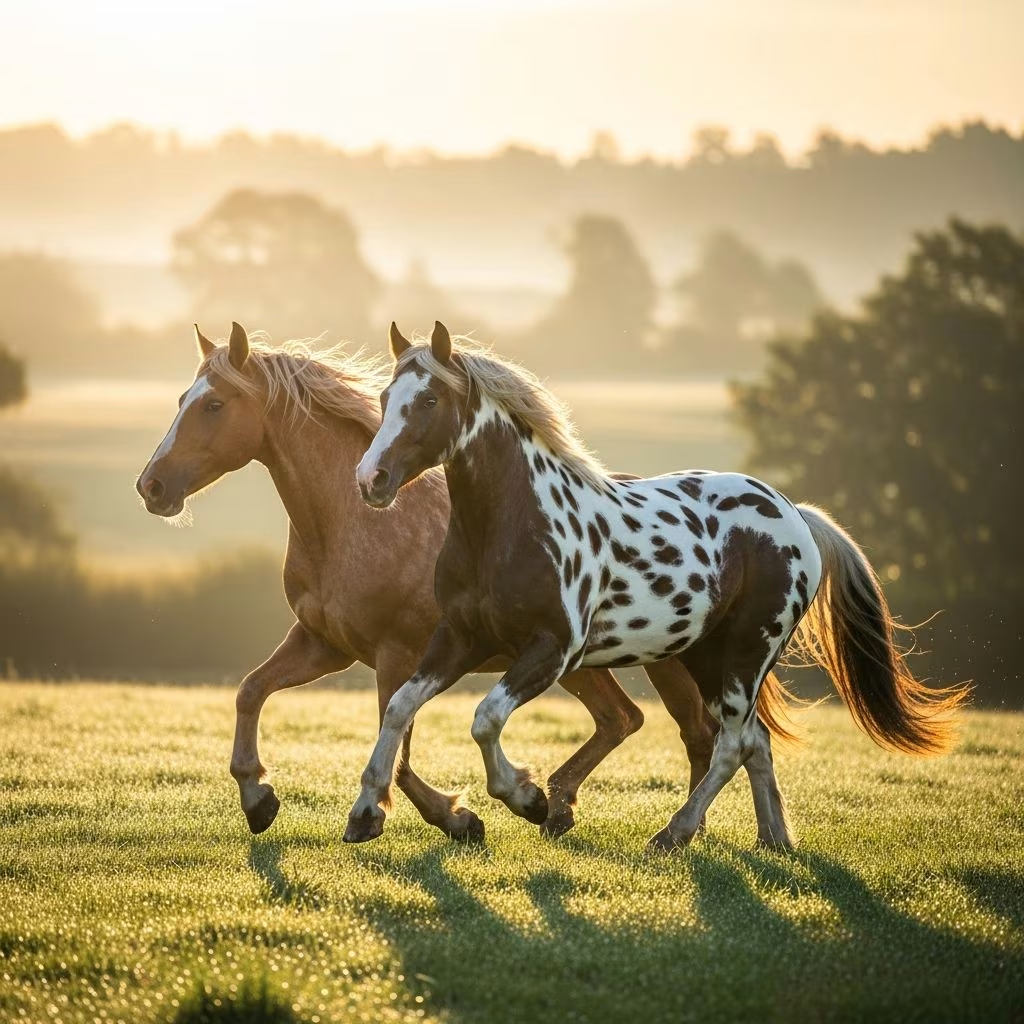
Horse breeds showcase a remarkable variety shaped by centuries of selective breeding for specific purposes, environments, and human needs. From swift racers to powerful pullers, each breed offers unique traits that make them suited to particular roles in sports, work, or companionship. This guide delves into major categories like light horses, warmbloods, ponies, and heavy drafters, highlighting their physical features, origins, and best applications to help enthusiasts choose wisely.
Understanding Horse Breed Categories
Horses are broadly classified into three main types: light horses for speed and riding, heavy or draft horses for pulling loads, and ponies for smaller riders or harsh terrains. Light horses emphasize agility and are common in racing and jumping, while drafts prioritize strength and endurance. Ponies, though small, often match larger horses in capability.
- Light Horses: Bred for speed, elegance, and performance in equestrian sports.
- Warmbloods: Versatile athletes developed for modern competitions like dressage and eventing.
- Draft Horses: Massive builds designed for agricultural and transport work.
- Ponies: Compact, hardy equines ideal for children or rugged conditions.
Light Horse Breeds: Speed and Grace
Light horse breeds dominate racing, show jumping, and recreational riding due to their slender frames, long legs, and spirited natures. These horses typically range from 15 to 17 hands and excel in disciplines requiring quick movements and stamina.
Thoroughbreds: The Racing Icons
Originating in England, Thoroughbreds are synonymous with horse racing thanks to their exceptional speed and athletic prowess. They feature lean bodies, deep chests, and long, slender legs that enable powerful strides. Beyond tracks, their intelligence and work ethic suit eventing and jumping. Temperaments vary but often include high energy and sensitivity, requiring experienced handlers.
Standardbreds: Harness Racing Specialists
Developed in America, Standardbreds shine in harness racing with their pacing or trotting gaits at sustained speeds. Their muscular builds, solid bones, and long strides support endurance over distances. Off the track, they adapt well to trail riding and pleasure driving, offering calm dispositions.
| Breed | Height | Primary Use | Key Traits |
|---|---|---|---|
| Thoroughbred | 15-17 hands | Racing, eventing | Speed, agility, spirit |
| Standardbred | 14-16 hands | Harness racing, trails | Stamina, steady gait |
Warmbloods: Elite Sport Horses
Warmbloods represent a cross between light horses and heavier types, bred for competitive sports. They stand tall, around 16-17 hands, with balanced conformations for dressage, show jumping, and eventing. Known for trainability and calm temperaments, they bridge power and finesse.
Hanoverian: Versatile Competitors
From Germany, Hanoverians are prized for their athleticism and rhythmic gaits. Long legs and strong hindquarters provide impulsion ideal for high-level dressage and jumping. Their willing attitudes make them accessible to amateurs and pros alike.
Dutch Warmblood: Elegant Athletes
These Dutch horses combine strength with elasticity, excelling in Olympic disciplines. Smooth gaits and natural balance define their movement, paired with a composed demeanor.
Holsteiner: Power and Precision
Another German breed, Holsteins offer muscular power for jumping while maintaining light, elastic movement. Straight profiles and solid joints enhance durability in demanding sports.
Baroque and Colored Breeds: Beauty and Presence
Breeds like Andalusians and Friesians captivate with dramatic looks and fluid motions, rooted in historical roles from war to performance.
Andalusian: Spanish Elegance
The Pure Spanish Horse boasts a muscular frame, broad back, and powerful quarters, standing 15-16 hands. Their agility shines in classical dressage and equitation, with intelligent, cooperative natures.
Friesian: Majestic Blacks
From the Netherlands, Friesians feature luxurious manes, tails, and feathered legs on a black coat. Rhythmic trots make them dressage stars, though their size suits driving too. Calm yet spirited, they impress in shows.
Gypsy Vanner: Feathered Charms
This colorful draft-type has abundant feathering and flowing hair, blending strength with grace. Pintos with friendly, people-oriented temperaments excel as family horses for driving or light riding.
Pony Breeds: Small but Mighty
Ponies under 14.2 hands thrive in youth programs, driving, and endurance, often hardy against tough weather.
Welsh Sections: Refined Ponies
The Welsh family includes four sections varying by size and build. Section A (Mountain Pony, max 12 hands) has delicate heads and free movement for riding. Section B (13.2 hands) adds speed for children’s mounts. Section C offers cob strength for jumping, while Section D cobs (over 13.2 hands) power through work with muscular frames.
- Section A: Sweet-faced, hardy for hills.
- Section B: Agile riding ponies.
- Section C: Stocky jumpers.
- Section D: Strongest cobs for adults.
Shetland: Toughest Minis
Max 10.2 hands, Shetlands pack strength into small bodies with broad heads and short legs. Originating from harsh isles, they endure poor forage and suit driving or leadline classes.
Haflinger and Fjord: Golden Workers
Haflingers (13-15 hands) glow in golden chestnut, pulling or carrying riders with stamina. Norwegian Fjords, dun-colored with striped manes, offer compact endurance for trails.
Draft Horses: Powerhouses of Labor
Heavy breeds like Belgians and Clydesdales pull plows or logs, towering at 16-18 hands with massive bones and calm dispositions.
Belgian: Ancient Strength
From Belgium, these chestnuts mature fast and live long, ideal for farm work with square heads and rounded hindquarters.
Drafts transitioned from fields to shows, where their feathered legs and gentle giants’ reps shine.
Choosing Your Ideal Breed
Selection hinges on use: racers pick Thoroughbreds, families opt for Gypsy Vanners or Welsh, competitors choose Warmbloods. Consider size, temperament, and maintenance—feathered breeds need grooming.
| Activity | Recommended Breeds |
|---|---|
| Dressage | Andalusian, Friesian, Hanoverian |
| Jumping | Dutch Warmblood, Holsteiner, Welsh C |
| Driving | Haflinger, Shetland, Standardbred |
| Trail/Endurance | Fjord, Haflinger, Mustang |
Frequently Asked Questions
What is the most versatile horse breed?
Warmbloods like Hanoverians adapt to multiple sports due to balanced traits.
Are ponies suitable for adults?
Yes, sturdy ones like Welsh D or Fjords carry adults comfortably.
Which breeds are best for beginners?
Calm options such as Haflingers, Quarter Horses (implied versatile), or Gypsy Vanners.
How do draft horses compare in temperament?
They are notably docile, making them safe for handling despite size.
What colors are common in sport horses?
Solids like bay, black, chestnut prevail, with minimal markings.
Care Tips Across Breeds
All require hoof care, nutrition tailored to work level, and exercise. Light breeds need joint support; drafts benefit from low-starch diets. Regular vet checks prevent issues like feathering-related dermatitis.
References
- A Beginner’s Guide to Horse Breeds — Equus Magazine. 2023-08-24. https://mynewhorse.equusmagazine.com/2023/08/24/a-beginners-guide-to-horse-breeds/
- A guide to different horse breeds — Horse & Country TV. N/A. https://horseandcountry.tv/horse-breeds-guide-different-uk-horse-breeds
- Horse breeds | Heavy, Light, Pony, Domestication, & Facts — Britannica. N/A. https://www.britannica.com/animal/horse-breeds
- Horse Discovery: Breeds — University of Kentucky Animal & Food Sciences. N/A. https://afs.mgcafe.uky.edu/equine/horse-discovery/breeds
- Top 14 Most Popular Horse Breeds in North America — Mad Barn. N/A. https://madbarn.com/popular-horse-breeds/



