

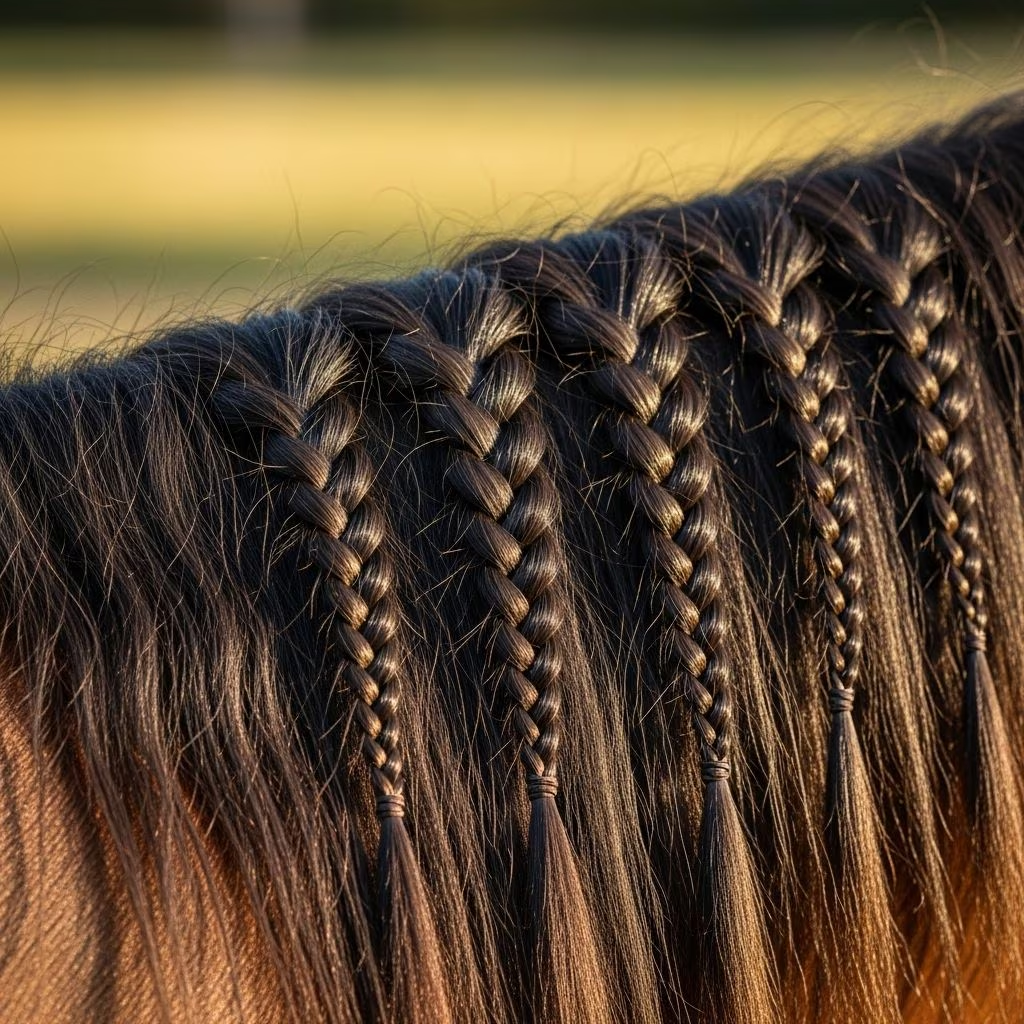
Horse Braids to Try on Your Horse’s Mane
Braiding your horse’s mane is more than just an aesthetic enhancement—it’s a fundamental skill for equestrian enthusiasts, whether you’re preparing for a show or simply want to keep your horse’s mane neat and manageable. A well-braided mane can showcase your horse’s neck, improve their appearance, and demonstrate your dedication to proper horse care. Whether you’re a beginner or an experienced braider, understanding the various braiding styles available will help you choose the perfect look for any occasion.
Essential Tools and Materials
Before you begin braiding, gather the necessary tools to ensure a smooth and successful braiding experience. Having the right equipment makes the process easier and helps you achieve professional-looking results.
- Mane Comb: Used to divide the mane into sections and smooth out tangles or knots before braiding
- Braiding Bands or Rubber Bands: These secure the braids in place and come in various colors to match your horse’s coat or event colors
- Braiding Spray or Detangler: Makes the mane easier to work with by softening and detangling the hair, reducing breakage
- Hair Clips: Keep sections of mane organized and out of the way while you work on individual braids
- Embroidery Needle: Essential for securing yarn in button braids and hunter tails
- Yarn: Used in hunter braids and button braids to create a polished, finished appearance
- Scissors: For trimming yarn and tidying up the ends of braids
Preparing Your Horse’s Mane
Proper preparation is crucial for achieving beautiful, long-lasting braids. A well-prepared mane not only looks better but is also easier to braid and less prone to damage during the braiding process.
Start by washing your horse’s mane thoroughly and allow it to dry completely. A clean mane is easier to work with and will hold braids more effectively. Before you begin braiding, trim or cut the mane to an appropriate length. A general rule of thumb is that the mane length should be about the width of a hand—typically three to four inches. This length is ideal for creating neat braids without excess hair that becomes difficult to manage.
Apply a braiding spray or detangler product evenly throughout the mane using a fine-tooth comb. This step is essential as it helps prevent hair breakage and makes the mane smoother and easier to divide into sections. Work the product through the entire mane with your comb, ensuring even distribution from the roots to the ends.
Basic Braiding Techniques
Dividing Your Mane into Sections
Creating even sections is the foundation of successful braiding. Use a mane comb or your fingers to divide the mane into equal sections. The number of sections will depend on your horse’s mane thickness and your desired final look. As a general suggestion, always aim for an odd number of braids, as this creates a more balanced and aesthetically pleasing appearance.
To create braids of even thickness and size, split the mane into tufts of equal width. For a thicker mane, you may need more sections to prevent individual braids from appearing too large and wobbly. Conversely, for a thinner mane, fewer, larger braids may be more appropriate. Use a hair clip as a marker to section off portions of mane that are consistent in width—typically as wide as two to three teeth on the clip.
Tightness and Technique
When braiding, aim to create braids that are as tight as possible without causing discomfort to your horse. A tight braid will hold better throughout the day and maintain its shape, especially important if you’re preparing for a competition. However, ensure the braid isn’t so tight that it causes tension or discomfort. With each crossover during braiding, place your thumb on top of the hair to hold it in place and keep the braid secure.
Braid each section all the way down to the end, ensuring no strands stick out. This attention to detail creates a polished, professional appearance. Work section by section, maintaining consistent tension throughout each braid.
Popular Horse Mane Braiding Styles
French Braid (Crest French Braid)
The French braid is a classic three-strand braid style that creates an elegant, interweaved appearance along the crest of your horse’s neck. This style is popular in dressage and eventing competitions.
How to Create a French Braid:
- Begin by gathering a small section at the top of the mane, near the poll
- Separate this section into three smaller strands
- Gather a small section from the outside and add it to your outside section
- Cross this strand over the middle strand
- Repeat this process on the opposite side, alternating and working your way down the horse’s neck
- Continue adding hair from the outer edges as you progress
- Pull the hair down firmly as you go to keep the braid tight and flush to the horse’s forehead
- Continue braiding until you reach the end of the mane
Tips for Success: Use small sections and keep the braid fairly tight so it doesn’t come out, but not so tight it causes discomfort to your horse. French braids are elegant but require practice to perfect.
Button Braids
Button braids are rolled braids that create a neat, polished appearance. They’re particularly popular in hunter and jumper competitions. The braids are rolled up and secured with rubber bands at the base, creating small “buttons” along the mane.
How to Create Button Braids:
- Divide the mane into even sections using rubber bands
- Divide each section of hair into three smaller strands and braid tightly
- Braid all the way down to the ends of the hair
- Secure the end of the braid with a rubber band
- Fold the braid up and roll it into a button shape
- Secure the rolled braid with another rubber band around the base
- For a more finished look, sew the yarn into the braids using an embroidery needle
Tips for Success: Consider the thickness and length of the mane before starting. More braids may be needed for thick manes to prevent them from looking too large. You can also adjust the number of braids according to your horse’s neck length—fewer braids can give the impression of a shorter neck, while more braids can make the neck appear longer.
Hunter Braids with Yarn
Hunter braids combine traditional braiding with yarn to create a refined, competition-ready appearance. This style is especially popular in hunter/jumper disciplines.
How to Create Hunter Braids:
- Prepare yarn by cutting 40 pieces to twice the length of your elbow to your thumb
- Section off a portion of mane and spray it with water or grooming product
- Split the selected section into three even parts to start your braid
- Braid three-quarters of the way down the hair, then select a piece of yarn
- Lay the yarn so the middle of its length is on top of where the braiding stops
- Resume braiding, crossing the hair over the piece of yarn as you continue
- Continue braiding the mane and yarn as far down as possible
- Trim the hair at the bottom of the braid at an angle to create a natural point
- Tie off the yarn with a secure knot
Tips for Success: Try to braid the same number of twists on every braid for consistency. This creates a uniform appearance across all your horse’s braids. Remove the hair clips between sections to duplicate the same width all the way down the mane.
Dutch Braids
Dutch braids are similar to French braids but created by braiding under strands rather than over them. This creates a raised, three-dimensional appearance that stands out beautifully on your horse’s mane.
Key Differences from French Braids: While French braids involve crossing strands over the middle, Dutch braids involve crossing strands under. This subtle difference creates a distinctly different visual effect that many riders prefer for certain disciplines and occasions.
Forelock Braiding
The forelock is an important part of the overall braided appearance and requires special attention. A well-braided forelock completes the polished look of your horse’s entire braided mane.
How to Braid the Forelock:
- Wet the horse’s forelock and smooth all the hair down
- Section off the top of the braid, near the bridle path, into three equal parts
- Begin a French braid, crossing the three sections
- As you braid, pull a little bit of hair from the outer edge of the forelock from just below your initial three sections
- Add the outer hair to the closest section you have crossed over
- Continue adding from the other edges as you braid, alternating from side to side
- Work your way down the forelock, pulling the hair down as you go to keep it tight and flush
- Continue French braiding until you reach the end of the forelock base, then switch to traditional braiding technique
- Add yarn halfway down, similar to the mane braiding process
- Finish with a secure knot
Advanced Braiding Tips and Tricks
Using Forelock Tools
A specialized forelock tool can make braiding between your horse’s ears significantly easier and safer. These tools help you position the hair correctly without constantly reaching between the ears, reducing the risk of spooking your horse while working in this sensitive area.
Needle and Yarn Loop Technique
An embroidery needle combined with a yarn loop can speed up the braiding process, especially when creating button braids or hunter tails. To create this tool: take a ten-inch piece of yarn, thread one end through the needle’s eye, bring the ends together, and tie with a slip knot. Put your yarn pieces from a braid through the yarn loop, put the needle through the base of the braid, and pull the yarn pieces through the crest. This method is faster than using an embroidery needle alone.
Preventing Hair Breakage
When removing braids, always cut the bands rather than pulling them out. This simple step significantly reduces hair breakage and keeps your horse’s mane healthy. Yanking out rubber bands can snap hair and damage the mane, so taking the extra minute to cut them is well worth the effort.
Keeping Sections Organized
While braiding one tuft, keep the rest of the mane out of the way using a hair clip. This prevents accidental mixing of sections and helps you maintain clear separation between braids.
Adjusting Braid Appearance
You can manipulate your horse’s neck appearance through braid placement and number. Fewer, larger braids create the illusion of a shorter neck, while more, smaller braids can make the neck appear longer. This technique is useful for enhancing your horse’s conformation and presentation in the show ring.
Braiding for Different Disciplines
Dressage Braiding
Dressage competitions typically feature button braids or French braids, creating a neat, uniform appearance that showcases the horse’s neck and movement. Button braids are particularly popular in dressage, with an odd number of braids positioned symmetrically along the mane.
Hunter/Jumper Braiding
Hunter and jumper classes favor hunter braids with yarn, which create a polished, refined appearance. These braids demonstrate attention to detail and horsemanship, both highly valued in these disciplines.
Eventing Braiding
Event horses may have different braiding styles depending on which phase the rider is competing in. Dressage phases typically feature button or French braids, while cross-country and show jumping may have simpler braiding or even loose manes depending on preferences and safety considerations.
Troubleshooting Common Braiding Problems
Uneven Braids
If your braids appear uneven in size or texture, revisit your sectioning process. Ensure each section of mane is exactly the same width before beginning to braid. Additionally, check that you’re maintaining consistent tension throughout each braid.
Braids Coming Loose
If braids don’t hold throughout the day, try tightening them or using a stronger braiding product. Ensure you’re braiding all the way to the ends of the hair and securing with properly sized rubber bands. Some horses may require extra-tight braids due to the texture of their mane.
Hair Breakage
Use detangler and braiding spray liberally to minimize breakage. Never skip the preparation steps, as they make braiding easier and less damaging. When removing braids, always cut the rubber bands rather than pulling them out.
Frequently Asked Questions
Q: How often should I braid my horse’s mane?
A: This depends on your needs. Show horses may have fresh braids for each competition, while trail horses might have braids done occasionally for appearance or mane management. For everyday horses, braiding once monthly or as needed for appearance is typically sufficient.
Q: Can I leave braids in my horse’s mane for extended periods?
A: While some braids can stay in for several days, it’s generally recommended to remove them within a few days to prevent hair damage and discomfort. Extended braiding can cause tension on the hair follicles and lead to breakage.
Q: What’s the best way to remove braids?
A: Always cut the rubber bands with scissors rather than pulling them out. Gently work your fingers through the braid to loosen it, starting from the bottom and working upward. This minimizes hair breakage and keeps your horse’s mane healthy.
Q: How long does it take to braid a horse’s mane?
A: Time varies based on your experience level and mane thickness. Beginners might take 45 minutes to over an hour, while experienced braiders can often complete a full mane in 30-45 minutes.
Q: Can I braid any horse’s mane?
A: Most horses can have their manes braided, but mane length and texture affect the process. Shorter or very thin manes are more challenging to braid. Generally, a minimum mane length of two to three inches is needed for successful braiding.
Q: Should I use braiding spray on my horse’s mane?
A: Yes, braiding spray or detangler is highly recommended. It makes the mane easier to braid, helps prevent breakage, and keeps braids looking neater. It also makes the braiding process smoother and quicker.
Q: What color rubber bands should I use?
A: Choose rubber bands that match your horse’s coat color for a seamless appearance, or select colors that coordinate with your event colors or barn colors. Clear bands are also a popular choice that works with any color horse.
References
- Guide: How to Braid Your Horse’s Mane — Maya Delorez. Retrieved from mayadelorez.com. https://www.mayadelorez.com/insights/braiding-guide
- How to Braid a Horse’s Mane – AQHA — American Quarter Horse Association. Retrieved from aqha.com. https://www.aqha.com/-/how-to-braid-a-horse-s-ma-1
- Horse Braiding: A Guide to Achieving a Stunning Mane — Hes-Tec. Retrieved from hes-tec.com. https://hes-tec.com/blogs/nieuws/horse-braiding-a-guide-to-achieving-a-stunning-mane
- 5 Genius Horse Braiding Hacks — Braid Secrets. Retrieved from braidsecrets.com. https://braidsecrets.com/5-genius-horse-braiding-hacks/
- Braids to Try On Your Horse – The Narrow Trail — The Narrow Trail. Retrieved from thenarrowtrail.com. https://thenarrowtrail.com/braids-to-try-on-your-horse/
- 10 Easy Steps to Perfect Plaits & Braids for Your Dressage Competition — Ridely. Retrieved from ridely.com. https://ridely.com/10-easy-steps-to-perfect-plaits-braids-for-your-dressage-competition/



