

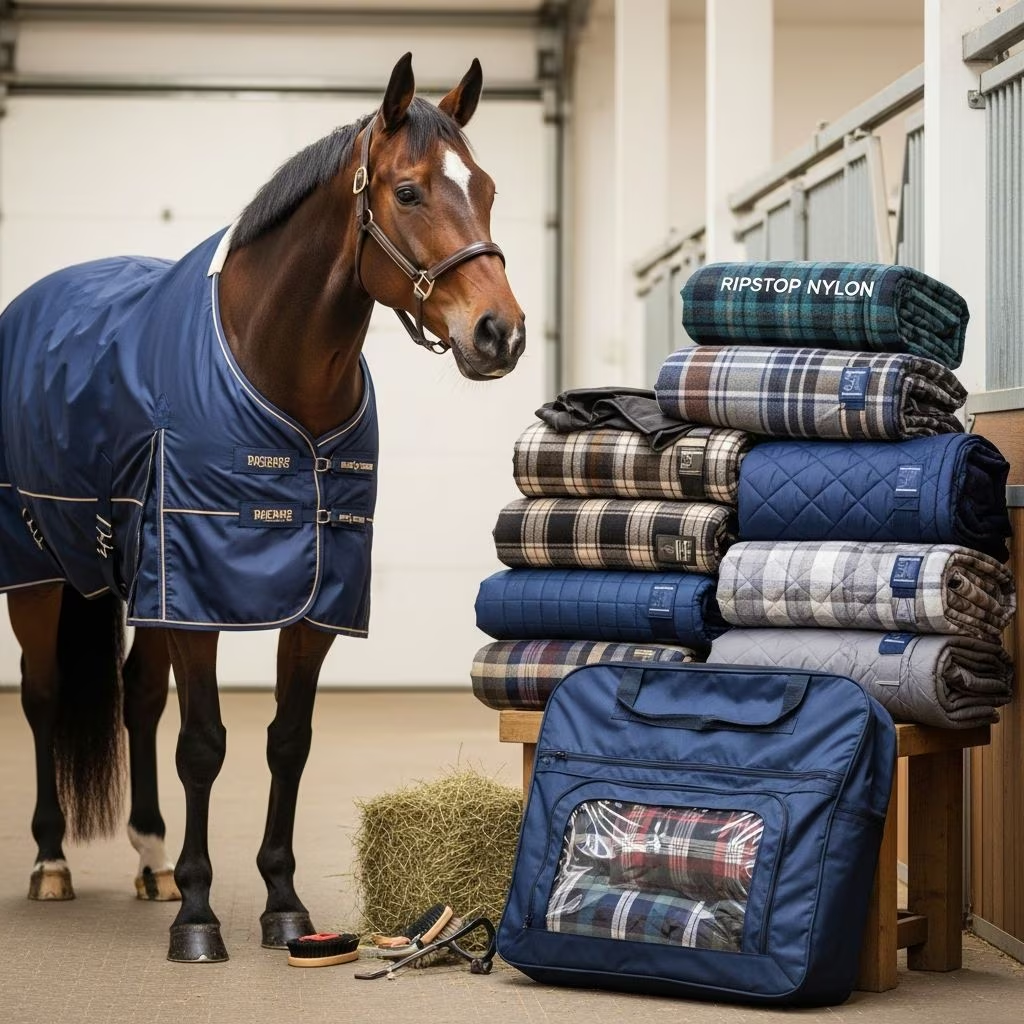
Understanding Horse Blankets: A Complete Guide
Selecting the right blanket for your horse is one of the most important decisions you’ll make as an equestrian. A properly chosen blanket keeps your horse comfortable, healthy, and protected from the elements throughout the year. Whether you’re preparing for winter weather or managing summer conditions, understanding the different types of blankets, their construction, and how to fit them properly ensures your horse gets the protection it needs. This comprehensive guide covers everything you need to know about horse blankets, from basic types to advanced fitting techniques and seasonal considerations.
Types of Horse Blankets and Sheets
Horse blankets come in several distinct varieties, each designed for specific purposes and weather conditions. The two primary categories are sheets and blankets, which differ primarily in their insulation levels and intended use.
Sheets vs. Blankets: Understanding the Difference
A sheet is a lightweight covering that typically has no fill or minimal insulation, making it ideal for mild weather protection or as a layering piece. Sheets provide a protective layer without adding significant warmth, making them suitable for transitional seasons or as rain protection. A blanket, by contrast, includes fill material that provides insulation to keep your horse warm during colder temperatures.
Turnout Blankets and Sheets
Turnout blankets and sheets are specifically designed for horses spending time outside in the pasture. These options feature waterproof or water-resistant exterior materials with breathable membranes to keep your horse dry while allowing moisture to escape. Turnout blankets combine the warmth of a stable blanket with the weatherproofing needed for outdoor conditions, making them available in various weights to accommodate temperature fluctuations throughout winter. They typically feature reinforced stitching and durable materials to withstand the rigors of outdoor wear.
Stable Blankets
Stable blankets are designed for use when your horse is in the barn. These blankets are not waterproof, allowing them to be lighter in construction and more comfortable for indoor wear. Stable blankets focus on warmth retention without the heavy-duty weatherproofing of turnout options, making them ideal for controlled indoor environments.
Blanket Construction and Layers
Understanding how blankets are constructed helps you appreciate the engineering behind these essential equine garments. Most horse blankets consist of three primary layers, each serving an important function.
The Lining Layer
The lining is the innermost layer that comes into direct contact with your horse’s coat. Typically made from cotton, poly-cotton, nylon, or mesh materials, the lining reduces friction and helps polish your horse’s coat. Cotton and poly-cotton linings are absorbent, making them comfortable for horses with sensitive skin. Nylon linings help smooth the coat and reduce static, while mesh linings enhance air flow and moisture management, making them ideal for horses that sweat heavily or have respiratory sensitivities.
The Fill Material
The fill, or stuffing, is what provides warmth and insulation. Blanket fill typically ranges from 0 to 300+ grams, with the amount determining the blanket’s warmth capacity. The fill material is often made from synthetic fibers, wool, or fleece that trap body heat without adding excessive weight. Higher-quality fills provide better insulation while remaining breathable, preventing moisture accumulation that could make your horse uncomfortable.
The Shell Layer
The outermost shell layer protects your horse from the elements. This exterior material must be durable enough to withstand outdoor conditions, fence lines, and daily wear. For turnout blankets, the shell features a waterproof coating and breathable membrane that prevents water penetration while allowing vapor to escape, keeping your horse warm and dry. For stable blankets, the shell may be simpler, focusing on durability and comfort rather than weatherproofing.
Blanket Weight Classifications
Horse blankets are categorized by weight, measured in grams of fill per square inch. This classification system helps you select the appropriate blanket for current temperature conditions and your horse’s individual needs.
Fill Weight Categories
Understanding the different weight categories makes selecting the right blanket straightforward:
- Sheets and No-Fill Blankets (0 grams): These lightweight options provide protection without added insulation, functioning similarly to a raincoat for your horse. They’re perfect for mild weather or as protective layers under heavier blankets.
- Lightweight Blankets (60-100 grams): Ideal for cool but not freezing temperatures, lightweight blankets provide minimal insulation while striking a balance between protection and breathability. These work well during transitional seasons or for horses with lower cold tolerance.
- Medium-Weight Blankets (150-250 grams): These blankets offer moderate insulation suitable for typical winter conditions. Medium-weight options are among the most versatile, working well for most horses during average winter weather.
- Heavy-Weight Blankets (300+ grams): Heavy-weight blankets with 300 to 400+ grams of fill provide substantial insulation for extremely cold conditions. Extra-heavyweight blankets exceeding 400 grams are designed for severe winter weather and horses with minimal coat growth.
Key Features and Design Elements
Beyond basic construction, horse blankets incorporate several specialized features that enhance comfort, security, and functionality. Understanding these design elements helps you select blankets with the features most important for your horse.
Lining Options
Because exterior materials are often rough to withstand the elements, many quality blankets feature specialized linings. Cotton or poly-cotton linings provide comfort and absorbency, nylon linings help polish the coat and reduce friction, and mesh linings enhance air flow for horses prone to overheating or moisture accumulation.
High Neck Coverage
High neck blankets are cut significantly higher on the horse’s neck, offering extended protection from wind and precipitation. This feature is particularly valuable in severe weather conditions or for horses with sensitive neck areas. High neck designs prevent rain and snow from entering at the shoulders while maintaining freedom of movement.
Shoulder Gussets
Gusseted blankets have an extra piece of fabric sewn in at the shoulder, allowing for greater range of motion. This design element is crucial for active horses or those in turnout, preventing restriction during movement and reducing the likelihood of blanket-related injuries.
Padded Withers
Fleece or foam padding at the withers reduces rubbing, a common problem that can lead to hair loss and skin irritation. This protective padding is especially important for horses with prominent withers or those sensitive to pressure.
Leg Arches
Some premium blankets feature patented leg arch designs where the blanket edge is cut back around the legs to allow for movement without interference or rubs. This design innovation prevents the blanket from sliding down or interfering with the horse’s hind legs during movement and grazing.
Surcingles and Fastening Systems
Surcingles are the belly straps primarily responsible for keeping the blanket in place. Blankets typically feature one to three surcingles, with two being most common. More surcingles generally provide better stability and security. Leg straps that crisscross between the horse’s back legs provide additional stability, preventing the blanket from riding up or shifting out of place during movement or lying down.
Selecting the Right Blanket for Your Horse
Choosing the appropriate blanket requires consideration of several factors including climate, your horse’s age and health status, coat length, and activity level.
Climate and Temperature Considerations
The blanket weight should match your regional climate patterns and current temperature conditions. Horses in mild climates may require only lightweight or medium-weight blankets, while those in severe winter regions need access to heavy or extra-heavy options. Consider both daytime and nighttime temperatures when making selections, as requirements may vary throughout the day.
Individual Horse Factors
Different horses have different temperature tolerances. Older horses, those with thin coats, or horses with certain health conditions may require blankets even when younger horses don’t. Young, healthy horses with thick winter coats may need lighter blankets or none at all during mild winters. Monitor your individual horse’s condition to ensure appropriate blanketing decisions.
Material and Durability
The material should be durable and provide appropriate insulation for your needs. Fleece and waterproof nylon are popular choices for turnout blankets, while stable blankets may use simpler materials. High-denier fabrics (measured in denier units) provide greater durability and tear resistance, making them suitable for horses that spend time in rocky pastures or around rough structures.
Proper Fit and Freedom of Movement
The blanket must fit properly and allow for freedom of movement. A well-fitted blanket sits snugly without restricting shoulder movement or causing pressure points. Ensure adequate neck room, proper shoulder gussets, and that the blanket extends sufficiently to cover the hindquarters without being excessively long. The fit should allow at least two fingers of space between the blanket and your horse’s body for comfort and movement.
Blanket Maintenance and Care
Proper maintenance extends blanket lifespan and maintains their protective properties. Regular cleaning, appropriate storage, and prompt repairs ensure your blankets remain in optimal condition throughout their service life.
Cleaning and Washing
Regular cleaning prevents dirt accumulation and maintains the blanket’s water-repellent properties. Most blankets can be rinsed with a hose to remove surface dirt and mud. For deeper cleaning, many modern blankets are machine washable on gentle cycles, though always check manufacturer specifications. Avoid harsh detergents that may compromise waterproofing and use blanket-specific cleaning products when available.
Drying and Storage
Always air-dry blankets completely before storage to prevent mold and mildew growth. Never use high heat, which can damage materials and compromise waterproofing. Store blankets in a cool, dry location protected from rodents and insects. Proper storage prevents deterioration and keeps blankets fresh and ready for use when needed.
Seasonal Preparation
Before seasonal transitions, inspect blankets for damage, missing snaps, or deteriorated waterproofing. Address small repairs immediately to prevent them from worsening. Refresh waterproofing treatments on turnout blankets annually or as needed to maintain their protective properties.
Summer Blanketing Considerations
Summer blankets serve different purposes than winter options, focusing on fly and sun protection rather than warmth retention.
Mesh Fly Sheets
Perfect for summer use, mesh fly sheets shield horses from the sun and irritating flies while keeping them cool. These sheets are particularly useful during hot, humid weather and can handle light rain, as they dry quickly and don’t retain moisture. Mesh construction allows air circulation to prevent overheating while providing protection from insects.
Lightweight Turnout Options
In warmer months, lightweight turnout blankets with zero grams of fill keep horses dry during rain while preventing overheating in mild temperatures. These options are ideal for unpredictable spring or fall weather when precipitation is possible but temperatures remain relatively warm.
Frequently Asked Questions About Horse Blankets
Q: When should I blanket my horse?
A: Blanketing depends on temperature, coat length, and individual horse tolerance. Generally, horses with thick winter coats don’t require blankets until temperatures drop below 40°F. Clipped horses or those with naturally thin coats may need blankets at higher temperatures. Monitor your horse’s condition and adjust accordingly.
Q: Can I use a stable blanket outside?
A: No, stable blankets are not waterproof and are designed only for indoor use. Turnout blankets and sheets have waterproof or water-resistant properties essential for outdoor protection. Using a stable blanket outside will result in a wet, uncomfortable horse.
Q: How do I measure my horse for a blanket?
A: Measure from the center of your horse’s chest, around the barrel to the point of the buttock. Blankets are typically sized in increments of 3 inches, ranging from 54 to 84 inches depending on the horse’s size. Always follow manufacturer guidelines for accurate sizing.
Q: How often should I wash my horse’s blanket?
A: Wash blankets as needed based on dirt accumulation and mud exposure, typically 1-2 times per season. Over-washing can compromise waterproofing, so spot-clean when possible and perform full washes seasonally or as necessary.
Q: What fill weight do I need for my climate?
A: Fill weight depends on your regional climate and current temperatures. Light weights (60-100g) work for mild winters, medium weights (150-250g) handle typical winter conditions, and heavy weights (300+g) are necessary for severe cold. Consult regional temperature averages and your horse’s individual needs.
Q: Can multiple blankets be layered together?
A: Yes, many horse owners layer blankets for extreme cold. A thin sheet under a heavier blanket can provide additional insulation while maintaining flexibility. However, ensure blankets fit properly to avoid bulk or restriction of movement.
Q: How do I prevent blanket rubs?
A: Ensure proper fit with adequate shoulder room and padded withers protection. Gusseted shoulders allow better movement, reducing friction. Check blankets frequently for proper placement, as shifting is a common cause of rubs. Well-fitted blankets with quality construction minimize rubbing incidents.
References
- The Ultimate Horse Blanketing Guide — SmartPak Equine. 2024. https://www.smartpakequine.com/content/horse-blanket-guide
- The Ultimate Horse Blanketing Guide — Farm House Tack. 2024. https://www.farmhousetack.com/blogs/barn-blog/when-does-my-horse-need-a-blanket
- Types Of Summer Horse Blankets and When to Use Them — WeatherBeeta. 2024. https://www.weatherbeeta.com/blog/types-of-summer-horse-blankets-and-when-to-use-them
- Horse Blanket Guide: Types, Warmth, and Waterproofing — Kensington Products. 2024. https://kensingtonproducts.com/pages/horse-blanket-guide
- Horse Blanket Guide — Back on Track USA. 2024. https://backontrackusa.com/pages/horse-blanket-guide
- Your Complete Guide to Horse Blanket Terminology — Schneiders. 2024. https://www.sstack.com/blog/blanketing/guide-to-horse-blanket-terminology/b/r0214/



